When it comes to choosing the right air compressor for your needs, you might feel overwhelmed by the options. Two popular types you’ll often hear about are Scroll Air Compressors and Reciprocating Air Compressors.
But which one fits your work better? Which one saves you more time, energy, and money? Understanding the key differences between these two can help you make a smart choice that boosts your productivity and keeps your projects running smoothly.
Keep reading, and you’ll discover exactly how each works, their pros and cons, and which one could be the perfect match for your tasks.
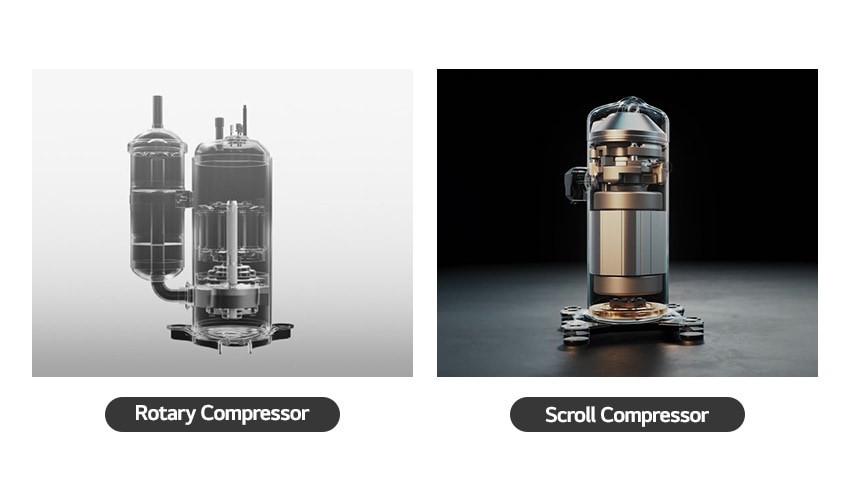
Credit: www.lg.com
Scroll Air Compressor Basics
Scroll air compressors are a popular choice for many industries. They use a unique design to compress air quietly and efficiently. These compressors are often smaller and require less maintenance than other types. Understanding their basics helps to see why they are useful in various settings.
Scroll compressors work differently from traditional piston compressors. This difference gives them benefits in noise, size, and energy use. Let’s look closer at how they are built and how they work.
Design And Operation
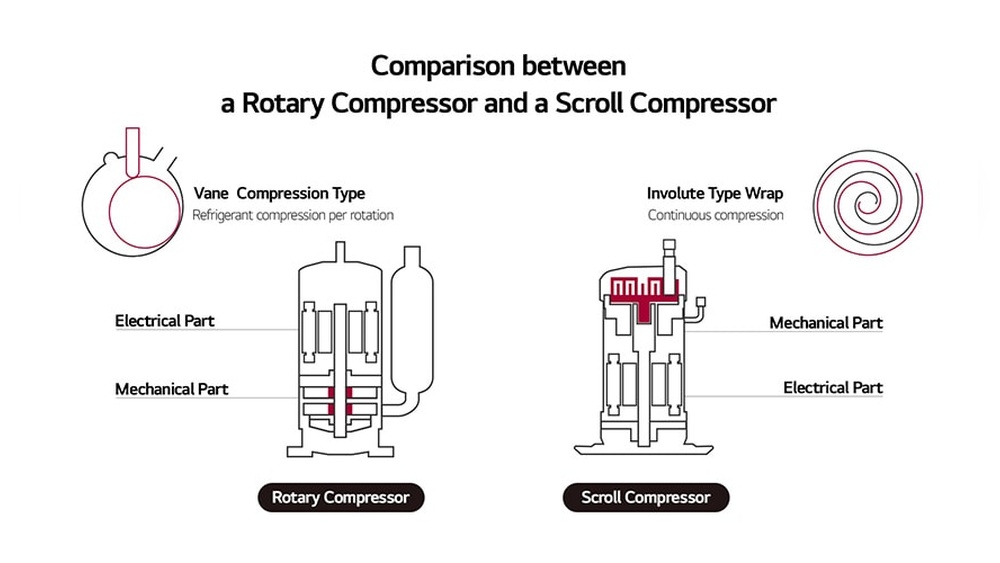
A scroll air compressor has two spiral-shaped scrolls. One scroll stays still while the other moves in a circular path. This motion traps air pockets between the scrolls. These pockets get smaller as the moving scroll orbits. The air compresses and moves toward the center. This process creates a steady flow of compressed air.
This design has fewer moving parts than piston compressors. It also causes less vibration. The smooth motion leads to quieter operation. The compact build fits well in tight spaces. Scroll compressors often need less oil, making them cleaner.
Key Features
Scroll compressors offer constant air output without pulses. They run smoothly and produce less noise. These compressors have a long service life due to less wear and tear. They are energy efficient and reduce power costs.
Maintenance is simpler because there are fewer parts to check. The oil-free models prevent contamination in sensitive applications. Scroll compressors work well for medical, dental, and electronics fields. Their quiet, clean air makes them ideal in many workplaces.
Reciprocating Air Compressor Basics
Reciprocating air compressors are common in many industries. They use a piston to compress air inside a cylinder. This type of compressor has been used for decades due to its reliability and effectiveness. Understanding how it works helps to see why it remains popular.
Design And Operation
A reciprocating air compressor has a piston that moves back and forth inside a cylinder. The piston is connected to a crankshaft that turns in a circular motion. When the piston moves down, air enters the cylinder through an intake valve. When the piston moves up, it compresses the air and pushes it out through a discharge valve. This cycle repeats continuously to produce compressed air.
Key Features
These compressors are known for their high pressure output. They can work with pressures over 150 psi, making them suitable for many tasks. Their design allows easy maintenance and repair. Reciprocating compressors are also available in many sizes, from small portable units to large industrial machines. They produce more noise and vibration compared to other types, but their power and reliability make them valuable.
Performance Comparison
Comparing the performance of scroll air compressors and reciprocating compressors helps in choosing the right machine. Both types serve similar purposes but differ in how they operate and perform. Understanding these differences can guide users to pick the best option for their needs.
Efficiency And Power Consumption
Scroll compressors use a continuous compression process. This makes them more efficient than reciprocating types. They consume less power for the same output. Reciprocating compressors use pistons, which create more friction. This friction causes energy loss and higher power use. Scroll compressors often save money on electricity bills over time.
Noise Levels
Scroll compressors run quietly due to smooth operation. They produce less vibration and noise. Reciprocating compressors create louder noise because of piston movements. This noise can be distracting in workspaces. For noise-sensitive places, scroll compressors offer a quieter solution.
Maintenance Requirements
Scroll compressors have fewer moving parts. This reduces the chance of breakdowns. They need less frequent maintenance and repairs. Reciprocating compressors have many moving parts that wear out faster. They require regular oil changes and part replacements. Scroll compressors can lower maintenance costs and downtime.
Application Suitability
Choosing the right air compressor depends on where and how you plan to use it. Scroll air compressors and reciprocating compressors each have strengths in different settings. Understanding their application suitability helps pick the best fit for your needs.
Industrial Uses
Scroll air compressors work well in factories and workshops with steady air needs. They run quietly and deliver smooth air flow. This makes them ideal for sensitive equipment and continuous operation.
Reciprocating compressors suit heavy-duty industrial tasks. They handle high pressure and work well with large tools. These compressors are common in repair shops and manufacturing plants.
Commercial Uses
Scroll compressors are great for businesses needing quiet operation. Offices, hospitals, and labs benefit from their low noise and clean air output. They often require less maintenance, saving time and cost.
Reciprocating compressors fit businesses with high air demand but less concern about noise. Construction sites and automotive shops use them for their power and durability. They provide strong bursts of air for tough jobs.
Home And Diy Projects
Scroll compressors are less common at home due to their cost and size. Still, they work well for quiet indoor use and precise air tools.
Reciprocating compressors are popular for DIY tasks. They handle nail guns, spray painting, and inflating tires easily. Affordable and easy to find, they suit most home workshops.
Cost Analysis
Understanding the cost differences between scroll air compressors and reciprocating compressors helps in smart buying decisions. Cost analysis covers the initial price, running expenses, and long-term benefits. Each factor matters for budgeting and overall efficiency.
Initial Investment
Scroll air compressors often have a higher upfront price. They use modern parts and technology. Reciprocating compressors cost less initially. Their design is simpler and more common. Budget size can influence which type fits best.
Operational Costs
Scroll compressors usually consume less energy. They run smoothly with fewer parts to wear out. Reciprocating compressors need more maintenance. They can use more power during operation. Lower energy and maintenance costs save money over time.
Long-term Value
Scroll compressors last longer with steady performance. They keep repair bills low. Reciprocating compressors may face more breakdowns. This can increase costs in the long run. Choosing a reliable machine pays off after years of use.

Credit: www.eastwood.com
Reliability And Durability
Reliability and durability are key factors when choosing between scroll and reciprocating air compressors. Both types serve different needs but vary in how long they last and how often they need repairs. Understanding these differences helps in making the right choice for your work or business.
Common Failures
Scroll compressors usually face fewer breakdowns. Their simple design has fewer moving parts. This reduces wear and tear over time. Problems often come from oil issues or overheating.
Reciprocating compressors have more moving parts. Pistons, valves, and rings wear out faster. Leaks and valve failures are common. Regular maintenance is needed to avoid major problems.
Lifespan Expectations
Scroll compressors tend to last longer with proper care. They can run smoothly for 10 to 15 years. Their quiet operation also means less stress on parts.
Reciprocating compressors may have a shorter lifespan. Typically, they last about 7 to 10 years. Frequent use and less maintenance can reduce this time. They work well for short, heavy-duty jobs.
Environmental Impact
The environmental impact of air compressors is important to consider. These machines run for many hours in factories and workshops. Their effects on energy use and noise pollution matter for the planet and people. Choosing the right type can reduce harm and save resources.
Energy Consumption
Scroll air compressors usually use less energy than reciprocating ones. They run smoothly with fewer moving parts. This means less power is wasted during operation. Reciprocating compressors have pistons that move back and forth. This motion uses more energy and causes more wear.
Lower energy use means fewer carbon emissions. It helps reduce the overall carbon footprint of a business. Scroll compressors can keep costs down by saving electricity. This is better for the environment and your budget.
Noise Pollution
Scroll compressors operate quietly because they have fewer vibrations. They create less noise pollution in the workplace. This is good for worker health and comfort. Reciprocating compressors produce loud sounds from their piston movement. This noise can cause stress and hearing problems over time.
Quieter machines improve workplace safety and reduce noise complaints. They help create a better environment for everyone nearby. Using scroll compressors can lower noise pollution significantly.

Credit: www.youtube.com
Choosing The Right Compressor
Choosing the right air compressor is key for your project. Different compressors suit different tasks. Picking the best one saves time and money. It also boosts your work quality.
Assessing Needs
Start by thinking about what you need the compressor for. Consider the size of the job and the tools you use. Some compressors work better for light tasks. Others handle heavy-duty work well. Check the air pressure and volume requirements too. This helps find a compressor that meets your needs without wasting power.
Budget Considerations
Set a clear budget before buying. Scroll compressors often cost more upfront. They have lower maintenance costs and longer life. Reciprocating compressors usually cost less at first. They might need more repairs over time. Balance your budget with long-term costs. Choose a model that fits your wallet and your work demands.
Frequently Asked Questions
What Are The Main Differences Between Scroll And Reciprocating Compressors?
Scroll compressors use two interleaved spirals for compression, offering quieter and smoother operation. Reciprocating compressors use pistons and cylinders, producing more vibration and noise but higher pressure output.
Which Compressor Is More Energy-efficient: Scroll Or Reciprocating?
Scroll compressors are generally more energy-efficient due to continuous compression and fewer moving parts. Reciprocating compressors consume more energy because of their stop-start piston motion and higher friction losses.
Are Scroll Compressors Better For Continuous Use Than Reciprocating?
Yes, scroll compressors are ideal for continuous use. Their design allows smoother, quieter operation with less wear. Reciprocating compressors are better suited for intermittent or heavy-duty cycles.
Which Compressor Type Requires Less Maintenance?
Scroll compressors need less maintenance since they have fewer moving parts and less vibration. Reciprocating compressors require frequent servicing due to piston wear and valve replacements.
Conclusion
Choosing between scroll and reciprocating air compressors depends on your needs. Scroll compressors run quietly and need less maintenance. Reciprocating compressors are strong and good for heavy work. Think about space, noise, and how often you use it. Both types have good points.
Pick the one that fits your work best. This helps you save money and get the job done right. Simple and smart choices make all the difference.