
Choosing the right air compressor can make a big difference in your work. When it comes to Ingersoll Rand vs Quincy air compressors, you might feel stuck between two strong options.
You want a machine that is reliable, powerful, and fits your needs perfectly. This article will help you understand the key differences and benefits of each brand. By the end, you’ll feel confident about which air compressor is the best match for your projects and budget.
Keep reading to find the perfect fit for your tools and tasks.

Credit: aircompressorservices.com
Ingersoll Rand Air Compressors
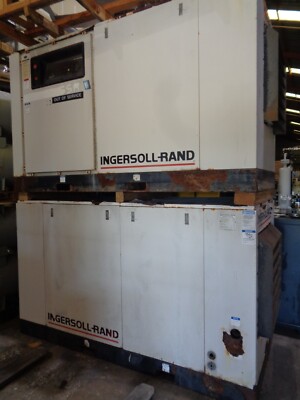
Ingersoll Rand air compressors are known for their reliable performance and strong build. These compressors serve both small workshops and large industries. Their designs focus on efficiency and long service life. Users trust Ingersoll Rand for consistent air supply and low maintenance needs.
Key Features
Ingersoll Rand compressors come with advanced cooling systems. They often include oil-free and oil-lubricated options. Noise reduction technology is common in many models. Easy-to-use controls help adjust pressure levels quickly. Safety features protect both the machine and the user.
Performance Metrics
These compressors deliver steady air pressure suitable for various tools. They offer different horsepower ratings to match task demands. Air delivery rates are optimized for continuous operation. Maintenance intervals are extended to reduce downtime. Their start-up time is fast, saving work hours.
Durability And Build Quality
Ingersoll Rand uses high-quality metals and parts. Their compressors resist wear from harsh conditions. Corrosion-resistant coatings extend machine lifespan. The sturdy frames reduce vibration and noise. Many models meet industrial standards for toughness.
Energy Efficiency
Energy-saving motors reduce electricity costs. Variable speed drives adjust power use based on need. Efficient compressors produce less heat and waste. Lower energy use means less impact on the environment. Many models have energy star ratings for trust.
Popular Models
The Ingersoll Rand SS3F is a common choice for workshops. The R-Series offers powerful performance for heavy duty tasks. The Nirvana series provides oil-free air for sensitive applications. The UP6 model is known for compact design and quiet operation. These models suit a range of budgets and needs.
Quincy Air Compressors
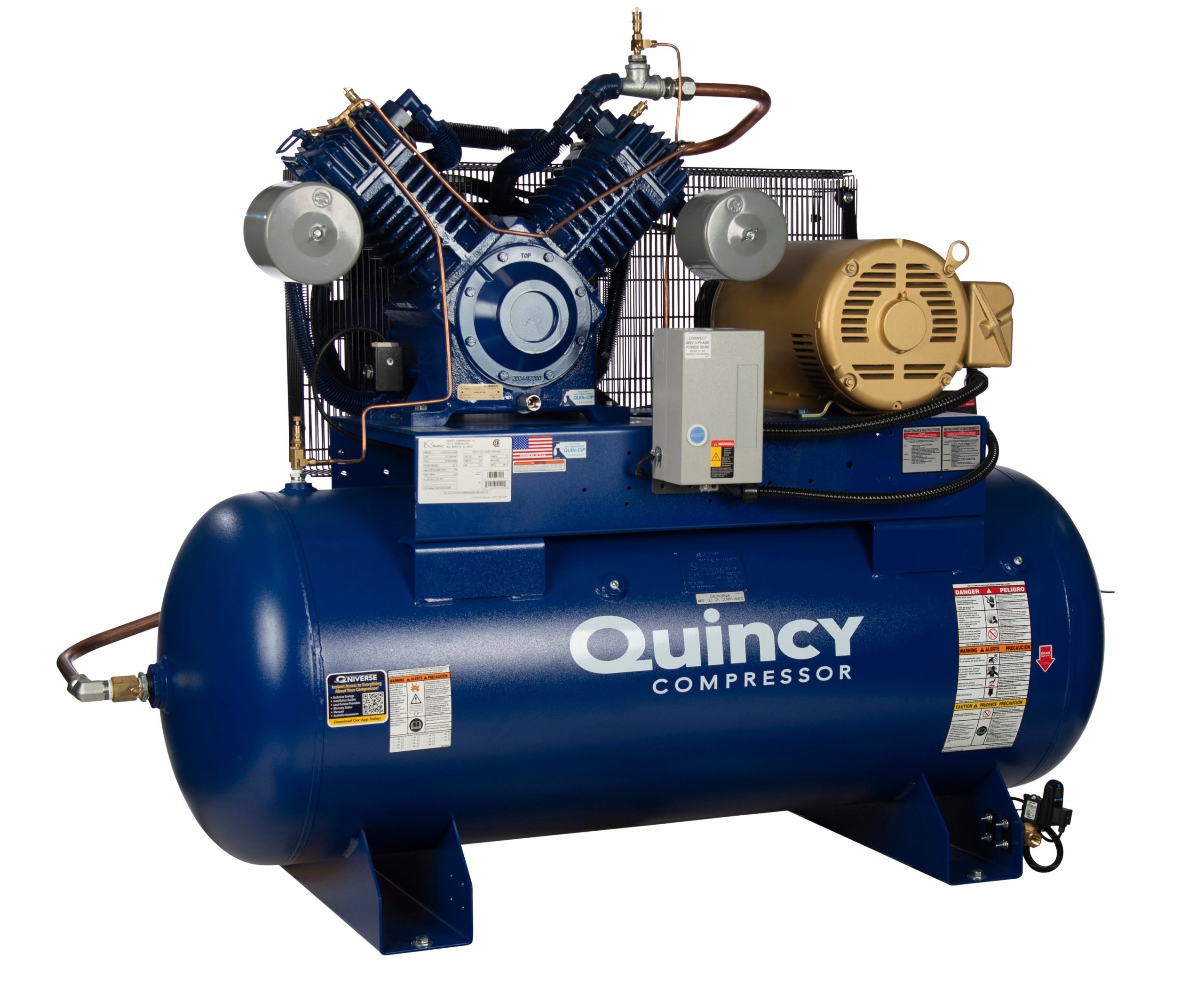
Quincy Air Compressors have earned a strong reputation for reliability and solid performance. They serve a wide range of industries, including manufacturing, automotive, and construction. Quincy focuses on producing compressors that balance power and efficiency. Their machines are designed for both small workshops and large industrial applications.
Users appreciate Quincy compressors for their ease of use and straightforward maintenance. The brand emphasizes durable materials and practical design. This approach helps reduce downtime and repair costs. Quincy models often come with features that enhance user experience and operational safety.
Key Features
- Oil-lubricated and oil-free options available
- Quiet operation suitable for indoor use
- Pressure ranges from 100 to 175 PSI
- Easy-to-read gauges and controls
- Compact and space-saving designs
Performance Metrics
Quincy compressors offer consistent air delivery. The CFM (cubic feet per minute) ratings meet various job requirements. Their machines run smoothly with minimal vibration. This stability improves tool performance and lifespan. Many models maintain steady pressure even under heavy load.
Durability And Build Quality
Quincy uses high-grade steel for tanks and frames. The components resist corrosion and wear. Their compressors often last many years with proper care. Welds and joints are strong to prevent leaks. The brand tests each unit to meet quality standards.
Energy Efficiency
Quincy designs compressors to use less power. Variable speed drive models adjust energy use by demand. This reduces electricity costs over time. Efficient motors and improved seals reduce energy waste. The result is lower operational expenses and less heat output.
Popular Models
- Quincy QGS-15: Compact, 15 HP, ideal for small shops
- Quincy QSI-27: 27 HP, oil-injected, for heavy industrial use
- Quincy QT-54: Tank-mounted, portable, suitable for job sites
- Quincy QGV-15: Variable speed, energy-saving features
Performance Comparison
Comparing the performance of Ingersoll Rand and Quincy air compressors helps buyers choose the right tool. Both brands offer strong machines but differ in key areas. Understanding these differences improves your purchase decision. This section breaks down their performance into clear points.
Power Output
Ingersoll Rand compressors usually have higher power output options. They suit heavy-duty tasks and industrial use. Quincy compressors provide steady power but focus more on efficiency. Both brands offer models from small to large power ranges.
Air Delivery Rate
Air delivery rate measures how much air a compressor produces per minute. Ingersoll Rand often leads with higher CFM (cubic feet per minute) ratings. Quincy compressors maintain consistent airflow but with slightly lower rates. Choose based on the air tool requirements you have.
Noise Levels
Quiet operation matters in many workspaces. Quincy compressors are known for being quieter. Ingersoll Rand units tend to produce more noise, especially at higher power. Noise ratings vary by model, so check specs carefully for your environment.
Maintenance Needs
Maintenance affects long-term performance and costs. Quincy compressors are designed for easier and less frequent maintenance. Ingersoll Rand may require more regular checks and parts replacement. Both brands provide good support, but maintenance style differs.
Cost And Value
Cost and value play a big role in choosing an air compressor. The right choice affects your budget and long-term expenses. Both Ingersoll Rand and Quincy offer strong options. Understanding their costs helps you decide which fits your needs best.
Initial Investment
Ingersoll Rand compressors usually cost more upfront. They often include advanced features and durable parts. Quincy compressors tend to be cheaper at the start. They offer good quality but with fewer extras. Your budget and project size guide this choice.
Long-term Operating Costs
Running costs include energy use and maintenance. Ingersoll Rand machines are often energy efficient. They may reduce electricity bills over time. Quincy models might use more power but have simpler repairs. Think about how long you will use the compressor.
Warranty And Support
Both brands provide warranties to protect your purchase. Ingersoll Rand usually offers longer warranty periods. They also have extensive service networks. Quincy warranties are shorter but cover key parts. Support quality can affect your overall satisfaction.
User Experience
User experience plays a big role in choosing an air compressor. It affects how easy and smooth the machine feels during use. Both Ingersoll Rand and Quincy offer reliable models, but their user experiences differ. This section explores ease of use, customer reviews, and common issues for each brand.
Ease Of Use
Ingersoll Rand compressors are known for simple controls. Many models have clear gauges and easy-to-read labels. Setup usually takes a short time, making it good for beginners. Quincy compressors also focus on user-friendly design. Their machines often feature quick-start systems and easy maintenance access. Both brands work well for first-time users and pros alike.
Customer Reviews
Customers often praise Ingersoll Rand for its quiet operation and durability. Users say it handles long work hours without problems. Quincy gets high marks for strong performance and steady airflow. Many buyers appreciate the solid build and reliability. Some users note that customer service from both brands meets expectations. Overall, reviews show satisfaction with both air compressors.
Common Issues
Some Ingersoll Rand owners report minor leaks after heavy use. A few mention noise levels rising over time. Quincy users sometimes face pressure drops during long tasks. Occasional oil leaks appear in older models. Both brands need regular maintenance to avoid these problems. Proper care helps keep compressors running smoothly for years.
Credit: www.ebay.com
Applications And Suitability
Choosing the right air compressor depends on where and how you plan to use it. Both Ingersoll Rand and Quincy offer models suited for different tasks. Understanding their applications helps you pick the best fit. The right compressor can improve efficiency and save money.
Industrial Use
Ingersoll Rand compressors often handle heavy industrial jobs. They deliver high pressure and long runtime. Factories and manufacturing plants benefit from their durability. Quincy compressors also serve industrial needs with strong performance. They work well in metalworking and automotive industries. Both brands offer models that support continuous operation.
Commercial Use
Commercial settings need reliable compressors for various tasks. Ingersoll Rand compressors fit well in construction and service businesses. They provide steady airflow for tools and equipment. Quincy compressors perform solidly in small to medium commercial setups. They handle tasks like painting, sanding, and cleaning. Each brand offers portable options for job sites.
Home And Workshop Use
For home users, ease of use and quiet operation matter. Ingersoll Rand has compact models ideal for DIY projects. They work well with nail guns and inflators. Quincy compressors offer affordable choices for hobbyists and small workshops. They provide enough power for woodworking and car maintenance. Both brands deliver options that fit limited space.
Credit: www.quincycompressor.com
Frequently Asked Questions
What Are The Main Differences Between Ingersoll Rand And Quincy Compressors?
Ingersoll Rand compressors are known for durability and advanced technology. Quincy compressors focus on energy efficiency and quiet operation. Both brands offer reliable performance, but Ingersoll Rand suits heavy-duty use, while Quincy is ideal for quieter, energy-saving needs.
Which Air Compressor Brand Is More Energy Efficient?
Quincy air compressors are generally more energy efficient due to advanced motor designs. They reduce power consumption and save costs. Ingersoll Rand models prioritize power and durability but may use more energy under heavy loads.
Are Ingersoll Rand Compressors Better For Industrial Use?
Yes, Ingersoll Rand compressors are preferred in industrial settings. They offer high performance, durability, and can handle continuous heavy-duty operation. Their robust build makes them ideal for demanding work environments.
How Does Quincy Compare In Noise Levels To Ingersoll Rand?
Quincy compressors are typically quieter than Ingersoll Rand models. They use noise-reducing technology to minimize sound during operation. This makes Quincy a better choice for noise-sensitive environments.
Conclusion
Choosing between Ingersoll Rand and Quincy depends on your needs. Both brands offer reliable air compressors. Ingersoll Rand focuses on durability and advanced features. Quincy provides strong performance with simple designs. Consider your budget and intended use carefully. Think about maintenance and energy efficiency too.
Both brands serve workshops and industries well. The best choice fits your specific tasks and space. Take time to compare models and reviews. This helps you buy the right air compressor. Your decision will lead to better work results.