Are you wondering, “What kind of air compressor do I need?” Choosing the right air compressor can feel confusing.
There are many types, sizes, and features to consider. But picking the perfect one for your needs is easier than you think. You’ll discover simple tips to help you find an air compressor that fits your projects and budget. Keep reading, and you’ll be ready to make a smart choice without any guesswork.
Types Of Air Compressors
Choosing the right air compressor starts with understanding the types available. Each type fits different tasks and work environments. Knowing the basics helps you pick the best option for your needs.
Air compressors vary by design, power, and how they deliver air. Some are better for small jobs, while others handle heavy-duty work. This section covers the main types of air compressors.
Piston Compressors
Piston compressors use a piston inside a cylinder to compress air. They work in cycles, pulling air in and pushing it out under pressure. These compressors suit small workshops and home use well.
They come in single-stage and two-stage models. Single-stage is good for light tasks. Two-stage provides higher pressure for tougher jobs.
Rotary Screw Compressors
Rotary screw compressors use two rotating screws to compress air continuously. They offer steady airflow and are quieter than piston types. These compressors fit industrial settings and long work hours.
They are efficient and need less maintenance. Ideal for factories and large-scale projects.
Centrifugal Compressors
Centrifugal compressors use a spinning impeller to increase air speed and pressure. They handle very large volumes of air. These are common in big plants and manufacturing sites.
They run smoothly and provide high capacity. Best for heavy industrial use and continuous operation.
Oil-free Vs. Oil-lubricated
Oil-free compressors use special materials to avoid oil in the air. They are cleaner and safer for sensitive tasks. Good for food, medical, and electronics industries.
Oil-lubricated compressors use oil to reduce wear and heat. They last longer under heavy use. Suitable for most industrial and workshop jobs.
Choosing between them depends on your need for clean air versus durability.
Credit: www.bluedm.com.au
Key Features To Consider
Choosing the right air compressor depends on several important features. These features help you match the compressor to your needs. Understanding them makes your decision easier and smarter. Focus on these key points for the best fit.
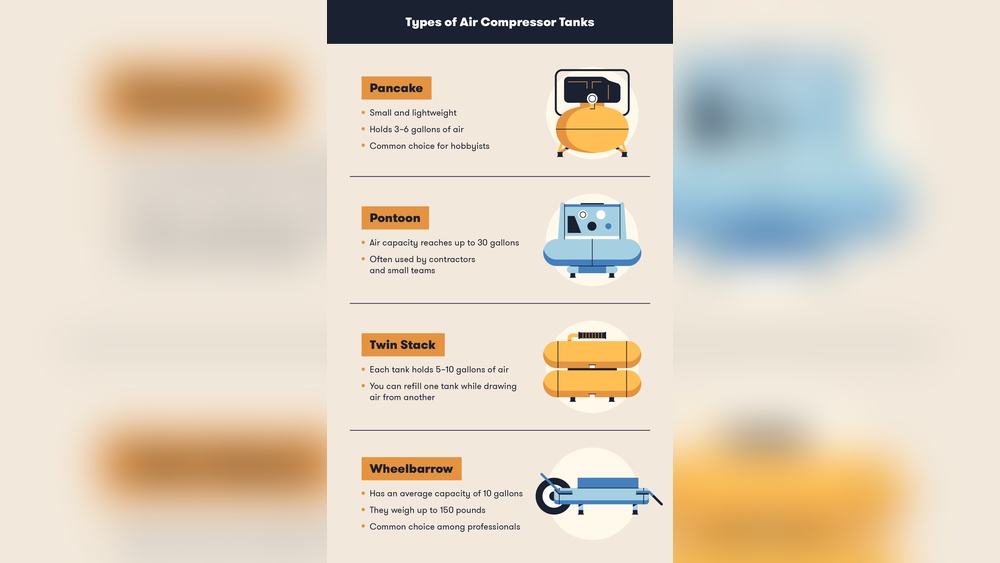
Tank Size And Capacity
The tank size controls how much air you can store. Bigger tanks hold more air and run longer without stopping. Small tanks are light and easy to move but fill up faster. Choose a tank size that fits your job length and type.
Power Source Options
Air compressors can run on electricity or gas. Electric models work well indoors and produce less noise. Gas-powered compressors are strong and good for outdoor use. Pick a power source based on where you will work.
Pressure Ratings
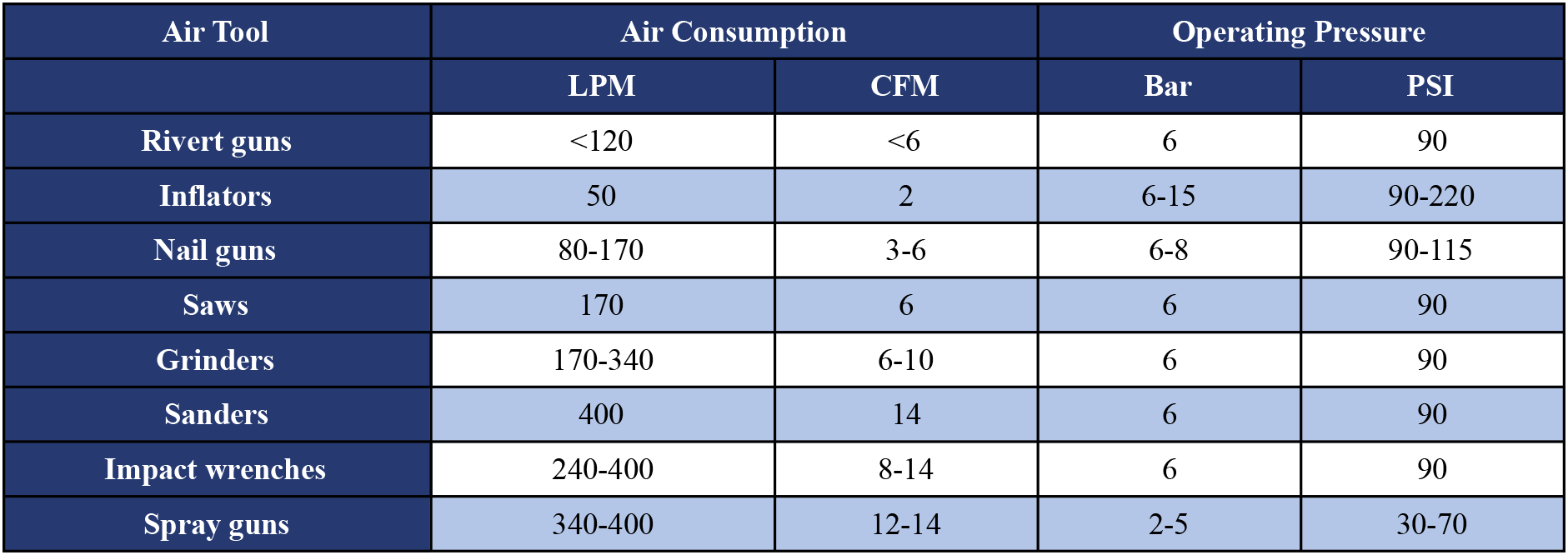
Pressure is measured in PSI (pounds per square inch). Check the PSI needed for your tools. Some tools need high pressure, others low. The compressor must match or exceed this pressure for best performance.
Cfm And Scfm Explained
CFM means cubic feet per minute, showing air flow. SCFM is standard cubic feet per minute, adjusted for temperature and pressure. High CFM or SCFM means more air for your tools. Know the CFM needs of your tools to pick the right compressor.
Matching Compressor To Application
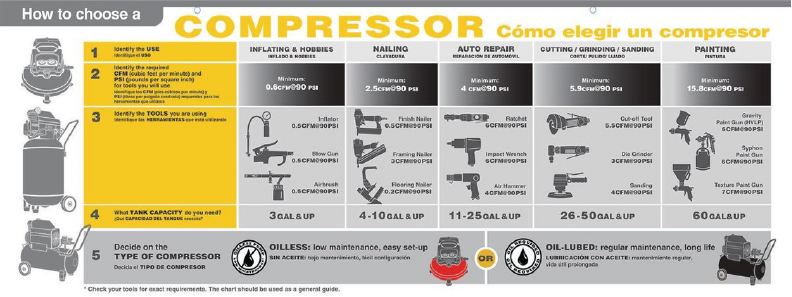
Choosing the right air compressor depends on what you need it for. Different tasks require different power and features. Matching the compressor to your application saves money and effort. It also ensures the best results.
Home Use And Diy Projects
Small compressors work well for home tasks. These include inflating tires, blowing dust, and small paint jobs. Portable and lightweight models offer easy storage and movement. Low noise levels make them suitable for quiet environments. They usually have lower pressure and smaller tank sizes. Perfect for occasional use and light jobs.
Automotive And Garage Work
Car repair and maintenance need more power. Medium-sized compressors provide steady airflow for tools like impact wrenches. Tanks should hold enough air to avoid frequent refills. Oil-lubricated models tend to last longer under heavy use. Look for compressors with quick recovery times. This helps keep work flowing without delays.
Industrial And Commercial Needs
Large industries need powerful compressors with high capacity. These units deliver continuous air for multiple tools at once. Heavy-duty construction ensures durability and long life. Large tanks and high PSI ratings handle demanding tasks. Some models offer advanced features like automatic controls. They fit well in factories, workshops, and construction sites.
Specialized Uses
Certain jobs require unique compressor types. Medical, dental, or laboratory work needs oil-free compressors. These ensure clean, contaminant-free air. Painting and finishing demand compressors with steady, smooth airflow. Refrigeration or HVAC service uses portable models with precise pressure control. Match the compressor to the specific task for best performance.
Portability And Size Factors
Choosing the right air compressor involves thinking about how you will move and store it. Portability and size affect how easy the compressor is to use in different places. This helps you decide the best model for your needs.
Stationary Vs. Portable Models
Stationary air compressors stay in one spot. They are usually larger and heavier. These models suit workshops or garages. Portable models are smaller and lighter. You can carry them to different job sites. They work well for small tasks or outdoor use. Consider where you will use the compressor most.
Weight And Dimensions
Weight matters if you need to move the compressor often. Heavy compressors are hard to lift and carry. Check the dimensions to see if it fits your space. Small compressors fit in tight spots easily. Big compressors need more room for storage. Think about your workspace size and how often you move the tool.
Noise Levels
Noise can be a problem, especially indoors. Some compressors are loud and can disturb others. Quiet models use special technology to reduce sound. Choose a compressor with low noise if you work in noise-sensitive areas. This keeps the workspace comfortable and safe for everyone.
Energy Efficiency And Maintenance
Choosing the right air compressor involves thinking about energy use and upkeep. Energy efficiency saves money on bills. Proper maintenance keeps the machine running well for a long time. These factors reduce breakdowns and repair costs. Understanding how to manage energy and maintenance helps get the best from your air compressor.
Energy Consumption Tips
Pick an air compressor with the right power size. Avoid using bigger models than needed. Turn off the compressor when it is not in use. Check for leaks in the air system regularly. Use energy-saving settings if available. Keep the compressor in a cool place to reduce energy use.
Routine Maintenance Tasks
Change the oil regularly if your model needs it. Clean or replace air filters often. Drain water from the tank every day. Inspect hoses and connections for damage. Tighten loose bolts and screws. Follow the manufacturer’s maintenance schedule carefully.
Troubleshooting Common Issues
Listen for strange noises that may show problems. Check if the compressor starts and stops too often. Look for air leaks around fittings and valves. Watch the pressure gauge for unusual readings. Clean or replace filters if airflow drops. Fix problems quickly to avoid bigger damage.
Budget And Warranty Considerations
Choosing the right air compressor means thinking about your budget and warranty. These two factors affect how much you spend now and later. A smart choice balances cost and protection. This section explains price ranges, long-term costs, and warranty options to help you decide.
Price Ranges By Type
Air compressors come in many types. Each type has a different price range. Small portable models often cost less. They fit light tasks and small jobs. Larger stationary compressors cost more. They work well for heavy-duty use. Oil-free compressors usually cost more than oil-lubricated ones. Consider your needs before buying.
Long-term Cost Factors
Initial price is not the only cost. Maintenance and energy use add up over time. Oil changes, filter replacements, and repairs can be costly. Some compressors use more electricity than others. Check energy efficiency ratings. Choose a model with low running costs. This saves money in the long run.
Warranty And Support Options
A good warranty protects your investment. Look for warranties that cover parts and labor. Longer warranty periods offer more security. Check if the warranty includes service support. Some brands provide easy access to help and repairs. This reduces downtime and extra expenses.
Top Brands And Models In 2026
Choosing the right air compressor depends on trusted brands and reliable models. In 2026, several brands stand out for quality and performance. These brands offer options for various needs, from simple home tasks to heavy industrial work. Understanding the best models helps you pick the right tool.
Best For Home Use
For home projects, small and quiet compressors work best. Brands like Porter-Cable and California Air Tools make models that fit this need. These compressors are lightweight and easy to move. They also run quietly, which is great for indoor use. Models such as Porter-Cable C2002 and California Air Tools 8010 are popular choices.
Best For Heavy-duty Work
Heavy-duty work needs powerful compressors with high capacity. DeWalt and Ingersoll Rand offer strong models for this purpose. These compressors provide high PSI and large tank sizes. They perform well on construction sites and workshops. The DeWalt D55146 and Ingersoll Rand SS5L5 are top picks for tough jobs.
Innovative Features To Look For
New models include smart features that improve use and safety. Look for compressors with digital pressure gauges for accuracy. Some have automatic shut-off to save energy. Oil-free pumps reduce maintenance and keep the air clean. Portability features like wheels and handles make moving easier. Brands like Makita and Hitachi lead in innovation.
Credit: go.harborfreight.com

Credit: www.youtube.com
Frequently Asked Questions
What Size Air Compressor Do I Need For Home Use?
For home use, a small to medium-sized air compressor with 1-3 gallons tank is ideal. It handles light tasks like inflating tires and powering nail guns efficiently.
How To Choose An Air Compressor For Heavy-duty Tasks?
Select an air compressor with high CFM and PSI ratings. A larger tank and a powerful motor ensure consistent performance for heavy-duty applications.
Are Portable Air Compressors Suitable For Diy Projects?
Yes, portable air compressors are perfect for DIY projects. They offer convenience, easy storage, and sufficient power for small tools and inflating jobs.
What Is The Difference Between Oil-free And Oil-lubricated Compressors?
Oil-free compressors require less maintenance and are quieter, ideal for occasional use. Oil-lubricated compressors last longer and suit continuous, heavy-duty work.
Conclusion
Choosing the right air compressor depends on your needs and tasks. Small jobs need portable and lightweight models. Bigger projects require more powerful, durable compressors. Think about how often you will use it. Also, consider the tools you want to power.
Noise level and maintenance matter too. A good air compressor saves time and effort. Take your time to compare features and prices. Make a smart choice that fits your budget and work. This way, you get the best tool for your job.