When you need to inflate something—whether it’s a flat tire on your car or a soccer ball for the weekend game—you might wonder, “What’s the difference between an air compressor and a tire inflator? ” Both devices help add air, but they are quite different in how they work, what they can do, and which is best for your needs.
Choosing the right tool saves time, money, and frustration. Let’s dive deep into how these two tools compare, their uses, and which one is right for you.
What Is An Air Compressor?
An air compressor is a machine that takes in air from the environment, compresses it to a higher pressure, and stores it in a tank. You can use this pressurized air for many jobs, not just inflating tires. People use air compressors for painting, cleaning, powering tools like nail guns, and more. They come in various sizes, from small portable ones to large industrial machines.
How Air Compressors Work
Air compressors use a motor to suck air into a chamber. The air is then squeezed, increasing its pressure, and stored in a tank. When you need to use the air, you connect a hose and release it in a controlled way.
Typical Air Compressor Features
- Tank capacity: Ranges from 1 gallon to over 60 gallons
- Power source: Can run on electricity, gasoline, or diesel
- Pressure output: Most home models offer 90–150 PSI (pounds per square inch)
- Multiple uses: Can power air tools, inflate tires, clean surfaces, and more
What Is A Tire Inflator?
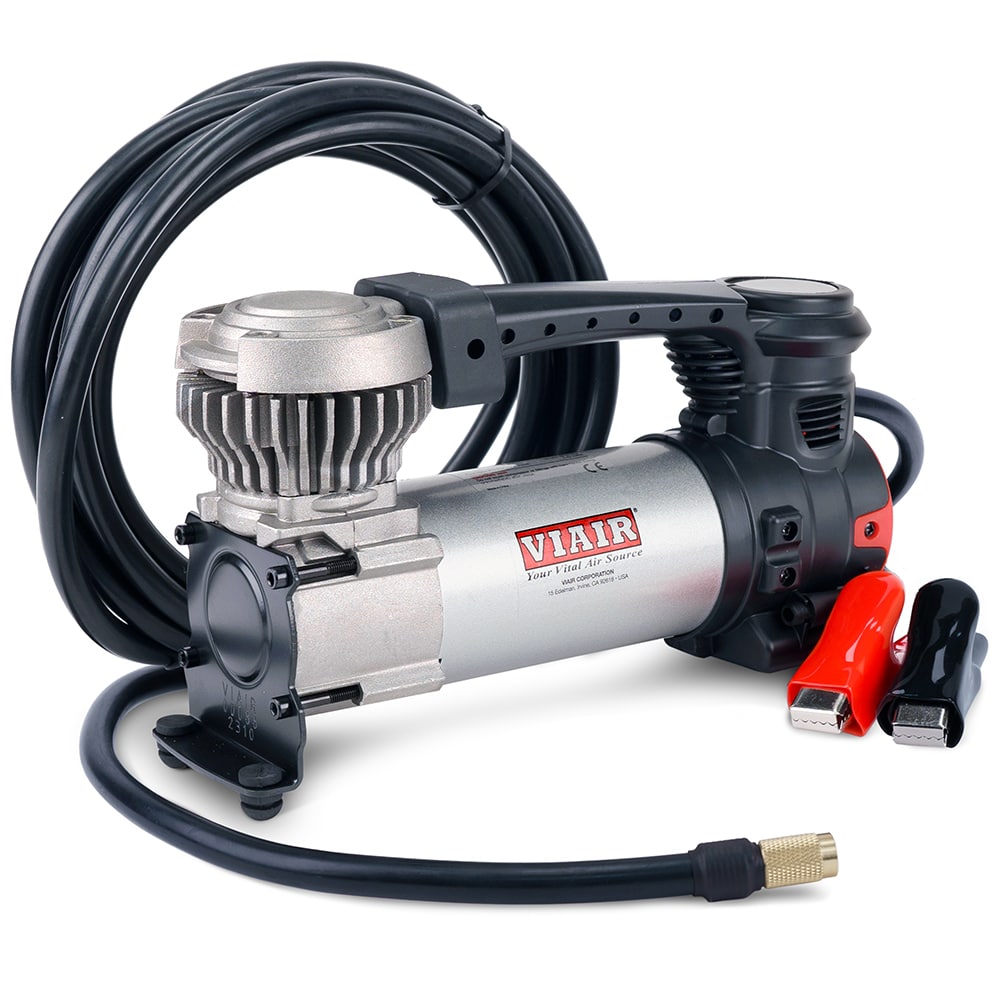
A tire inflator is a small, portable device designed mainly for inflating tires. It usually does not have a tank. Instead, it creates pressurized air on demand. Most tire inflators are powered by a car’s 12V outlet (cigarette lighter) or batteries.
How Tire Inflators Work
When you turn on a tire inflator, it quickly pumps air through a hose and into your tire. They are made to be easy to use and lightweight, so you can carry them in your car or garage.
Typical Tire Inflator Features
- Small and portable: Often weighs less than 3 pounds
- Power source: 12V car outlet, USB, or rechargeable battery
- Pressure output: Usually 30–150 PSI, suitable for most vehicle tires
- User-friendly: Simple controls, digital displays, automatic shutoff

Credit: compressor-source.com
Key Differences Between Air Compressors And Tire Inflators
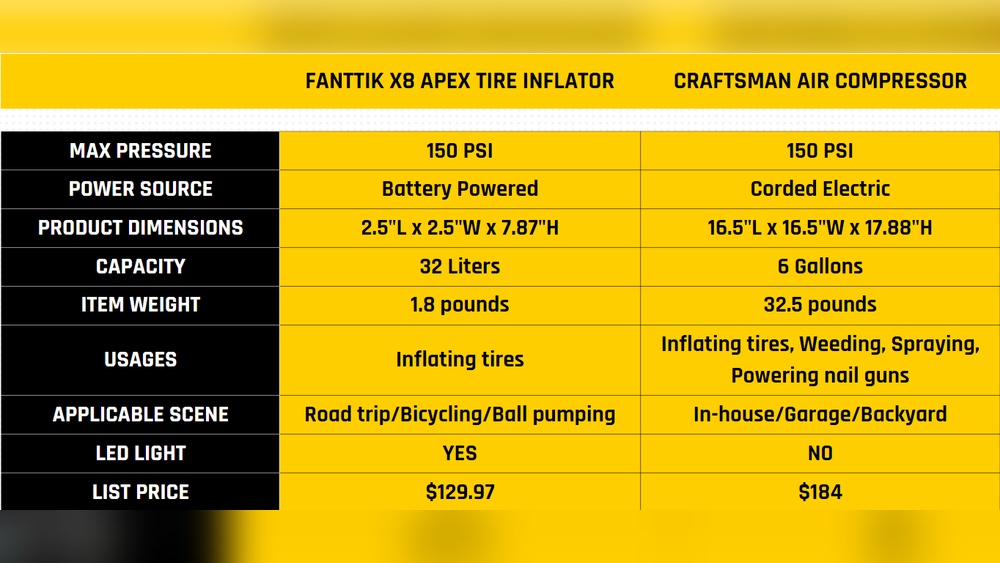
To understand which tool is best for you, it helps to compare them side by side. Here is a comparison of their main features:
| Feature | Air Compressor | Tire Inflator |
|---|---|---|
| Primary Use | Multiple tasks (tools, cleaning, inflating) | Inflating tires and small inflatables |
| Portability | Often heavy and large | Lightweight and compact |
| Power Source | AC, gas, or diesel | 12V, USB, or battery |
| Pressure Output | 90–150 PSI (or more) | 30–150 PSI |
| Air Storage | Has a tank | No tank |
| Cost | Higher (starting from $100+) | Lower (starting from $20+) |
| Noise Level | Louder | Quieter |
When Should You Use An Air Compressor?
Air compressors are best if you need power and versatility. Here are some situations where an air compressor shines:
- Multiple inflation jobs: If you need to inflate tires, sports balls, air mattresses, and pool toys often, an air compressor makes the job fast.
- Running air tools: Tools like impact wrenches, spray guns, or nailers require the steady, powerful air supply that only a compressor can provide.
- Cleaning: Blow dust and debris off workbenches, filters, or electronics using a compressor’s air nozzle.
- Large vehicle tires: Air compressors handle big tires (trucks, RVs, tractors) better than small inflators.
Non-obvious Insight
Many beginners don’t realize that air compressors can over-inflate tires quickly. If you’re not careful, you can burst a small tire. Always check the pressure gauge while inflating.
When Should You Use A Tire Inflator?
Tire inflators are the go-to tool for emergencies and everyday convenience. Here’s when a tire inflator is your best friend:
- On-the-go emergencies: If your tire is low on air during a road trip, a portable tire inflator can get you back on the road in minutes.
- Quick top-ups: Tire inflators are perfect for keeping your car, bicycle, or motorcycle tires at the right pressure.
- Urban living: If you don’t have space for a large compressor, a tire inflator fits easily in your trunk or closet.
- Battery-operated models: Some inflators work without a power outlet, making them handy for cycling or outdoor activities.
Non-obvious Insight
A common mistake is expecting a tire inflator to fill large truck or SUV tires quickly. Most portable inflators are slow with big tires and can overheat if used for long periods.
Pros And Cons Of Air Compressors
Choosing an air compressor has upsides and downsides. Here’s a balanced view:
Advantages
- Versatility: Handles more than just tires—great for tools and cleaning.
- Speed: Fills tires and large inflatables fast due to high airflow.
- Long-term value: Durable and useful for many years in a workshop or garage.
Disadvantages
- Size and weight: Not easy to carry around or store in a small space.
- Cost: More expensive than basic inflators.
- Complexity: Requires maintenance (oil changes, draining the tank).
- Noise: Can be very loud, especially larger models.
Pros And Cons Of Tire Inflators
Tire inflators are convenient but have their own limits.
Advantages
- Portability: Small enough to keep in your car at all times.
- Ease of use: Simple controls and no setup required.
- Affordable: Good models are budget-friendly.
- Safety: Many have automatic shutoff to prevent over-inflation.
Disadvantages
- Limited power: Takes longer to inflate large tires.
- Not for tools: Cannot power air tools or other devices.
- Duty cycle: Most inflators need to cool down after a few minutes of use.
Real-world Examples
Let’s look at some real-life situations where each tool shines.
Example 1: Weekend Mechanic
Jake loves working on his car at home. He uses an air compressor to run his impact wrench and inflate all four tires quickly. He also uses it to clean dust from his garage bench. For Jake, an air compressor is worth the investment.
Example 2: Urban Commuter
Maria lives in an apartment and drives to work. She keeps a tire inflator in her trunk. One morning she notices her tire is low. In five minutes, she inflates the tire with her portable inflator and continues to work—no trip to the gas station needed.
Example 3: Outdoor Cyclist
Tom enjoys biking in nature. He carries a small, battery-powered tire inflator in his backpack. When he gets a flat, he uses the inflator to pump his tire and finish his ride. A full-sized air compressor wouldn’t be practical for him.
Credit: viaircorp.com
How To Choose: Air Compressor Or Tire Inflator?
The right choice depends on your needs, space, and budget. Here’s a quick decision guide:
| Your Need | Best Choice | Why? |
|---|---|---|
| Frequent tire inflation, power tools, cleaning | Air Compressor | More power and flexibility |
| Emergency tire repairs, travel, small storage | Tire Inflator | Portable and easy to use |
| Budget under $50 | Tire Inflator | Affordable and practical |
| Truck or RV tires | Air Compressor | Handles high volumes and pressure |
| Bicycle or sports balls | Tire Inflator | Quick and portable solution |
Tips For Safe And Effective Use
- Always check the pressure rating of your tires before inflating.
- Avoid over-inflation: Use a device with an accurate gauge.
- Let the tool rest: For both compressors and inflators, avoid running them non-stop for long periods to prevent overheating.
- Regular maintenance: Clean and store your device properly. For air compressors, drain moisture from the tank often.
- Carry a backup: If you travel long distances, keep a manual pump or spare inflator just in case.
Common Mistakes Beginners Make
- Ignoring duty cycles: Every device needs a break; running it too long can cause damage.
- Using the wrong tool: Trying to power air tools with a tire inflator or inflate a truck tire with a small inflator leads to slow results or overheating.
- Not checking compatibility: Some tire inflators don’t fit all valve types. Make sure yours matches your tires.
Cost Comparison
On average, air compressors for home use start around $100 and can go up to $500 or more for larger models. Tire inflators are much cheaper, usually between $20 and $80, depending on features and brand.

Credit: www.hobbyfarms.com
Environmental Impact
Air compressors use more power and can be less energy-efficient if used only for inflating tires. Tire inflators, especially rechargeable models, use less energy and are better for occasional use. If sustainability is your concern, pick a device based on your real needs, and avoid overbuying.
Where To Buy
Both air compressors and tire inflators can be found at hardware stores, automotive shops, or online marketplaces. Always check user reviews, warranty, and included accessories before buying. For more technical details about air compressors, the Wikipedia page on air compressors offers in-depth information.
Frequently Asked Questions
What Is The Main Difference Between An Air Compressor And A Tire Inflator?
Air compressors are powerful machines for many tasks, including inflating, cleaning, and running tools. Tire inflators are small, portable devices meant only for inflating tires and small items.
Can I Use A Tire Inflator For Other Things Besides Tires?
Most tire inflators come with extra nozzles to inflate balls, air mattresses, or pool toys. However, they do not have the power for tools or heavy-duty jobs.
How Long Does It Take To Inflate A Car Tire With Each Device?
A typical air compressor can inflate a car tire in 1–2 minutes. A tire inflator may take 5–10 minutes, depending on tire size and device power.
Are Air Compressors Safe To Use For Tire Inflation?
Yes, but be careful. They deliver air quickly and can over-inflate if you are not watching the pressure gauge. Always use the right setting and stop when you reach the recommended PSI.
Which Device Lasts Longer: Air Compressor Or Tire Inflator?
A well-maintained air compressor usually lasts longer, often 10 years or more. Tire inflators last several years with proper use but may wear out faster if used often or for large jobs.
Choosing between an air compressor and a tire inflator depends on your tasks, budget, and storage space. Both tools have their place in a well-prepared home or vehicle. By understanding their strengths and limits, you can make a smart choice and always be ready—whether you’re fixing a flat or building your next DIY project.