
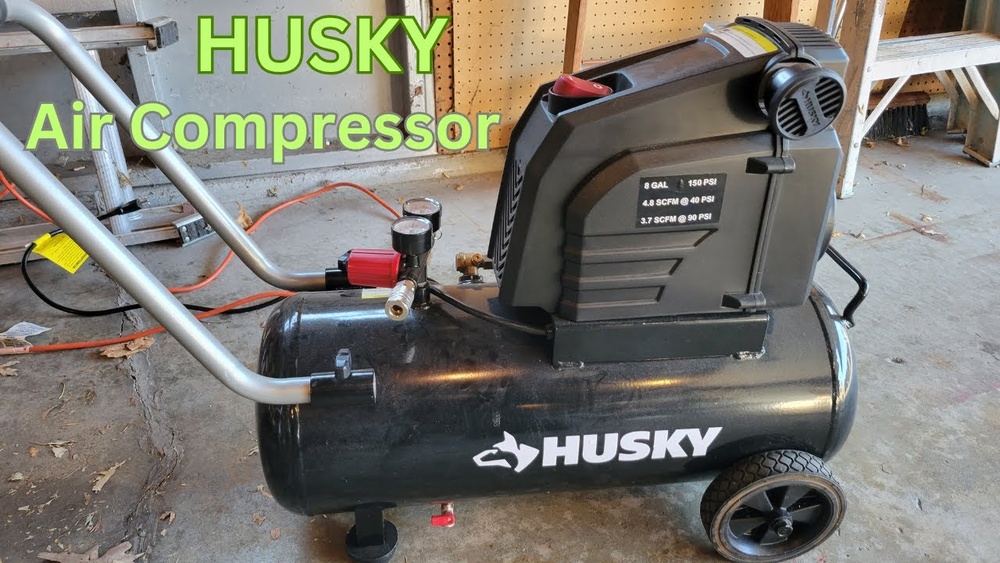
If you’ve just got a Husky air compressor or are thinking about using one, you might be wondering how to get started quickly and safely. You want to make sure you’re using it the right way to get the best results without any hassle or damage.
This guide will walk you through simple steps that anyone can follow. By the end, you’ll feel confident handling your air compressor like a pro. Ready to unlock its full potential? Let’s dive in and make your projects easier and faster.
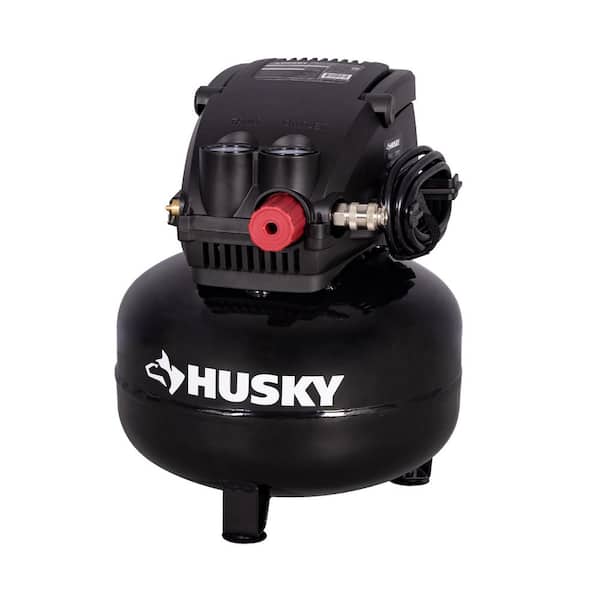
Credit: www.homedepot.com
Choosing The Right Husky Air Compressor
Choosing the right Husky air compressor is important for your work and projects. The right choice saves time and money. It also ensures your tools work well. This guide helps you understand different Husky compressors. You will learn how to match a compressor to your needs. This makes your purchase easier and smarter.
Types Of Husky Compressors
Husky offers many types of air compressors. Some are small and portable. Others are large and powerful. The main types include pancake, hot dog, and twin stack. Pancake compressors are light and easy to carry. Hot dog compressors have a long tank and give more air. Twin stack models have two tanks for steady air supply. Each type fits different tasks and spaces.
Matching Compressor To Your Needs
Think about what you will use the compressor for. Small jobs need less air pressure and flow. Big jobs need more power and longer run time. Check the tools you want to use. Look at their air requirements in PSI and CFM. Choose a compressor that meets or exceeds these needs. Also, consider the size and weight of the compressor. A heavy compressor is hard to move. A compact one is better for small spaces. This helps you pick the best Husky compressor for your work.
Setting Up Your Air Compressor
Setting up your Husky air compressor correctly is key for safe and effective use. This process ensures the tool works well and lasts longer. Follow these steps carefully to get started.
Location And Placement Tips
Place the air compressor on a flat, stable surface. Keep it in a dry, well-ventilated area. Avoid dusty or wet locations to protect the motor. Leave space around the unit for airflow and easy access.
Connecting The Air Hose
Attach the air hose to the compressor’s outlet securely. Check the connection for tightness to stop air leaks. Use the right hose size to match your compressor’s fittings. Avoid sharp bends or kinks in the hose to keep air flowing.
Power And Pressure Settings
Plug the compressor into a grounded outlet. Verify the power supply matches the compressor’s requirements. Set the pressure regulator to the needed level for your tool. Do not exceed the recommended pressure to avoid damage or injury.
Operating The Compressor Safely
Operating the Husky air compressor safely is important for your protection and machine longevity. Follow clear steps to avoid accidents and damage. Always focus on safety before and during use.
Starting And Stopping Procedures
First, check the compressor for any visible damage. Make sure the power source is off before plugging it in. Turn the pressure regulator to the lowest setting. Switch on the compressor and let it build pressure. Adjust the pressure regulator to your needed level slowly.
To stop, turn off the power switch first. Release any remaining air pressure in the tank. Disconnect the power cord safely. Store the compressor in a dry place after use.
Essential Safety Precautions
Wear safety goggles and ear protection during operation. Keep the compressor on a stable, flat surface. Avoid using the compressor in wet or damp areas. Check hoses and connections for leaks before starting. Never bypass safety valves or pressure switches.
Keep children and pets away from the work area. Do not touch hot parts during or after use. Regularly drain the tank to prevent rust build-up. Follow the manufacturer’s maintenance schedule strictly.

Credit: www.theawesomeorange.com
Maintenance For Optimal Performance
Maintaining your Husky air compressor helps it work well and last longer. Simple care keeps the machine running smoothly. It also stops costly repairs and downtime. Follow these steps to keep your compressor in top shape.
Regular Cleaning And Inspection
Clean dust and dirt from the compressor often. Check hoses and connections for leaks or cracks. Look for loose bolts or worn parts. Cleaning prevents blockages and improves airflow. Inspections catch small problems before they grow.
Lubrication And Oil Changes
Lubricate moving parts to reduce friction and wear. Use the type of oil recommended in the manual. Change the oil on schedule to keep the engine healthy. Fresh oil protects the motor and helps it run quietly. Skipping oil changes can cause damage fast.
Checking And Replacing Filters
Air filters stop dust from entering the compressor. Check filters regularly for dirt and clogs. Replace dirty filters to keep air clean and machines safe. Clean filters improve performance and save energy. A clean filter means better air compression.
Troubleshooting Common Issues
Troubleshooting common issues with your Husky air compressor can save time and money. Many problems have simple fixes. Understanding these fixes helps keep your tool running well. This section guides you through easy solutions.
Handling Air Pressure Problems
Check the pressure gauge first. It shows the current air pressure level. If pressure is too low, the compressor may not work right. Make sure the power source is stable. Also, clean or replace the air filter. A dirty filter blocks airflow and lowers pressure. Adjust the regulator knob to set correct pressure. If the problem continues, the pressure switch may need inspection. Replace it if faulty.
Dealing With Unusual Noises
Strange sounds often point to loose parts. Turn off the compressor and check bolts and screws. Tighten any loose ones carefully. Noise can also come from worn motor bearings. Listen if the noise is grinding or squealing. Oil the motor if it requires lubrication. If noise persists, call for professional repair. Avoid using the compressor with loud or odd sounds.
Fixing Air Leaks
Air leaks reduce compressor efficiency. Look for hissing sounds around hoses and fittings. Use soapy water on connections to spot bubbles. Tighten any loose fittings you find. Replace damaged hoses immediately. Check the tank drain valve for leaks. Close it tightly or replace if broken. Regular inspections prevent leaks and keep pressure steady.
Maximizing Efficiency And Lifespan
Maximizing the efficiency and lifespan of your Husky air compressor saves time and money. Proper care helps the machine work better and last longer. Simple steps in daily use and storage make a big difference.
Best Practices For Usage
Always check the oil level before starting the compressor. Low oil can cause damage to the motor. Use the compressor on a flat, stable surface. Avoid overworking the machine by giving it breaks during long jobs. Clean the air filter regularly to prevent dust build-up. Use the correct pressure settings for your tools. Avoid using the compressor for tasks it is not designed for. Turn off the machine and release pressure after use.
Storage Tips During Inactivity
Drain the air tank completely before storing the compressor. This prevents rust inside the tank. Store the compressor in a dry, cool place away from direct sunlight. Cover the machine with a cloth or plastic cover to keep dust out. Check the oil level before storing for long periods. Disconnect power and release all air pressure. Inspect the compressor for damage before next use.

Credit: toolguyd.com
Frequently Asked Questions
What Safety Tips Should I Follow When Using Husky Air Compressors?
Always wear protective gear and check for leaks before use. Keep the area well-ventilated and avoid overloading the compressor. Follow the manufacturer’s instructions for pressure settings and maintenance to ensure safe operation.
How Do I Properly Maintain A Husky Air Compressor?
Regularly drain moisture from the tank and clean air filters. Check oil levels if applicable, and inspect hoses for damage. Schedule periodic professional servicing to keep the compressor in optimal working condition and extend its lifespan.
Can Husky Air Compressors Be Used For Inflating Tires?
Yes, Husky air compressors are ideal for inflating tires. Use the correct nozzle attachment and set the recommended PSI. Monitor pressure closely to avoid overinflation and ensure safe, efficient tire inflation.
What Is The Correct Way To Store A Husky Air Compressor?
Store the compressor in a dry, clean area away from extreme temperatures. Drain all air and moisture from the tank before storing. Cover the unit to protect it from dust and debris, ensuring longevity.
Conclusion
Using a Husky air compressor can make many tasks easier. Keep it clean and check the parts often. Always follow safety steps to avoid accidents. Store it in a dry place after use. Regular care helps the tool last longer.
You can handle jobs faster with steady air power. Practice a little to feel more confident. This simple tool fits well in any workshop or home. Give your projects a smooth boost with Husky.