
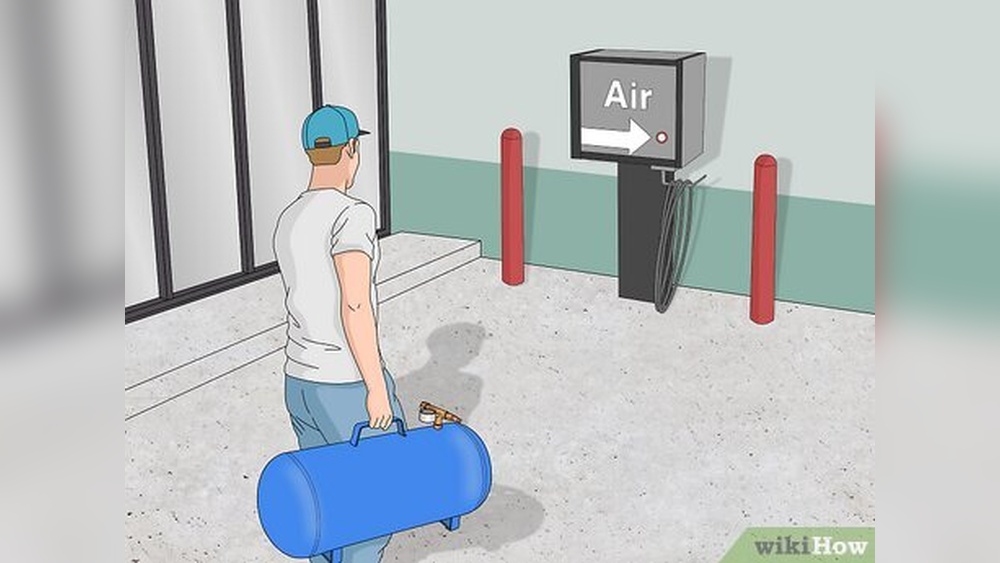
sor will start running, and you will hear the motor as it begins to fill the tank. Watch the pressure gauge—this tells you how much air is inside. Most compressors have two gauges: one for the tank pressure, and one for the pressure going out to your tools.
At this stage, it’s normal for the motor to be a bit loud. Make sure you’re wearing ear protection, especially in small or echoing spaces.
6. Monitor The Fill
Keep an eye on the pressure gauge as the tank fills. You don’t need to do anything except wait, but this is a good time to listen for unusual noises (knocking, rattling) or check for air leaks. If you notice a hissing sound, stop the compressor and inspect all connections.
The compressor will automatically shut off when the tank reaches its preset maximum pressure. This is controlled by the pressure switch. Don’t try to bypass this feature or adjust the maximum pressure beyond what the manual allows—doing so can be dangerous.
7. Check For Leaks
After the compressor stops, listen closely for any hissing sounds around fittings and hoses. A little soapy water brushed on connections can help you spot leaks—bubbles will form where air escapes. If you find leaks, turn off the compressor, unplug it, and tighten or reseal connections using Teflon tape as needed.
8. Connect Your Tool Or Device
With the tank full and no leaks, you can connect your air tool, tire inflator, or other device to the free end of the hose. Set the pressure regulator to match the needs of your tool. For example, many nail guns need 70-90 PSI, while car tires are often inflated to 30-35 PSI.
Always start with the pressure set a bit lower than you think you need, and adjust up slowly. This protects your tools and reduces the chance of blowing out seals or causing damage.
9. Begin Work
Now you’re ready to use your compressor. As you work, the tank pressure will slowly drop. When it falls below a certain point (the “cut-in” pressure), the compressor will turn on again to refill. This cycle repeats as long as you’re using air.
Don’t be alarmed when you hear the motor start and stop—it’s normal. If the compressor runs constantly without shutting off, stop and check for leaks or see if your tools are using more air than your compressor can supply.
Safety Tips For Refilling Air Compressors
Air compressors are powerful machines. Small mistakes can turn into big problems. Here are essential safety habits every owner should know:
1. Never Exceed The Pressure Limit
Always respect the maximum pressure rating for your compressor and your tools. Over-pressurizing can cause hoses to burst or even make the tank fail.
2. Keep Children And Pets Away
The noise and moving parts can be dangerous. Set up your work area where kids or animals cannot reach the compressor.
3. Don’t Ignore Maintenance
Regularly check oil levels, clean or replace air filters, and drain the tank after every use. Neglecting maintenance can lead to reduced performance and a shorter compressor life.
4. Wear Safety Gear
Always use safety glasses and ear protection when working with compressed air. Tiny particles can fly up when using air tools or blowing off dust.
5. Let The Compressor Cool Down
After heavy use, parts of the compressor (like the motor and pump) can get very hot. Allow it to cool before touching or storing.
6. Release Pressure Before Storage
When finished, turn off the compressor and unplug it. Open the drain valve to release remaining pressure and moisture from the tank. This prevents rust and adds years to your machine’s life.
7. Use In Well-ventilated Areas
Compressors make heat and sometimes fumes, especially if oil-lubricated. Don’t run them in small closed rooms.
Pro Insight: Beginners often forget to check the power cord for damage or wear. A frayed or cracked cord can cause shorts or even fires. Replace damaged cords immediately.
Common Mistakes To Avoid
Even experienced users sometimes slip up. Here are problems to watch for:
1. Using The Wrong Attachments
Not all air hoses and fittings are the same. Forcing mismatched fittings can damage the compressor or tools, and cause leaks.
2. Ignoring Moisture In The Tank
Water from the air collects in the tank every time you use the compressor. Leaving water inside causes rust, weakens the tank, and can eventually lead to leaks or a dangerous failure. Make draining the tank a habit after every use.
3. Overtightening Connections
It’s tempting to use pliers or wrenches to make fittings extra tight. But this can strip threads and make leaks worse. Hand-tight plus a quarter turn is usually enough.
4. Not Checking The Pressure Regulator
Some users forget to adjust the regulator for each new tool or task. Using too much pressure can damage tools and workpieces, while too little pressure means tools won’t work properly.
5. Running The Compressor Too Long
Most small compressors are not designed for continuous use. If your compressor feels hot, or the motor never stops running, give it a break to cool down. Overheating can shorten the life of the motor and other parts.
6. Storing With A Full Tank
Leaving compressed air in the tank for days between uses is risky. Pressure can slowly leak out, and moisture inside can rust the tank. Always release air after you’re done.
Pro Tip: If you plan to use your compressor in cold weather, store it indoors when not in use. Cold can cause oil to thicken or water to freeze, damaging internal parts.

Credit: www.youtube.com
Maintenance And Troubleshooting
Keeping your air compressor in good shape isn’t hard, but it does take regular care:
- Check and Change Oil (if needed): Oil-lubricated compressors need regular oil checks. Look for the sight glass or dipstick, and change oil as recommended (usually after every 500-1000 hours of use).
- Clean or Replace Air Filters: Dirty filters make the motor work harder and reduce air quality. Clean or replace as your manual suggests.
- Inspect and Replace Hoses: Look for cracks, brittleness, or leaks. Even a small leak wastes energy and reduces performance.
- Test the Safety Valve: Pull the ring on the safety valve (with the compressor off and tank empty) to make sure it moves freely and air escapes. This valve protects against overpressure.
- Listen for Odd Sounds: New noises often mean something is wrong—loose parts, worn bearings, or a failing motor.
If your compressor fails to build pressure, check for obvious leaks, a clogged intake filter, or a faulty pressure switch. For serious problems, consult your manual or a repair pro. Never open a pressurized tank or try to fix electrical parts unless you know what you’re doing.
For further details on air compressor maintenance, you can visit [Home Depot’s air compressor maintenance guide](https://www.homedepot.com/c/ah/how-to-maintain-an-air-compressor/9ba683603be9fa5395fab901be8e0b8).
Final Thoughts
Refilling an air compressor is not hard, but doing it properly makes all the difference in safety, tool life, and the results you get from your work. Taking a few minutes to inspect, prepare, and follow the steps above saves time and money in the long run.
Most problems happen when people rush or ignore the basics—like draining the tank, checking hoses, or adjusting pressure settings. If you treat your compressor with care, it will give you years of reliable service for all kinds of projects, from simple tire inflation to powering air tools.
Remember, the habits you build now separate a careful owner from someone who risks costly mistakes. With these steps and tips, you’ll refill your air compressor confidently and safely every time.
Credit: www.senwell-booster.com