Using an air compressor to fill tires might sound simple, but there’s more to it than just connecting a hose and letting air flow. Whether you’re dealing with car, bike, or truck tires, the right approach can save time, keep you safe, and even extend the life of your tires.
Many people own or consider buying an air compressor for home or garage use, but they’re often unsure if it’s the right tool for tire inflation. Let’s dive deep into how air compressors work with tires, what you need to know before you start, and how to get the best results every time.
How Air Compressors Work For Tire Inflation
An air compressor takes in outside air, compresses it, and stores it in a tank. When you attach a hose and a tire inflator tool to the valve stem of your tire, the compressed air is released into the tire, increasing its pressure.
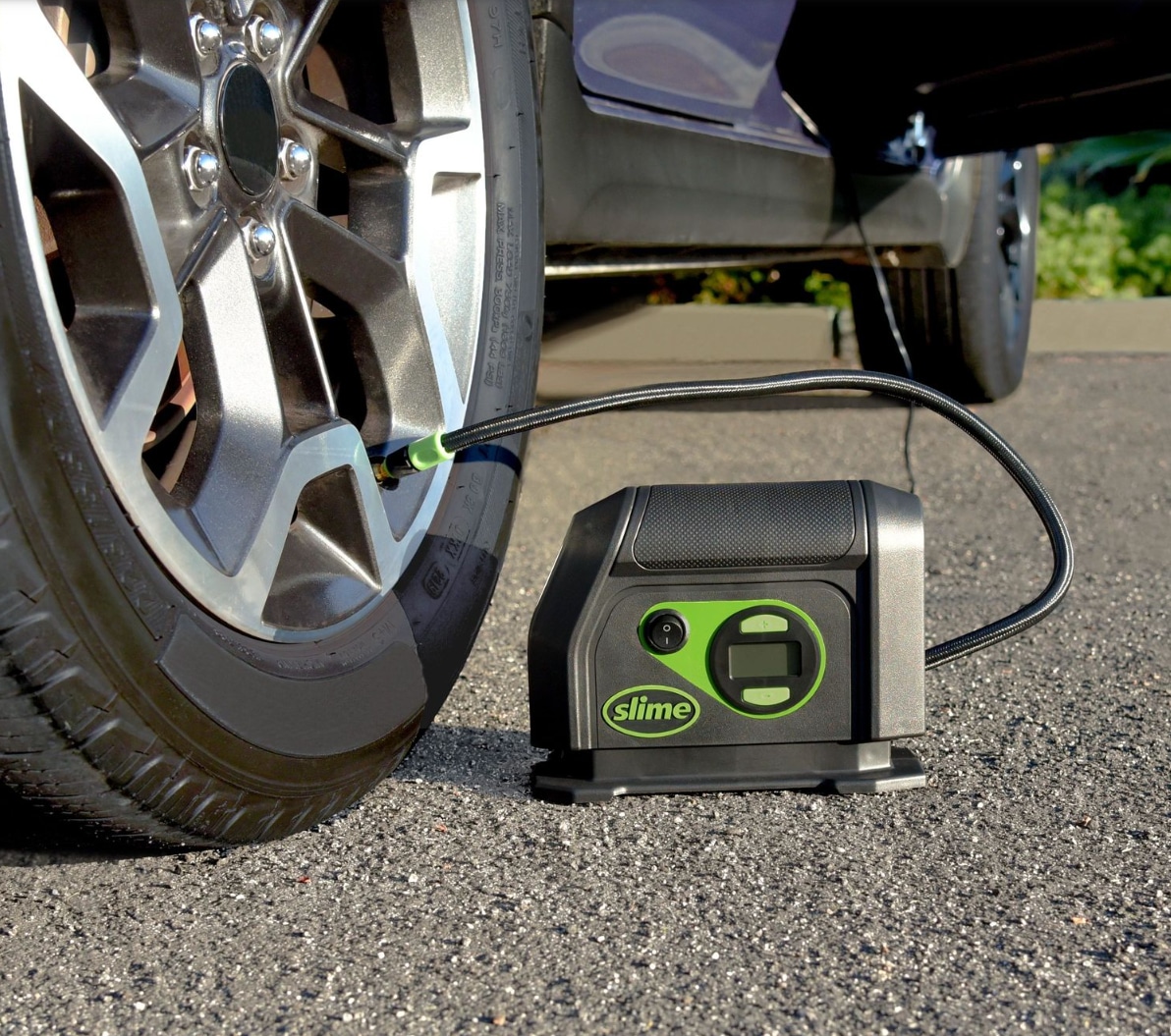
The most common types of air compressors for filling tires are portable electric models. These are small, easy to carry, and plug into a regular wall outlet or a car’s 12V socket. Larger stationary compressors, often found in workshops, are more powerful and can fill tires much faster.
The key number to know is PSI (pounds per square inch), which measures air pressure. Most car tires need between 30 and 35 PSI. Bike tires can range from 40 PSI for mountain bikes to 120 PSI for road bikes. Truck tires might need even more.
Can You Use Any Air Compressor To Fill Tires?
Not every air compressor is equally suitable for the job. Here’s what you need to consider:
Minimum Requirements
- Pressure Output: The compressor must reach at least the recommended PSI for your tire type.
- Air Flow (CFM): Measured in cubic feet per minute, higher CFM means faster inflation. For car tires, a CFM above 1.0 at 90 PSI is sufficient.
- Hose and Attachments: The compressor should have a compatible hose and a tire chuck that fits your valve stem.
Types Of Air Compressors
| Type | Typical PSI Range | Best Use |
|---|---|---|
| 12V Portable Compressor | 35-100 PSI | Emergency car/bike inflation |
| Home Garage Compressor | 90-150 PSI | Car, bike, small truck tires |
| Heavy-Duty Shop Compressor | 100-175 PSI | Trucks, RVs, commercial use |
Key insight: A small compressor can fill a tire, but it may take much longer. For a flat car tire, a low-output model could need 10 minutes or more.
Steps To Safely Fill Tires Using An Air Compressor
Filling a tire with an air compressor is simple but must be done carefully. Here’s a step-by-step guide:
- Check the Required PSI: Look in your car’s owner’s manual or on the tire placard (usually inside the driver’s door).
- Inspect the Tire: If you see damage, don’t try to inflate—get it checked by a professional.
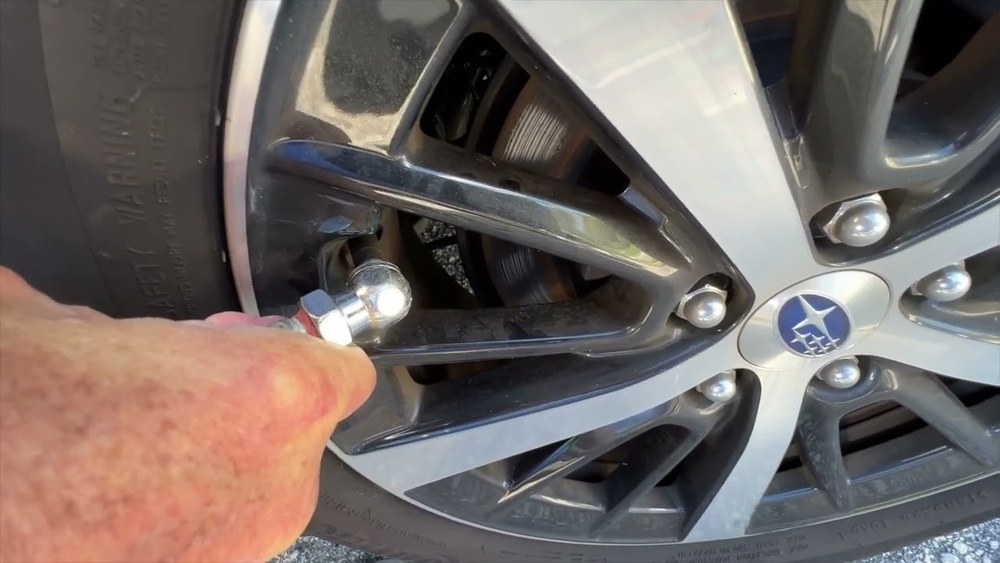
- Connect the Compressor: Attach the hose and the tire chuck to the valve stem. Make sure it’s tight to prevent air leaks.
- Set the Pressure: If your compressor has a regulator, set it to your target PSI.
- Begin Inflation: Turn on the compressor and watch the pressure gauge. Fill in short bursts, checking pressure each time.
- Stop at the Right PSI: Overinflating can be dangerous. Remove the chuck and check with a tire gauge to confirm.
- Replace Valve Cap: This keeps dirt and moisture out.
Pro tip: Always inflate tires when they are cold, as heat can increase pressure readings and lead to under-inflation in real driving conditions.
Advantages Of Using An Air Compressor For Tires
There are several reasons why an air compressor can be a smart choice for tire inflation:
- Speed: Larger compressors can fill a flat tire in less than 2 minutes.
- Convenience: No need to drive to a gas station or wait in line.
- Cost-Effective: After the initial investment, home use is essentially free.
- Versatility: The same tool can power air tools, clean surfaces, or inflate sports gear.
Potential Risks And Mistakes To Avoid
While air compressors are handy, using them wrong can cause problems. Here are common mistakes:
Over-inflation
Filling past the recommended PSI can make tires stiff, reduce grip, and even cause a blowout. This is more common with high-powered compressors.
Under-inflation
Not adding enough air leaves the tire soft, leading to poor handling and higher fuel use. Always check with an accurate gauge.
Wrong Attachments
Using the wrong tire chuck or an old, leaky hose can waste air and give false pressure readings.
Ignoring Compressor Maintenance
Dirty filters or leaking tanks can reduce output and make inflation slow or unsafe.
Non-obvious insight: Tire gauges on compressors can be off by 2-3 PSI. Always check with a reliable, standalone gauge for best accuracy.
Air Compressor Vs. Other Tire Filling Methods
How does using an air compressor compare to other common ways of filling tires?
| Method | Speed | Accuracy | Portability |
|---|---|---|---|
| Air Compressor | Fast (1-5 mins) | High | Good (portable models) |
| Gas Station Pump | Fast (2-5 mins) | Medium | N/A (stationary) |
| Manual Pump | Slow (10+ mins) | Low | Excellent |
| CO2 Inflator | Very fast (seconds) | Medium | Excellent |
Practical advice: For home garages, an air compressor offers the best mix of speed and accuracy, but a manual pump is a good backup for emergencies.
Credit: www.autozone.com
Choosing The Right Air Compressor For Tire Inflation
Not all compressors are created equal. Here’s what to consider when buying:
Psi And Cfm Ratings
- Check your tire’s PSI needs. Most cars need 30-35 PSI, but RVs and trucks may require 80 PSI or more.
- CFM affects how quickly the compressor can fill a tire. For most home use, 1.0-2.0 CFM at 90 PSI is enough.
Portability
If you travel often, look for a compact, 12V compressor that plugs into your car. For home garages, a larger, plug-in model may be more useful.
Duty Cycle
This tells you how long a compressor can run before needing a break. For example, a 50% duty cycle means it can run for 5 minutes, then rest for 5 minutes.
Attachments
Look for a tire chuck, pressure gauge, and a long enough hose to reach your tires easily.
Price Range
Small portable models start around $30, while powerful home units can cost $100 or more.
Maintenance Tips For Compressors And Tires
Proper care extends the life of both your compressor and your tires.
- Drain compressor tank after use to remove water and prevent rust.
- Check hoses and attachments for leaks or cracks.
- Store compressor in a dry place to avoid moisture damage.
- Inspect tire condition monthly for signs of wear or nails.
- Rotate tires as suggested by your vehicle manual.
Hidden insight: Even if you rarely use your compressor, run it every few months to keep seals in good condition.
Real-world Examples
Consider these scenarios:
- Flat Tire at Home: A mid-size compressor can refill a completely flat car tire in 3-5 minutes, saving a tow truck call.
- Road Trip: A 12V portable compressor can quickly add air if you notice low pressure during a trip.
- Bike Enthusiast: Road bikes need high PSI (90-120). A good compressor with an accurate gauge makes prepping for a ride fast and easy.
When Not To Use An Air Compressor
There are times when an air compressor is not the best choice:
- Damaged Tires: Never try to inflate a tire with a big cut, sidewall bubble, or exposed wires.
- Valve Problems: If air leaks out as fast as you fill, there may be a valve or rim issue.
- No Power Source: If you’re far from a plug or your car battery is weak, a manual pump or CO2 inflator is safer.

Credit: www.oreillyauto.com
Environmental Considerations
Air compressors use electricity or a car’s battery. Although they use little power, using them wisely saves energy. Always turn off and unplug after use.
Non-obvious tip: Avoid over-inflating tires “just in case.” Overfilled tires can wear unevenly and reduce braking ability.
Safety Precautions
Using an air compressor is usually safe, but keep these points in mind:
- Wear eye protection if using near dust or debris.
- Keep hands and hair clear of moving parts.
- Do not exceed tire’s maximum PSI under any circumstance.
- Release pressure from the compressor before storing.

Credit: www.youtube.com
Frequently Asked Questions
Can You Fill Any Type Of Tire With An Air Compressor?
Most car, bike, and light truck tires can be filled with the right air compressor. For large commercial tires or those needing very high PSI, you may need a specialized, high-capacity unit.
How Long Does It Take To Inflate A Flat Tire With An Air Compressor?
Time depends on compressor size and tire volume. A small portable model might take 10 minutes, while a garage compressor could do it in 2-3 minutes.
Is It Safe To Use A Portable 12v Air Compressor On The Road?
Yes, most are designed for roadside use. Just be sure your car’s battery is strong, and avoid running the compressor for more than 10 minutes at a time to prevent overheating.
What If The Tire Doesn’t Hold Air After Filling?
This usually means a puncture, valve issue, or damaged rim. Do not keep refilling—visit a tire shop for repair.
Where Can I Learn More About Proper Tire Inflation?
For more detailed information on tire safety and inflation, visit the National Highway Traffic Safety Administration.
Using an air compressor to fill tires is not only possible—it’s a practical solution for most drivers and cyclists. With the right equipment, proper technique, and a bit of attention to detail, you can keep your tires in top shape, save money, and stay safer on the road.
Remember, accurate pressure is key, and regular checks will extend tire life. Take the time to learn your compressor, and you’ll be ready for anything the road throws at you.