
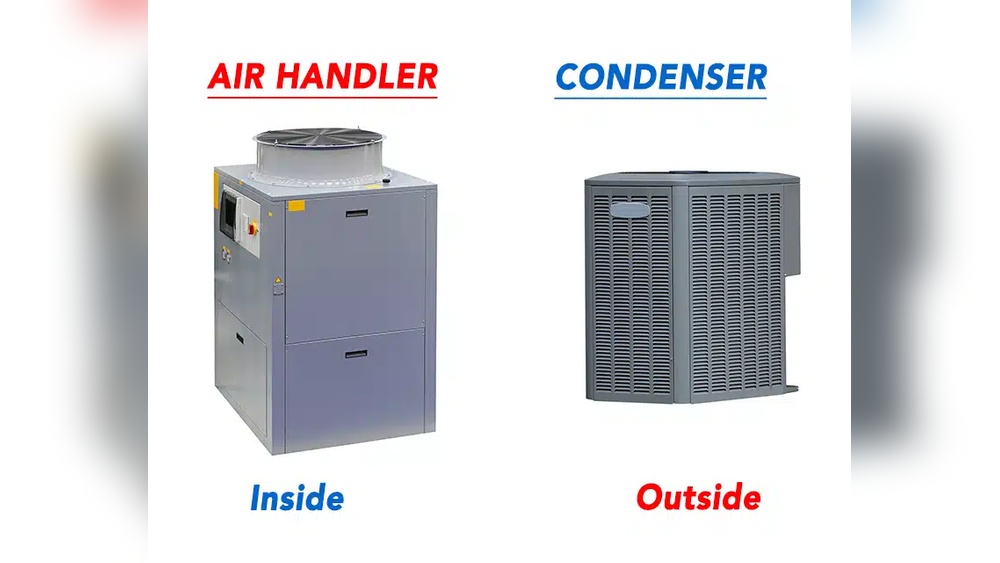
When you start learning about air conditioning or heating systems, you will quickly see two terms: air handler and compressor. At first, these words may sound confusing. Are they the same thing? Do they do similar jobs? Or do you need both? Understanding the difference is important, especially if you want to make good decisions about your home’s HVAC (heating, ventilation, and air conditioning) system. Let’s look deeper into what each part does, how they connect, and what matters when choosing or maintaining them.
What Is An Air Handler?
An air handler is a major part of your HVAC system, especially in homes with central heating and cooling. Its main job is to move air through your house. The air handler pulls air from inside your rooms, pushes it across cooling or heating coils, and then sends it back into the living spaces. This is how your home stays cool in summer and warm in winter.
Most air handlers have these parts:
- Blower: A fan that moves air through the ducts.
- Evaporator coil: This part cools or heats the air as it passes over.
- Air filter: Captures dust, pollen, and other particles.
- Control board: Manages the blower and other parts.
Air handlers are usually placed inside, often in the attic, basement, or a closet. In simple terms, the air handler is the part you feel working because it is responsible for the flow of air you feel coming from the vents.
What Is A Compressor?
The compressor is another critical part of the cooling system, but its role is very different. The compressor is usually outside your home, inside the outdoor unit of your air conditioner or heat pump. It is often called the “heart” of the system.
Here is what the compressor does:
- It takes in refrigerant (a special cooling fluid) in a low-pressure gas form.
- It squeezes (compresses) the gas, making it a high-pressure, high-temperature gas.
- This hot, high-pressure gas is then moved to the condenser coil, where it releases heat to the outside air.
The compressor doesn’t move air; it moves refrigerant. It is essential for the cooling process, as it helps remove heat from inside your home and sends it outside.

Credit: thefurnaceoutlet.com
How Air Handler And Compressor Work Together
Even though the air handler and compressor do different jobs, they work as a team. The compressor moves refrigerant through the system, pulling heat from your indoor air. The air handler moves that indoor air across the cold coil (filled with refrigerant) to cool it down. Then, the blower sends the cooled air back into your rooms.
Without the compressor, the refrigerant would not flow, and the air handler would just move warm air around. Without the air handler, there would be no air moving across the coil, so your rooms would not get cool.
Key Differences: Air Handler Vs Compressor
Let’s make the differences very clear with a side-by-side view.
| Feature | Air Handler | Compressor |
|---|---|---|
| Main Function | Moves and circulates air | Pumps refrigerant and compresses it |
| Location | Inside (attic, closet, basement) | Outside (outdoor unit) |
| Visible to Homeowner | Usually hidden inside | Outdoor box—easily seen |
| Direct Impact | Airflow in rooms | Removes heat from home |
| Key Parts | Blower, coil, filter, controls | Pump, motor, valves |
| Typical Issues | Weak airflow, dirty filters | Loud noise, not cooling |
Air Handler: Types And Features
Air handlers are not all the same. There are different types, and each has features for specific needs.
Types Of Air Handlers
- Single-speed: The blower runs at one speed. Simple and cheaper, but less energy-efficient.
- Variable-speed: The blower can adjust speed, using less energy and keeping temperatures more stable.
- Hydronic air handler: Uses hot water from a boiler instead of electric heat. Good for colder climates.
Key Features
- Filter options: Some air handlers allow for better filters, which help with allergies.
- Humidity control: Advanced models can manage indoor humidity, making your home feel more comfortable.
- Smart controls: Newer units can connect to smart thermostats for better energy savings.
Non-obvious Insight
Many people think the air handler is just a “fan,” but the type of blower (single or variable speed) can make a big difference in comfort and electric bills. Variable-speed models are quieter and keep temperatures more even, especially in homes with many rooms.
Compressor: Types And What Matters
The compressor is a tough worker. Different types are used for different needs and budgets.
Types Of Compressors
- Reciprocating: Works like a piston engine. Reliable, but can be noisy.
- Scroll: Uses two spiral-shaped parts. Quieter and more efficient than reciprocating.
- Rotary: Found in smaller systems. Compact and less noisy.
- Variable-speed (inverter): Can change speed to match cooling needs, saving energy and reducing wear.
Important Features
- Sound level: Some compressors are much quieter than others.
- Energy efficiency: Variable-speed compressors often have higher SEER ratings (Seasonal Energy Efficiency Ratio).
- Durability: Compressors often have a 10-year warranty if properly maintained.
Non-obvious Insight
Many buyers focus only on the SEER rating. But the type of compressor (especially variable-speed) can cut energy use by up to 30% compared to single-speed models, and they also keep temperatures more stable.
Credit: www.reddit.com
Choosing The Right Air Handler Or Compressor
When you need to replace or buy a new air handler or compressor, what matters most? Here are some points to consider:
Factors To Think About
- System compatibility: The air handler and compressor must match. Mismatched parts can lower efficiency and cause breakdowns.
- Home size: A bigger home may need a larger blower and a more powerful compressor.
- Climate: If you live in a humid area, get an air handler with good humidity control.
- Noise level: If the outdoor unit is near a bedroom, a quiet compressor is important.
- Budget: Variable-speed models cost more up front, but save money over time.
Common Mistakes
- Mixing old and new parts: Replacing just the compressor or just the air handler can cause problems if they are not designed to work together.
- Ignoring airflow: Sometimes a “bad” air handler is really just a dirty filter or blocked duct.
- Over- or under-sizing: Bigger is not always better. A unit that’s too large or small will waste energy and wear out faster.
Maintenance: Keeping Both Parts Healthy
Both the air handler and compressor need regular care. Here’s what you should do:
Air Handler Maintenance
- Change the air filter every 1–3 months.
- Clean the evaporator coil yearly to keep airflow strong.
- Check the blower motor for dust and noise.
- Make sure the drain line is clear (avoids water leaks).
Compressor Maintenance
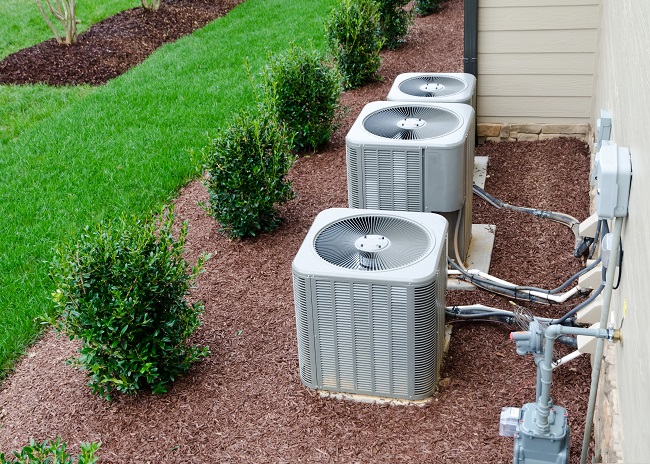
- Keep the outdoor unit free from leaves, dirt, and plants.
- Have a technician check the refrigerant level once a year.
- Listen for strange noises—clicks, bangs, or humming mean trouble.
- Don’t cover the outdoor unit tightly in winter; moisture can build up and cause rust.
Data: Maintenance Impact
Regular maintenance can lower energy costs by 15–20% and add years to the life of your HVAC system. Neglecting either part often leads to expensive emergency repairs.
Credit: www.tricountyheatandair.com
Repair Or Replace? When To Make The Call
Even with good care, air handlers and compressors do not last forever. Here’s how long you can expect each part to work:
| Component | Typical Lifespan | Common Failure Signs |
|---|---|---|
| Air Handler | 12–15 years | Weak airflow, odd smells, motor noise |
| Compressor | 10–15 years | No cooling, tripping breaker, loud noise |
When To Repair
- The unit is less than 8 years old.
- The fix is less than one-third the price of a new unit.
- The rest of the system is still in good shape.
When To Replace
- The part is near or past its average lifespan.
- Repairs are frequent or cost more than half of a new unit.
- Energy bills are climbing without explanation.
A useful rule: If both the air handler and compressor are old, replacing both together ensures better performance and efficiency.
Real-world Example: Typical Home Setup
Let’s look at a common setup. In a central air conditioning system:
- The air handler sits in a hallway closet. It pulls warm air from the house, pushes it across the cold evaporator coil, and sends cool air through ducts.
- The compressor is outside. It pumps refrigerant and releases the heat pulled from inside the house to the outdoors.
If the compressor fails, the air handler still blows air, but it will not be cool. If the air handler stops, the compressor will run, but no air moves into the rooms. Both parts must work for your home to stay comfortable.
Energy Efficiency: Why It Matters
Energy use is a major cost in any home. A more efficient air handler and compressor can reduce electric bills and help the environment.
- SEER rating measures cooling efficiency. Higher SEER means less electricity used.
- Variable-speed compressors and blowers use less energy than single-speed models.
- Proper maintenance keeps units running at top efficiency.
In many countries, new laws require a minimum SEER rating for new systems. For example, in the U. S. , the minimum is now 14 SEER in many states. Upgrading from an old 10 SEER unit to a new 16 SEER unit can cut cooling costs by about 37%.
Cost Comparison: Air Handler Vs Compressor
Prices can vary a lot based on brand, size, and features.
| Component | Average Cost (USD) | Installed Cost |
|---|---|---|
| Air Handler | $1,200 – $2,400 | $2,000 – $3,500 |
| Compressor | $800 – $2,200 | $1,600 – $3,000 |
Remember: The total price depends on your location, system size, and labor costs. Always get at least two quotes before making a decision.
Final Thoughts
Choosing between an air handler and a compressor is not really the right question. Both parts are essential, but they do very different jobs. The air handler moves air inside; the compressor moves refrigerant and removes heat. If you want your home comfortable, energy bills low, and repairs rare, you need both working together, matched in size and type, and maintained regularly.
If you ever need professional advice or repair, always talk to a certified HVAC expert. They can check both parts, suggest upgrades, and help you avoid costly mistakes. For more in-depth technical details, see this guide from Wikipedia.
Frequently Asked Questions
What Happens If Only The Air Handler Is Working But Not The Compressor?
If only the air handler works, it will move air through your house, but it cannot cool or heat the air. You will feel air coming from the vents, but it will be room temperature, not cool or warm.
Can I Replace Just The Compressor Or Air Handler?
Yes, but both parts must match in size and type for top efficiency. Mismatched parts can lower performance and may cause damage. Often, replacing both is better if your system is old.
How Do I Know If My Compressor Is Failing?
Common signs of a failing compressor include loud noises from the outdoor unit, the air conditioner not cooling, or the circuit breaker tripping. Call a professional to check before replacing the unit.
Is An Air Handler The Same As A Furnace?
No. An air handler moves air for both heating and cooling, usually with an electric coil or paired with a heat pump. A furnace burns fuel (gas or oil) to create heat and has its own blower.
How Can I Make My Hvac System Last Longer?
Change air filters regularly, keep the outdoor unit clean, get yearly professional checkups, and fix problems quickly. Good maintenance can add years to both your air handler and compressor.