Choosing between an air compressor and a pressure washer can be confusing, especially for those new to power tools or home improvement. These two machines often look similar and both use pressurized force, but their uses, power, and results are very different. Understanding the differences helps you pick the right tool, avoid mistakes, and save money. If you want to clean your driveway, inflate tires, or run power tools, you need to know which machine fits your task. Let’s look closely at what makes air compressors and pressure washers unique, how they work, and when you should use one over the other.
What Is An Air Compressor?
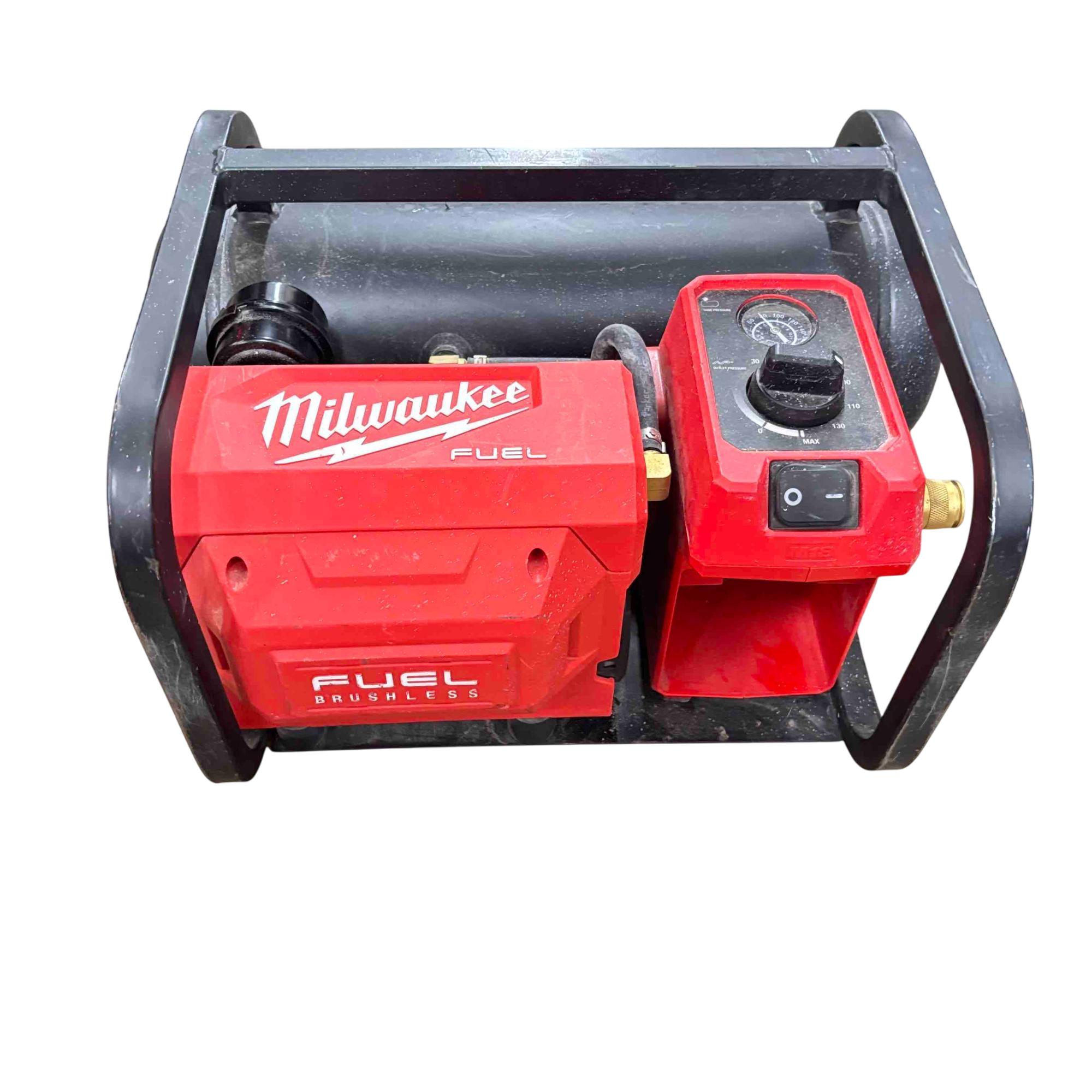
An air compressor is a machine that takes air from the environment and compresses it into a small space, increasing the air’s pressure. This pressurized air can then be released for many uses, from inflating tires to powering tools like nail guns, paint sprayers, or impact wrenches.
Air compressors come in many sizes, from small portable models for home use to large industrial units. They are common in workshops, garages, and factories.
Key Features
- Pressure rating: Measured in PSI (pounds per square inch), usually ranges from 90 to 175 PSI for home models.
- Airflow: Measured in CFM (cubic feet per minute). Determines how much air the compressor can provide.
- Tank size: Larger tanks hold more air, which lets you work longer before the compressor turns on again.
Main Uses
- Inflating tires, balls, or air mattresses
- Powering tools: Nail guns, sanders, paint sprayers
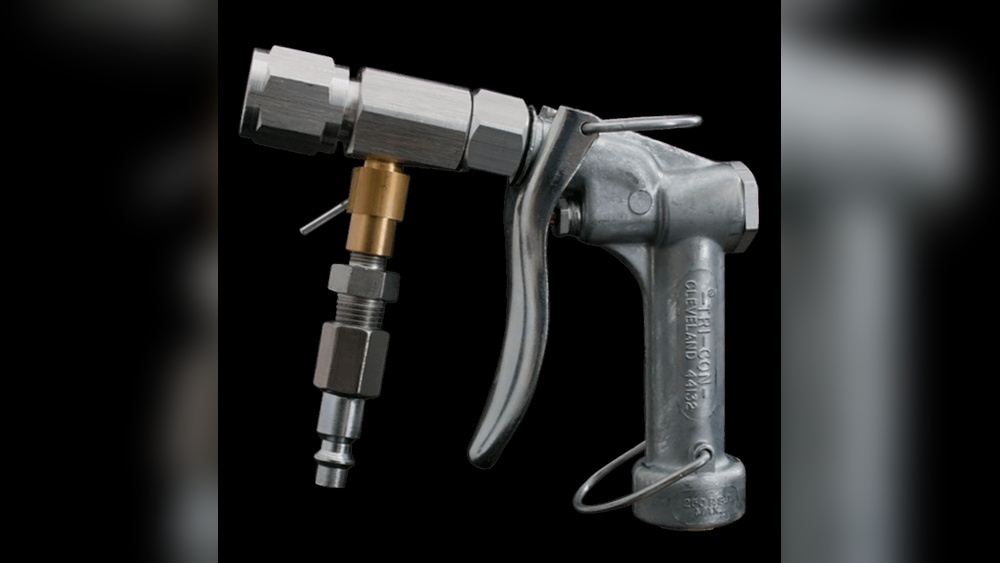
- Cleaning dust or debris from surfaces (with an air blow gun)
- Operating pneumatic machinery
Example
A car repair shop uses an air compressor to run impact wrenches and inflate tires. A home user might use a small compressor for spray painting or blowing leaves from a garage.
What Is A Pressure Washer?
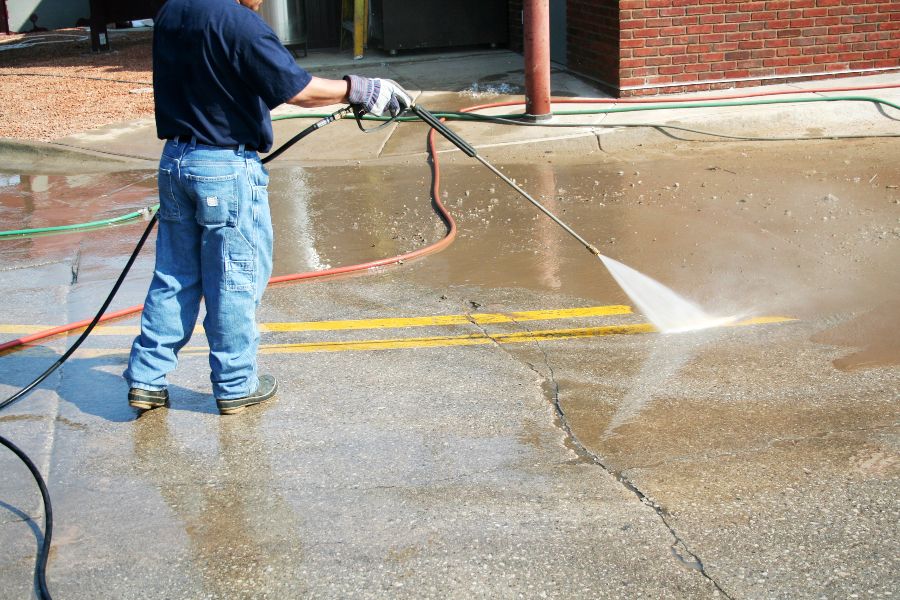
A pressure washer is designed to spray water at high pressure. It uses a pump powered by electricity or gasoline to push water through a hose and nozzle. The strong water jet removes dirt, mold, grime, and old paint from surfaces.
Pressure washers are popular for cleaning outdoor areas, vehicles, and equipment. They are not meant to power tools or inflate objects.
Key Features
- Pressure rating: Measured in PSI, often between 1,300 and 4,000 PSI depending on the model.
- Water flow: Measured in GPM (gallons per minute). Higher flow means more cleaning power.
- Nozzle types: Different nozzles create different spray patterns for various tasks.
Main Uses
- Cleaning driveways, patios, decks, and fences
- Washing cars, boats, or bikes
- Removing mold, mildew, or old paint from surfaces
- Cleaning siding or brick walls
Example
A homeowner uses a pressure washer to clean a dirty driveway or wash mud off a truck after off-road driving.
Credit: excellentexteriorsva.com
Core Differences: Air Compressor Vs Pressure Washer
While both machines use pressure, they handle different materials and tasks. Here’s a comparison:
| Feature | Air Compressor | Pressure Washer |
|---|---|---|
| Material Used | Air | Water |
| Main Purpose | Powering tools, inflating, cleaning with air | High-pressure cleaning with water |
| Pressure Range | 90–175 PSI (home models) | 1,300–4,000 PSI |
| Common Locations | Garages, workshops | Outdoor cleaning, home exteriors |
Key insight: Air compressors can never replace pressure washers for cleaning tough dirt, and pressure washers cannot power tools or inflate objects.
How Each Machine Works
Air Compressor
An air compressor has an electric or gas motor that draws air into a tank. The air is squeezed (compressed) into a small space, raising its pressure. When you connect a tool (like a paint sprayer), the compressed air is released through a hose.
- Motor: Powers the pump.
- Pump: Compresses the air.
- Tank: Stores compressed air until needed.
- Pressure switch: Controls when the motor turns on/off.
Pressure Washer
A pressure washer connects to a water source (like a garden hose). The motor powers a pump, which increases the water pressure. The pressurized water flows out of a hose and nozzle, producing a strong jet that blasts away dirt.
- Motor: Electric or gas-powered.
- Pump: Raises water pressure.
- Hose: Delivers water to the spray gun.
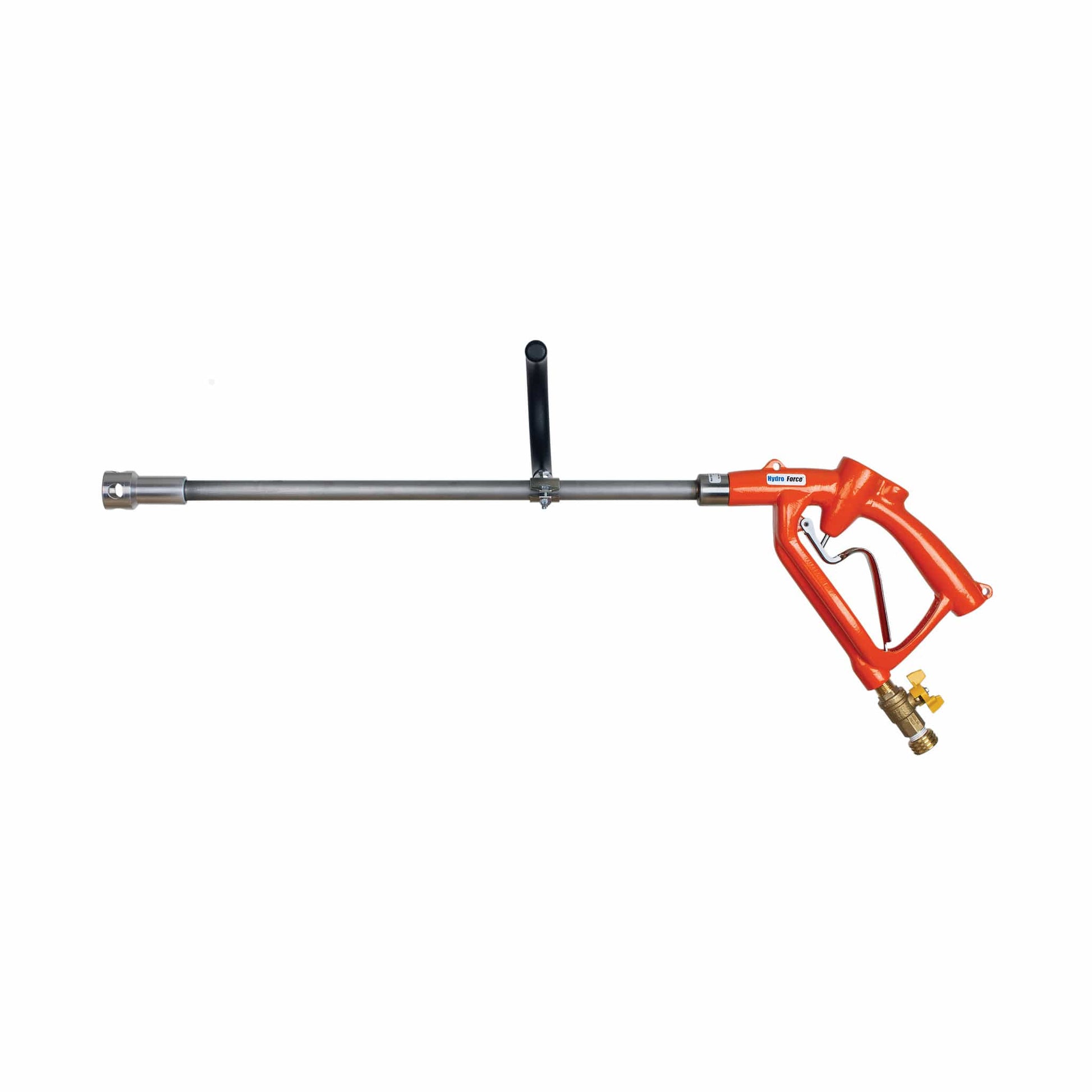
- Nozzle: Controls spray pattern and intensity.
Non-obvious tip: Never run a pressure washer without water in the pump. Doing so can destroy the pump in seconds.
Power And Performance: Direct Comparison
Power is measured differently for each machine.
- Air compressors use PSI and CFM. PSI is how much pressure the air has; CFM is how much air is delivered per minute.
- Pressure washers use PSI and GPM. PSI is the water pressure; GPM is how much water is delivered per minute.
Here’s a look at typical numbers:
| Application | Air Compressor Requirement | Pressure Washer Requirement |
|---|---|---|
| Home use (basic) | 90–110 PSI, 2–3 CFM | 1,300–1,800 PSI, 1.2–1.5 GPM |
| Heavy-duty (professional) | 150–175 PSI, 5–10 CFM | 2,800–4,000 PSI, 2.5–4.0 GPM |
Tasks You Can And Cannot Do
It’s a mistake to think you can swap one tool for the other. Here’s what each does best:
Air Compressor
- Can do: Inflate tires, power pneumatic tools, blow dust, paint spraying
- Cannot do: Deep cleaning of driveways, remove stuck mud, strip paint from walls
Pressure Washer
- Can do: Clean concrete, wash vehicles, remove mildew, clean outdoor furniture
- Cannot do: Inflate tires, run air tools, spray paint (without special attachments)
Important insight: Trying to use an air compressor for washing will only blow dust, not remove stuck-on grime. Using a pressure washer to inflate objects is dangerous and will destroy them.
Credit: guardair.com
Costs: Purchase, Running, And Maintenance
Purchase Price
Air compressors:
- Small home models: $80–$250
- Mid-size garage models: $300–$600
- Large professional units: $800+
Pressure washers:
- Electric (light duty): $100–$250
- Gas (medium duty): $300–$600
- Professional (heavy duty): $800–$2,000
Operating Costs
- Air compressors use less water but more electricity if used for long periods.
- Pressure washers use more water and may need special cleaners.
- Gas models (of either) cost more to run than electric.
Maintenance
- Air compressors need oil changes (for oiled models), filter cleaning, and draining the tank.
- Pressure washers need nozzle cleaning, pump care, and regular inspection for leaks.
Non-obvious insight: Storing a pressure washer with water inside the pump can cause freezing and cracking in cold weather. Always empty the pump after use.
Safety Factors
- Air compressors: Risk of flying debris from high-pressure air. Always wear eye protection.
- Pressure washers: The water jet can cut skin or damage surfaces. Never point at people or pets.
Both tools can be dangerous if misused. Read manuals and use safety gear.
Which Is Easier To Use?
- Air compressors are easier for beginners, especially for inflating or simple tools.
- Pressure washers require careful handling, nozzle selection, and understanding of surfaces to avoid damage.
Environmental Impact
- Air compressors use air and electricity, with little direct pollution.
- Pressure washers use a lot of water. Some use detergents that can enter the environment.
If water conservation is important, limit pressure washer use or collect and treat runoff water.
When To Choose An Air Compressor
Pick an air compressor if you:
- Need to power pneumatic tools (nail guns, wrenches, sprayers)
- Inflate tires, sports equipment, or air mattresses
- Want to dust or blow out machinery
They are best for indoor use or where water is not practical.
When To Choose A Pressure Washer
Choose a pressure washer if you:
- Need to clean hard, dirty, or large outdoor surfaces
- Remove mold, algae, or flaking paint from walls and decks
- Wash vehicles, driveways, or garden equipment
They are best for outdoor cleaning and jobs where water won’t cause damage.
Credit: www.pawnamerica.com
Common Mistakes To Avoid
- Using the wrong tool for the job: Don’t try to clean oil stains from concrete with an air compressor.
- Ignoring maintenance: Forgetting to drain water from a compressor tank can cause rust; not cleaning pressure washer nozzles reduces cleaning power.
- Overpowering surfaces: Using a high PSI pressure washer on soft wood can cause permanent damage.
- Mixing up hoses and connectors: Air compressor hoses are not made for water; pressure washer hoses are not designed for air.
Practical Buying Tips
- Check your main use before buying. If you only need to clean, a pressure washer is the better choice.
- For powering a variety of tools, buy an air compressor with enough CFM for your needs.
- Choose electric models for indoor or small jobs; gas models for mobility and heavy-duty work.
- Always consider storage space—pressure washers are often bulkier.
For more in-depth technical details, you can visit this Wikipedia article on air compressors.
Frequently Asked Questions
What Happens If I Use A Pressure Washer To Inflate Tires?
Never do this. A pressure washer sprays water at very high pressure, which can destroy the tire and cause injury. Only use an air compressor for inflating tires.
Can I Use An Air Compressor To Clean My Driveway?
An air compressor can only blow away loose dust or leaves. It cannot clean stains, mud, or moss. For deep cleaning, you need a pressure washer.
Which Is More Portable, An Air Compressor Or A Pressure Washer?
Small air compressors are lighter and easier to carry. Pressure washers, especially gas models, are heavier and less portable. However, both are available in portable versions.
Are Electric Or Gas Models Better?
Electric models are quieter and need less maintenance, but are limited by power cord length. Gas models are more powerful and mobile, but noisier and need more care. Choose based on your work location and power needs.
Can I Convert My Air Compressor Into A Pressure Washer?
No. The two machines are built for different purposes. Some adapters claim to turn compressors into washers, but they do not deliver the required water pressure for cleaning. It’s better to use the right tool for each job.
Final Thoughts
Understanding the air compressor vs pressure washer debate saves you time, money, and frustration. They are not interchangeable, and each is designed for a specific set of tasks. Make your choice based on your main needs, and always use each tool safely. Invest in the right machine, and you’ll see better results and a longer life for your equipment.