When you need compressed air for tools, painting, or industrial machines, the type of air compressor you choose matters a lot. One of the biggest decisions is between a 2 cylinder and a 3 cylinder air compressor. To someone new, these numbers may seem like simple specs, but they greatly affect performance, efficiency, and cost. If you’re thinking about investing in a new compressor, or just want to understand the differences, this guide will make things clear, even if English isn’t your first language.
What Does “cylinder” Mean In Air Compressors?
Every air compressor works by taking in air and squeezing it into a smaller space—this is called compression. The cylinder is the part where this happens. The number of cylinders means how many chambers are working to compress air. More cylinders usually mean more complex machines, but also higher performance.
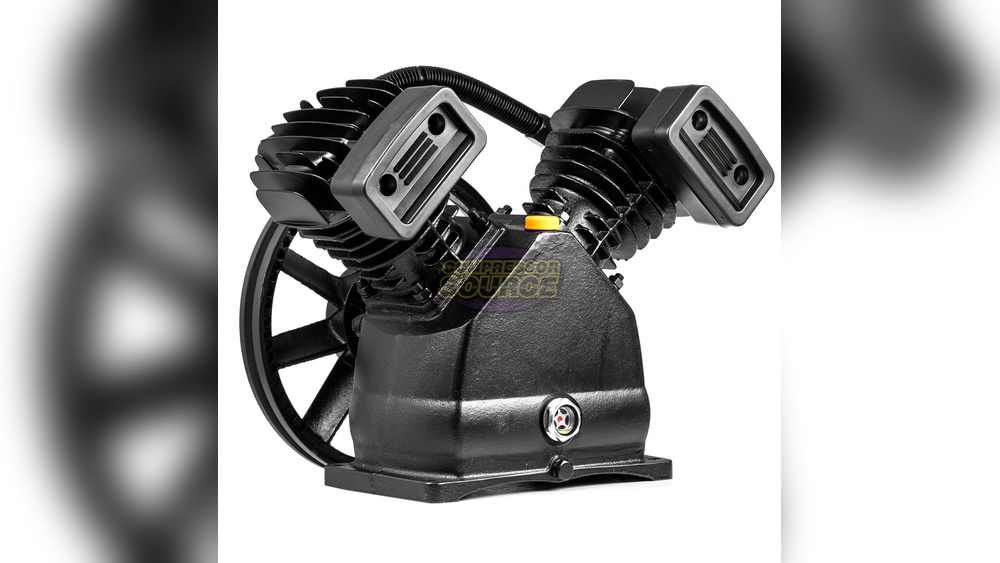
- 2 cylinder compressors: These have two chambers compressing air. They are often used in medium-duty settings.
- 3 cylinder compressors: These have three chambers and are often used for more demanding work.
But the real differences go deeper than just an extra cylinder.
How 2 Cylinder Air Compressors Work
A 2 cylinder air compressor usually uses a system called two-stage compression. Here’s how it works:
- The first cylinder (low pressure) takes in outside air and compresses it to a medium pressure.
- The air is then sent to the second cylinder (high pressure), where it is compressed even more.
- The compressed air is cooled and stored in the tank, ready to use.
This design helps the machine reach higher pressures and handle bigger jobs than a single cylinder compressor, while still keeping the cost and size reasonable.
How 3 Cylinder Air Compressors Work
A 3 cylinder compressor often uses three-stage compression. The process is similar, but with an extra step:
- The first cylinder compresses the air a little.
- The second cylinder compresses it more.
- The third cylinder raises the pressure even higher.
- Between each stage, the air is cooled down before moving to the next cylinder. This makes the whole process more efficient and less stressful for the machine.
This setup is usually found in heavy industrial settings where very high pressure and continuous use are needed.
Performance: Power And Pressure
Maximum Pressure And Flow Rate
- 2 cylinder compressors can usually reach pressures between 100 and 175 PSI (pounds per square inch). Their airflow (measured in CFM, or cubic feet per minute) often ranges from 10 to 20 CFM.
- 3 cylinder compressors can easily reach pressures of 200 PSI or more, and airflow might be 20 to 50 CFM or even higher.
This means a 2 cylinder model is great for car shops, small factories, or construction. A 3 cylinder is better for large factories or places where many tools run at once.
Continuous Use
A key difference is how long each type can run without stopping. Three cylinders spread the work, so each part does less at once. This means:
- 3 cylinder compressors can run longer without overheating.
- 2 cylinder compressors may need to rest more often to cool down, especially at higher pressures.
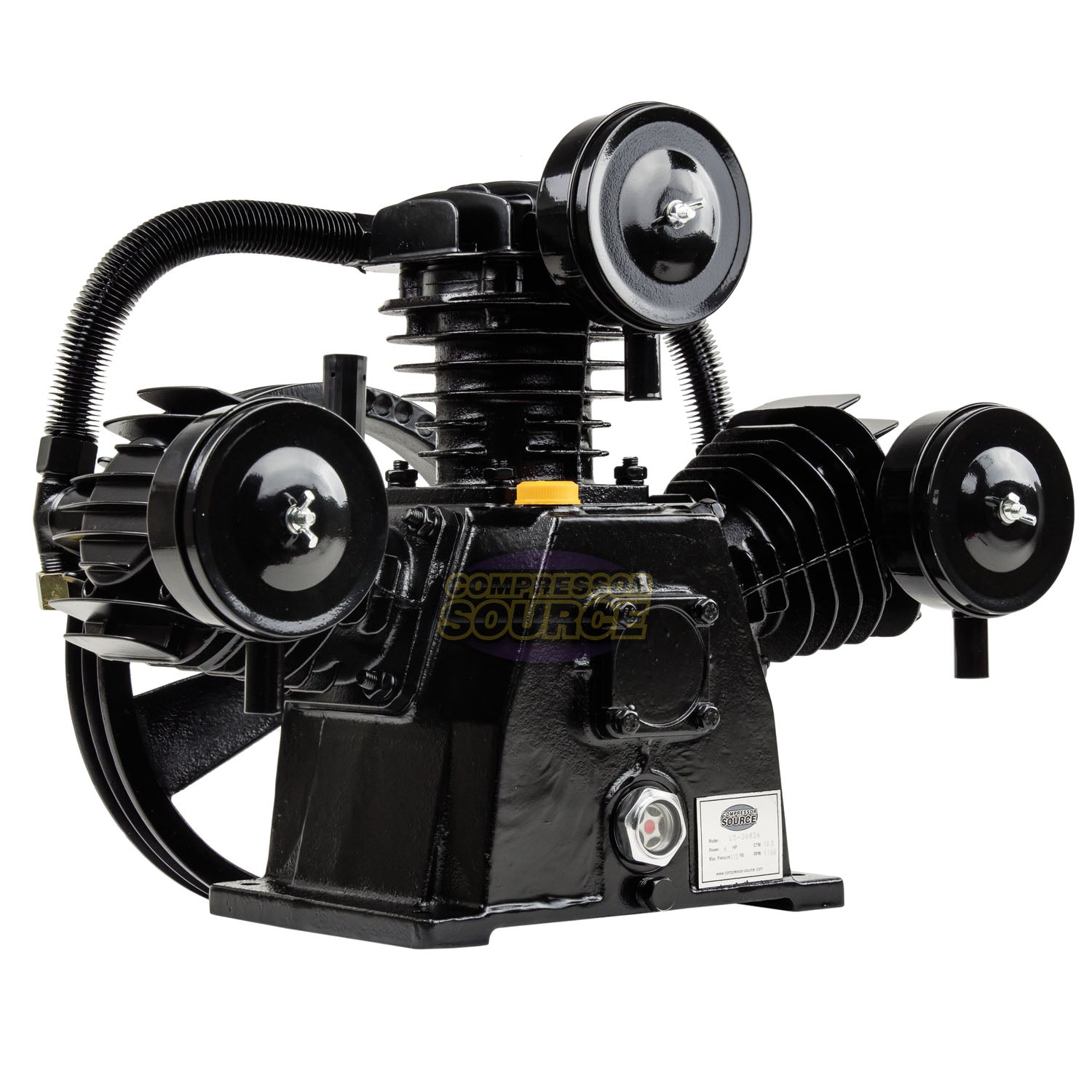
Credit: compressor-source.com
Efficiency And Energy Use
The more stages and cylinders an air compressor has, the more efficient it can be—if you really need that much air. Here’s why:
- 3 stage (3 cylinder) compressors cool the air between each stage. Cooler air compresses easier, so less energy is wasted.
- 2 stage (2 cylinder) compressors are still efficient, but a bit less so at very high pressures.
But if you only need medium pressure and don’t use air all day, the extra efficiency of a 3 cylinder model might not save you much money. In fact, you could end up spending more on a bigger machine than you need.
Space, Size, And Portability
- 2 cylinder compressors are usually smaller and lighter. Many models are even portable and can fit in a small workshop or garage.
- 3 cylinder compressors are larger, heavier, and often need to be installed in one place. They take up more space and are harder to move.
If your workspace is tight or you need to move your compressor around, a 2 cylinder option is often better.
Cost: Buying And Operating
Initial Price
- 2 cylinder compressors are less expensive. A good quality model might cost $400–$1,500, depending on size and brand.
- 3 cylinder compressors are much pricier, often $2,000–$10,000 or more.
Maintenance And Parts
- 2 cylinder units are simpler. Fewer parts mean less can go wrong, and repairs are usually cheaper.
- 3 cylinder units have more moving parts and need more care. If something breaks, repairs can be expensive.
Operating Costs
- 3 cylinder compressors may use less electricity for the same high-pressure job. But if you don’t need high pressure, you’re paying for extra power you won’t use.
Noise And Vibration
One thing many beginners miss is that more cylinders often mean smoother operation. Here’s why:
- 3 cylinder compressors often run with less vibration. The work is shared more evenly, so the machine shakes less and is sometimes quieter.
- 2 cylinder compressors may make more noise and vibrate more, especially at higher speeds.
However, both types can be noisy. If sound is a concern, look for models with special noise-reducing features, or plan to install your compressor in a separate room.
Common Applications: Where Each Type Fits Best
2 Cylinder Air Compressors
- Automotive workshops: For tire inflation, air tools, and paint spraying.
- Small factories: Running a few machines at once.
- Construction sites: Portable models for nail guns, drills, and other tools.
- DIY/home garages: For people who want more power than a single cylinder, but don’t need an industrial unit.
3 Cylinder Air Compressors
- Manufacturing plants: Where many machines run all day and need high pressure.
- Textile industry: For continuous, high-demand air use.
- Large automotive plants: Multiple paint booths and assembly lines.
- Power plants and mining: Where extreme reliability and high output are critical.
Comparison Table: Key Specs
To help you see the differences at a glance, here’s a side-by-side comparison.
| Feature | 2 Cylinder Compressor | 3 Cylinder Compressor |
|---|---|---|
| Max Pressure (PSI) | 100–175 | 200+ |
| Airflow (CFM) | 10–20 | 20–50+ |
| Portability | Portable to stationary | Stationary |
| Typical Cost | $400–$1,500 | $2,000–$10,000+ |
| Noise Level | Moderate to high | Lower (per power) |
| Best For | Workshops, small factories | Heavy industry, big plants |

Credit: eatoncompressor.com
Detailed Pros And Cons
Understanding the strengths and weaknesses of each type will help you make the right choice.
2 Cylinder Compressor
Pros:
- More affordable
- Easier to move and install
- Good for most small and medium jobs
- Simpler maintenance
Cons:
- Can’t reach very high pressures
- Less efficient at maximum output
- May overheat with continuous use
3 Cylinder Compressor
Pros:
- Handles very high pressure and big air needs
- Runs smoother and cooler for long periods
- Better energy efficiency at high pressure
Cons:
- Expensive to buy and repair
- Larger and heavier
- Overkill for small jobs
Choosing The Right Compressor: What Really Matters
Before you decide, ask yourself:
- What will you use it for? If you only need air for basic tools or short jobs, a 2 cylinder is often enough.
- How much air do you need? Check the CFM and PSI your tools require. Add up the total if you’ll run more than one at once.
- How often will it run? For nonstop, all-day use, a 3 cylinder model is more reliable.
- What is your budget? Don’t buy more power than you need—extra cylinders mean extra cost.
- Do you have space? Make sure you have enough room for a larger, heavier machine if you choose a 3 cylinder.
A common beginner mistake is buying a bigger compressor than needed, thinking “more is always better. ” This can waste money and space. Another mistake is ignoring the power needs of your tools, which can lead to frustration if your compressor can’t keep up.

Credit: www.northerntool.com
Maintenance And Longevity
Keeping your air compressor in good shape is key for long life and performance. Both 2 and 3 cylinder types need basic care:
- Change the oil regularly (for oil-lubricated models)
- Check and replace air filters
- Drain the tank to prevent rust
- Inspect belts, hoses, and connections
But remember, 3 cylinder compressors may need more frequent checks because of extra parts. If you skip maintenance, even the best machine will break down early.
Real-world Example: Workshop Vs. Factory
Imagine a car repair workshop. They run air tools, fill tires, and sometimes spray paint. A 2 cylinder compressor is perfect: enough power, affordable, easy to fit in the shop.
Now think of a textile factory. Dozens of machines run all day, and any downtime costs a lot. Here, a 3 cylinder compressor is the smart choice. It delivers high pressure, works all day, and helps avoid costly breakdowns.
Key Differences At A Glance
Here’s a quick summary to help you remember:
| Category | 2 Cylinder | 3 Cylinder |
|---|---|---|
| Pressure | Medium | High |
| Air Demand | Moderate | Heavy |
| Portability | Often portable | Stationary only |
| Price | Lower | Higher |
| Use Case | Shops, home, light industry | Big industry, 24/7 use |
Two Insights Beginners Often Miss
- Efficiency isn’t always about more cylinders. If you don’t need high pressure, a 2 cylinder model can actually be more efficient and cheaper to run for your needs.
- Duty cycle matters. This is how long a compressor can run before resting. Three cylinder models have longer duty cycles, but if you’re only working in short bursts, you won’t benefit much.
One Useful Resource
For more technical details on compressor types and their industrial uses, you can visit the Wikipedia Air Compressor Page.
Frequently Asked Questions
What Is The Main Difference Between 2 Cylinder And 3 Cylinder Air Compressors?
The main difference is how much air they can compress and at what pressure. Three cylinder compressors handle higher pressure and bigger air flow, making them better for heavy industry. Two cylinder compressors are smaller and fit most medium or small jobs.
Can I Use A 3 Cylinder Compressor For Home Or Diy Projects?
You can, but it’s usually overkill. These machines are big, expensive, and designed for heavy use. A 2 cylinder or even a single stage compressor is often enough for most home projects.
Which Type Is Easier To Maintain?
2 cylinder compressors are easier to maintain because they have fewer parts and simpler construction. Three cylinder models need more regular checks and skilled service.
Are 3 Cylinder Compressors Always More Energy Efficient?
Not always. They are more efficient at very high pressures or continuous use. But if you only need medium pressure or short bursts, a 2 cylinder model might use less energy overall.
How Do I Know What Size Compressor I Need?
Check the CFM and PSI requirements for your tools or machines. Add up the total if you’ll use several at once. Choose a compressor that can meet or exceed those numbers, but don’t buy much more than you need.
Choosing between a 2 cylinder and 3 cylinder air compressor comes down to your needs. Think about what you’ll use it for, how much air you need, and how often you’ll use it. By understanding the real differences, you’ll make a choice that saves money and avoids frustration, letting you focus on your work instead of your equipment.