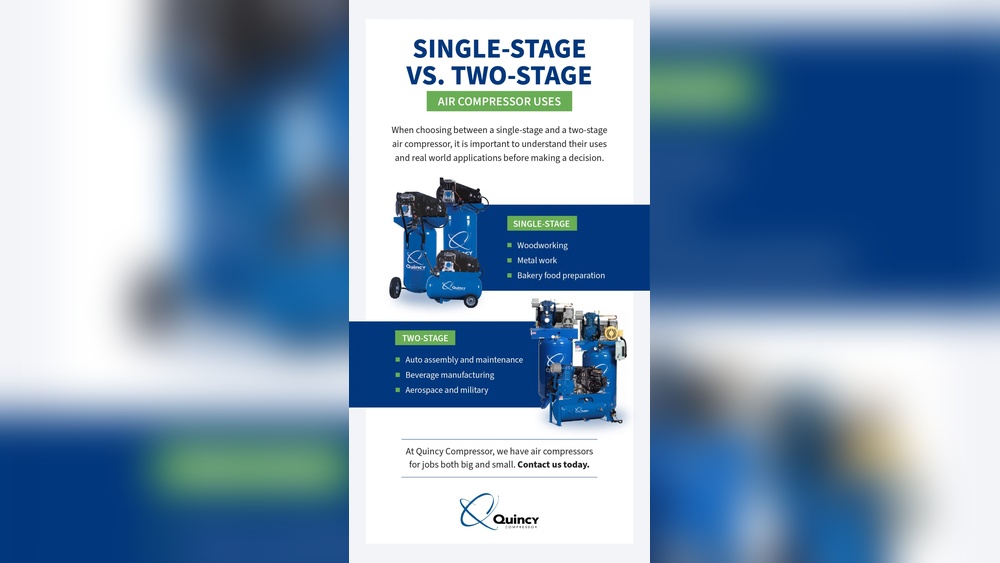
Choosing the right air compressor can make a big difference in your work, whether you’re running a home garage or a busy factory. One of the first choices you face is between a single stage and a two stage air compressor. These names sound technical, but the real differences affect how the machines work, what tools you can use, how much you spend, and even your electricity bill. Many people buy the wrong type because they don’t understand these details. In this article, you’ll discover exactly how single stage and two stage air compressors work, what makes each one unique, and which is better for your needs. We’ll break down the pros, cons, costs, maintenance, and even some common mistakes people make. By the end, you’ll have a clear answer on which compressor fits your situation, saving you time, money, and future headaches.
How Air Compressors Work
Before comparing single and two stage compressors, it helps to understand the basics. Air compressors pull in air, squeeze it to make it denser, and store it in a tank. This compressed air powers tools like drills, nail guns, and paint sprayers.
The more pressure the compressor makes, the more powerful the tools you can use.
Most compressors use pistons to compress air. The air enters a cylinder and a piston pushes down, squeezing the air into a smaller space. The main difference between single stage and two stage compressors is how many times the air gets squeezed before it goes to the tank.
Single stage means the air is compressed once. Two stage means the air is compressed twice, with a cooling step in between. This extra step changes the pressure, efficiency, and best use cases for each type.
What Is A Single Stage Air Compressor?
A single stage air compressor has one cylinder (or sometimes more, but all do the same job) that compresses air in just one step. The process is simple:
- The piston draws air into the cylinder.
- The piston pushes down, compressing the air to a set pressure (usually around 110–150 PSI).
- The compressed air goes straight into the storage tank.
These compressors are also called “piston compressors” or “reciprocating compressors. ” They’re common in home garages, small workshops, and for light-duty work.
Key Features
- Maximum pressure: 110–150 PSI (pounds per square inch)
- Number of compression stages: 1
- Common uses: Inflating tires, powering nail guns, spray painting, light mechanical work
- Typical horsepower: 1–5 HP
- Tank size: 1–80 gallons (home models are smaller)
- Cooling method: Air-cooled, simple system
How They Operate
Single stage compressors work quickly and are easy to maintain. The air is compressed once and sent to the tank right away. This makes them fast for small tasks, but limits the pressure and efficiency for bigger jobs.
Example
A typical single stage compressor in a home garage might have a 20-gallon tank, 2 HP motor, and a max pressure of 125 PSI. It’s perfect for inflating tires or powering a brad nailer, but struggles with tools that need high pressure.
What Is A Two Stage Air Compressor?
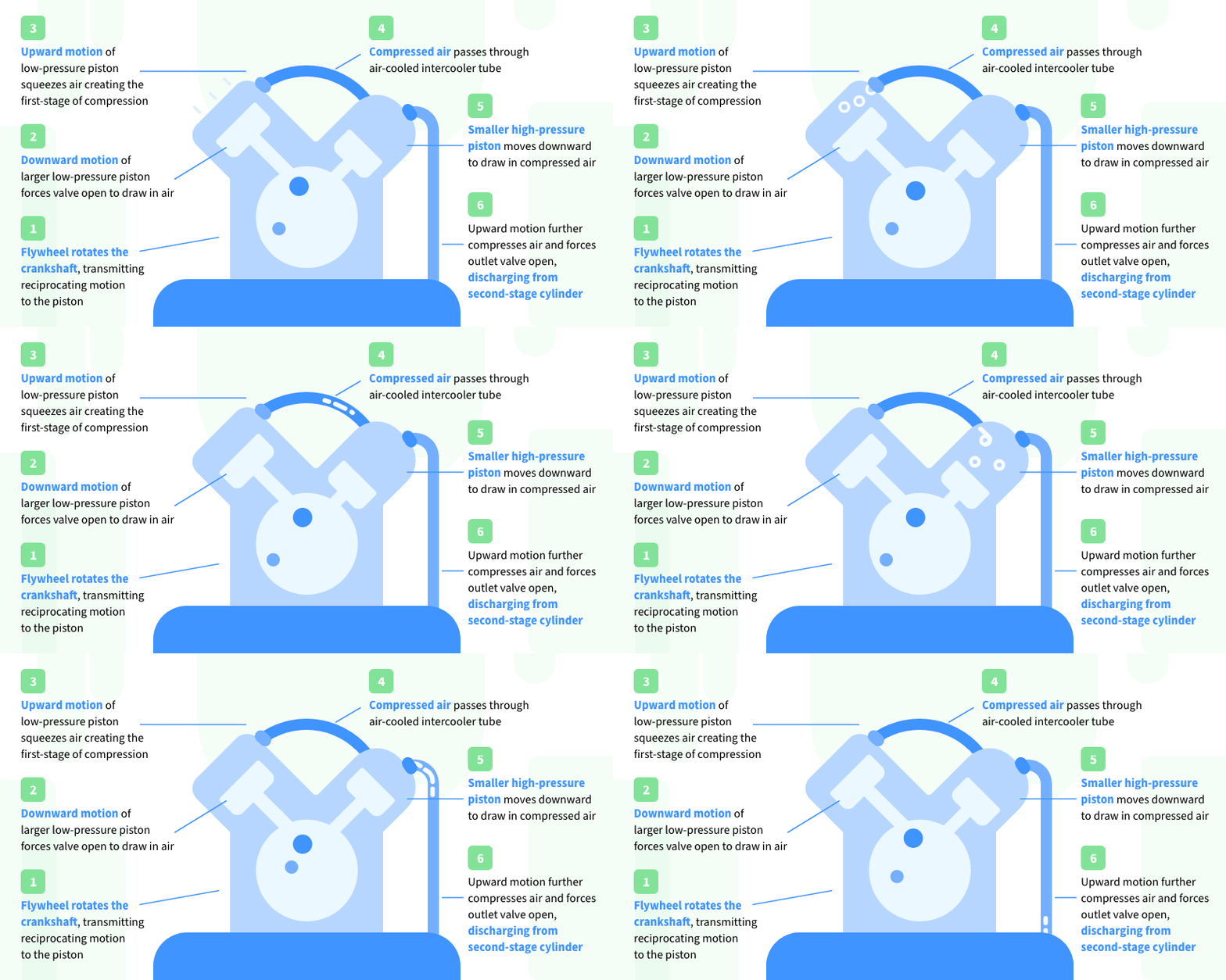
A two stage air compressor compresses air twice before storing it in the tank. The extra stage allows the machine to reach higher pressures and work more efficiently over long periods. The process:
- Air is drawn into the first cylinder and compressed to an intermediate pressure (about 90 PSI).
- The air passes through an intercooler (a type of radiator) to cool down.
- The cooled air enters a second, smaller cylinder and is compressed again to a higher pressure (up to 175 PSI or more).
- The double-compressed air is sent to the storage tank.
These compressors are common in factories, auto shops, and anywhere high power or long run times are needed.
Key Features
- Maximum pressure: 150–200 PSI (some models higher)
- Number of compression stages: 2
- Common uses: Sandblasting, industrial tools, auto repair, manufacturing, heavy-duty spraying
- Typical horsepower: 5–30+ HP
- Tank size: 60–240+ gallons
- Cooling method: Uses intercooler to reduce heat, improves efficiency
How They Operate
Two stage compressors are designed for tough jobs. By compressing air twice, they deliver more power, higher pressures, and run cooler. This means they can run longer without overheating or losing efficiency.
Example
A typical two stage compressor in a busy auto shop might have an 80-gallon tank, 10 HP motor, and deliver up to 175 PSI. It can power sanders, impact wrenches, and even run multiple tools at once.
Single Stage Vs Two Stage: Core Differences
It’s easy to confuse single and two stage compressors, but there are several important differences that affect performance, price, and best use.
| Feature | Single Stage | Two Stage |
|---|---|---|
| Compression Steps | 1 | 2 |
| Max Pressure | 110–150 PSI | 150–200+ PSI |
| Best For | Light/medium tasks | Heavy-duty/industrial |
| Cooling System | Basic | Intercooler (advanced) |
| Price Range | Lower | Higher |
| Typical HP | 1–5 HP | 5–30+ HP |
| Duty Cycle | Short/medium | Long/continuous |
| Noise Level | Quieter (small models) | Louder (large models) |
Pros And Cons Of Single Stage Air Compressors
Single stage compressors are popular because they are easy to use and cost less, but they have their limits. Understanding both sides helps you avoid surprises.
Advantages
- Lower cost: Single stage models are cheaper to buy and fix. This is good if you’re on a budget or just need a compressor for occasional use.
- Simple design: With fewer parts, these machines are easier to understand and maintain. You can often fix small problems yourself.
- Portability: Many single stage compressors are smaller and lighter. You can move them around your garage or job site without much trouble.
- Quieter operation: Smaller motors and tanks mean less noise. For home use, this is a big plus.
- Quick start-up: Since they compress air in one step, they reach working pressure faster for small jobs.
Disadvantages
- Lower pressure: The max pressure is usually limited to 150 PSI or less. This restricts the type of tools you can use.
- Shorter duty cycle: They are not made to run non-stop. If you use them too long, they can overheat or wear out quickly.
- Less efficient for big jobs: For tasks that need a lot of air for a long time, single stage compressors struggle. They lose pressure and performance drops.
- Limited tank size: Most models have smaller tanks, so you run out of air faster if you use demanding tools.
- Not suited for heavy-duty industry: If you try to use them for industrial work, they will likely break down or cost more in repairs.
Non-obvious Insight
Many beginners think bigger tank size means more power, but it’s really the compressor’s pressure and CFM rating (cubic feet per minute) that decide what tools you can run. A big tank with low pressure won’t help a heavy-duty tool.
Pros And Cons Of Two Stage Air Compressors
Two stage compressors are built for power and efficiency, but they come with higher costs and bigger size. Knowing the full picture helps you decide if they’re worth it.
Advantages
- Higher pressure output: These compressors reach up to 175–200 PSI, enough for almost any air tool or industrial job.
- Longer duty cycle: They are designed for continuous use. Perfect for busy workshops where the compressor runs all day.
- Energy efficiency: The two-stage process, with cooling in between, uses less energy for the same amount of air, especially over long periods.
- More tools, more users: Larger tanks and higher CFM ratings mean you can run several tools at once or handle bigger equipment.
- Durability: Built with better materials and stronger parts, these machines last longer under heavy use.
Disadvantages
- Higher cost: Two stage models cost more to buy and repair. This can be a big investment for small businesses or hobbyists.
- More complex maintenance: Extra parts mean more things to check and fix. You may need a professional for some repairs.
- Heavier and larger: These units are big and often need a fixed place in your shop. Moving them is hard without special equipment.
- More noise (in large models): The bigger motors and higher output create more noise, which can be a problem in small spaces.
- Overkill for small jobs: If you only use air tools occasionally, this machine is more than you need. It can waste energy and space.
Non-obvious Insight
Two stage compressors are not just for higher pressure—they also produce drier air with less moisture. This is important in painting or precision work, where water in the air can ruin your results.
When To Choose A Single Stage Air Compressor
Choosing the right compressor depends on your needs. Single stage models work best for:
- Home garages: Inflating tires, blowing dust, using air ratchets or nail guns.
- Small workshops: Occasional woodworking, painting, or repairs.
- DIY projects: Powering light air tools for furniture, crafts, or small car repairs.
- Low budget: If cost is your main concern and you don’t need high pressure, single stage is the way to go.
- Portability: If you need to move your compressor often, single stage models are lighter and easier to carry.
Practical Example
If you build furniture at home and use a brad nailer and a small paint sprayer, a single stage compressor with a 20–30 gallon tank and 2–3 HP motor will do the job. It’s quiet, affordable, and simple to maintain.
Common Mistake
Many people overestimate their needs and buy a bigger, two stage compressor when a simple single stage model would save money and space. Think about your real, daily tasks before deciding.
When To Choose A Two Stage Air Compressor
Two stage compressors are the smart choice for:
- Auto shops: Running impact wrenches, sanders, and multiple tools at once all day.
- Manufacturing: Powering machines that need a constant, high-pressure air supply.
- Heavy-duty spraying: Industrial painting, sandblasting, or cleaning.
- Multiple users: If several people need air tools at the same time, only a two stage can keep up.
- Long run times: If your compressor will run for hours without stopping, two stage models are built for this.
Practical Example
In a busy auto repair shop, you might need to run three impact wrenches, a sander, and a paint sprayer at the same time. A two stage compressor with 10 HP, 80-gallon tank, and 175 PSI can do this easily, saving time and avoiding tool downtime.
Common Mistake
Some buyers think higher pressure always means better results, but using a two stage compressor with tools that only need 90 PSI wastes energy and money. Match your compressor to your tool requirements.
Credit: www.youtube.com
Detailed Performance Comparison
Let’s look deeper at how these two types perform in real situations. This can help you see which matches your needs.
| Scenario | Single Stage | Two Stage |
|---|---|---|
| Inflating tires | Excellent | Excellent (but overkill) |
| Using nail guns | Very Good | Excellent |
| Auto repair tools | Fair (short periods) | Excellent (continuous) |
| Industrial painting | Poor (runs out of air) | Excellent |
| Sandblasting | Poor | Very Good |
| Multiple users | Poor | Excellent |
| Home DIY tasks | Excellent | Very Good (but unnecessary) |
Key Insight
If your work is short and simple, a single stage compressor is often more than enough. For longer, tougher tasks, only a two stage model can keep up without losing pressure or wearing out.
Cost Comparison: Purchase, Maintenance, And Energy
Price is more than just the sticker on the box. Let’s break down the real costs of single stage vs two stage compressors.
Purchase Price
- Single stage: $100–$1,000 for most models. Small home units are very affordable. Larger, professional models can reach $1,500.
- Two stage: $1,000–$6,000 or more. These are industrial machines, so the price climbs fast with size and power.
Maintenance Costs
- Single stage: Cheaper to fix. Simple parts, easy oil changes, and less to go wrong.
- Two stage: More expensive. Extra cylinders, intercoolers, and higher grade parts mean higher repair bills.
Energy Use
- Single stage: Uses less power for short jobs. Not as efficient for long, heavy work.
- Two stage: More efficient for big, long jobs. Uses less energy per unit of compressed air, thanks to the double compression and cooling.
Lifespan
- Single stage: Lasts 5–10 years with light use.
- Two stage: Can last 15–20 years or more if maintained well, even with daily heavy use.
Example Data
A typical auto shop running a two stage compressor 8 hours per day may save 10–15% on electricity compared to a single stage, simply because it runs more efficiently for long periods.
Maintenance Differences
Both compressor types need basic care—checking oil, cleaning filters, draining the tank—but two stage models require a bit more attention.
Single Stage Maintenance
- Change oil every 500–1,000 hours (if oil-lubricated).
- Clean or replace air filters monthly.
- Drain tank to remove water after each use.
- Check belts and valves twice a year.
Two Stage Maintenance
- Change oil more often due to longer run times.
- Inspect intercooler for dust or blockage.
- Replace or clean filters more frequently.
- Check both cylinder heads and pressure valves regularly.
- Watch for air leaks at both stages.
Practical Tip
Many beginners forget to drain water from the tank. Water buildup causes rust inside, which shortens your compressor’s life. Always open the drain valve after use.
Size, Portability, And Space
The physical size and weight of your compressor matters, especially in small shops or homes.
Single Stage
- Smaller footprint: Fits in most garages or small shops.
- Easier to move: Many models have wheels or handles.
- Lightweight: 20–80 pounds for home models.
Two Stage
- Large and heavy: Often over 200 pounds.
- Fixed installation: Needs a permanent spot with enough space and ventilation.
- Hard to move: May require a forklift or special dolly.
Non-obvious Insight
If you plan to move your compressor between job sites, a single stage is the only practical choice. Two stage models are built to stay in one place.

Credit: www.jmindustrial.com
Noise And Environmental Impact
Noise can be a big problem, especially if you work in a shared space or at home.
Single Stage
- Quieter: Small models run at 60–80 dB, like a vacuum cleaner.
- Better for homes: Less likely to bother neighbors.
Two Stage
- Louder: Often 80–100 dB, similar to a lawn mower or busy street.
- Needs soundproofing: In a shop, you may need to build a noise barrier or use ear protection.
Environmental Factors
- Both types: Need good ventilation to avoid overheating.
- Oil-lubricated models: Can leak oil if not maintained, so always check for spills.
Practical Tip
If noise is a concern, look for compressors with belt drive systems and lower RPM motors. These run quieter than direct-drive, high-speed models.
Air Quality And Moisture Control
Compressed air can carry water, oil, and dirt. This affects the quality of your work, especially for painting or sensitive tools.
Single Stage
- More moisture: Air is compressed once, so it stays warm and holds more water vapor.
- Basic filters: You may need to add a dryer or filter if air quality is critical.
Two Stage
- Drier air: The intercooler reduces temperature, so less water stays in the air.
- Better for precision work: Less moisture means fewer problems in painting or electronics.
Non-obvious Insight
If you live in a humid climate, even a two stage compressor may need an extra air dryer. Moisture in the tank leads to rust and tool damage.
Common Mistakes When Buying An Air Compressor
Many people spend too much or too little because they misunderstand their needs. Here are some mistakes to avoid:
- Ignoring CFM rating: This number (cubic feet per minute) shows how much air the compressor delivers. Always match CFM to your tool’s needs, not just PSI.
- Buying too big: A huge two stage compressor for home use wastes money and power. Only buy what you need.
- Overlooking power supply: Large two stage models may need special wiring or a 220V circuit. Check your shop’s electric system before buying.
- Forgetting about space: Measure your work area before choosing a compressor, especially for large two stage units.
- Skipping maintenance: No matter what you buy, a neglected compressor will break down early. Set a reminder for oil changes and filter checks.
Which Air Compressor Is Right For You?
Choosing between single stage and two stage comes down to your work, budget, and space.
- Choose single stage if you do light tasks, have a small space, or want to save money.
- Choose two stage if you need high pressure, run tools for hours, or share the compressor with others.
A useful rule: If your tools need less than 100 PSI and you only use them for a few minutes at a time, single stage is perfect. If you need more pressure, longer run times, or want to power big tools, go with two stage.
If you’re still unsure, check out this Wikipedia guide on air compressors for more technical details.
Credit: www.quincycompressor.com
Frequently Asked Questions
What Does “stage” Mean In Air Compressors?
The “stage” refers to how many times the air is compressed before it goes into the storage tank. Single stage means compressed once, two stage means compressed twice, usually with a cooling step in between.
Can I Use A Two Stage Compressor For Home Tasks?
Yes, you can, but it’s usually not necessary. Two stage compressors are bigger, louder, and cost more. For simple jobs like inflating tires or running small tools, a single stage model is a better fit.
How Do I Know If My Tools Need A Two Stage Compressor?
Check your tool’s PSI and CFM requirements. If any tool needs more than 150 PSI or you plan to run several tools at once for long periods, a two stage compressor is better. For most home tools, single stage is enough.
Do Two Stage Compressors Use Less Electricity?
For long, heavy jobs, two stage compressors are more energy efficient because they cool the air between stages and waste less energy as heat. For short, simple tasks, there’s not much difference.
Is Maintenance Harder On A Two Stage Compressor?
Yes, because there are more parts—two cylinders, an intercooler, and more valves. You’ll need to check oil, filters, and cooling systems more often. However, with regular care, these machines are very reliable.
Choosing the right air compressor is about matching the machine to your real needs. By understanding how single stage and two stage compressors work, their costs, and their strengths, you can avoid wasted money and get years of solid performance from your investment.