If you’ve ever struggled with air compressor fittings that just won’t connect right, you’re not alone. Getting your fittings attached properly can save you time, prevent leaks, and keep your tools working smoothly.
In this guide, you’ll learn simple, clear steps to connect your air compressor fittings like a pro. Whether you’re a beginner or just want to avoid common mistakes, this article will help you get it done quickly and confidently. Keep reading to make sure your air compressor setup is secure and ready for any job.
Credit: www.youtube.com
Choosing The Right Fittings
Choosing the right fittings is important for a safe and efficient air compressor setup. The right fittings help avoid leaks and ensure proper air flow. Selecting fittings that match your needs saves time and prevents damage.
Types Of Air Compressor Fittings
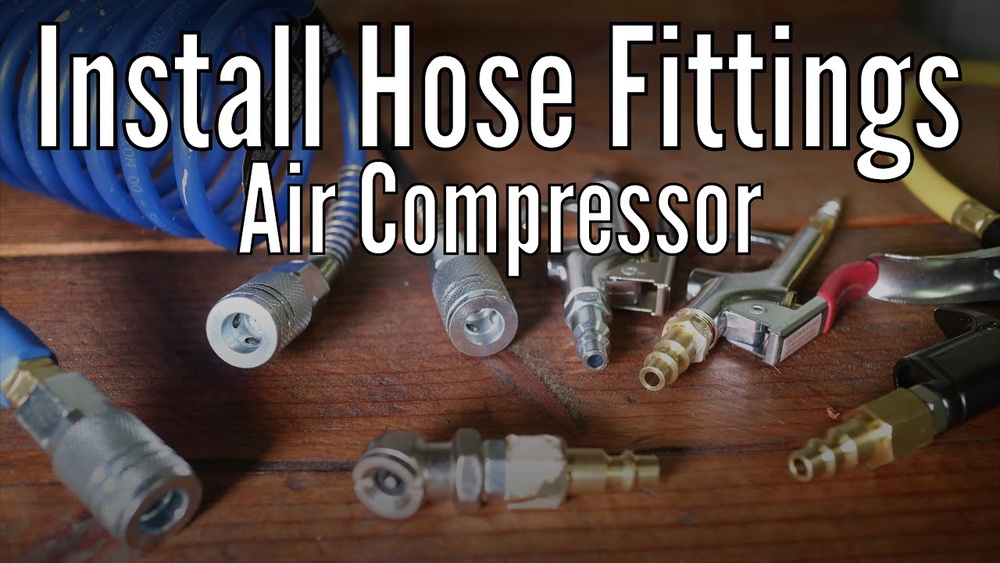
There are several types of fittings for air compressors. Quick-connect fittings allow easy and fast connection. Threaded fittings screw tightly for a secure hold. Push-to-connect fittings offer simple installation without tools. Each type fits different uses and preferences.
Materials And Sizes
Fittings come in various materials like brass, steel, and plastic. Brass is durable and resists corrosion. Steel is strong but may rust without protection. Plastic fittings are lightweight but less durable. Sizes vary to match hoses and compressor ports. Choose the correct size to avoid leaks and poor air flow.
Compatibility With Your Compressor
Check your compressor’s manual for fitting specifications. Match the fitting type and size to your compressor’s ports. Some compressors need special adapters. Using compatible fittings ensures safety and efficiency. Incorrect fittings can cause air leaks or damage.
Credit: www.quincycompressor.com
Preparing Your Tools And Equipment
Preparing your tools and equipment is the first step to connecting air compressor fittings correctly. Having everything ready helps the process go smoothly. It also prevents mistakes and saves time. Take a moment to gather and check your tools and parts before starting. Proper preparation makes your work safer and more effective.
Essential Tools For Installation
Start with the right tools. You need a wrench set to tighten fittings. Thread seal tape helps create airtight seals. A pipe cutter may be required for adjusting pipe length. Keep pliers handy for gripping and holding parts. A screwdriver is useful for clamps or brackets. Having these tools ready avoids interruptions during installation.
Safety Gear To Use
Protect yourself before handling equipment. Wear safety glasses to shield your eyes from debris. Gloves protect your hands from sharp edges and hot surfaces. Ear protection is important if the compressor runs loudly nearby. Use sturdy shoes to guard your feet. Safety gear lowers the risk of injuries on the job.
Cleaning And Inspecting Components
Clean all fittings and pipes before connecting them. Dirt or rust can cause leaks or damage. Use a cloth or brush to remove dust and grime. Check each part for cracks or wear. Replace any damaged components. Clean, intact parts ensure a strong, leak-free connection.
Step-by-step Connection Process
Connecting air compressor fittings correctly is important for safety and performance. Follow these simple steps to ensure a tight and secure fit. Each step helps prevent leaks and keeps your system running smoothly.
Shutting Off And Depressurizing The System
Start by turning off the air compressor. Release all pressure in the system before working on fittings. Use the drain valve or release button to let out trapped air. Never try to connect fittings under pressure. This step keeps you safe during the process.
Attaching The Fittings Securely
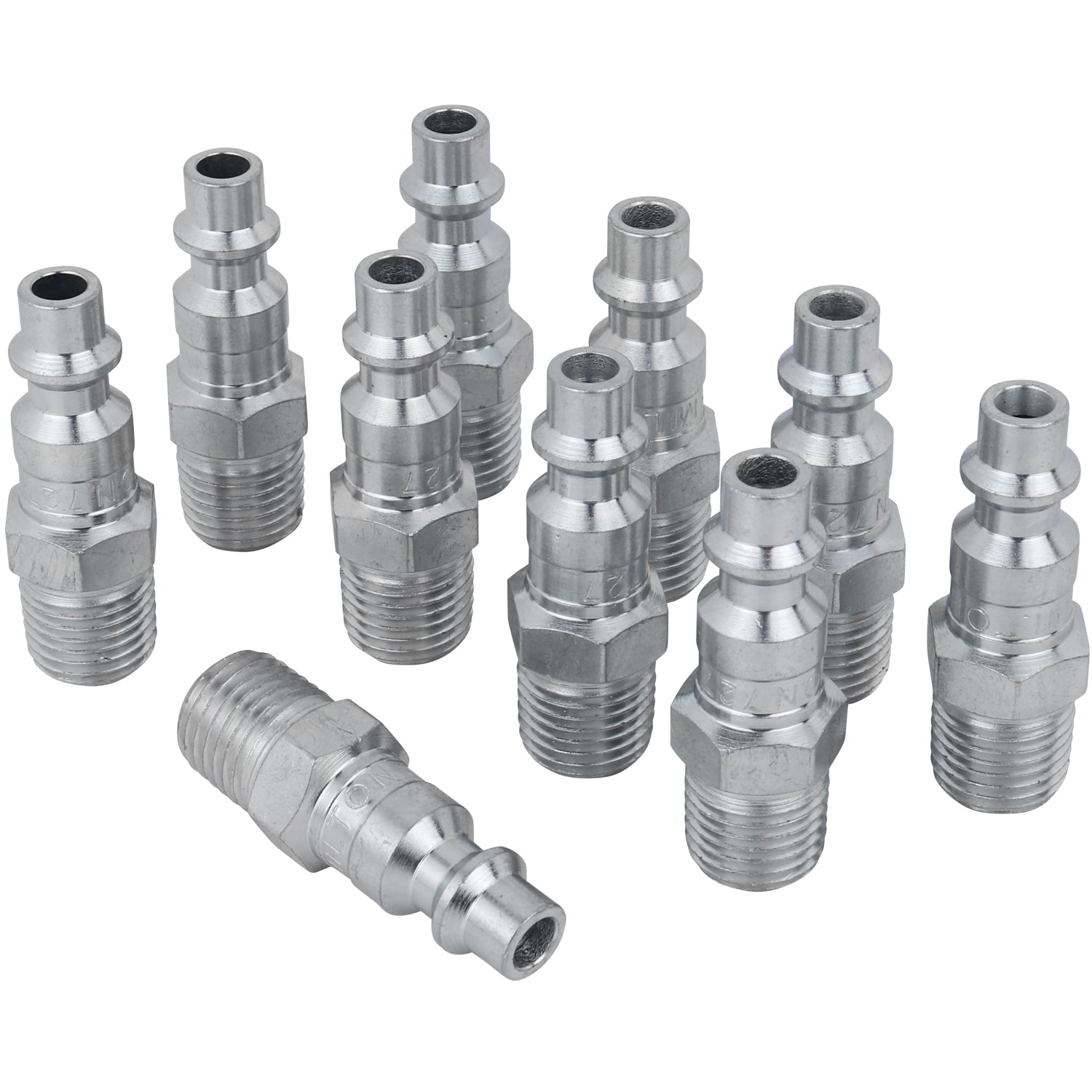
Take the correct fitting and line it up with the port or hose. Screw it in by hand to avoid cross-threading. Use a wrench to tighten the fitting firmly. Do not overtighten, as this can damage threads or fittings.
Using Thread Sealant Or Tape
Apply thread sealant or Teflon tape on male threads for a better seal. Wrap the tape clockwise around the threads two to three times. Avoid covering the first thread to prevent tape from entering the system. This step helps stop leaks at the connection points.
Checking For Proper Alignment
Ensure the fittings are straight and properly aligned. Misaligned fittings can cause leaks or damage hoses. Adjust the position before fully tightening the connection. A properly aligned fitting improves airflow and system efficiency.
Credit: miltonindustries.com
Testing And Troubleshooting
Testing and troubleshooting are important steps after connecting air compressor fittings. These steps make sure the system works safely and without leaks. Simple checks help find problems early. Fixing issues fast keeps your tools running well and extends their life.
Pressure Testing For Leaks
Start by turning on the air compressor slowly. Watch the pressure gauge closely. If the pressure drops without use, a leak may be present. Use soapy water on fittings and joints. Bubbles will form where air escapes. Tighten or replace parts where bubbles appear. Repeat the test until no bubbles show.
Common Issues And Fixes
Loose fittings cause most air leaks. Tighten connections carefully, but avoid over-tightening. Damaged threads or cracked fittings need replacement. Check hoses for holes or wear. Replace worn hoses to keep pressure steady. Listen for hissing sounds that signal leaks. Repair or replace parts as needed to stop air loss.
Maintenance Tips For Longevity
Regularly clean and inspect all fittings. Dirt and debris can cause poor seals. Lubricate moving parts to avoid wear. Store hoses and tools in dry places. Avoid kinks and sharp bends in hoses. Replace old parts before they fail. Consistent care keeps your air compressor ready for use.
Upgrading And Customizing Fittings
Upgrading and customizing air compressor fittings can improve your tool setup significantly. It allows better compatibility, faster changes, and smoother operation. Small changes in fittings make a big difference in daily use. This section explains how to upgrade and customize your fittings easily.
Adding Quick-connect Couplers
Quick-connect couplers let you change tools without unscrewing fittings. They save time and effort during work. These couplers fit into the hose and tool ends. Push to connect, pull to disconnect. Many types exist, so choose one that fits your compressor and tools.
Using Adapters For Different Tools
Adapters connect fittings of different sizes or types. They help you use many tools with one compressor. Find adapters that match your hose and tool threads. Using adapters means no need for new hoses or tools. This saves money and increases flexibility.
Enhancing System Efficiency
Proper fittings reduce air leaks and pressure drops. Tight connections keep air flowing steadily. Use thread seal tape on fittings to stop leaks. Check fittings regularly for wear or damage. Efficient fittings mean better performance and less energy waste.
Frequently Asked Questions
What Are The Common Types Of Air Compressor Fittings?
Common types include quick-connect, threaded, push-to-connect, and barbed fittings. Each type suits different hoses and tools for secure, leak-free connections.
How Do I Choose The Right Fitting Size?
Measure your hose or tool diameter accurately. Match the fitting size to ensure a tight, leak-proof seal. Always check manufacturer specifications before buying.
Can I Use Thread Sealant On Air Compressor Fittings?
Yes, thread sealant or Teflon tape prevents leaks on threaded fittings. Apply it evenly on threads before assembly for a secure, airtight connection.
How Do I Connect Air Compressor Fittings Safely?
Turn off and depressurize the compressor first. Clean threads and fittings, then hand-tighten before securing with a wrench. Avoid over-tightening to prevent damage.
Conclusion
Connecting air compressor fittings is simple with clear steps. Always check for the right size and type of fittings. Tighten connections firmly, but avoid over-tightening. Use thread seal tape to stop air leaks. Test your setup before full use to ensure safety.
Proper connection keeps your tools working well and lasts longer. Follow these tips, and your air compressor will run smoothly every time. Easy to do, saves time and prevents problems. A small effort for big results.