
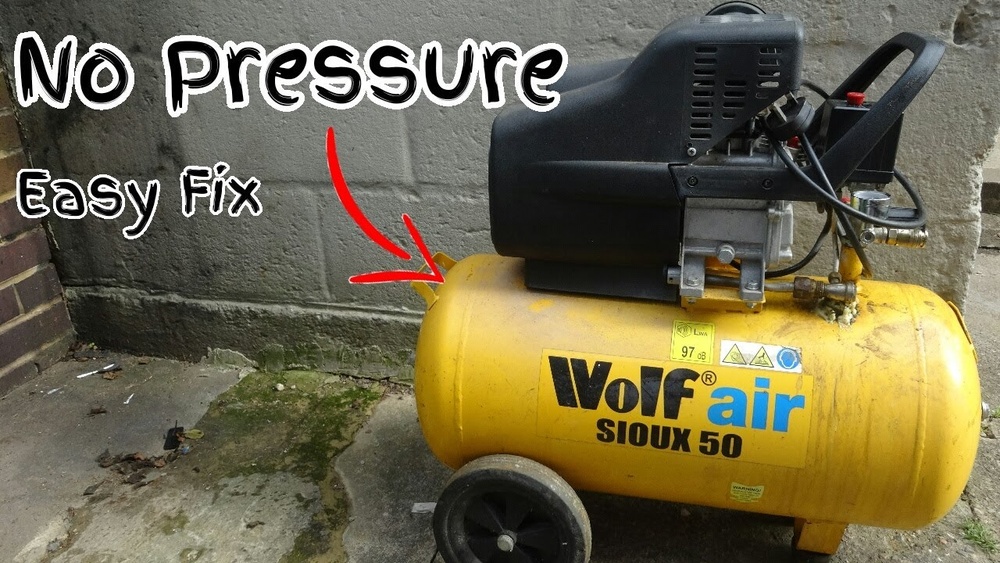
If your air compressor suddenly stops building pressure, it can quickly disrupt your work. Many people face this problem, whether at home or in a workshop. It can be frustrating, especially if you don’t know where to start. But the good news is, most pressure problems have clear causes and solutions.
With a little guidance, you can often fix the issue yourself and avoid costly repairs.
An air compressor that won’t build pressure isn’t just an inconvenience. It can lead to wasted time, reduced tool performance, and even potential damage to your equipment. Understanding why this happens is key to solving the problem. In this guide, you’ll learn the main reasons why air compressors lose pressure, how to diagnose the issue, and step-by-step solutions for each cause.
We’ll also share practical tips, common mistakes to avoid, and expert advice to help you get your compressor running smoothly again.
How An Air Compressor Builds Pressure
Before you start fixing the problem, it’s important to know how an air compressor works. The basic idea is simple: the motor powers a pump, which draws air into a tank and compresses it. The pressure switch tells the motor when to start or stop, based on the pressure level in the tank.
Here’s a simple breakdown:
- Air intake filter pulls in air.
- Compressor pump squeezes the air, raising its pressure.
- Check valve keeps pressurized air from flowing back out.
- Pressure switch turns off the motor at the set pressure.
- Air tank stores the compressed air for your tools.
If any part of this system fails, the pressure may not build up as it should.
Common Reasons Air Compressors Won’t Build Pressure
Several problems can stop your air compressor from building pressure. Let’s look at the most common causes and how to spot them.
1. Air Leaks
Small leaks can make a big difference. Even a pinhole leak in a hose, fitting, or tank can cause pressure loss.
How to check: Listen for hissing sounds, or spray soapy water on connections and look for bubbles.
Fix: Tighten fittings, replace faulty hoses, or patch tank leaks. Never ignore tank leaks—they can be dangerous.
2. Intake Valve Problems
The intake valve allows air into the pump. If it gets stuck or damaged, air won’t enter properly.
Signs: The compressor runs, but the tank pressure stays low. Sometimes you’ll hear unusual noises.
Fix: Remove the pump head, inspect the valve for dirt or damage, and clean or replace as needed.
3. Broken Or Stuck Pressure Switch
If the pressure switch is faulty, the compressor may not run long enough to build pressure.
Signs: The motor stops before reaching full pressure, or doesn’t start at all.
Fix: Test the switch with a multimeter. If it’s defective, replace it with the correct model for your compressor.
4. Worn Compressor Piston Rings
The piston rings seal the gap between the piston and cylinder. Over time, they can wear out, reducing compression.
Signs: The compressor runs continuously but pressure rises very slowly or not at all.
Fix: Disassemble the pump and inspect the rings. Replace if worn. This job requires some mechanical skill.
5. Faulty Check Valve
The check valve keeps air from flowing back out of the tank. If it fails, air may escape as fast as it enters.
Signs: Air rushes out when you shut off the compressor, or pressure never builds.
Fix: Remove and inspect the check valve. Clean or replace it if necessary.
6. Clogged Air Filter
A dirty air filter restricts airflow into the compressor, making it harder to build pressure.
Signs: Reduced performance, motor works harder, and filter looks dirty.
Fix: Clean or replace the air filter regularly.
7. Leaky Or Damaged Hoses And Fittings
Cracked or loose hoses and fittings can leak air, making it impossible to reach the desired pressure.
How to check: Inspect all hoses and fittings for cracks, splits, or loose connections.
Fix: Replace damaged hoses and tighten all connections.
8. Malfunctioning Unloader Valve
The unloader valve releases pressure from the pump when the compressor stops. If it sticks open, pressure can escape.
Signs: Hissing sound after the motor stops, tank won’t hold pressure.
Fix: Replace or repair the unloader valve.
9. Blown Head Gasket
A blown head gasket between the pump head and cylinder can cause internal leaks.
Signs: Air escapes from the pump area, oily residue near the gasket, compressor runs but doesn’t build pressure.
Fix: Remove the pump head, inspect the gasket, and replace if damaged.
10. Undersized Or Overloaded Compressor
If you’re using tools that require more air than your compressor can provide, it may never reach the set pressure.
Signs: Compressor runs constantly but can’t keep up with demand.
Fix: Use the right size compressor for your tools. Check the CFM (cubic feet per minute) requirements.

Credit: advancedairvac.com
Step-by-step Troubleshooting Guide
Let’s walk through how to diagnose and fix a compressor that won’t build pressure.
Step 1: Safety First
Always unplug the compressor and drain the tank before inspecting or repairing. Compressed air is powerful and can be dangerous.
Step 2: Listen And Look For Leaks
Use your ears and eyes:
- Listen for hissing when the compressor is running or stopped.
- Spray soapy water on all joints, fittings, and the tank. Bubbles mean leaks.
Step 3: Check The Air Filter
Remove and inspect the filter. If it’s dirty or clogged, clean or replace it.
Step 4: Inspect The Pressure Switch
Check if the switch is turning the motor on and off correctly. If not, test or replace it.
Step 5: Examine The Intake And Exhaust Valves
Remove the pump head and check valves for dirt, damage, or wear. Clean or replace as needed.
Step 6: Test The Check Valve
Remove the check valve and blow air through it. It should only let air flow one way. Replace if faulty.
Step 7: Look At Hoses And Fittings
Inspect all hoses, connectors, and quick couplers for cracks or damage. Replace any that leak.
Step 8: Review The Compressor Usage
Check if the tools you’re using require more air than your compressor can supply. If so, upgrade your compressor.
Key Compressor Parts And What They Do
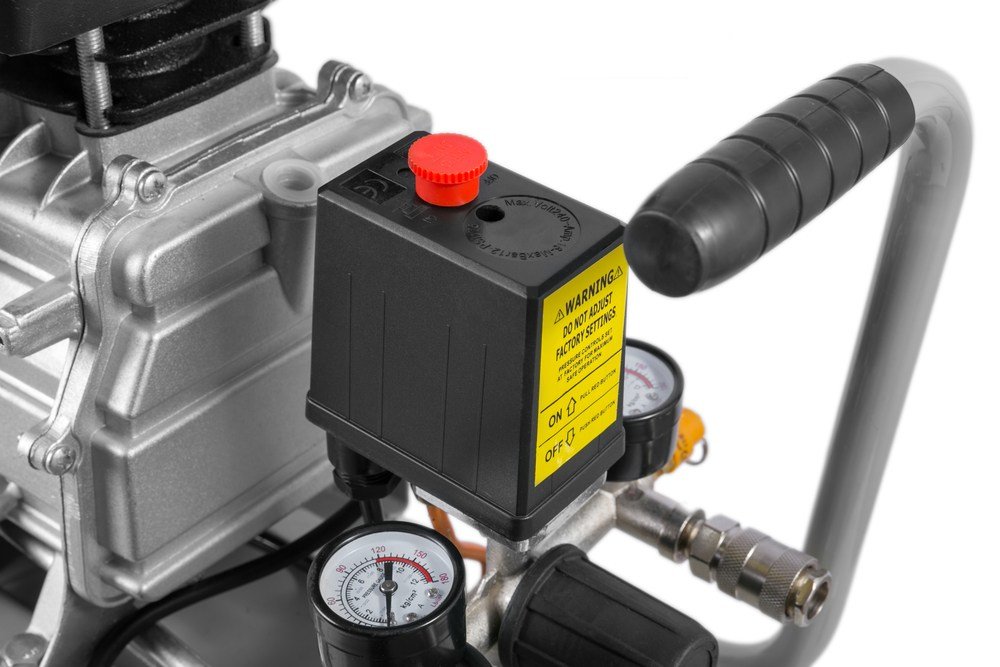
Understanding the main parts helps you diagnose problems better. Here’s a quick comparison:
| Part | Function | Common Problems |
|---|---|---|
| Intake Valve | Lets air into the pump | Stuck, dirty, worn |
| Pressure Switch | Controls motor on/off | Stuck, broken contacts |
| Check Valve | Keeps tank air from flowing back | Stuck, leaking |
| Unloader Valve | Releases pressure when off | Stuck open or closed |
| Piston Rings | Seal piston in cylinder | Worn, broken |
Credit: www.tooltally.com
Signs And Symptoms: What They Mean
Different symptoms often point to specific issues. Here’s a quick reference:
| Symptom | Possible Cause |
|---|---|
| Compressor runs but tank stays empty | Major air leak, broken valve, blown gasket |
| Compressor runs constantly, slow pressure build | Worn piston rings, dirty filter, small leaks |
| Motor cycles on/off quickly | Pressure switch issue, small tank, high demand |
| Air hissing after shutoff | Leaking check or unloader valve |
Non-obvious Insights Most Beginners Miss
Many people focus only on visible leaks or obvious damage. But here are two often-overlooked tips:
- Monitor the compressor duty cycle. Some compressors are not designed for continuous use. Running them too long can overheat parts and cause pressure loss.
- Check for voltage drops. If your compressor is wired into a long extension cord or weak circuit, the motor may not run at full power, reducing pressure output. Always use a heavy-duty cord and the correct outlet.
Mistakes To Avoid
- Ignoring small leaks: Even minor leaks can prevent the compressor from reaching full pressure.
- Using mismatched parts: Always use the correct replacement parts for your compressor’s brand and model.
- Overloading the compressor: Trying to run high-demand tools on a small compressor can cause long-term damage.
- Skipping maintenance: Regularly change filters and check oil (if oil-lubricated) to keep the compressor healthy.
- Attempting repairs under pressure: Always release air and unplug before working on the machine.
When To Call A Professional
If you’ve checked all the basic issues—leaks, valves, pressure switch, and hoses—and the compressor still won’t build pressure, the problem may be more complex. Issues like a damaged motor, bent crankshaft, or worn cylinder may require expert repair. Don’t risk injury or further damage if you’re unsure.

Credit: www.youtube.com
Preventing Future Problems
A few simple habits can keep your air compressor in good shape:
- Drain the tank regularly to remove moisture and prevent rust.
- Check and change air filters on schedule.
- Tighten all fittings every few months.
- Store in a dry, clean place to avoid dust and corrosion.
Quick Reference: Troubleshooting Checklist
Here’s a handy summary you can use when diagnosing pressure problems:
| Check | What to Look For | Action |
|---|---|---|
| Leaks | Hissing, bubbles with soapy water | Tighten or replace leaky parts |
| Air Filter | Dirty or clogged filter | Clean or replace filter |
| Valves | Stuck or damaged valves | Clean or replace valves |
| Hoses/Fittings | Cracks or loose connections | Replace or tighten |
| Pressure Switch | Stops too soon or not at all | Test and replace if needed |
| Compressor Size | Too small for tools | Upgrade compressor |
Frequently Asked Questions
Why Does My Air Compressor Run But Not Build Pressure?
This usually means there’s a leak, a broken valve, or worn piston rings. Check for air leaks first, then inspect the intake and check valves. If the compressor runs non-stop and never builds pressure, internal parts may need repair.
How Can I Find Air Leaks In My Compressor?
Spray soapy water on all fittings, hoses, and around the tank. If you see bubbles, you’ve found a leak. Listen for hissing sounds, especially after the compressor stops.
Is It Safe To Repair A Compressor Tank With A Leak?
No. Tank leaks can be dangerous because tanks are under high pressure. If you find a tank leak, replace the tank or consult a professional. Do not try to weld or patch a pressurized tank.
How Often Should I Change The Air Filter?
Check the filter every 3 months if you use the compressor often, or at least twice a year for occasional use. Change it more often in dusty environments. A clean filter keeps performance high and extends compressor life.
Where Can I Find More Detailed Repair Guides?
For more advanced troubleshooting and repair steps, visit the Wikipedia page on air compressors. You’ll find technical details and diagrams for many compressor types.
A compressor that won’t build pressure can be fixed in most cases with a little patience and careful checking. Remember: stay safe, follow regular maintenance, and don’t hesitate to get expert help if needed. With the right approach, your compressor will be back to full power, ready for any task.