
Have you ever wondered why your air compressor doesn’t perform the same way when you take it to higher places? If you use air compressors regularly, understanding how altitude affects their operation can save you time, money, and frustration.
The air around you changes as you go higher, and this directly impacts how your compressor works. Keep reading to discover the surprising ways altitude can change your air compressor’s performance—and what you can do to keep it running smoothly no matter where you are.
Credit: www.airbestpractices.com
Altitude And Air Pressure
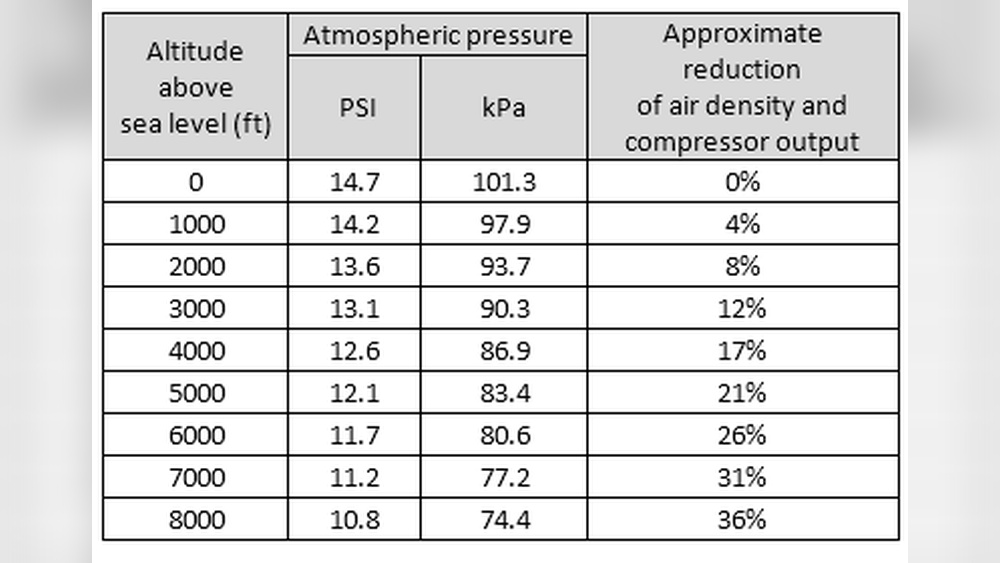
Altitude plays a key role in air pressure changes. As you go higher, the air pressure drops. This affects how air compressors perform. Understanding this link helps in choosing and using compressors right.
Lower air pressure means less air is pushed into the compressor. This can reduce its power and efficiency. Let’s explore how air density and pressure variations impact compressors at different altitudes.
Air Density Changes
Air density decreases as altitude rises. Thin air has fewer molecules in the same space. Compressors get less air to compress. This lowers the amount of air output. Machines may run slower or work harder. This change affects the compressor’s ability to deliver consistent pressure.
Pressure Variation Effects
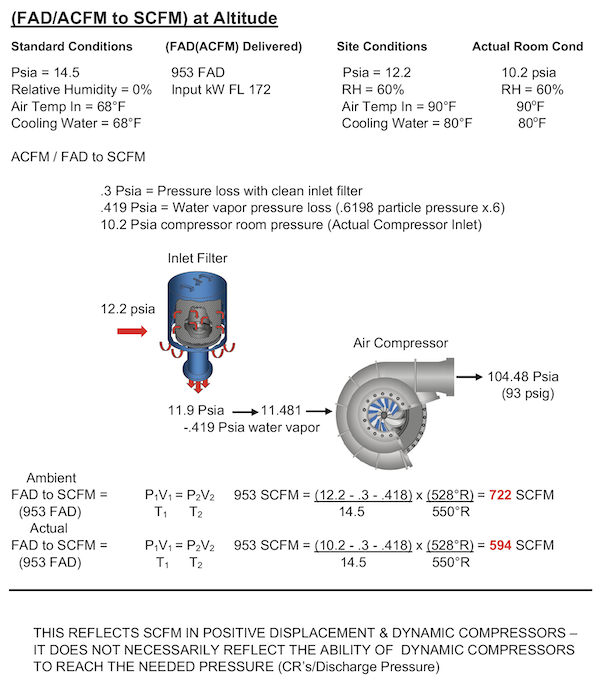
Lower atmospheric pressure means less force on the compressor intake. This reduces the compressor’s capacity to build pressure. The machine may overheat or wear out faster. Pressure gauges might show lower readings than expected. Operators must adjust settings for high-altitude use. Proper maintenance is essential to avoid damage and loss of efficiency.
Credit: www.airbestpractices.com
Performance Of Air Compressors At High Altitude
Air compressors behave differently at high altitudes. The thinner air affects how they work and how much power they need. Understanding these changes helps in choosing and using compressors correctly in mountain areas.
Reduced Air Intake
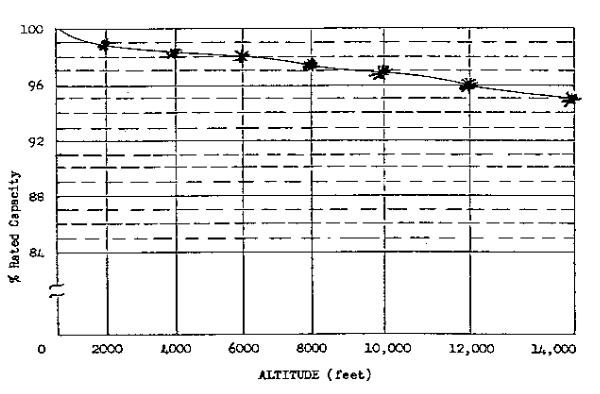
At high altitude, the air pressure is lower. This means less air enters the compressor. The machine pulls in fewer air molecules with each intake cycle. This reduction limits the volume of air compressed. The compressor must work harder to reach the desired pressure.
Impact On Compressor Efficiency
Lower air density reduces compressor efficiency. Compressors rely on a certain air volume to operate well. With less air, they produce less output. This can cause slower performance and longer work times. Efficiency drops because the compressor uses more energy for less air.
Power Requirements
Higher altitudes increase the power needed to run compressors. The motor strains to compress thinner air. It may require a larger or more powerful motor. Operators should consider power adjustments for high-altitude use. Without this, compressors may overheat or fail.
Temperature And Moisture Considerations
Altitude changes the way air compressors handle temperature and moisture. At higher altitudes, the air is thinner and cooler. This affects how compressors cool down and manage moisture inside their systems. Understanding these effects helps keep compressors working well and lasting longer.
Cooling Challenges
Air compressors rely on air to cool their parts. At high altitudes, air is less dense. This means less air flows through the cooling system. Compressors may run hotter than usual. Overheating can cause damage and reduce efficiency. Proper cooling systems or adjustments are needed to avoid this problem.
Condensation Risks
Moisture in the air condenses inside compressors as they cool. At high altitudes, temperature changes are more extreme. This causes more water to form inside the machine. Excess moisture can lead to rust and corrosion. It also affects air quality and tool performance. Using moisture traps and regular maintenance is important to reduce these risks.

Credit: www.rowse-pneumatics.co.uk
Adjustments For Optimal Compressor Operation
Altitude changes air pressure and temperature. These changes affect air compressor performance. Adjustments ensure compressors work well at high altitudes. Proper tuning avoids damage and keeps efficiency high.
Calibration And Settings
Air compressors need new pressure settings at high altitudes. Lower air pressure means the compressor must work harder. Adjust the pressure relief valves for safety. Set the regulator to match local air pressure. Check gauges often to maintain correct readings. Recalibrate sensors to avoid false alarms.
Equipment Modifications
Some compressors need parts changed for high-altitude use. Use stronger motors designed for low oxygen levels. Upgrade air filters to handle thinner air better. Install cooling systems to prevent overheating. Consider using special lubricants that work in cold, thin air. These changes protect the compressor and improve lifespan.
Common Issues And Troubleshooting
Altitude affects air compressors in many ways. Common issues arise because compressors work harder in high places. These problems can reduce performance and cause damage. Knowing how to spot and fix these issues helps keep compressors safe and efficient.
Pressure Drop Problems
At high altitude, air pressure is lower. Compressors pull in less air, causing pressure drops. This means the compressor may not reach the needed pressure levels. Pressure drop can lead to slower work and poor tool performance. Check for leaks and clean air filters to reduce pressure loss. Adjusting the compressor’s pressure settings can also help maintain steady output.
Overheating Concerns
Compressors run hotter at higher altitudes. Thin air cools less effectively, causing overheating risks. Overheated compressors wear out faster and may fail. Watch the temperature gauge closely during use. Provide extra ventilation or pause work to cool down the compressor. Regular oil changes and maintenance keep the compressor running smoothly and prevent heat buildup.
Safety Precautions At High Altitude
Operating air compressors at high altitude requires special safety measures. Lower air pressure and thinner air affect compressor performance. These changes increase risks if safety is ignored. Careful monitoring and regular maintenance protect equipment and workers.
Monitoring Systems
Use monitoring systems to track air pressure and temperature. Sensors alert operators to unsafe conditions early. Watch compressor output closely to avoid overload. Check for unusual vibrations or sounds. Real-time data helps prevent accidents and equipment damage.
Maintenance Best Practices
Follow a strict maintenance schedule for compressors at altitude. Clean air filters more often to stop dust buildup. Inspect seals and hoses for leaks regularly. Replace worn parts before they fail. Proper lubrication keeps compressors running smoothly and safely.
Frequently Asked Questions
How Does Altitude Impact Air Compressor Performance?
Higher altitude means thinner air, reducing compressor efficiency. Compressors work harder to achieve the same pressure. This leads to lower output and increased energy consumption.
Why Does Air Density Matter For Compressors At Altitude?
Air density decreases with altitude, meaning fewer oxygen molecules per volume. Compressors intake less air, causing reduced power and slower compression cycles.
Can Altitude Cause Compressor Overheating?
Yes, thinner air at high altitudes provides less cooling. Compressors may overheat without proper ventilation or adjustments, risking damage and reduced lifespan.
How To Adjust Air Compressors For High Altitudes?
Increase compressor size or power to compensate for thin air. Use altitude kits or adjust pressure settings to maintain performance and efficiency.
Conclusion
Altitude changes air pressure and temperature. These factors impact air compressor performance. Higher altitudes mean thinner air and less oxygen. Compressors work harder to deliver the same power. This may cause lower efficiency and more wear. Adjusting compressor settings helps maintain good operation.
Regular checks prevent unexpected breakdowns in high places. Understanding altitude effects keeps compressors running smoothly. Choose the right equipment for your location. Keep these points in mind for best results. Simple steps improve compressor life and output.