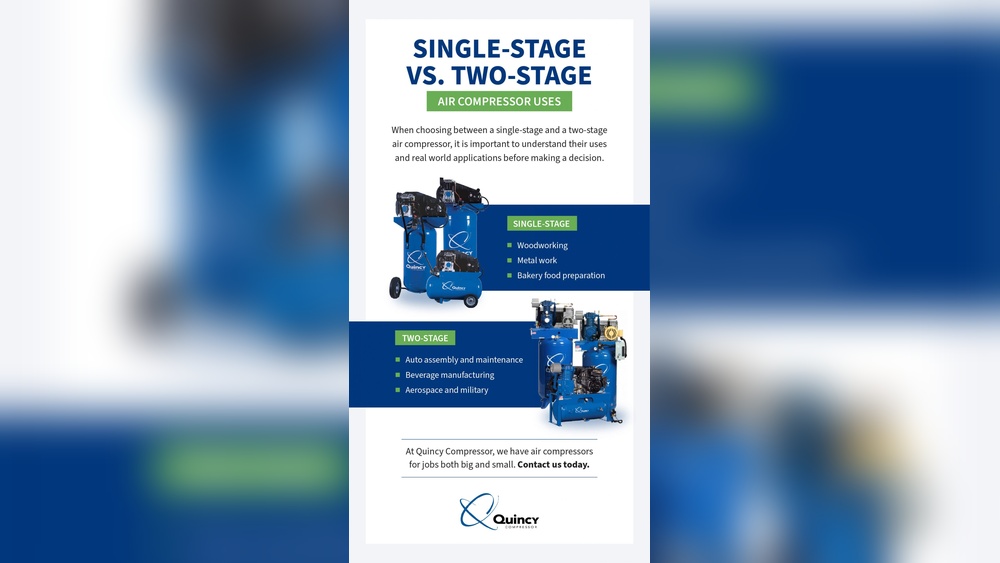
When it comes to choosing an air compressor, you might find yourself stuck between a dual tank air compressor and a single tank model. Which one is right for you?
The answer can make a big difference in how well your tools work and how much time you spend on your projects. You want something reliable, efficient, and suited to your needs. You’ll discover the key differences, benefits, and drawbacks of both options.
By the end, you’ll have a clear idea of which compressor fits your work style and budget perfectly. Keep reading to make the smartest choice for your next project.
Dual Tank Air Compressor Basics
Understanding dual tank air compressors helps you choose the right tool. These compressors use two tanks to store air. This design offers benefits over single tank models. Dual tanks provide more air capacity and smoother operation. These features make them ideal for bigger jobs or longer use times.
The basics of dual tank compressors focus on how they work and their main features. Knowing these points helps compare them with single tank compressors. It also guides you to pick the best option for your needs.
How Dual Tanks Work
Dual tank air compressors use two connected tanks. Air is pumped into both tanks at the same time. This doubles the storage space for compressed air. The extra air means longer work without stopping to refill.
Air flows smoothly from the tanks. This reduces pressure drops during heavy use. The compressor runs less often, saving energy and wear. Overall, dual tanks keep air supply steady and strong.
Key Features And Specs
Dual tank compressors usually have larger total tank capacity. Common sizes range from 20 to 60 gallons or more. They often have higher horsepower motors for better performance.
These compressors offer better airflow rates, measured in CFM (cubic feet per minute). Higher CFM means faster tool operation. Dual tanks also reduce vibration and noise compared to single tanks.
Many models include safety valves and easy drain systems. These keep the compressor safe and well maintained. Overall, dual tank air compressors balance power, capacity, and durability.
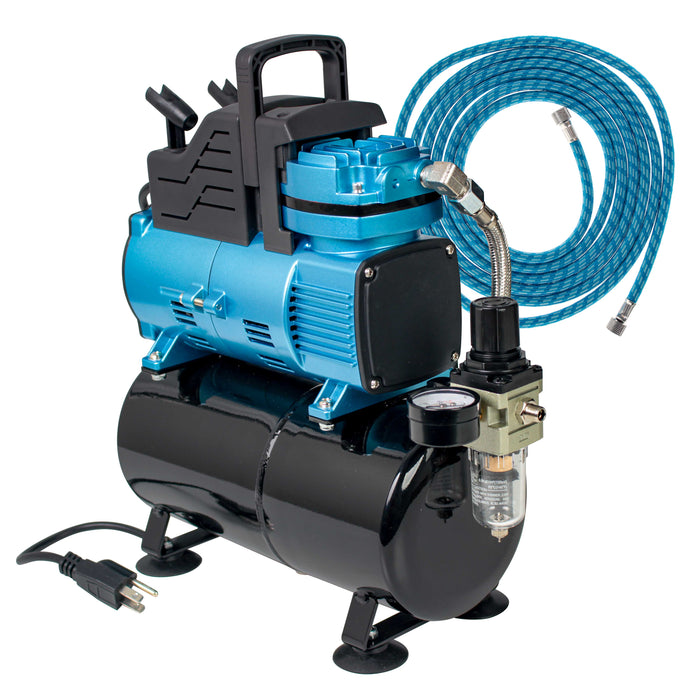
Credit: tcpglobal.com
Single Tank Air Compressor Essentials
Single tank air compressors are popular choices for many users. They offer a simple design and easy handling. These compressors provide enough power for small to medium tasks. Understanding their basics helps choose the right tool for your needs.
Design And Functionality
Single tank compressors have one air storage tank. The tank holds compressed air for use. The motor pumps air into the tank. It stops when the tank reaches the set pressure. Air is released through an outlet valve for tools.
The design is compact and easy to move. Many models come with wheels and handles. This makes them convenient for home or job sites. They are quieter and lighter than dual tank models. Maintenance is straightforward with fewer parts to check.
Common Applications
Single tank compressors suit small tasks well. They work for inflating tires, sports equipment, and air mattresses. Home DIY projects like nailing or stapling benefit from these compressors. They power small spray guns and airbrushes too.
These compressors fit in tight spaces easily. They are ideal for hobbyists and occasional users. Single tank units save space and energy. They deliver enough air for tasks without large demands.
Performance Comparison
Performance is key when choosing between dual tank and single tank air compressors. This section compares their capabilities to help you decide which fits your needs best. Understanding air delivery, pressure, tank size, and efficiency makes the choice clearer.
Air Delivery And Pressure
Dual tank compressors usually provide higher air delivery. They can maintain steady pressure longer than single tanks. This means fewer drops in pressure during use. Single tank compressors often struggle with continuous air flow. Their pressure can fall quickly under heavy use. Dual tanks also handle larger tools better. Single tanks work well for smaller jobs or light tools.
Tank Capacity And Efficiency
Dual tank compressors have larger total tank capacity. Two tanks store more compressed air than one. This allows longer work periods before the motor runs again. Single tank compressors have smaller tanks and fill faster. They use less space but may need more breaks. Dual tanks tend to run more efficiently over time. They reduce motor wear by cycling less frequently. Single tanks are easier to carry and store but may cost more in energy.
Durability And Maintenance
Durability and maintenance are important factors when choosing between a dual tank air compressor and a single tank model. These aspects affect how long the compressor will last and how much effort is needed to keep it running smoothly. Understanding the differences helps you pick the right tool for your needs.
Wear And Tear Factors
Dual tank compressors often spread the workload between two tanks. This reduces pressure on each tank and lowers wear. Single tank compressors handle all the air in one place, which can increase stress on that tank. More stress may lead to faster wear and damage over time. Dual tanks also cool down faster, which helps prevent overheating. Overheating can cause parts to wear out quickly. Parts like valves, hoses, and seals wear out with use. Dual tanks may extend the life of these parts by sharing the work.
Maintenance Requirements
Maintenance for dual tank compressors can be a bit more detailed. They need regular checks on both tanks and their connections. Draining moisture from two tanks takes more time but keeps rust away. Single tank compressors need simpler maintenance routines because they have fewer parts. Both types require oil changes if they are oil-lubricated. Cleaning air filters and checking belts are common tasks for both. Proper maintenance helps avoid breakdowns and keeps the compressor working longer. Following the manufacturer’s guide makes maintenance easier and more effective.
Portability And Space
Choosing between a dual tank air compressor and a single tank model often depends on space and portability. These factors affect how easily you can move and store the compressor. Understanding the size and weight differences helps decide which suits your needs. Storage also plays a key role, especially in small workshops or tight spaces.
Size And Weight Differences
Single tank air compressors are usually smaller and lighter. They fit easily in tight spaces and are simpler to carry. Dual tank compressors have two tanks, making them larger and heavier. This extra weight can make moving them harder. You might need wheels or a cart for transportation. Size impacts how you use the compressor daily.
Storage Considerations
Single tank compressors need less storage space. They fit well on shelves or under benches. Dual tank models require more room due to their larger size. Find a spot that keeps them safe and out of the way. Think about how often you will use the compressor. Store it where it is easy to reach but not in the way.

Credit: edrev.asu.edu
Cost Analysis
Cost analysis is key when choosing between dual tank and single tank air compressors. Understanding the expenses helps pick the right one for your needs. This section breaks down the initial cost and long-term expenses.
Initial Investment
Dual tank air compressors usually cost more upfront than single tank models. The extra tank and parts add to the price. Single tank compressors are simpler and cheaper to buy. For small projects, a single tank saves money at first.
Dual tanks offer better performance but require a bigger budget. Consider your project size before spending more. The initial investment is important but not the only factor to think about.
Long-term Expenses
Dual tank compressors tend to use energy more efficiently. This can lower your electricity bills over time. Single tanks may run more often, using more power. Maintenance costs might be higher with dual tanks due to extra parts.
Single tank models are easier and cheaper to fix. Dual tanks last longer if maintained well, reducing replacement costs. Think about how often you use the compressor to estimate long-term costs.
Best Use Cases
Choosing between a dual tank air compressor and a single tank model depends on the specific tasks and environment. Each type has its own strengths that fit certain uses better. Understanding these differences helps you pick the right compressor for your needs.
Industrial Vs Home Use
Dual tank air compressors suit industrial settings well. They provide more air volume and keep pressure steady for long work periods. Factories, workshops, and construction sites need this power and reliability.
Single tank compressors work better at home. They are smaller, lighter, and easier to move. Ideal for DIY projects, inflating tires, or small repairs. They use less space and require less maintenance.
Project Type Suitability
Projects needing continuous air flow fit dual tank compressors best. Painting large surfaces, running multiple pneumatic tools, or heavy-duty tasks benefit from the steady pressure and higher capacity.
Single tank compressors work well for short jobs or low air demand. Tasks like nailing, stapling, or airbrushing require less air volume. They fill quickly and are ready for use fast.

Credit: edrev.asu.edu
Making The Right Choice
Choosing between a dual tank air compressor and a single tank model can be challenging. Each type offers unique benefits. Understanding your needs helps make the best choice. This guide breaks down key points to consider. It focuses on matching performance and budget to your work demands.
Evaluating Needs
Think about the tasks you plan to do. Are you working on small projects or heavy-duty jobs? Single tank compressors suit light, occasional use. Dual tank models handle longer, continuous work better. Check the air tools you will use. Some tools need a steady air supply. Dual tanks provide more air storage for such tools. Consider space too. Single tanks take less room. Dual tanks are bulkier but offer more power.
Balancing Performance And Budget
Compare prices of both types. Single tanks usually cost less upfront. Dual tanks cost more but last longer under heavy use. Think about electricity costs too. Bigger compressors use more power. Look at maintenance needs. Dual tanks may require more care. Weigh these costs against how often you use the compressor. Spending more makes sense if you work a lot. For occasional use, a single tank might be enough. Choose what fits your budget and work style best.
Frequently Asked Questions
What Are The Main Differences Between Dual And Single Tank Air Compressors?
Dual tank compressors offer larger air storage and longer run times. Single tank compressors are more compact and portable but have less capacity. The choice depends on your project size and portability needs.
Is A Dual Tank Air Compressor Better For Heavy-duty Tasks?
Yes, dual tank compressors handle heavy-duty tasks better. They provide consistent air pressure and longer continuous use. Single tanks suit lighter tasks or occasional use.
Which Air Compressor Type Saves More Energy?
Dual tank compressors are generally more energy-efficient for extended use. They reduce motor cycling by storing more air. Single tanks may use more energy due to frequent motor starts.
Are Single Tank Air Compressors Easier To Transport?
Yes, single tank compressors are lighter and more portable. Their compact design makes them ideal for on-the-go jobs. Dual tanks are bulkier and less convenient to move.
Conclusion
Choosing between dual tank and single tank air compressors depends on your needs. Dual tanks hold more air and run longer without stopping. Single tanks are lighter and easier to carry around. Think about how much air you use and where you work.
Bigger projects may need dual tanks for steady power. Small jobs might do fine with a single tank. Both have their strengths. Use this guide to pick the best fit for you. Simple and clear choices make work easier and faster.