
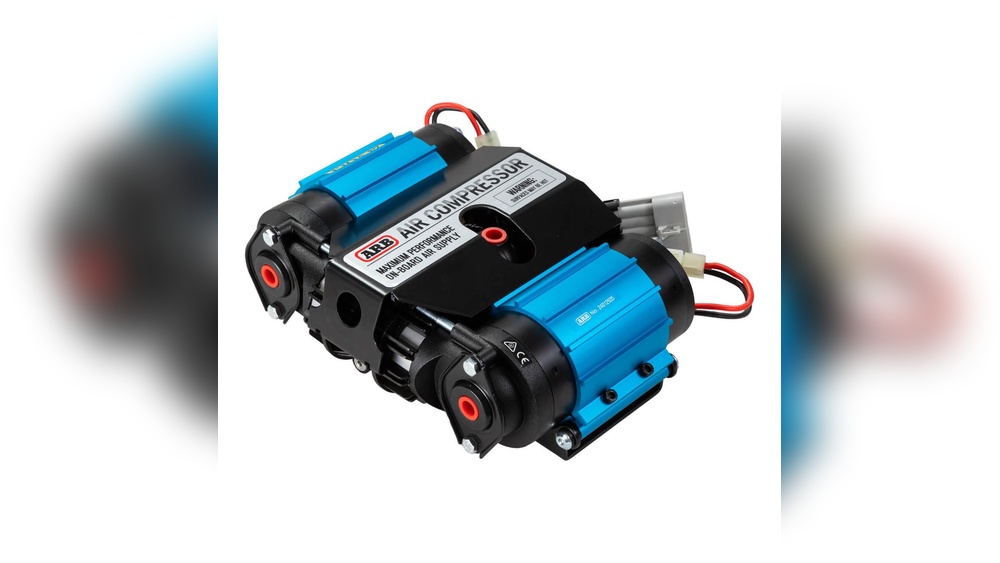
Choosing the right air compressor is important, especially if you work with vehicles, off-road gear, or industrial tools. ARB air compressors are well-known for their reliability and performance. But one question often comes up: should you choose a 12V or 24V model? This decision affects how you power the compressor, what vehicles you can use it with, and even the compressor’s efficiency. If you want to avoid future headaches and get the best value, understanding these differences is crucial.
Many buyers only look at the price or the voltage that matches their vehicle. But there are other factors you should consider, such as power output, wiring needs, and long-term use. This article will break down each key aspect of the ARB Air Compressor 12V vs 24V debate, giving you clear explanations, real-world examples, and practical advice. By the end, you’ll know exactly which option fits your needs.
Understanding Arb Air Compressors
ARB is a respected Australian company, famous for making high-quality 4×4 accessories. Their air compressors are used worldwide, especially by off-road drivers who need to inflate tires, run air lockers, or power tools. ARB offers both 12V and 24V models, each designed for different vehicle types and uses.
ARB compressors are known for:
- Strong build quality (metal casings, sealed electronics)
- Consistent performance under harsh conditions
- Easy integration with vehicle systems
But voltage is a major difference that affects everything from installation to everyday use.
The Basics: 12v Vs 24v Explained
What Does Voltage Mean?
The voltage of a compressor refers to the electric system it’s designed for. Most passenger cars, SUVs, and light trucks use 12V batteries. Larger trucks, heavy machinery, and some commercial vehicles use 24V systems.
- 12V compressors can be connected directly to a standard car battery.
- 24V compressors need a 24V power source, usually found in larger vehicles or by connecting two 12V batteries in series.
Why Does Voltage Matter?
The voltage affects:
- Compatibility with your vehicle
- Wiring and installation needs
- Power delivery and efficiency
- Safety considerations
Choosing the wrong voltage can mean your compressor won’t work or could even damage your vehicle’s electrical system.
Key Differences Between Arb 12v And 24v Compressors
Understanding the differences can help you avoid expensive mistakes. Here’s a side-by-side look:
| Feature | ARB 12V Compressor | ARB 24V Compressor |
|---|---|---|
| Voltage | 12 Volts | 24 Volts |
| Vehicle Type | Most cars, SUVs, light trucks | Heavy-duty trucks, buses, machinery |
| Current Draw | Higher (for same power) | Lower (for same power) |
| Wiring Needs | Thicker wires needed | Can use thinner wires |
| Availability | Widely available | Less common |
Performance And Power Output
A common myth is that 24V compressors are always more powerful. In reality, power output (measured in CFM or liters/minute) is similar if you compare the same ARB model at 12V and 24V. The difference lies in how efficiently they reach that power.
- 12V compressors draw more current (amps) to reach the same power level as a 24V unit.
- 24V compressors use less current but operate at higher voltage, which can reduce heat in the wires and make the system more efficient, especially with long wiring runs.
For example, the ARB CKMA12 (12V) and CKMA24 (24V) both deliver about 2.65 CFM at zero pressure, but the 24V version draws about half the current.
Real-world Example
If you plan to mount your compressor far from the battery (such as in the back of a truck), a 24V system can help reduce voltage drop and make wiring simpler. This is often why heavy trucks use 24V accessories.
Installation Considerations
Wiring
- 12V compressors need thicker wires to handle the higher current. If your wires are too thin, you risk overheating, voltage drop, or even fire.
- 24V compressors can use thinner wires, making installation easier in large vehicles or when running wires over a long distance.
Battery Compatibility
- Use a 12V compressor only with 12V batteries.
- Use a 24V compressor only with 24V systems or two 12V batteries in series.
Never try to run a 24V compressor on a single 12V battery—it will not work and can damage the compressor.
Fusing And Safety
Always use the correct fuse size for your model:
- 12V compressors need a higher amp fuse.
- 24V compressors require a lower amp fuse for the same power.
Follow ARB’s installation instructions closely to avoid electrical problems.
Practical Applications: Which Voltage For Which User?
Who Should Choose 12v?
- Recreational off-roaders with standard vehicles
- People needing a portable compressor for car tires or light air tools
- Users with only 12V power sources
Who Should Choose 24v?
- Owners of heavy trucks, buses, or construction vehicles
- Users running long wires (such as in RVs or buses)
- Fleet operators who already have 24V systems
Choosing the right model for your electrical system means safer, more reliable operation.
Size, Weight, And Portability
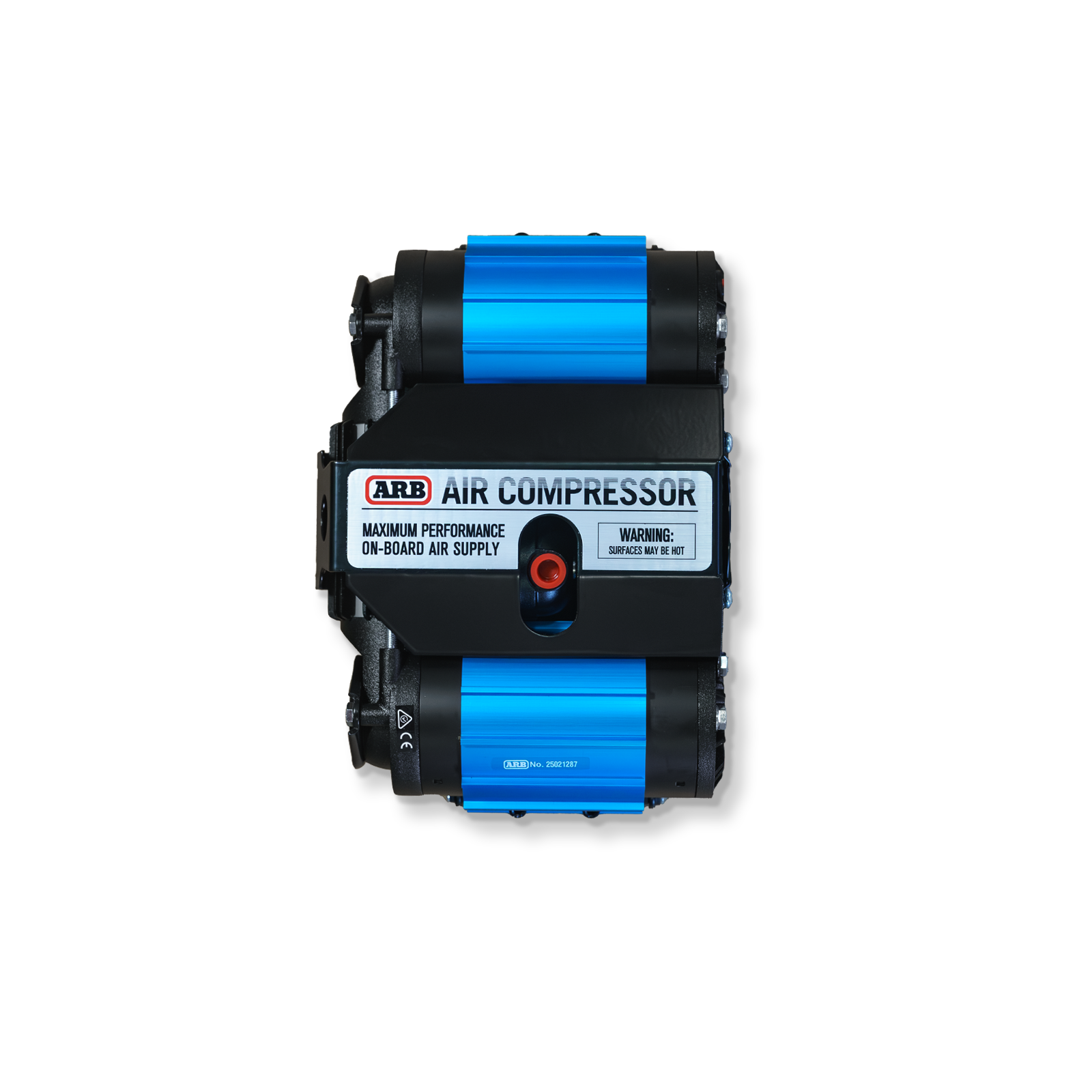
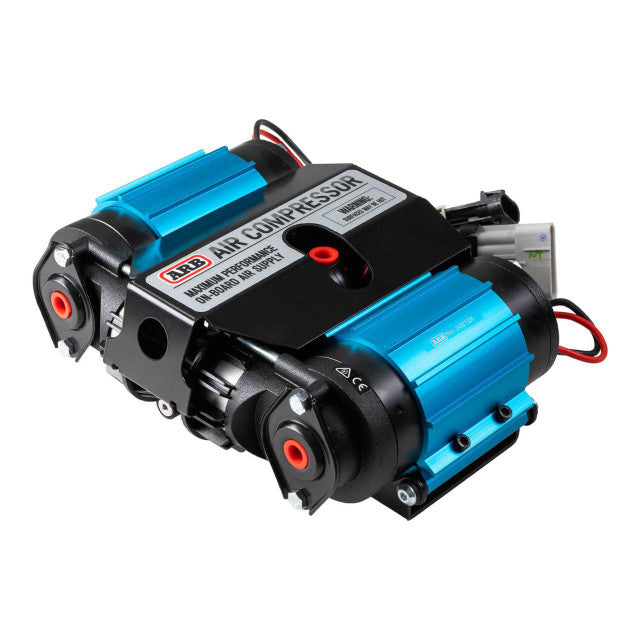
Both 12V and 24V ARB compressors are similar in size and weight if you compare the same model. For example, the ARB CKMA12 and CKMA24 both weigh about 8.5 pounds and are compact enough to fit under a seat or in an engine bay.
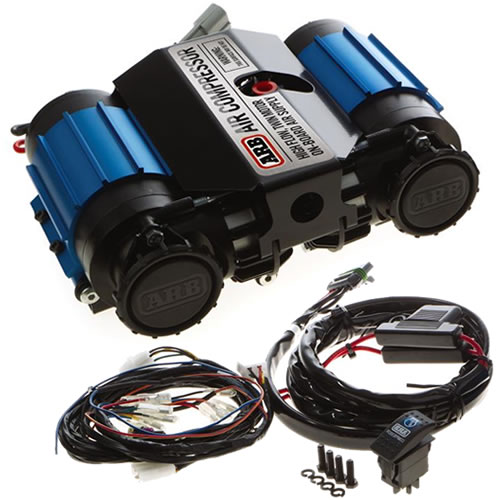
However, 12V compressors are more common in portable kits (with alligator clips for battery connection), while 24V units are usually installed permanently in vehicles.
Cost And Availability
In most markets, 12V ARB compressors are easier to find and may be slightly cheaper due to higher demand. 24V models are less common and might need to be special-ordered. But the price difference is usually small for the same model.
One hidden cost is wiring: 12V systems may require you to buy thicker cables and bigger fuses, which can add to the installation cost, especially for longer runs.
Credit: owlvans.com
Maintenance And Reliability
Both 12V and 24V ARB compressors are built to last, with sealed components to keep out dust and water. Maintenance is minimal: keep the air filter clean and check for any leaks or worn wiring.
However, a 24V system puts less stress on wiring and connectors, especially in high-demand or long-run setups. This can lead to fewer electrical problems over time.
Common Mistakes To Avoid
- Mixing up voltages: Never connect a 24V compressor to a 12V battery (or vice versa).
- Ignoring wire size: Too-thin wires can overheat and reduce compressor efficiency.
- Not checking fuse ratings: The wrong fuse can lead to equipment damage or fire.
- Assuming all accessories are compatible: Some air lockers, switches, or relays are voltage-specific.
Many beginners forget to check the voltage of their accessories, leading to expensive electrical problems.
Real-world Scenarios
Scenario 1: Off-road Weekend Warrior
You drive a standard SUV and need a compressor for inflating tires after a trail run. Your vehicle uses a 12V battery. Here, a 12V ARB compressor is perfect—easy to install, portable, and matches your vehicle’s system.
Scenario 2: Commercial Truck Operator
You run a fleet of 24V trucks and want to install a compressor in each one for tire inflation and air lockers. A 24V ARB compressor is the right choice—less wiring hassle, more efficient for long wire runs, and matches your trucks’ power supply.
Scenario 3: Rv Owner With Dual Batteries
Your RV has both 12V and 24V systems. Installing a 24V compressor where the batteries are far from the compressor location can save on wire size and reduce voltage drop.
Comparing Models: Ckma12 Vs Ckma24
Let’s look at two popular ARB models:
| Model | Voltage | Max Air Flow (CFM) | Current Draw | Weight |
|---|---|---|---|---|
| CKMA12 | 12V | 2.65 | 28 Amps | 8.5 lbs |
| CKMA24 | 24V | 2.65 | 14 Amps | 8.5 lbs |
Both offer the same air delivery, but the 24V version draws half the amps, making it easier to wire in large vehicles.
Credit: www.headstrongoffroad.com
Long-term Considerations
- Resale value: 12V compressors may have a wider market if you want to sell later.
- Future upgrades: If you plan to move the compressor to a different vehicle, choose the voltage that matches your next vehicle.
- Service and parts: 12V parts are usually easier to find, especially when traveling.
Which One Is Right For You?
Ask yourself these key questions:
- What is my vehicle’s battery voltage?
- Do I need a portable or permanently mounted compressor?
- Will I run long wires? (If yes, 24V may be better)
- Do I plan to use the compressor with air lockers or power tools?
- What is available in my local market?
If you’re still unsure, talk to an experienced installer or visit the official ARB website for guidance.
Credit: www.dynatrac.com
Frequently Asked Questions
Is A 24v Air Compressor More Powerful Than A 12v Model?
No. For the same ARB model, both 12V and 24V versions offer similar air output. The main difference is that the 24V model uses less current, which can make wiring easier in large vehicles.
Can I Use A 12v Compressor With A 24v Battery?
Never do this. A 12V compressor connected to a 24V system will be damaged and may create a fire hazard. Always match the compressor voltage to your battery voltage.
What Happens If I Use Thin Wires With My Compressor?
Using wires that are too thin for your compressor’s current draw can cause overheating, voltage drop, and even start a fire. Always use the wire size recommended by ARB for safe operation.
Are 24v Arb Compressors Harder To Find?
They are less common than 12V models, especially in regions where most vehicles use 12V systems. But you can order them from ARB dealers or online stores.
Where Can I Find More Technical Details About Arb Compressors?
You can find detailed specifications, wiring guides, and installation tips on the official ARB website.
Choosing between an ARB air compressor 12V vs 24V is simple once you know your needs. Match the voltage to your vehicle, think about how you’ll install and use the compressor, and remember the hidden factors like wiring and long-term reliability. With the right information, you’ll enjoy years of trouble-free use—on or off the road.