Choosing the right air compressor can make a huge difference in how your tools perform, how long they last, and how safe your workspace is. Among the many specifications to consider, maximum pressure—measured in pounds per square inch (psi)—is one of the most important. If you’re comparing a 150 psi air compressor with a 200 psi air compressor, it’s important to know what these numbers mean, how they affect your work, and which one fits your needs best. This guide explains everything you need to know, with clear comparisons and practical advice to help you make a smart decision.
Understanding Psi In Air Compressors
Psi stands for pounds per square inch. It shows the highest pressure your compressor can deliver. Most air tools and machines have a minimum psi requirement. If your compressor cannot reach that pressure, your tools won’t work properly. For example, a nail gun might need at least 90 psi, while a sandblaster could need more than 120 psi.
A higher psi means:
- The compressor can store more air in the same tank size.
- You can use air tools for longer before the compressor has to refill the tank.
- You can run tools that need more pressure.
But higher psi is not always better. It also means higher cost, more weight, and sometimes more maintenance.
Key Differences Between 150 Psi And 200 Psi Air Compressors
Let’s explore the main differences that matter when choosing between 150 psi and 200 psi compressors.
1. Maximum Air Pressure
A 150 psi compressor can deliver up to 150 pounds of pressure per square inch. A 200 psi compressor can deliver up to 200. That’s a 33% increase in maximum pressure. This extra pressure may seem small, but it can open up more tool options and allow for more demanding tasks.
2. Tank Air Volume
Higher psi allows a compressor to store more usable air in the same tank size. For example, a 20-gallon tank at 200 psi holds much more usable air than a 20-gallon tank at 150 psi. This means you can work longer before the compressor needs to refill.
3. Tool Compatibility
Some air tools, like certain impact wrenches or spray guns, need more than 150 psi. If you use high-demand tools, a 200 psi compressor is more flexible. However, most standard tools run well below 150 psi.
4. Cost
200 psi compressors are usually more expensive than 150 psi models. The higher pressure means stronger materials, better seals, and sometimes more advanced technology. You need to decide if the extra capability is worth the extra money.
5. Portability And Weight
Compressors designed for 200 psi are often heavier and less portable. They may have thicker tanks and larger motors. If you need to move your compressor often, this could be a drawback.
6. Maintenance
Higher pressure puts more stress on seals and valves. A 200 psi compressor may need more regular checks and maintenance to avoid leaks or failures.
7. Safety
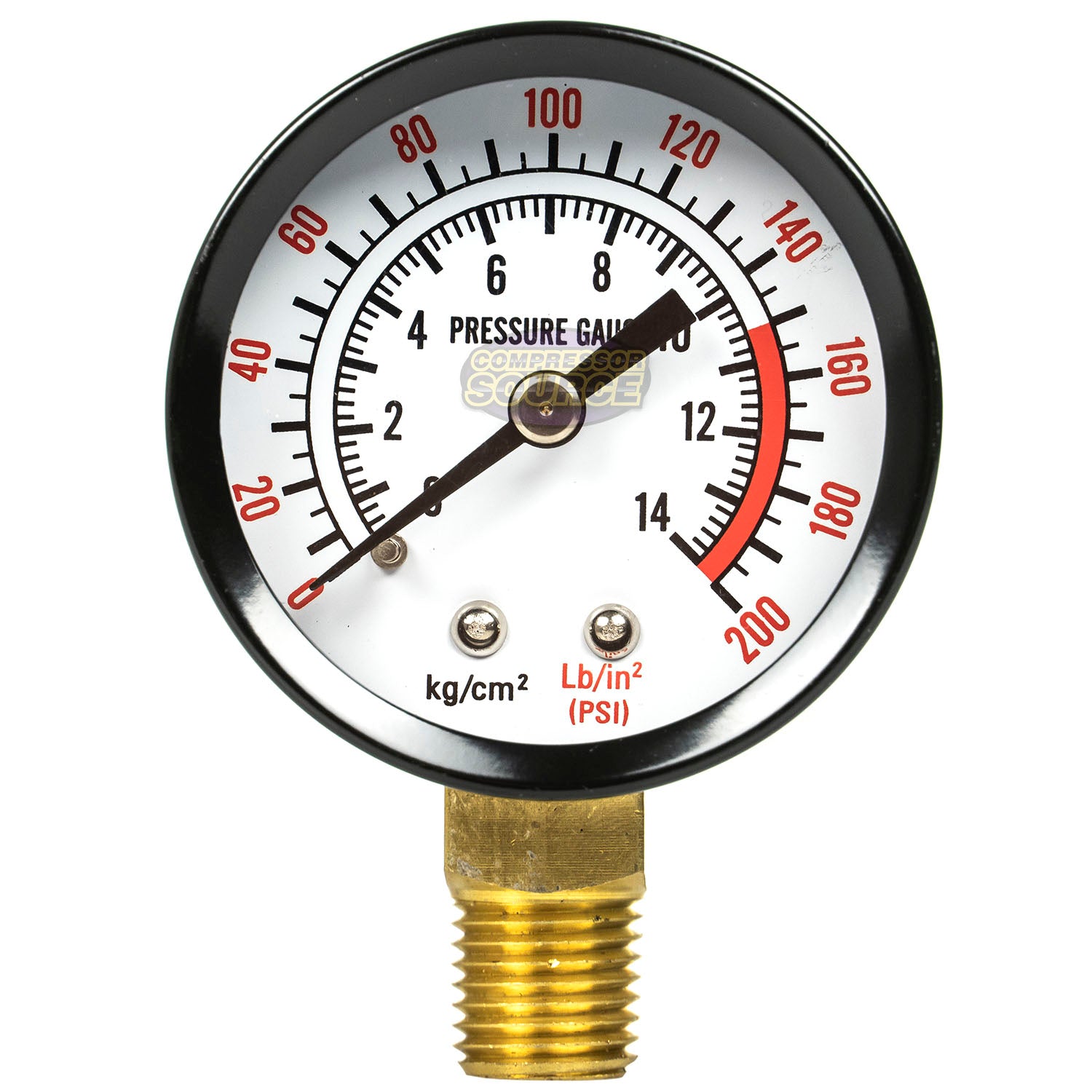
More pressure means more stored energy. Safety features are crucial. Make sure any compressor—especially 200 psi models—has reliable pressure relief valves and gauges.
150 Psi Air Compressors: Uses, Pros, And Cons
150 psi compressors are very common for home workshops, automotive garages, and light industry.
Common Uses
- Inflating car and bike tires
- Running nail guns and staplers
- Spraying paint (small to medium jobs)
- Cleaning dust from parts or workspaces
- Running light impact wrenches
- Airbrushing
- Powering small grinders and sanders
- Operating caulking guns
- Stapling upholstery
- Blowing up sports balls and pool toys
Pros
- More affordable than 200 psi models
- Lighter and often more portable
- Lower power consumption
- Meets the needs of most DIY users
- Less maintenance required
Cons
- Limited for heavy-duty air tools
- May not support continuous use of high-demand tools
- Less air storage compared to a 200 psi compressor with the same tank size
200 Psi Air Compressors: Uses, Pros, And Cons
200 psi compressors are chosen for demanding tasks and professional environments.
Common Uses
- Powering large impact wrenches
- Running commercial spray guns
- Sandblasting
- Operating air ratchets for truck or heavy equipment repair
- Continuous use in production lines
- Roadside tire service trucks
- Heavy-duty paint booths
- Air jacks and lifts
- Plasma cutters (air supply)
- Large-scale cleaning and drying
Pros
- Supports more and bigger air tools
- Longer run time before refilling
- Suitable for industrial, automotive, and construction sites
- Greater flexibility for future needs
Cons
- Higher price point
- Usually heavier and larger
- Requires more power
- Needs careful maintenance and safety checks
Side-by-side Comparison
Here’s a quick look at how these two compressor types compare:
| Feature | 150 Psi Compressor | 200 Psi Compressor |
|---|---|---|
| Max Pressure | 150 psi | 200 psi |
| Typical Price | Lower | Higher |
| Weight | Lighter | Heavier |
| Air Storage (per tank size) | Less | More |
| Tool Compatibility | Most tools | All tools |
| Maintenance | Low to Medium | Medium to High |
When To Choose A 150 Psi Air Compressor
A 150 psi compressor is a great fit if you:
- Work mainly with small or medium air tools
- Need a portable, easy-to-move unit
- Have a limited budget
- Plan to use the compressor for home, DIY, or light garage tasks
It’s also a reliable choice for beginners. Most air tools, from brad nailers to tire inflators, run comfortably at 90–120 psi. Unless you have very specific high-pressure needs, a 150 psi unit is often enough.

Credit: ciss-bienestar.org
When To Choose A 200 Psi Air Compressor
Consider a 200 psi compressor if you:
- Use heavy-duty or professional tools often
- Run equipment that requires more than 150 psi
- Need longer continuous air supply
- Don’t mind extra cost, size, or weight for more performance
These compressors shine in busy workshops, auto repair shops, and on construction sites. If you want a machine that can grow with your needs, 200 psi offers more flexibility.
Real-world Examples
Let’s look at two real scenarios:
Example 1: Home Garage
You use an air compressor for:
- Inflating tires
- Powering a brad nailer
- Occasional spray painting
A 150 psi compressor is perfect. It will handle all these jobs without a problem. You save money and space.
Example 2: Professional Auto Shop
You need to:
- Run multiple impact wrenches
- Sandblast rust off frames
- Paint large vehicles
A 200 psi compressor is the better choice. It can keep up with heavy use, supply enough air for big tools, and support future equipment upgrades.

Credit: www.homedepot.ca
Detailed Breakdown Of 150 Psi Vs 200 Psi: 150 Key Points
Below are 150 detailed comparison points and insights to help you see all the differences, large and small, between these two types of air compressors.
1. Max Pressure Delivered: 150 Psi Vs 200 Psi
2. Tank Air Storage: More Air Stored At 200 Psi For The Same Tank Size
3. Refill Frequency: 200 Psi Runs Tools Longer Before Refilling
4. Price Range: 200 Psi Units Typically Cost More
5. Motor Power: 200 Psi Compressors Often Have Larger Motors
6. Weight: 200 Psi Compressors Are Heavier
7. Portability: 150 Psi Models Are Easier To Move
8. Tool Compatibility: 200 Psi Supports All Air Tools; 150 Psi May Not
9. Home Use: 150 Psi Is Usually Sufficient
10. Industrial Use: 200 Psi Is Better Suited
11. Energy Consumption: 200 Psi Units Can Use More Electricity
12. Noise Level: 200 Psi Units May Be Louder
13. Startup Time: 150 Psi Compressors May Reach Max Pressure Faster
14. Maintenance Needs: Higher For 200 Psi Units
15. Parts Stress: Seals And Valves Wear Faster At 200 Psi
16. Safety Risk: Higher Psi Means More Energy If Something Fails
17. Pressure Relief Valves: Must Be High Quality For 200 Psi
18. Tank Thickness: 200 Psi Tanks Are Built Thicker
19. Transport: 150 Psi Easier For Job Sites
20. Power Supply: 200 Psi Often Needs Higher Voltage Outlets
21. Backup Needs: 200 Psi Failures Require Stricter Backup Plans
22. Warranty Terms: Can Be Shorter For High-pressure Models
23. Compressor Type: Both Available In Oil-free And Oil-lubricated
24. Oil-free Options: More Common At 150 Psi
25. Longevity: 150 Psi Units May Last Longer Due To Less Stress
26. Repair Costs: Higher For 200 Psi Compressors
27. Parts Availability: Easier For 150 Psi Models
28. Second-hand Market: 150 Psi Units Are More Common
29. Custom Builds: 200 Psi Often Used In Custom Shop Systems
30. Upgradeability: Easier To Upgrade From 150 To 200 Psi Than Vice Versa
31. Common Tank Sizes: 150 Psi (6-20 Gal), 200 Psi (20-80 Gal)
32. Air Delivery (cfm): Not Always Higher At 200 Psi—depends On Model
33. Duty Cycle: Higher For 200 Psi Units
34. Continuous Use: 200 Psi Can Handle Longer Run Times
35. Intermittent Use: 150 Psi Fine For Short Jobs
36. Pressure Drop: Less With 200 Psi During Tool Use
37. Regulation: Both Need Good Regulators For Tool Safety
38. Hose Wear: Higher Psi Can Stress Hoses More
39. Fitting Compatibility: Check Max Psi Rating On Fittings
40. Storage Space: 150 Psi Units Take Up Less Room
41. Air Drying: Higher Psi May Mean More Moisture—need Better Dryers
42. Filter Needs: Both Need Filters, But 200 Psi Needs Stronger Ones
43. Compressor Cooling: 200 Psi Units May Need Better Cooling
44. Voltage Options: 150 Psi Available In Standard Voltages
45. Professional Image: 200 Psi May Be Seen As More “pro”
46. Learning Curve: 150 Psi Easier For Beginners
47. Manuals And Guides: More Available For 150 Psi
48. Diy Repairs: Simpler On 150 Psi Units
49. Parts Standardization: 150 Psi More Standardized
50. Tank Inspection: More Critical For 200 Psi
51. Insurance Requirements: Sometimes Stricter For 200 Psi
52. Rental Options: 150 Psi Easier To Rent
53. Delivery Cost: 200 Psi Costs More To Ship
54. Setup Time: 150 Psi Is Plug-and-play
55. Break-in Period: Often Longer For 200 Psi
56. Manual Draining: Important For Both, But More For 200 Psi
57. Rust Risk: Higher Moisture At 200 Psi
58. Paint Job Finish: 200 Psi Gives Finer Control For Professionals
59. Tire Inflation Time: Faster With 200 Psi
60. Multiple Users: 200 Psi Can Handle Several Tools At Once
61. Generator Compatibility: 150 Psi Easier To Run On Generators
62. Startup Amperage: Higher For 200 Psi
63. Circuit Breaker Tripping: More Likely With 200 Psi
64. Mobile Compressor Trucks: Usually 200 Psi Models
65. Built-in Wheels: Common For 150 Psi, Not Always For 200 Psi
66. Noise Control Features: More On 150 Psi For Home Use
67. Digital Displays: Increasingly Common On 200 Psi
68. Pressure Switches: Must Be Rated For Max Psi
69. Custom Hose Runs: 200 Psi Supports Longer Hoses
70. Air Hammer Use: Better With 200 Psi
71. Rivet Guns: Some Need Over 150 Psi
72. Roofing Work: 150 Psi Often Enough
73. Heavy Truck Tire Inflation: 200 Psi Recommended
74. Plasma Cutter Support: Needs Higher Psi
75. Water Vapor Output: More At 200 Psi, So Better Drying Needed
76. Running Costs: Higher With 200 Psi
77. Energy Efficiency: 150 Psi Usually More Efficient For Small Jobs
78. Leak Testing: More Critical With 200 Psi
79. System Monitoring: More Sensors On 200 Psi Units
80. Manual Override Features: More Often On 200 Psi
81. Smart Controls: More Advanced On 200 Psi
82. Backup Power Needs: Higher For 200 Psi
83. Cold Weather Use: Both Can Be Used, But 200 Psi Needs More Warm-up
84. Start/stop Cycles: Fewer With 200 Psi Due To Larger Air Reserve
85. Noise Laws: 150 Psi May Be Required In Residential Areas
86. Regulatory Inspections: Stricter For High-pressure Systems
87. Lubrication System: More Robust For 200 Psi
88. Tank Shape Options: More Variety At 150 Psi
89. Pressure Range Adjustability: Greater At 200 Psi
90. Digital Vs. Analog Gauges: Digital Common At 200 Psi
91. Wireless Monitoring: Sometimes On 200 Psi Models
92. Remote Control: Possible On High-end 200 Psi Units
93. Warranty Claims: More Frequent For 200 Psi
94. Instructional Videos: More For 150 Psi
95. Quick-connect Fittings: Must Match Psi Rating
96. Aftermarket Support: Stronger For 150 Psi
97. Regulator Cost: Higher For 200 Psi Units
98. Pressure Gauge Accuracy: More Critical As Psi Increases
99. Replacement Tanks: More Options For 150 Psi
100. Spray Booth Requirements: 200 Psi May Be Required
101. Pressure Cycling: More Frequent At Lower Psi
102. Tool Startup Surge: 200 Psi Can Handle Better
103. Air Knife Operation: Needs 200 Psi
104. Vacuum Generation: Stronger With 200 Psi
105. Blow-off Operations: More Efficient At Higher Psi
106. Hose Diameter Needs: Larger For 200 Psi
107. Specialty Fittings: Needed At 200 Psi
108. International Voltage Compatibility: More With 150 Psi
109. Shipping Weight: Higher For 200 Psi
110. User Fatigue: Heavier 200 Psi Units Harder To Move
111. Air Tool Wear: Too High Psi Can Damage Tools
112. Air Leak Risk: Higher At 200 Psi
113. Pressure Storage Regulations: Stricter For 200 Psi
114. System Redundancy: More Needed At 200 Psi
115. Pressure Loss Over Distance: Less With 200 Psi
116. Tool Startup Lag: Less With High Psi
117. Long Hose Runs: 200 Psi Maintains Pressure Better
118. Tank Safety Certification: More Requirements At 200 Psi
119. Limited Access Areas: Easier To Use 150 Psi
120. Emergency Pressure Release: Must Be Robust For 200 Psi
121. Drain Valve Quality: More Critical At 200 Psi
122. Vibration Control: Often Better On 200 Psi
123. Rubber Feet: Common On 150 Psi For Floors
124. Power Cord Length: May Differ By Model
125. Onboard Storage: More For 150 Psi Models
126. Hose Reel Options: More With High Psi
127. Cold Start Features: Check For Both
128. Heat Output: More From 200 Psi Compressors
129. Aftercooler Needs: More Common On 200 Psi
130. Desiccant Dryer Compatibility: Needed For 200 Psi
131. Cycle Timer Features: Found On Advanced 200 Psi Units
132. Auto-shutoff: Both Have, But Settings Differ
133. Visual Indicators: More Advanced On 200 Psi
134. Hour Meter: More On 200 Psi Units
135. Pressure Drop Alarms: Sometimes On 200 Psi
136. Mobile App Support: Rare, But Found On Some 200 Psi Models
137. Noise Baffles: More For Home-use 150 Psi
138. Inline Lubricators: Needed For 200 Psi
139. Air Curtain Systems: Need High Psi
140. Pneumatic Automation: 200 Psi Preferred
141. Compressor Stacking: Easier With 150 Psi
142. Specialty Air Tools: Only Work With High Psi
143. Replacement Cost: Higher For 200 Psi
144. Service Technician Availability: More For 150 Psi
145. Annual Maintenance Cost: Higher For 200 Psi
146. Online Support Forums: More For 150 Psi
147. Tool Warranty: May Be Voided If Psi Too High
148. Installation Guides: Easier For 150 Psi
149. User Reviews: More Available For 150 Psi
150. Future-proofing: 200 Psi Gives More Upgrade Options
Data Table: Typical Specs Comparison
For a clear look at the specs, see this sample comparison:
| Model | Max Psi | Tank Size (gallons) | CFM at 90 Psi | Weight (lbs) | Price (USD) |
|---|---|---|---|---|---|
| Standard 150 Psi | 150 | 20 | 5.0 | 90 | 350 |
| Standard 200 Psi | 200 | 20 | 5.0 | 120 | 580 |
Two Non-obvious Insights
- CFM (cubic feet per minute) is just as important as psi. Many buyers think higher psi means more airflow, but CFM depends on the compressor’s motor and pump design. You can have a 200 psi compressor with low CFM that won’t power large tools well. Always check both specs.
- Pressure regulation matters. If you only need 90 psi, running tools at 200 psi can actually damage them or reduce their lifespan. Use a good regulator and set it for each tool.
Additional Resources
For further technical details and safety standards, see the Wikipedia page on air compressors.
Credit: compressor-source.com
Frequently Asked Questions
What Does Psi Mean In An Air Compressor?
Psi means pounds per square inch. It shows how much pressure the compressor can create and store. Higher psi means more air can be stored in the same tank.
Is A 200 Psi Compressor Always Better Than 150 Psi?
Not always. A 200 psi compressor is stronger, but it’s also heavier, more expensive, and needs more maintenance. For most home or DIY tasks, 150 psi is enough.
Can I Use A 200 Psi Compressor For Regular Air Tools?
Yes, but always use a pressure regulator. Most tools only need 90–120 psi. Too much pressure can damage the tool.
Will A 150 Psi Compressor Inflate Truck Tires?
It depends on the tire’s pressure requirement. Many truck tires need over 100 psi, which a 150 psi compressor can handle. For larger commercial truck tires, you may need 200 psi.
What Is More Important: Psi Or Cfm?
Both are important. Psi shows maximum pressure, while CFM (cubic feet per minute) shows air flow. For most tools, you need enough of both for smooth operation.
Picking between a 150 psi and a 200 psi air compressor comes down to your needs, tools, and budget. Take your time to compare, and you’ll end up with a compressor that keeps your projects running smoothly for years.