
Is your air compressor taking longer than usual to build pressure? You rely on it to power your tools and get the job done quickly, so when it struggles, frustration sets in fast.
Understanding why your compressor isn’t performing right can save you time, money, and stress. You’ll discover the common reasons behind weak pressure and simple fixes you can try yourself. Keep reading to get your compressor back to full strength and avoid costly repairs down the line.
Common Causes Of Low Pressure
Low pressure in an air compressor can stop your work. Knowing why it happens helps you fix it fast. Common causes are simple problems inside the system. Each one affects pressure in different ways. Understanding these issues saves time and money on repairs.
Air Leaks In The System
Small holes or cracks let air escape. This lowers pressure inside the tank. Leaks often happen in hoses or fittings. Check connections and seals for any damage. Fixing leaks keeps the compressor working well.
Faulty Pressure Switch
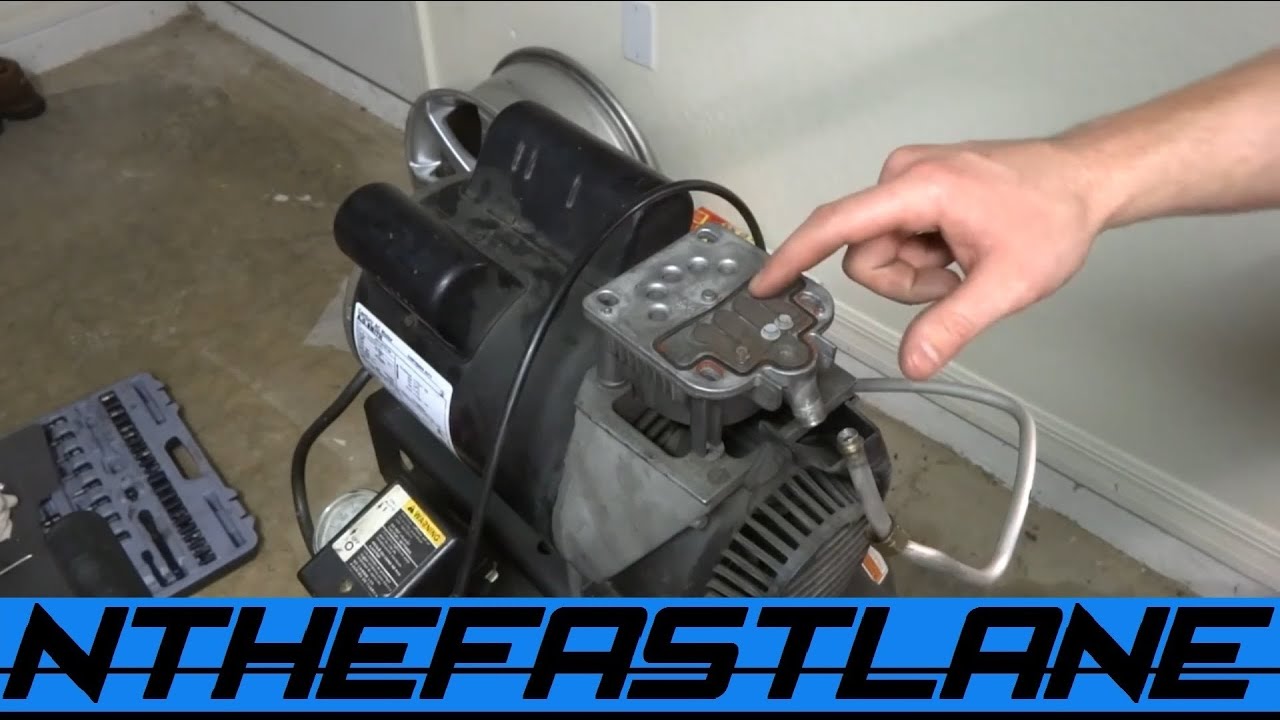
The pressure switch controls when the compressor starts and stops. A bad switch can stop the machine from building pressure. It may turn off too early or not at all. Testing and replacing the switch restores normal function.
Clogged Air Filters
Dirty filters block air flow into the compressor. Less air means less pressure. Filters get dirty from dust and debris. Cleaning or replacing filters improves air intake. This helps the compressor run smoothly again.
Worn Out Valves
Valves open and close to move air in the compressor. Over time, valves wear out or get stuck. This causes leaks and poor pressure build-up. Inspecting valves and replacing old parts fixes this problem.
Insufficient Power Supply
The compressor needs steady power to build pressure. Weak or inconsistent electricity can slow or stop it. Check power cords, outlets, and circuit breakers. Ensuring good power supply helps the compressor work properly.
Credit: www.youtube.com
Diagnosing Pressure Issues
Diagnosing pressure issues in an air compressor helps find why it struggles to build pressure. Checking key parts can reveal common problems. Simple tests can save time and money. Understanding these checks helps fix the issue faster.
Checking For Visible Leaks
Look closely at the air compressor for air leaks. Listen for hissing sounds near hoses and fittings. Spray soapy water on joints and watch for bubbles. Any bubbles mean air is escaping. Fix leaks by tightening or replacing parts.
Testing The Pressure Switch
The pressure switch controls when the compressor turns on and off. Use a multimeter to test its electrical contacts. Check if the switch stops the motor at the right pressure. A faulty switch may cause weak pressure build-up. Replace the switch if it does not work properly.
Inspecting Air Filters And Valves
Dirty air filters block airflow and reduce pressure. Remove and clean or replace filters regularly. Check valves for dirt or damage. Valves that do not seal well cause pressure loss. Clean or replace valves to keep pressure steady.
Measuring Electrical Input
Check the power supply to the air compressor. Use a multimeter to measure voltage and current. Low voltage or poor connections reduce compressor performance. Ensure the compressor gets the correct electrical input. Fix wiring problems to help build pressure correctly.
Quick Fixes To Improve Pressure
Quick fixes can help improve your air compressor’s pressure fast. Many common issues cause low pressure but require simple actions. Small repairs often restore full power and efficiency. Check these areas to get better pressure from your compressor.
Tightening Connections
Loose connections let air escape. Check all hoses and fittings carefully. Use a wrench to tighten any loose bolts or nuts. Secure connections stop leaks and keep pressure steady. This simple step improves performance immediately.
Replacing The Pressure Switch
The pressure switch controls compressor on and off cycles. A faulty switch may cause low or no pressure. Replace the switch if it fails to trigger properly. New switches restore correct pressure levels and protect the compressor.
Cleaning Or Replacing Filters
Dirty filters block airflow and reduce pressure. Inspect the air intake filter regularly. Clean reusable filters with water and mild soap. Replace disposable filters as needed. Clean filters improve air flow and increase pressure.
Repairing Or Replacing Valves
Valves control air flow inside the compressor. Damaged or worn valves cause leaks and low pressure. Inspect valves for cracks or wear. Repair minor damage or replace faulty valves. Proper valve function ensures strong air pressure.
Preventive Maintenance Tips
Preventive maintenance helps your air compressor work better and last longer. Regular care avoids pressure problems and costly repairs. Follow simple steps to keep your machine in top shape.
Regular Inspection Schedule
Check your compressor often. Look for leaks, worn parts, and loose fittings. Early detection stops small issues from growing. Make a habit of inspecting weekly or monthly.
Proper Storage And Handling
Store the compressor in a dry, clean place. Avoid dusty or wet areas that cause damage. Handle the machine gently to prevent drops or knocks. Proper storage keeps it safe and ready to use.
Using Correct Power Sources
Use the right voltage and power for your compressor. Wrong power can cause poor performance or damage. Check your machine’s label for power requirements. Plug it into a stable, suitable outlet.
Routine Cleaning And Lubrication
Clean air filters and vents regularly to keep airflow clear. Remove dust and debris from surfaces. Lubricate moving parts as the manual directs. This reduces friction and helps pressure build up efficiently.
When To Seek Professional Help
Knowing when to get professional help can save your air compressor from serious damage. Some problems need expert tools and skills. Trying to fix major issues alone can make things worse.
Call a professional if the compressor shows signs beyond simple fixes. Safety and proper repair matter most. Let’s look at key situations requiring expert attention.
Signs Of Major Mechanical Failure
Loud noises or grinding sounds often mean serious damage. Oil leaks or broken parts also signal trouble. If the compressor won’t build pressure despite basic checks, it might have internal damage. Professionals can inspect and replace worn parts correctly.
Complex Electrical Issues
Electrical problems need careful handling. Faulty wiring or motor issues can stop your compressor. Flickering power or frequent tripping are warning signs. A trained technician can safely diagnose and fix these problems. Avoid trying to repair electrical faults yourself.
Safety Concerns
Air compressors can be dangerous if damaged. High pressure and moving parts pose risks. If you see damaged hoses, leaks, or sparks, stop using the compressor. Contact a professional immediately. They will ensure repairs follow safety standards and protect you from harm.
Credit: www.aircompressorcfm.com

Credit: www.youtube.com
Frequently Asked Questions
Why Is My Air Compressor Not Building Enough Pressure?
Your air compressor may struggle due to leaks, faulty valves, or a dirty air filter. Check hoses and fittings for leaks. Replace damaged parts and clean or replace the air filter to restore proper pressure levels.
How Do Leaks Affect Air Compressor Pressure Build-up?
Leaks cause air to escape, preventing pressure from building. Even small leaks reduce efficiency and increase run time. Inspect and seal leaks promptly to maintain optimal pressure and compressor performance.
Can A Clogged Air Filter Cause Pressure Issues?
Yes, a clogged air filter restricts airflow, reducing pressure buildup. Regularly clean or replace the filter to ensure smooth airflow and consistent pressure in your compressor.
What Role Do Faulty Valves Play In Pressure Problems?
Faulty valves can prevent air from compressing properly, leading to low pressure. Inspect intake and discharge valves for damage or wear and replace if necessary to restore proper compressor function.
Conclusion
Struggling air compressors often have simple causes. Check for leaks or clogged filters first. Worn-out parts can also reduce pressure. Regular maintenance keeps your compressor working well. Fix small issues early to avoid bigger problems. Proper care saves money and time.
Understand your compressor’s needs for better results. Keep it clean and check oil levels often. A well-maintained compressor runs smoothly and lasts longer. Don’t ignore warning signs—they help prevent failures. Your compressor can work like new again.