
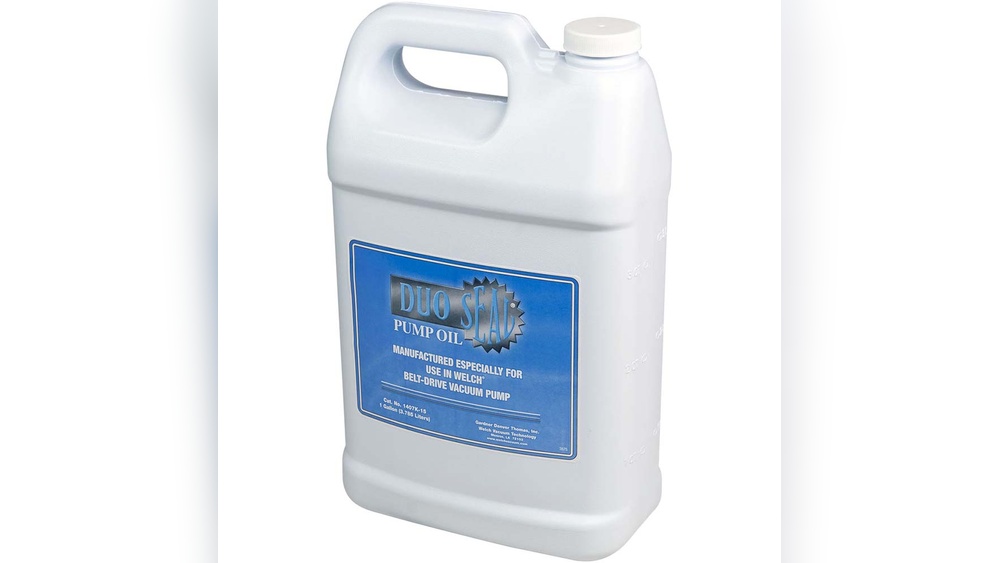
Can I Use Air Compressor Oil In A Vacuum Pump?
When you look at the bottles on a workshop shelf, air compressor oil and vacuum pump oil often seem similar. Both are usually clear, mineral-based or synthetic, and designed for machines that use oil to keep moving parts protected. So, you might ask: “Can I use air compressor oil in a vacuum pump?” This is a common question, especially for people who want to save money or just need a quick replacement. But using the wrong oil can cause real trouble for your equipment. Let’s explore if this swap is safe, why manufacturers recommend specific oils, and what might happen if you ignore their advice.
How Air Compressor Oil And Vacuum Pump Oil Differ
At first glance, both oils seem to do the same job: lubricate moving parts and reduce wear. But their actual tasks and required properties are very different. Understanding these differences is key before making a decision.
Key Functions
- Air compressor oil is made for high-pressure, high-heat situations. It must handle water vapor, resist breaking down, and carry away heat.
- Vacuum pump oil faces very low pressures. It must resist vaporization and contamination, and it plays a big role in sealing and creating a vacuum.
Chemical Formulation
Vacuum pump oils are often more refined than compressor oils. They have fewer impurities and are designed to resist chemical reactions (like oxidation) at low pressures. This helps them last longer and keeps them from turning into sludge or varnish inside delicate pumps.
Viscosity Differences
Viscosity means how thick or thin an oil is. Vacuum pumps usually require a specific viscosity that helps keep a tight seal between moving parts. Air compressor oil can be thicker or contain additives that aren’t suitable for a vacuum pump.
Additives And Compatibility
Many air compressor oils have additives (like detergents, anti-foaming agents, or anti-wear chemicals) that are helpful in compressors but can cause problems in vacuum pumps. Some of these additives can outgas or break down under vacuum, contaminating the system.
Here’s a quick look at the main differences:
| Property | Vacuum Pump Oil | Air Compressor Oil |
|---|---|---|
| Purity | Highly refined, low vapor pressure | Moderately refined, higher vapor pressure |
| Additives | Minimal, non-reactive | May include detergents, anti-wear agents |
| Viscosity | Specific to pump design | May be thicker or thinner, less precise |
| Purpose | Seal, lubricate, and maintain vacuum | Lubricate and cool under pressure |
What Happens If You Use Air Compressor Oil In A Vacuum Pump?
You might think, “Oil is oil. What’s the harm?” But using the wrong oil can cause several problems:
- Poor Vacuum Performance
- Air compressor oil can vaporize at lower pressures, making it hard to reach or hold a deep vacuum.
- You may notice your pump running longer, becoming hotter, or failing to reach the desired vacuum level.
- Contamination
- Compressor oil additives can break down and turn into residue or sludge inside the vacuum chamber.
- This contaminates both the pump and the equipment it serves, which is a big problem in labs, refrigeration, or food processing.
- Shorter Pump Life
- Poor lubrication or chemical breakdown can cause the pump’s moving parts to wear out faster.
- Bearings, seals, and vanes may fail, costing you more in repairs or replacements.
- Oil Backstreaming
- In a vacuum, the wrong oil may travel backward into your system, causing contamination or damaging sensitive equipment.
- Unexpected Shutdowns
- Some vacuum pumps have sensors that detect oil quality. If the oil doesn’t match specs, the pump may refuse to run or shut down unexpectedly.
A real-world example: In refrigeration repair, using compressor oil in a vacuum pump can leave behind residue that reacts with refrigerants. This leads to acid formation, which destroys seals and corrodes metal parts.
Why Manufacturers Recommend Specific Vacuum Pump Oils
Vacuum pump manufacturers spend a lot of time testing and choosing the right oil for their machines. They look at:
- Vapor pressure: Lower is better to avoid oil vaporizing under vacuum.
- Thermal stability: Oil should not break down at high temperatures.
- Resistance to chemical attack: The oil should not react with process gases or materials.
- Sealant properties: It must help maintain a tight vacuum.
Using only the recommended oil helps keep your warranty valid. If your vacuum pump fails because you used the wrong oil, most manufacturers will not pay for repairs.
Here is a comparison of typical oil specifications:
| Specification | Vacuum Pump Oil | Air Compressor Oil |
|---|---|---|
| Vapor Pressure | Very low (<0.01 mmHg) | Higher (>1 mmHg) |
| Additive Content | Minimal | High |
| Operating Temperature Range | -15°C to 100°C | -10°C to 120°C |
| Application | Vacuum creation/sealing | Compression/cooling |
Are There Any Situations When You Can Use Air Compressor Oil?
While it’s almost always better to use the right oil, there are rare emergency situations where you might use air compressor oil in a vacuum pump:
- Short-Term or Emergency Use: If your pump must run and you have no vacuum oil, compressor oil may work for a short time. This is a last resort, and you should plan to change the oil as soon as possible.
- Non-Critical Applications: If your vacuum pump is used for non-sensitive tasks (like rough vacuum cleaning), and you can accept lower performance or risk, you might use compressor oil temporarily.
But remember, these are exceptions, not the rule. Even in these cases, you risk damage or contamination.
What To Do If You Used The Wrong Oil
If you accidentally put air compressor oil in your vacuum pump, don’t panic. Follow these steps:
- Stop the Pump
- Turn off the machine as soon as you realize the mistake.
- Drain the Oil
- Remove all the incorrect oil from the reservoir.
- Flush the System
- Run the pump briefly with a small amount of the correct vacuum oil to help wash out any residue.
- Drain again.
- Refill with Correct Oil
- Add only the manufacturer-recommended vacuum pump oil.
- Monitor Performance
- Watch for any strange noises, overheating, or poor vacuum. If problems continue, a professional cleaning may be needed.
How To Choose The Right Oil For Your Vacuum Pump
Finding the correct oil is not always simple. Here’s what matters most:
1. Check The Manufacturer’s Manual
Always start by reading your vacuum pump’s user manual. It will list the correct oil type and brand.
2. Match Viscosity And Purity
Vacuum pump oil comes in different grades (like ISO VG 32 or VG 46). The wrong grade can affect performance.
3. Consider Your Application
If you work with chemicals, food, or sensitive electronics, you may need a special oil (like synthetic or PFPE oil) that resists chemical attack.
4. Quality Matters
Cheap oil often contains more impurities. High-quality vacuum pump oil is usually worth the extra cost because it protects your equipment and reduces maintenance.
Here’s a table to help you compare oil choices:
| Type of Oil | Best For | Main Benefits |
|---|---|---|
| Mineral Oil | General industrial use | Affordable, widely available |
| Synthetic Oil | High-temp or chemical exposure | Better stability, longer life |
| PFPE Oil | Extreme chemical resistance | Non-flammable, inert, expensive |

Credit: theplantfedgut.com
Non-obvious Insights Most Beginners Miss
- Oil Quality Directly Affects Vacuum Level: Many people think only the pump design matters for vacuum depth. In reality, impurities or the wrong oil grade can limit how deep a vacuum the pump can reach—even if the pump is new.
- Old Oil Can Mimic Wrong Oil Problems: If your vacuum pump oil is dark, smells burnt, or has been in the pump too long, it may behave much like the wrong oil. Change your oil on schedule, not just when problems appear.
Common Mistakes To Avoid
- Assuming All Machine Oils Are Interchangeable: Each type of equipment needs oil with specific properties for its task.
- Ignoring Oil Changes: Even the best oil degrades over time. Skipping oil changes leads to poor performance and faster wear.
- Using Additive-Rich Oils: Many automotive or industrial oils have additives that are not compatible with vacuum systems.
- Not Flushing After Mistakes: If wrong oil is used, always flush the system to avoid leftover contamination.
Frequently Asked Questions
What Happens If I Use Air Compressor Oil In My Vacuum Pump Just Once?
If you use air compressor oil only once, your vacuum pump may still work but not at its best. You might not reach a strong vacuum, and the oil may leave residue or break down faster. It’s important to flush the system and refill with the correct oil as soon as possible to avoid long-term damage.
Credit: modernafastigheter.se
Can I Mix Vacuum Pump Oil And Air Compressor Oil?
Mixing the two is not recommended. Their chemical properties and additives are different. Mixing can result in sludge, reduced performance, and possible pump damage. Always drain and clean before switching oils.
Are Synthetic Oils Always Better For Vacuum Pumps?
Not always. Synthetic vacuum pump oils have advantages like longer life and better stability, but they must be compatible with your pump and application. Using the wrong synthetic oil can be as bad as using compressor oil. Always follow the manufacturer’s advice.

Credit: aircompressorservices.com
How Often Should I Change Vacuum Pump Oil?
Oil change frequency depends on use, but most manufacturers recommend every 500-2000 hours of operation. If you notice the oil turning dark, smelling burnt, or the pump losing performance, change the oil sooner.
Where Can I Find Official Vacuum Pump Oil Specifications?
You can find specifications in your pump’s manual or on the manufacturer’s website. For a general overview of oil types and uses, check resources like the Wikipedia page on vacuum pump oil.
Using the right oil is a small but crucial part of keeping your vacuum pump working well. It’s tempting to use what’s on hand, but the risks often outweigh the convenience. Protect your investment by sticking to the correct vacuum pump oil, and your equipment will thank you with reliable, long-term performance.