Are you trying to choose the right air compressor for your needs but feel stuck between rotary screw and piston models? Making the right choice can save you time, money, and frustration down the line.
Both types have their strengths, but which one fits your work style and budget best? Keep reading to discover the key differences and find out which air compressor will power your projects more efficiently and reliably. Your perfect match is closer than you think.
Rotary Screw Compressor Basics
Rotary screw compressors are a popular choice for many industries. They provide steady, reliable air pressure. These compressors work differently than piston types. Understanding their basics helps in choosing the right compressor for your needs.
The design and function of rotary screw compressors make them efficient. They suit continuous use and large air demands. This section explains their design, common uses, and benefits.
Design And Operation
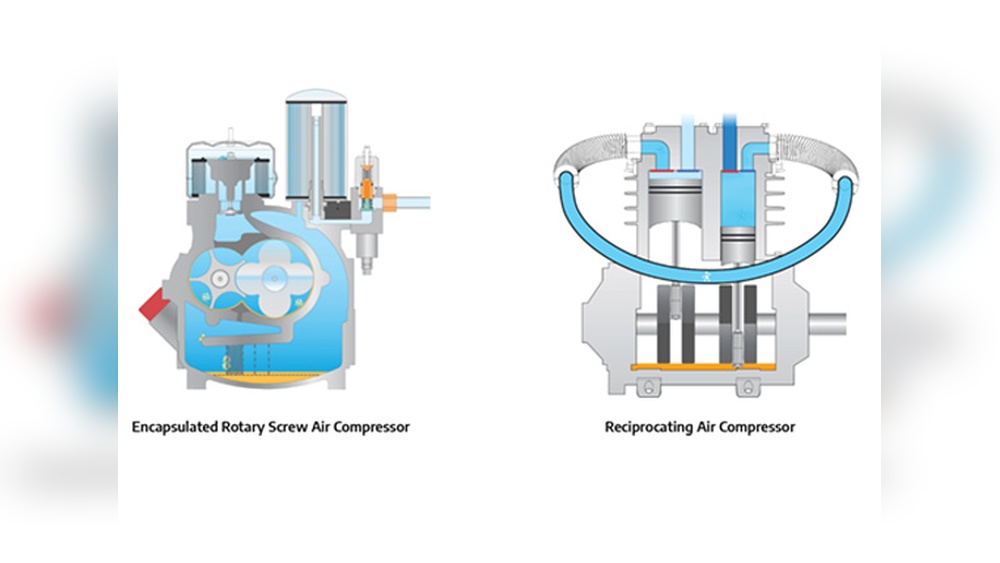
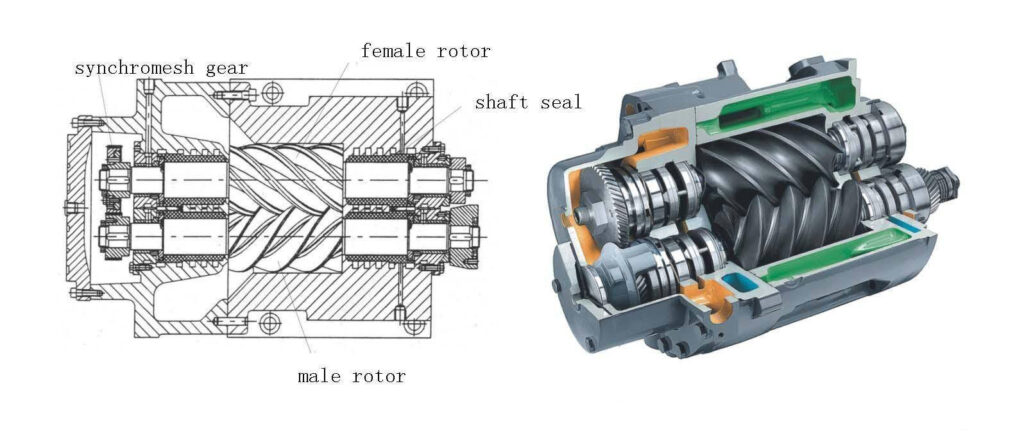
Rotary screw compressors use two helical screws to compress air. As the screws turn, air is trapped and squeezed. This reduces air volume and increases pressure. The process is smooth and continuous. No pistons or cylinders move up and down. This design creates less vibration and noise.
Common Applications
These compressors work well in factories and workshops. They power tools, paint sprayers, and conveyors. Industries like automotive, food, and plastics use them. They handle long hours and high air demand. Their steady output suits large and small tasks alike.
Advantages
Rotary screw compressors run quietly and use less energy. They need less maintenance than piston compressors. Their parts last longer under constant use. They produce a steady flow of air without pulses. This makes work smoother and more efficient. They also handle heat better, avoiding frequent shutdowns.
Credit: www.deltaind.net
Piston Compressor Fundamentals
Piston compressors are one of the oldest types of air compressors. They use a simple design to compress air. This makes them easy to understand and maintain.
They work by pushing air into a small space. This increases the air pressure. The compressed air can then power tools and machines.
Mechanics And Function
A piston compressor uses a piston inside a cylinder. The piston moves up and down. When it moves down, it draws air into the cylinder.
When the piston moves up, it pushes the air out. This air is now under pressure. The cycle repeats many times each minute.
A valve system controls air flow. It opens to let air in and closes to keep air inside. This process creates high-pressure air.
Typical Uses
Piston compressors are common in many industries. They power tools like nail guns and spray painters. They also fill tires and air tanks.
Small workshops and garages use piston compressors. They are good for jobs needing short bursts of air. They suit places without constant air demand.
Benefits
Piston compressors are cost-effective. They have a simple design with few parts. This makes repairs and maintenance easy.
They can reach high pressures. This makes them useful for tough tasks. They are also portable and easy to move.
These compressors work well in cold weather. They do not need a lot of power to start. This saves energy and reduces costs.
Performance Comparison
Comparing the performance of rotary screw and piston air compressors helps choose the right tool. Each type has strengths in different areas. Understanding these will guide you to the best choice for your needs.
Efficiency And Output
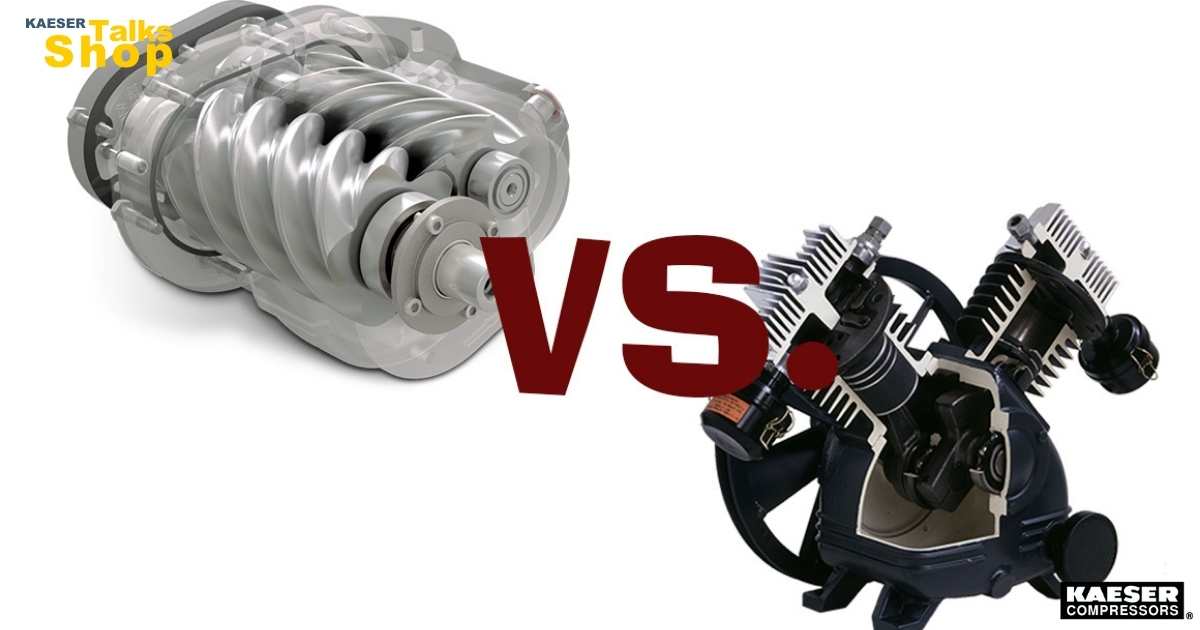
Rotary screw compressors run continuously and deliver steady air flow. They use less power for the same output. Piston compressors work in cycles, causing pauses in air delivery. Their efficiency drops with longer use. For large jobs, rotary screws provide better performance and lower energy costs.
Noise Levels
Rotary screw compressors operate quietly due to smooth rotary motion. Piston compressors create more noise from the piston’s up-and-down movement. Noise matters in indoor or noise-sensitive workplaces. Rotary screws offer a quieter, less disruptive option.
Maintenance Needs
Rotary screw compressors have fewer moving parts and need less frequent maintenance. Piston compressors require regular checks and part replacements, especially for piston rings and valves. This can increase downtime and costs. Choose rotary screws for easier upkeep and longer service intervals.
Credit: us.kaeser.com
Cost Considerations
Cost plays a big role in choosing between rotary screw and piston air compressors. Understanding the expenses helps make a smart choice. This section breaks down the costs into clear parts.
Initial Investment
Rotary screw compressors usually cost more at first. Their design and parts are more complex. Piston compressors are cheaper to buy. They use simpler technology and parts. The size and power also affect the price.
Operating Expenses
Rotary screw compressors use less energy. They run smoothly and need less repair. This lowers electricity and maintenance costs. Piston compressors often use more power. They need more frequent repairs. This raises the overall running cost.
Longevity And Durability
Rotary screw compressors last longer. They handle heavy use without breaking down. Piston compressors wear out faster. Their parts face more stress. Over time, rotary screw models save money by needing fewer replacements.
Choosing The Right Compressor
Choosing the right air compressor is key to efficiency and cost savings. The choice between rotary screw and piston compressors depends on several factors. Understanding these factors helps you pick the best fit for your needs.
Consider how you will use the compressor and where it will be installed. Also, think about energy use, which affects long-term expenses.
Application Requirements
Different jobs need different air pressure and volume. Rotary screw compressors work well for continuous use. Piston compressors suit short, low-demand tasks. Match the compressor type to your work needs.
Space And Installation
Rotary screw compressors are usually larger but quieter. They need more space but are easier to install in fixed locations. Piston compressors are smaller and portable. They fit tight spaces but can be noisy.
Energy Consumption
Rotary screw compressors use energy efficiently over long hours. They save money on electricity in the long run. Piston compressors consume more power during use. They are less efficient for continuous running.

Credit: indoair.com
Emerging Trends And Innovations
Air compressor technology keeps evolving fast. Both rotary screw and piston air compressors see new trends and innovations. These changes help improve efficiency, reduce costs, and lower environmental impact. Understanding these trends can guide your choice between the two types.
Smart Technology Integration
Smart technology plays a big role in air compressors today. Sensors and IoT devices allow real-time monitoring. This means better control of pressure, temperature, and energy use. Smart systems can predict maintenance needs. This reduces downtime and repair costs. Both rotary screw and piston compressors benefit from this smart integration.
Environmental Impact
Reducing environmental impact is a key focus. New compressors use less energy and produce fewer emissions. Rotary screw compressors often have higher energy efficiency. Piston compressors are getting better at sealing and reducing leaks. Manufacturers aim to meet stricter environmental regulations. These efforts help industries lower their carbon footprint.
Future Developments
Future air compressors will likely be more compact and efficient. Advances in materials may make compressors lighter and stronger. Noise reduction technology is improving for both types. Digital controls will become more user-friendly. Expect better integration with renewable energy sources. These developments will shape the next generation of compressors.
Frequently Asked Questions
What Are The Main Differences Between Rotary Screw And Piston Compressors?
Rotary screw compressors use two meshing screws to compress air continuously. Piston compressors use a piston moving inside a cylinder to compress air intermittently. Rotary screws offer smoother operation and higher efficiency, while piston compressors are simpler and cost-effective for smaller tasks.
Which Compressor Is More Energy Efficient?
Rotary screw compressors are generally more energy efficient. They provide continuous airflow with less energy loss. Piston compressors consume more energy due to their stop-start operation and higher mechanical friction. For long-term use, rotary screw models reduce electricity costs significantly.
When Should I Choose A Piston Air Compressor?
Choose a piston air compressor for low air volume needs and intermittent use. They are ideal for small workshops or occasional tasks. Piston models are less expensive upfront and easier to maintain but less efficient for heavy, continuous operation.
Are Rotary Screw Compressors Better For Industrial Use?
Yes, rotary screw compressors are better suited for industrial environments. They provide continuous, reliable air supply and handle high volumes efficiently. Their quieter operation and lower maintenance needs make them ideal for demanding, large-scale applications.
Conclusion
Choosing between rotary screw and piston air compressors depends on your needs. Rotary screw compressors work well for continuous, heavy-duty use. Piston compressors suit smaller tasks and occasional use. Consider noise levels, maintenance, and budget before deciding. Both types have unique benefits.
Think about your work environment and how often you will use the compressor. The right choice helps save money and improves efficiency. Take time to compare features carefully. Your decision affects performance and costs long-term. Choose wisely for the best results in your projects.