Are Portable Air Compressors Worth It
Imagine your car tire goes flat in the middle of nowhere, or you need to power your nail gun during a home project—both situations test the value of the tools you own. One tool that often comes up is the portable air compressor. Many people wonder if buying one is just a waste of money, or if it’s a smart investment for daily life and occasional emergencies.
This article explores everything you need to know about portable air compressors. We’ll dive into what they do, where they shine, and their limits. You’ll get real examples, data, and comparisons to help you decide if a portable air compressor is worth your money.
What Is A Portable Air Compressor?
A portable air compressor is a compact machine that stores and delivers compressed air. Unlike large, stationary compressors found in workshops, these devices are small enough to carry or fit in your car trunk. Most models plug into a car’s 12V socket or use a standard electrical outlet at home. Some even run on rechargeable batteries.
People use them to inflate car tires, bike tires, sports balls, air mattresses, and even to run small air tools. Their portability means you can take them almost anywhere.
Main Uses For Portable Air Compressors
Portable air compressors are more flexible than many people realize. Here are the most common uses:
- Tire Inflation – Keeping your car, bike, or scooter tires at the right pressure is safer and improves fuel economy.
- Sports Equipment – Inflate basketballs, soccer balls, and more in seconds.
- Inflatable Items – Air mattresses, pool floats, and inflatable kayaks can be ready in minutes.
- Powering Air Tools – Run nail guns, airbrushes, and staple guns for small repairs or crafts.
- Cleaning – Blow dust out of tight spaces, keyboards, or electronics (using low pressure).
- Emergency Preparedness – Keep it in your car for roadside emergencies or power outages.
Most users find at least one of these functions useful in their regular life.
Advantages Of Portable Air Compressors
Why do so many people keep a portable air compressor on hand? Here are the key benefits:
Convenience
Owning a portable air compressor means you can top up a tire anytime, anywhere. No more searching for a gas station with a working air pump. For families, this saves time and removes the stress of driving on underinflated tires.
Cost Savings
Proper tire pressure improves fuel economy by up to 3% and reduces tire wear, saving money on gas and replacements. You also avoid paying for each inflation at gas stations.
Emergency Use
A flat tire at night or in bad weather is less scary when you can inflate it yourself. Many compressors come with built-in lights for safety.
Multi-purpose
They handle more than just tires. From blowing up party balloons to cleaning tools, their uses surprise many owners.
Portability
Most models weigh under 5 kg and fit in a car trunk or backpack. Some are as small as a lunchbox.
Limitations And Drawbacks
Of course, portable air compressors are not perfect for every task. Here’s where they fall short:
Limited Power
Portable models usually deliver less pressure (PSI) and air volume (CFM) than large, stationary compressors. That means they can’t run heavy-duty tools, sanders, or paint sprayers for long.
Slower Inflation
While good for small tasks, filling a large truck tire or inflatable boat can take several minutes. Patience is needed for bigger jobs.
Noise
Most compressors make noise—some are louder than a conversation, especially older or cheaper models.
Battery Life
Cordless models may only fill a few tires before needing a recharge. If you forget to charge it, it won’t help in an emergency.
Durability
Low-cost models sometimes wear out after a year or two, especially if used often or exposed to harsh weather.
Types Of Portable Air Compressors
Not all portable air compressors are created equal. Choosing the right type depends on your needs.
| Type | Power Source | Main Uses | Typical Price Range |
|---|---|---|---|
| 12V Car Plug | Car cigarette lighter | Car/bike tires, balls | $25–$60 |
| Battery-Powered | Rechargeable battery | Quick inflations anywhere | $40–$120 |
| 120V Plug-in | Household outlet | Home, garage, tools | $60–$200 |
| Small Tank | Electric motor | Air tools, larger inflations | $100–$300 |
Non-obvious insight: Many people buy a 12V model for their car, but forget that 120V plug-in types are better for home projects and last longer.
Key Features To Look For
Choosing the right portable air compressor depends on what you’ll use it for. Consider these important features:
- Maximum PSI – Make sure it can reach at least 35 PSI for car tires, or more for trucks.
- CFM (Cubic Feet per Minute) – Higher CFM means faster inflation and better tool performance.
- Automatic Shut-Off – Stops when the set pressure is reached, preventing over-inflation.
- Digital Gauge – Easier to read and more accurate than analog dials.
- Hose Length – Longer hoses make reaching all tires or inflatables easier.
- Accessory Tips – Needed for sports balls, air mattresses, etc.
- Size and Weight – Consider what you can easily carry or store.
- Noise Level – Quieter models are more pleasant to use at home.
Some models also include LED lights or USB charging ports for added convenience.

Credit: viaircorp.com
Price Vs. Performance: Is More Expensive Always Better?
Not always. Let’s compare two popular portable air compressors to see what you get for your money.
| Model | Max PSI | CFM | Power Source | Price | Special Features |
|---|---|---|---|---|---|
| Budget Model | 100 | 0.5 | 12V Car Plug | $35 | Basic, few accessories |
| Mid-Range Model | 150 | 1.0 | Battery/120V | $80 | Digital gauge, LED light, auto shut-off |
The budget model works fine for emergency tire top-ups, but is slower and lacks features. The mid-range model is much more convenient for regular use and lasts longer.
Real-life Examples: Who Really Benefits?
Car Owners
Regular drivers benefit most. Keeping your tires at the right pressure improves safety and saves money. In winter, cold weather often causes under-inflated tires, so a compressor is handy.
Cyclists
For those who bike often, a small compressor is faster and more reliable than a hand pump—especially on cold mornings or long rides.
Diyers And Homeowners
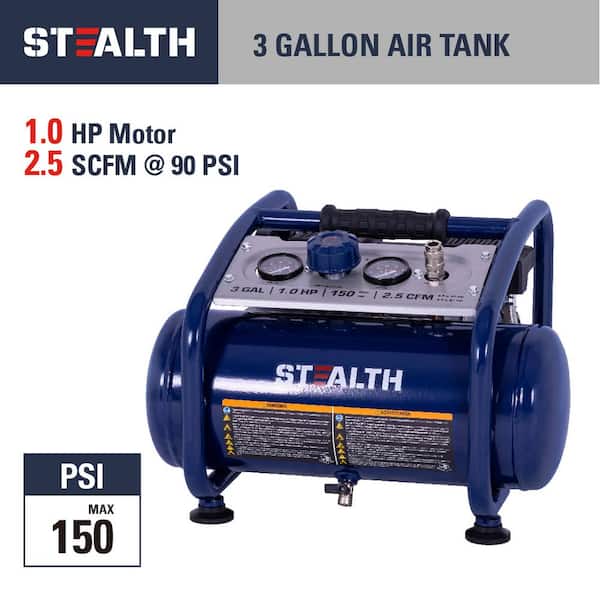
People who use air tools for home repair, crafts, or woodworking will appreciate a plug-in compressor. It handles nail guns, staplers, and inflating items for parties or camping.
Outdoor Enthusiasts
Campers, boaters, and RV owners use them for air mattresses, inflatable boats, and more—no need to search for power outlets.
Business Use
Some small businesses (e. g. , handymen, mobile car repair) rely on portable compressors to save time and impress customers with fast service.
Credit: www.homedepot.com
Are There Better Alternatives?
It depends on your needs. For inflating tires, the only real alternative is a hand or foot pump. These work but are much slower and require more effort. For air tools, plug-in or tank compressors are better for heavy use but lose the portability.
Non-obvious insight: Some modern cars have run-flat tires, but even these can benefit from a compressor for small pressure losses and to keep from damaging the tire.
What Most Beginners Miss
- Check Your Power Source – Many people buy a 12V model only to discover their car fuse can’t handle it, or that their car outlet is broken.
- Routine Maintenance Matters – Keep the air filter clean and store the compressor in a dry place. Neglecting this can shorten its life and reduce performance.
Credit: www.homedepot.com
Common Mistakes To Avoid
- Ignoring Duty Cycle – Most portable compressors can only run for 10–15 minutes before needing a cool-down. Running too long can cause overheating.
- Over-Inflating – Not using the automatic shut-off or not watching the gauge can damage tires or inflatables.
- Choosing the Wrong Model – Buying the cheapest option often leads to frustration, slow performance, or early failure.
How To Get The Best Value
To make sure your portable air compressor is worth it:
- Match the compressor’s specs to your main use (e.g., tire size, tool requirements).
- Read user reviews to check for real-world reliability.
- Consider spending a bit more for features you’ll use often, like auto shut-off or digital gauges.
- Test it at home before you need it in an emergency.
When Is A Portable Air Compressor Not Worth It?
If you only inflate something once a year and have easy access to air elsewhere, you may not need your own. Also, if you need to run large tools or spray paint, a portable model will not be powerful enough.
For these cases, a stationary compressor or professional service makes more sense.
Final Thoughts: Are Portable Air Compressors Worth It?
For most people—especially drivers, cyclists, and homeowners—a portable air compressor offers peace of mind, convenience, and long-term savings. The ability to solve problems quickly, without outside help, makes them a smart buy for anyone who values self-reliance. However, picking the right model and using it correctly is key. If you only need it rarely, or need heavy-duty power, alternatives may suit you better.
For more technical background, you can visit the Wikipedia page on air compressors.
Frequently Asked Questions
How Long Does It Take To Inflate A Car Tire With A Portable Air Compressor?
Most portable air compressors can inflate a standard car tire from flat to 35 PSI in 3–8 minutes. The exact time depends on the compressor’s power (CFM) and the tire size.
Can A Portable Air Compressor Run Power Tools?
Yes, but only small tools like nail guns, airbrushes, or staplers. Heavy tools (impact wrenches, paint sprayers) need a larger, more powerful compressor.
Are Portable Air Compressors Safe To Use?
They are safe if used as directed. Always read the manual, avoid over-inflating, and allow the compressor to cool down between uses.
Do I Need To Maintain My Portable Air Compressor?
Yes. Keep it clean, check hoses for leaks, and store it in a dry place. Some models have filters that need cleaning or replacement.
What Size Portable Air Compressor Do I Need For Car Tires?
Look for a model with at least 100 PSI maximum pressure and a CFM of 0.5 or higher. This will handle most car, bike, and even small truck tires.
With the right information and careful buying, a portable air compressor can be one of the most useful tools you own.