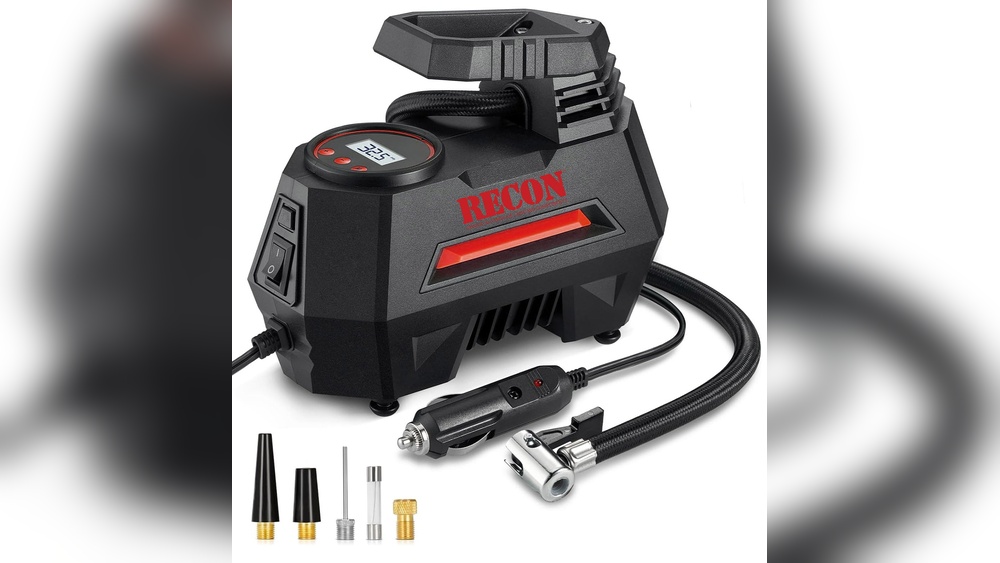
If you’ve ever needed to inflate a tire, power a nail gun, or blow up a sports ball, you know how handy a portable air compressor can be. But with so many options out there, how do you choose the right one for your needs?
You want a tool that’s reliable, easy to carry, and powerful enough for your tasks. This guide will help you spot the key features to watch for, so you can make a smart choice without wasting time or money. Keep reading to find out exactly what to look for in a portable air compressor that fits your lifestyle perfectly.
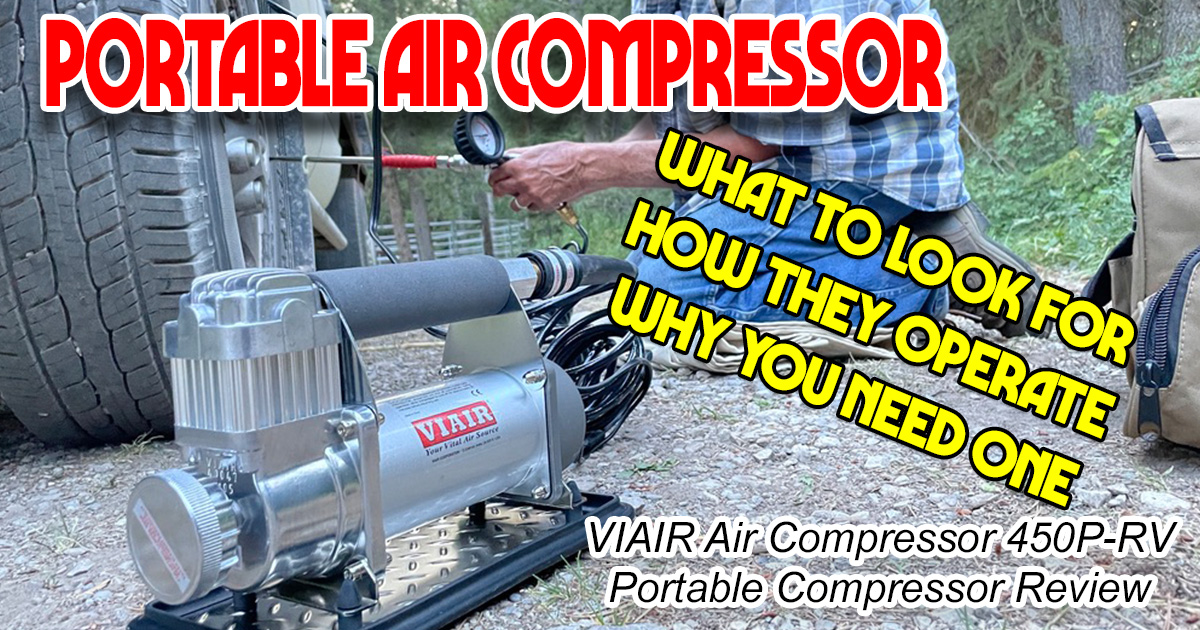
Credit: www.trailmeister.com
Key Performance Metrics
Choosing the right portable air compressor means knowing its key performance metrics. These numbers tell you how well the compressor will work for your tasks. Understanding them helps pick a model that fits your needs.
Air Pressure And Psi
Air pressure shows how strong the air pushes out. PSI stands for pounds per square inch. Higher PSI means more power to run tools or inflate tires. Check the maximum PSI to match your equipment needs.
Airflow Rate And Cfm
CFM means cubic feet per minute. It tells how much air the compressor can move. A higher CFM means the compressor can run tools longer without stopping. Make sure the CFM matches the tools you want to use.
Tank Size And Capacity
The tank stores the compressed air. Larger tanks hold more air, so the compressor runs longer before refilling. Small tanks are lighter and easier to carry but may stop more often. Choose a tank size that fits your work style.
Power Sources
Choosing the right power source is key when selecting a portable air compressor. It affects how and where you can use the tool. Different power sources offer unique benefits and drawbacks. Knowing these will help you pick the best fit for your needs.
Electric Vs Gas Models
Electric compressors run on electricity. They are quieter and lighter than gas models. These compressors suit indoor use and small jobs. Gas models use gasoline and offer more power. They work well in remote areas without electricity. Gas compressors are heavier and louder but handle bigger tasks.
Battery-powered Options
Battery-powered compressors offer cordless convenience. They are easy to carry and use anywhere. Batteries limit run time and power compared to plugged-in models. These compressors suit quick fixes and light work. Keep spare batteries for longer use.
Power Requirements And Portability
Consider the power needed for your tasks. Higher power means larger compressors that are less portable. Smaller compressors are easier to move but may not handle tough jobs. Balance power needs with how often you move the compressor. Portability matters for outdoor or mobile work.
Portability Features
Portability is key when choosing a portable air compressor. You want a model that is easy to carry and move around. This makes your work faster and less tiring. Consider several features that affect how portable the compressor really is.
Weight And Size
Lightweight compressors are easier to carry. Smaller size helps fit the compressor in tight spaces. A heavy or large unit can slow you down. Choose a compressor you can lift without strain. Check the product’s weight before buying.
Handles And Wheels
Handles make carrying easier and safer. Look for sturdy and comfortable grips. Wheels help if the compressor is heavy. Smooth-rolling wheels make moving simple on any surface. Some models have both handles and wheels for best mobility.
Compact Design Benefits
A compact design saves storage space. It also fits better in your vehicle. Compact compressors often weigh less. They are perfect for small jobs or tight areas. This design lets you bring the compressor anywhere with ease.
Durability And Build Quality
Durability and build quality are key factors for a portable air compressor. A strong machine lasts longer and works better under tough conditions. It saves money and avoids frequent repairs. Understanding the materials and design helps to pick a reliable compressor.
Material Types
High-quality materials make a big difference in durability. Look for compressors made with metal parts instead of plastic. Metals like steel or aluminum resist damage and keep the compressor steady. Plastic parts wear out faster and break easily. Strong materials protect internal components and extend the life of the tool.
Frame And Housing
The frame and housing protect the compressor’s engine and parts. A solid frame keeps everything aligned and stable. Check for thick, well-built frames that do not wobble. The housing should cover the machine completely to stop dust and dirt from entering. A good frame and housing improve safety and make the compressor easier to carry.
Resistance To Wear And Tear
Portable compressors face rough use and harsh environments. Resistance to wear and tear means the machine can handle daily tasks without breaking. Look for parts that resist rust and corrosion. Strong seals and fittings keep air leaks away. Durable compressors keep running smoothly for a long time, even with heavy use.
Noise Levels
Noise levels matter a lot when choosing a portable air compressor. Loud noise can disturb you and others nearby. It also affects comfort during use. Picking a quiet model can make your work easier and more pleasant.
Decibel Ratings
Decibel ratings show how loud a compressor is. Lower decibels mean less noise. Most portable compressors range between 60 and 90 decibels. A quieter model is under 70 decibels. Check this number before buying.
Quiet Operation Technologies
Some compressors have special parts to reduce noise. These include rubber mounts, soundproof covers, and improved motors. Such features lower vibrations and sound. They help keep the noise down during use.
Suitability For Different Environments
Noise matters more in certain places. Use quiet compressors indoors or in noise-sensitive areas. Outdoors, noise is less of a problem. Choose a model that fits your work setting to avoid issues.
Additional Functional Features
Additional functional features improve the usability and safety of a portable air compressor. These features help you work more efficiently and protect the tool and user. They make the compressor more versatile for different tasks.
Multiple Outlets And Ports
Multiple outlets allow you to connect several tools at once. This saves time and effort during projects. Some compressors have different port sizes for various attachments. Choose one with enough outlets for your needs.
Pressure Gauges And Controls
Pressure gauges show the current air pressure clearly. Easy-to-read gauges help you avoid overinflation or underinflation. Controls should be simple to adjust for precise pressure settings. This feature ensures better performance and safety.
Safety Mechanisms
Safety features protect both you and the compressor. Look for automatic shutoff to prevent overheating. Pressure relief valves release excess air safely. These mechanisms reduce the risk of damage or accidents.
Maintenance And Warranty
Maintenance and warranty are key factors in choosing a portable air compressor. Proper care keeps the tool running longer and saves money. A good warranty offers peace of mind and protects your investment. Understanding these aspects helps pick the right model for your needs.
Ease Of Maintenance
Choose a compressor that is simple to clean and service. Parts should be easy to reach and replace. A design that allows quick checks saves time. Clear instructions or guides help avoid mistakes. This makes regular upkeep less of a chore.
Filter And Oil Changes
Filters and oil need regular changing to keep the compressor working well. Look for models with easy-to-access filters. Oil changes should be straightforward, without special tools. Some compressors use oil-free systems, reducing maintenance. Check how often these changes are needed for smooth use.
Warranty Coverage And Support
A solid warranty covers parts and repairs for a set time. Read the terms carefully to know what is included. Good customer support helps solve problems fast. Some brands offer extended warranties or service plans. This support adds value and lowers risks of costly repairs.
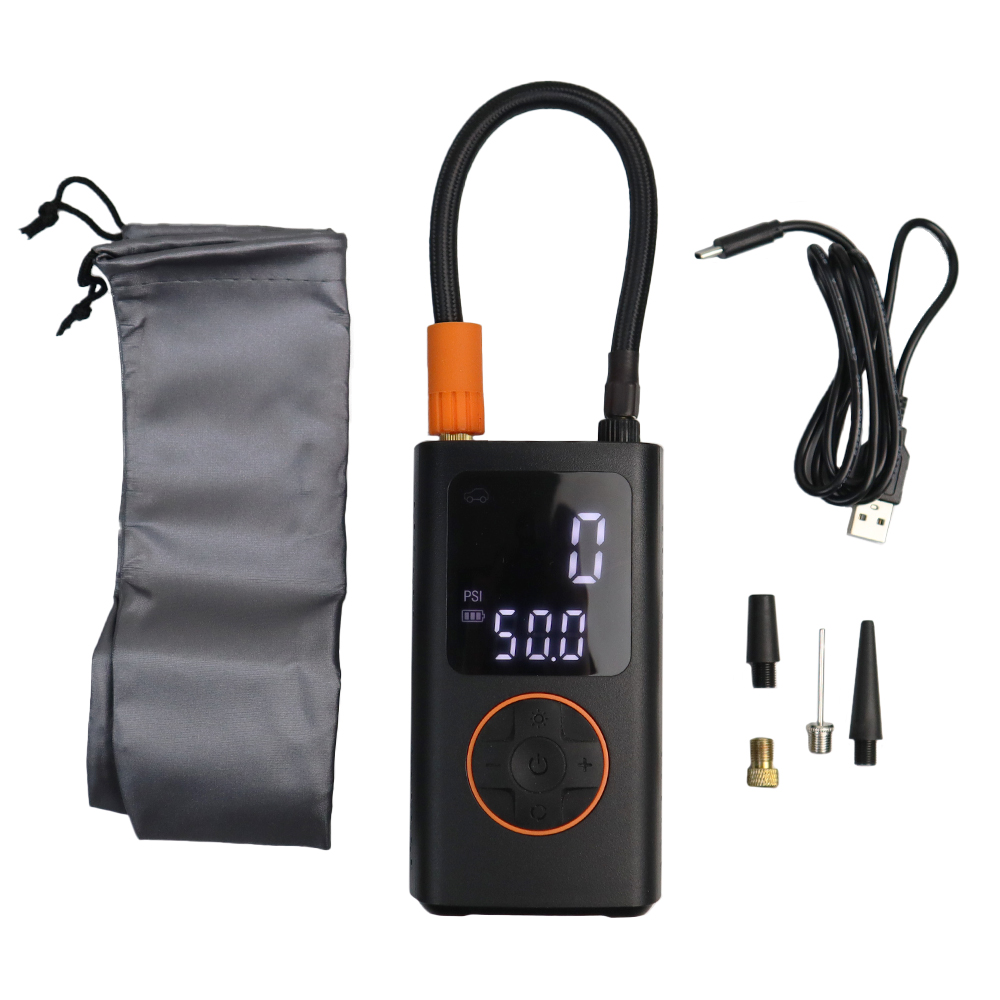
Credit: shockerhitch.com
Price And Value
Price and value play a big role when choosing a portable air compressor. The cost is important, but the value you get matters more. Finding a balance between quality and price saves money and frustration. Knowing what affects price helps pick the right model for your needs.
Budget Vs Premium Models
Budget models cost less but may have fewer features. They work well for light or occasional tasks. Premium models cost more and offer better build and power. They last longer and handle tough jobs. Think about how often and how hard you will use it.
Long-term Cost Considerations
Look beyond the initial price. Check the cost of maintenance and repairs. Energy use can add to expenses over time. A cheaper compressor might cost more in the long run. A durable, efficient model often saves money overall.
Best Value Picks
Some models offer great quality without high prices. These provide good power, durability, and ease of use. Look for brands with strong reviews and warranty. A smart choice balances cost with lasting performance.
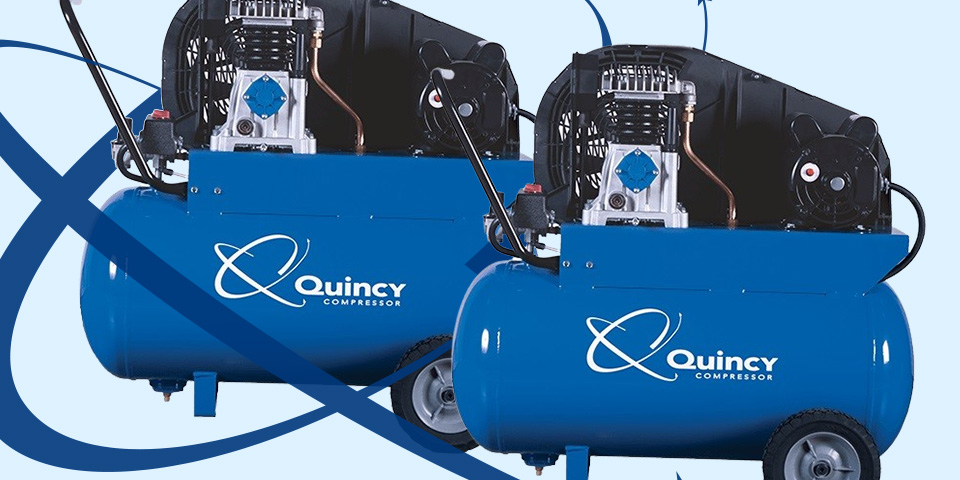
Credit: www.quincycompressor.com
Frequently Asked Questions
What Size Portable Air Compressor Do I Need?
Choose a compressor size based on your tasks. Small models suit inflating tires. Larger ones handle heavy-duty tools. Consider portability and power requirements for your needs.
How Important Is The Air Compressor’s Psi Rating?
PSI indicates air pressure output. Higher PSI means more power for tools. Match PSI to your equipment’s requirements for efficient performance and safety.
Should I Pick An Electric Or Gas Portable Compressor?
Electric compressors are quieter and low maintenance, ideal for indoor use. Gas models offer more power and mobility, perfect for outdoor jobs without power access.
What Features Enhance A Portable Air Compressor’s Usability?
Look for lightweight design, easy-to-read gauges, quick-connect fittings, and built-in storage. These features improve convenience and efficiency during operation and transport.
Conclusion
Choosing the right portable air compressor makes tasks easier and faster. Focus on size, power, and noise level. Check if it fits your tools and needs. Durability and ease of use matter a lot. Don’t forget to consider the price and warranty.
A good compressor saves time and effort. Keep these points in mind for the best choice. Simple steps lead to great results every time.