Choosing the right air compressor hose size might seem like a small detail, but it can make a big difference in your work. If you’ve ever wondered whether a 1/4-inch or 3/8-inch hose is better for your air tools, you’re not alone. Many people, especially those new to compressors, are unsure which size to pick. The truth is, the size of your hose affects airflow, tool performance, and even your energy bill. This guide will help you understand the differences, advantages, and best uses for both 1/4-inch and 3/8-inch air compressor hoses. By the end, you’ll know exactly which hose you need for your projects and why it matters.
Understanding Air Compressor Hose Sizes
Before comparing the two hose sizes, it’s helpful to know what the measurements mean. The size (like 1/4 or 3/8 inch) refers to the internal diameter of the hose. This diameter controls how much air can flow through the hose at one time.
A smaller diameter means less air passes through, which is fine for light tools but may not be enough for bigger jobs. A larger diameter allows more air to flow, which is better for high-demand tools but can be heavier to handle.
1/4-inch Air Compressor Hose
The 1/4-inch hose is the most common size for light air tools and DIY projects. Here’s what you need to know:
Best Uses
- Nail guns
- Airbrushes
- Light inflation tasks (like pumping bike tires)
- Staple guns
These tools don’t need a lot of air. A smaller hose provides enough flow without adding extra weight.
Advantages
- Lightweight and easy to handle: Because the hose is thinner, it’s more flexible. This is important if you need to move around a lot or work in tight spaces.
- Cost-effective: 1/4-inch hoses are usually cheaper than larger hoses.
- Less air loss: The smaller diameter means less air escapes, so your compressor runs less often.
Limitations
- Lower airflow: Not suitable for tools that need a lot of air, like impact wrenches or sanders.
- Possible pressure drop: Over long distances, the pressure can drop, making your tool less powerful.
- Less durable: Thinner hoses can kink or wear out faster, especially with heavy use.
Example Situation
If you are using a brad nailer to install trim or baseboards, a 1/4-inch hose is perfect. It won’t weigh you down, and your tool will work just fine.
3/8-inch Air Compressor Hose
The 3/8-inch hose is designed for bigger jobs and tools that require more air. Here’s how it compares:
Best Uses
- Impact wrenches
- Paint sprayers
- Sanders
- High-capacity blow guns
These tools need a steady, high flow of air to work well.
Advantages
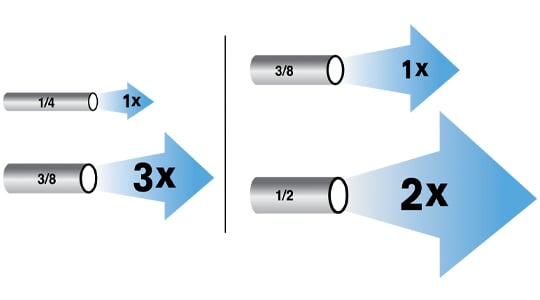
- Higher airflow: The larger diameter allows more air to pass through, which is important for powerful tools.
- Less pressure drop: Over long hoses, you lose less air pressure compared to a 1/4-inch hose.
- Better for heavy-duty work: If you’re running tools for long periods, the hose won’t overheat or wear out as quickly.
Limitations
- Heavier and less flexible: The bigger size makes it harder to move around, especially in tight spots.
- More expensive: 3/8-inch hoses cost more than smaller hoses.
- Can waste air: If your tools don’t need much air, you might use more energy than necessary.
Example Situation
If you’re using a pneumatic impact wrench to loosen lug nuts on a car, a 3/8-inch hose ensures your tool gets enough air to work at full strength.
Key Differences Between 1/4-inch And 3/8-inch Hoses
Understanding the practical differences between these two hose sizes helps you choose the right one. Here’s a look at the main factors:
| Feature | 1/4-Inch Hose | 3/8-Inch Hose |
|---|---|---|
| Air Flow Rate | Lower (up to 4 CFM) | Higher (up to 8 CFM or more) |
| Weight | Light | Heavier |
| Flexibility | Very Flexible | Less Flexible |
| Common Uses | Light tools, home use | Heavy tools, industrial use |
| Cost | Lower | Higher |
Four Key Items To Consider
There are four main things you should think about when choosing between a 1/4-inch and 3/8-inch air compressor hose. Each one can affect your work and your wallet.
1. Air Flow And Cfm Requirements
CFM (Cubic Feet per Minute) measures how much air a tool needs to work properly. Tools like airbrushes or small nailers often need only 2-4 CFM, which a 1/4-inch hose can handle. Bigger tools, such as sanders or impact wrenches, may need 6-10 CFM or more. In that case, a 3/8-inch hose is better.
Non-obvious insight: Even if your compressor is strong, a small hose can limit airflow. Your tool might not reach its full power because the hose can’t deliver enough air.
2. Hose Length
The length of your hose can impact performance. A longer hose means more resistance, which can lower pressure at the tool end.
- Short runs (under 25 feet): A 1/4-inch hose is usually fine for light tools.
- Long runs (over 25 feet): A 3/8-inch hose may be needed, even for lighter tools, to reduce pressure drop.
Non-obvious insight: For very long hoses (50 feet or more), upgrading to a 3/8-inch size can make a bigger difference than simply buying a more powerful compressor.
3. Portability And Handling
If you move around a lot or work above your head, a lighter, more flexible hose is easier to handle. 1/4-inch hoses are ideal for these situations. In fixed setups, like a shop with stationary tools, the extra weight of a 3/8-inch hose is less of an issue.
4. Matching Hose To Tool And Compressor
Check both your tool’s and compressor’s specs. If your tool requires a higher CFM than your hose can provide, it will not work well, no matter how good your compressor is.
- Example: If your impact wrench needs 6 CFM at 90 PSI, but your 1/4-inch hose can only deliver 4 CFM, you’ll notice weaker performance.
- Tip: Always check the manufacturer’s recommendation for hose size.
Real-world Performance: 1/4 Vs 3/8 Inch
Let’s see how these hoses compare in practice:
| Scenario | 1/4-Inch Hose | 3/8-Inch Hose |
|---|---|---|
| Using a nail gun for trim work | Excellent, lightweight, easy | Overkill, heavier |
| Spraying paint on a car | Possible, but less consistent spray | Optimal, steady airflow |
| Running a sander for hours | Frequent compressor cycling | Efficient, less stress on compressor |
| Inflating tires at home | Fast and simple | Works, but heavier to drag around |

Credit: www.youtube.com
Common Mistakes When Choosing Hose Size
- Ignoring tool requirements: Always check what your tool needs in terms of CFM and PSI.
- Assuming bigger is always better: A larger hose can make things harder to handle without adding benefits for small tools.
- Using the same hose for every job: Switching hoses for different tools can save you energy and money.
- Not considering hose length: Pressure drop is worse with small hoses over long distances.
- Forgetting about connectors: The fitting size also matters. Most air tools use 1/4-inch connectors, even with a 3/8-inch hose.
Durability And Material Considerations
Both 1/4-inch and 3/8-inch hoses come in materials like rubber, PVC, and hybrid blends. Rubber hoses are flexible and long-lasting but heavier. PVC is lightweight and cheap but can be stiff in cold weather. Hybrids try to balance both.
- Rubber: Best for cold weather and heavy use.
- PVC: Good for occasional, light use in warm climates.
- Hybrid: Good all-around option.
A thicker, larger diameter hose generally lasts longer because it resists kinks and abrasion better.
Energy Efficiency And Compressor Life
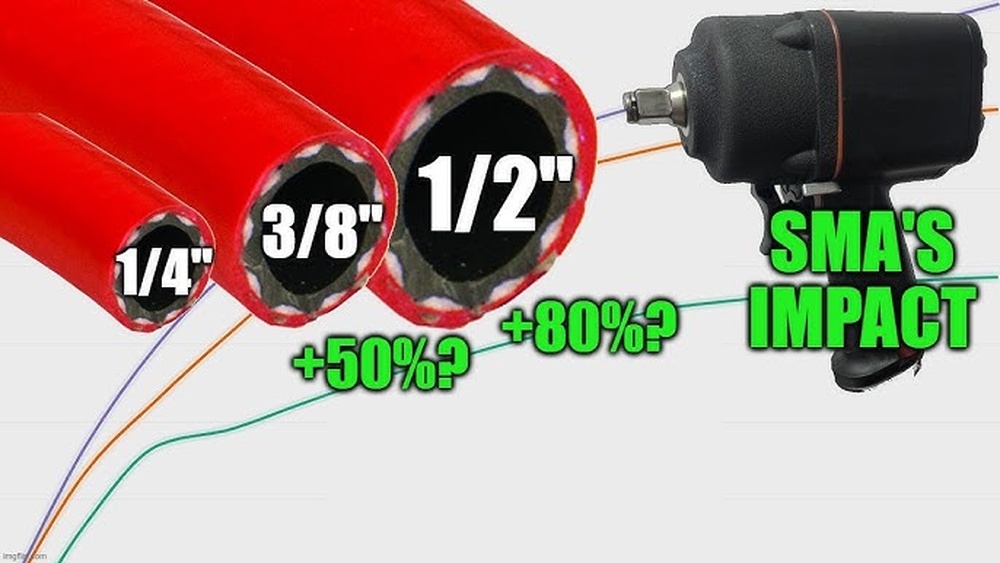
A properly sized hose helps your compressor run efficiently. If you use a hose that is too small, your compressor has to work harder, which can wear it out faster and increase your electricity bill. Larger hoses allow for smoother airflow and less cycling, especially with high-demand tools.
Cost Comparison
Price is always a factor. A 25-foot 1/4-inch hose may cost $10-15, while a similar 3/8-inch hose could cost $20-30 or more. Fittings and couplers are also more expensive for larger hoses. But the extra cost can be worth it if you use high-demand tools often.
Credit: info.topring.com
When To Use Each Hose
Here’s a simple guide:
- Choose a 1/4-inch hose if you mostly use small tools, work in tight spaces, or want something light and flexible.
- Choose a 3/8-inch hose if you use large air tools, need long hoses, or want to reduce pressure drop in your system.
Professional Vs Diy Use
- DIY users often do best with a 1/4-inch hose for convenience and cost.
- Professionals working with heavy-duty tools or in workshops benefit more from a 3/8-inch hose, even if it costs more and is heavier.

Credit: www.amazon.com
Upgrading Your Setup
If you already own a 1/4-inch hose but want to add bigger tools, you might not need a new compressor—just upgrade to a 3/8-inch hose. Sometimes, a simple hose change can improve tool power and efficiency.
Industry Standards And Recommendations
Most air tool manufacturers recommend a hose size based on tool type and air requirements. For high-flow tools, a 3/8-inch hose is often listed as the minimum. Always check your tool’s manual or the manufacturer’s website for official guidelines. For more technical information, you can visit Wikipedia.
Frequently Asked Questions
Why Does Hose Size Matter For Air Compressors?
The hose size affects how much air reaches your tool. A small hose can limit airflow, making some tools less powerful or even unable to work. The right size hose gives your tools the air they need to perform well.
Can I Use A 3/8-inch Hose With Small Air Tools?
Yes, you can. However, a 3/8-inch hose is heavier and less flexible, which might be inconvenient for small jobs. For light tools, a 1/4-inch hose is usually easier to handle.
Will A Longer Hose Reduce Air Pressure?
Yes, the longer your hose, the more pressure drop you will experience, especially with a smaller diameter hose. For hoses over 25-50 feet, a 3/8-inch size is better for maintaining pressure.
Are All Air Hoses Compatible With Any Compressor?
Most air hoses can connect to standard compressors if you have the right fittings. However, always check the connector size and type. Some industrial compressors use larger fittings than those found in home setups.
What Is The Best Hose Size For Painting A Car?
For painting a car, a 3/8-inch hose is ideal. It gives you steady airflow, which is important for a smooth, even paint job. A smaller hose can lead to inconsistent spray and poor results.
Choosing the right air compressor hose size is more important than many people think. By matching your hose size to your tools and the work you do, you’ll save time, energy, and money—while getting the best performance from your equipment.