
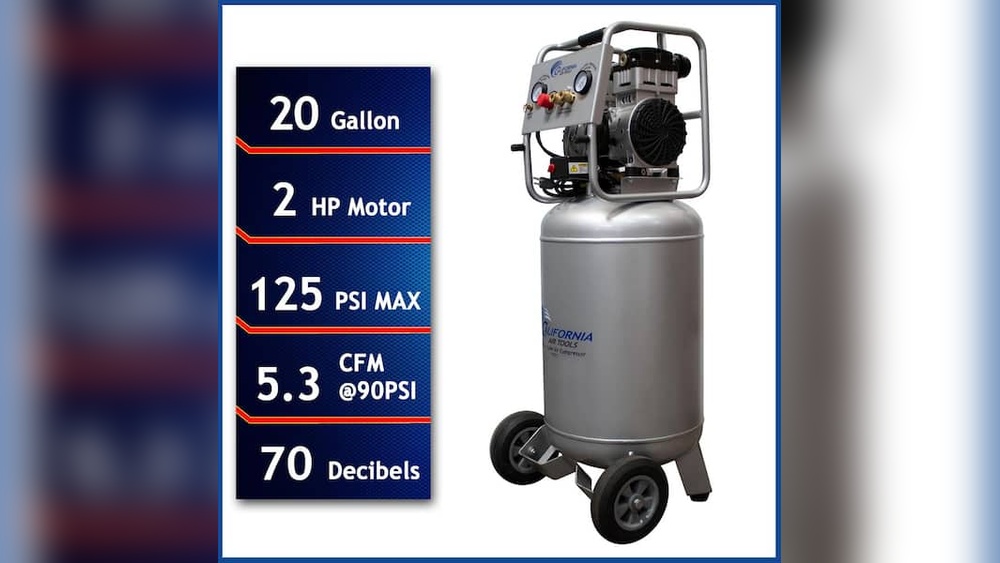
Air compressors are essential in many workshops, garages, and even homes. They power tools, inflate tires, and help with painting or cleaning. But there’s one problem that almost everyone faces: noise. A loud air compressor can be more than just annoying. It can disturb your family, customers, and even your neighbors. Some compressors can reach 90 decibels or more—louder than city traffic. If you want to work comfortably and avoid complaints, you need to know how to quiet an air compressor effectively.
Many people try simple tricks, but they often miss key details. In this guide, you’ll learn practical steps, common mistakes, and smart solutions that make a real difference. Whether you have a small portable compressor or a big industrial unit, these tips will help you reduce noise and enjoy a more peaceful workspace.
Why Are Air Compressors So Noisy?
Understanding the source of the noise is the first step. Air compressors make sound for several reasons:
- Motor operation: The electric or gas motor generates vibrations.
- Air intake: Sucking air in creates a loud hissing or rumble.
- Exhaust: Air leaving the compressor can be sharp and harsh.
- Mechanical parts: Moving pistons and valves add to the overall noise.
Each compressor type also varies in noise level. For example, oil-lubricated compressors are often quieter than oil-free models because the oil reduces friction.
Noise Level Comparison
Here’s a quick look at noise from different compressor types:
| Compressor Type | Average Noise Level (dB) |
|---|---|
| Oil-Free Portable | 80–90 |
| Oil-Lubricated | 60–75 |
| Rotary Screw (Industrial) | 70–85 |
| Scroll (Quiet Type) | 55–65 |
Many users are surprised to learn that a small compressor can be louder than a big one, depending on the technology and design.
How To Quiet An Air Compressor: 10 Effective Strategies
There’s no single “magic” solution. Often, you need to combine several methods to get the best results. Let’s look at what works—and what doesn’t.
1. Move The Compressor Farther Away
Distance is your friend. The farther you are from the source, the lower the noise. If possible, place your air compressor in a separate room, garage corner, or even outside (if weather allows). Use longer air hoses to reach your workspace.
Tip: Make sure the compressor stays dry and well-ventilated to avoid damage.
2. Add Soundproofing Barriers
Building a barrier can block and absorb sound. You don’t need a full room—sometimes, a simple partition or box works.
- Use acoustic panels or thick moving blankets around the compressor.
- For a DIY solution, build a wooden box lined with foam or carpet.
- Don’t block air flow; leave vents for cooling.
Here’s a quick comparison of common soundproofing materials:
| Material | Noise Reduction (dB) | Cost Level |
|---|---|---|
| Acoustic Foam | 10–15 | Medium |
| Moving Blankets | 5–8 | Low |
| Plywood + Foam | 12–18 | Medium |
| Drywall Partition | 15–25 | High |
3. Use An Intake Silencer Or Filter
The intake is one of the loudest parts. Adding an intake silencer can cut noise by up to 10 decibels. These devices work like car mufflers, trapping sound before it escapes.
- Buy a silencer designed for your compressor size.
- Or, use a heavy-duty air filter (like from an auto parts store) for a budget solution.
- Clean or change filters often for best performance.
Non-obvious tip: Some silencers also increase compressor life by keeping dirt out.
4. Install Rubber Isolation Pads
Vibration transfers sound to the floor and walls. Placing rubber pads or anti-vibration mats under the compressor can reduce this by half or more.
- Use thick, dense rubber (at least 1/2 inch).
- For heavy compressors, try special anti-vibration mounts.
- Check that the compressor is level to avoid extra shaking.
5. Tighten And Maintain All Parts
Loose bolts and worn parts can make even more noise. Regular maintenance is key:
- Tighten all screws, bolts, and fittings every few months.
- Oil moving parts if your compressor allows it.
- Replace cracked gaskets or worn valves.
Example: A loose belt or pulley can create a loud rattling that’s easy to fix but often missed.
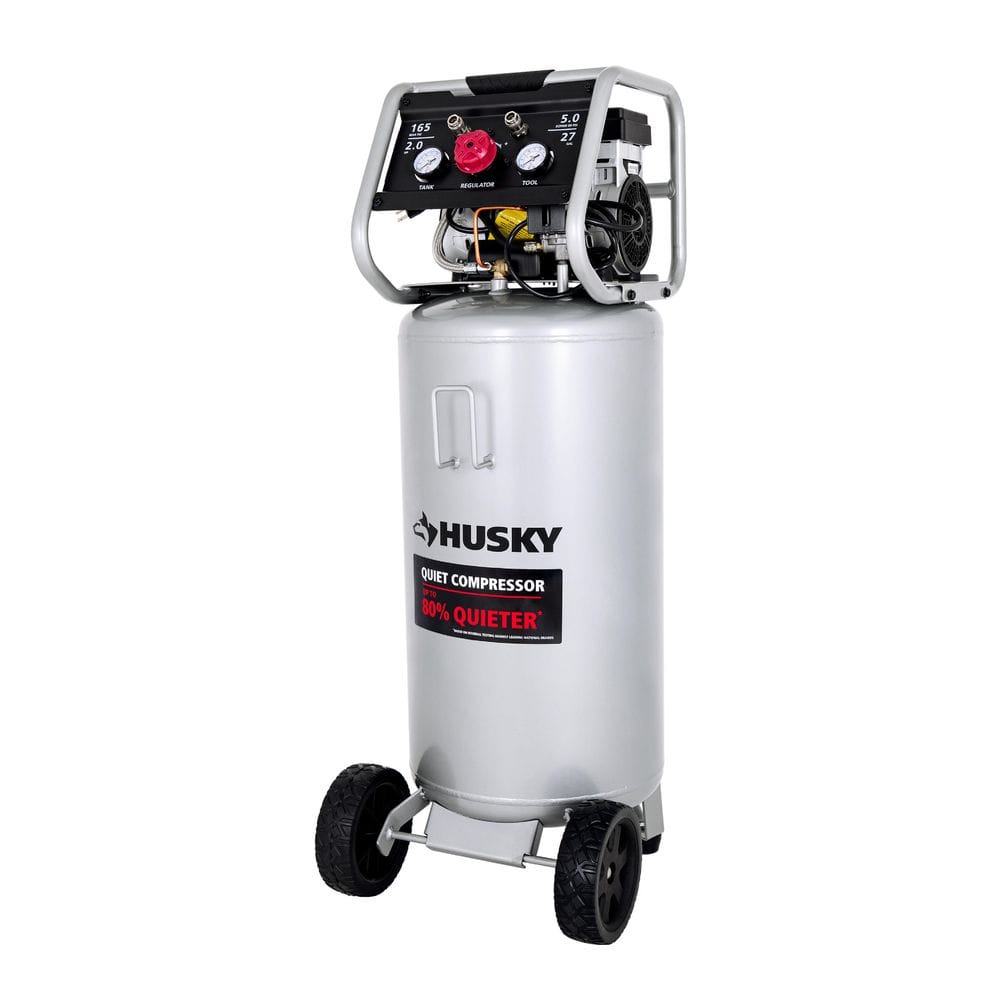
6. Upgrade To A Quieter Compressor
If your current model is very loud, sometimes the best fix is a new quiet air compressor. Look for units labeled “ultra-quiet” or below 70 dB.
Key features to check:
- Oil-lubricated motors (quieter than oil-free)
- Lower RPMs (less movement, less noise)
- Enclosed housing
While this option costs more, it can improve your entire work environment.
7. Redirect The Exhaust
The exhaust port releases pressurized air with a loud pop. Attaching a muffler or flexible hose to redirect the exhaust away from your workspace can help.
- Use automotive mufflers or special compressor mufflers.
- Point the exhaust toward an outside wall or open area.
- Secure the hose so it doesn’t whip around.
8. Build A Compressor Enclosure
If you want maximum noise reduction, build a dedicated enclosure. This is a step beyond a simple barrier.
- Use thick plywood, drywall, or MDF boards for walls.
- Line the inside with acoustic foam or insulation.
- Add a door for maintenance access.
- Install vents and a fan for cooling.
Warning: Never seal the compressor in a box without airflow. Overheating can cause serious damage.
9. Soundproof The Room
If moving the compressor isn’t an option, treat the whole room:
- Add weatherstripping to doors and windows.
- Hang thick curtains or blankets on walls.
- Use foam tiles or carpets to absorb echo.
Data: Soundproofing a small room can reduce overall noise by 30–40%.
10. Wear Hearing Protection
Even with all these steps, some compressors are just loud by nature. Protect your hearing with earplugs or earmuffs rated for at least 25 dB noise reduction.
- Use them whenever you’re near the compressor.
- Make it a habit, especially for long work sessions.

Credit: www.youtube.com
Common Mistakes To Avoid
Many people try to quiet their air compressor but end up frustrated. Here’s what to watch out for:
- Blocking air flow: Never cover vents or cooling fans. Compressors need air to stay cool.
- Using thin materials: Cardboard or thin foam does almost nothing against loud noise.
- Ignoring maintenance: Dirty filters and loose parts get much louder over time.
- Forgetting about vibration: Even a quiet motor sounds loud if it shakes the floor.
- Not measuring results: Use a smartphone app or meter to check before and after noise levels.
Real-world Example: Quieting A Garage Compressor
Let’s look at a practical example. John has a 6-gallon oil-free compressor in his garage. It measured 88 dB at 3 feet—louder than a busy street.
Here’s what John did:
- Moved the compressor to the far corner and ran a 25-foot air hose.
- Placed thick rubber pads underneath.
- Built a 3-sided plywood barrier lined with old carpet.
- Added an automotive air filter to the intake.
- Checked and tightened all bolts.
After these changes, the noise dropped to 73 dB—a big improvement. He can now talk on the phone while the compressor runs.
Credit: www.homedepot.com
What To Do If Your Compressor Is Still Too Loud
If you’ve tried everything and your compressor is still noisy, consider these advanced options:
- Install a remote start switch so you can turn it on from another room.
- Build a separate outdoor shed with soundproofing.
- Consider a scroll or rotary screw compressor, which are much quieter but more expensive.
Some users choose to run their compressor only during certain hours, or alert neighbors before doing noisy work.
Cost Vs. Benefit: Is It Worth Upgrading?
Upgrading to a quieter compressor or adding soundproofing can cost $100 to $500 or more. Is it worth it? For many people, the answer is yes—especially if you work often or need to keep peace with family and neighbors.
Here’s a simple cost comparison:
| Noise Solution | Estimated Cost | Noise Reduction |
|---|---|---|
| Intake Silencer | $20–$60 | 5–10 dB |
| Rubber Pads | $15–$40 | 3–6 dB |
| DIY Barrier | $50–$150 | 10–18 dB |
| New Quiet Compressor | $200–$800 | 15–30 dB |
If you use your compressor daily, a quieter setup can make a huge difference in comfort and safety.

Credit: www.youtube.com
Frequently Asked Questions
How Many Decibels Is Too Loud For An Air Compressor?
Most experts consider anything above 85 dB as too loud for long periods. Sounds above this level can damage hearing. Try to keep your workspace below 75 dB if possible.
Can I Build A Soundproof Box For My Air Compressor?
Yes, you can build a soundproof enclosure using plywood, foam, and insulation. Always include vents and a fan for cooling. Don’t fully seal the box—overheating is a risk.
Are Oil-lubricated Compressors Always Quieter?
Generally, oil-lubricated compressors are quieter because oil reduces friction and vibration. However, design and size also matter. Check the dB rating before buying.
What’s The Cheapest Way To Reduce Compressor Noise?
The most cost-effective methods are moving the compressor farther away, using rubber isolation pads, and adding a basic intake filter or silencer. These steps can reduce noise by 5–15 dB for less than $50.
Where Can I Learn More About Air Compressor Safety And Maintenance?
You can find detailed guidelines and safety standards from official sources like OSHA.
Reducing air compressor noise is not just about comfort—it’s also about health and productivity. By using the tips above, you can create a quieter, safer, and more enjoyable workspace. Don’t ignore the small steps; even simple changes can make a big difference.