
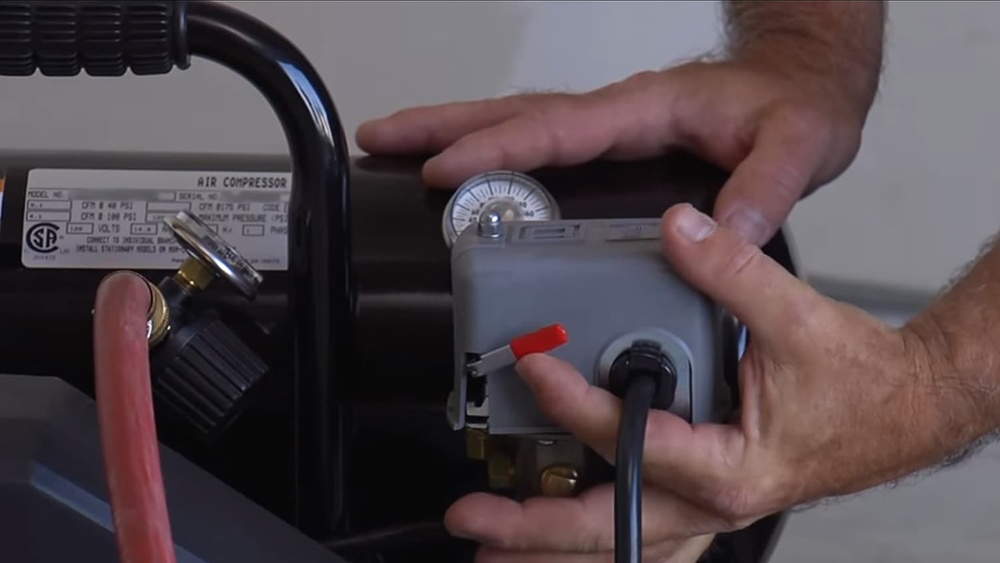
Starting an air compressor might seem tricky at first, but it doesn’t have to be. Whether you’re using it for DIY projects, home repairs, or professional tasks, knowing how to start your air compressor safely and correctly will save you time and frustration.
In this guide, you’ll discover simple steps to get your compressor up and running quickly. Keep reading, and you’ll feel confident handling your air compressor like a pro.
Choosing The Right Air Compressor
Choosing the right air compressor is the first step to working efficiently. The right choice saves time, money, and effort. It also ensures safety and better results. Understanding the different types and features helps you pick the best one for your needs.
Types Of Air Compressors
Air compressors come in various types. The most common are piston, rotary screw, and centrifugal. Piston compressors work well for small tasks and home use. Rotary screw compressors fit larger industrial jobs. Centrifugal compressors serve high-demand, continuous operations. Each type has unique strengths. Choose based on the work environment and power needs.
Sizing Your Compressor
Size matters for air compressors. Too small, and the compressor will struggle. Too large, and you waste energy and money. Consider the air volume needed, measured in CFM (cubic feet per minute). Also, check the pressure required, measured in PSI (pounds per square inch). Match these numbers to your tools and tasks. This ensures smooth and efficient operation.
Key Features To Consider
Look for features that improve performance and ease of use. Noise level is important, especially indoors. Portability matters if you move the compressor often. Check for automatic shutoff and pressure control for safety. Maintenance needs should be simple and clear. Energy efficiency helps reduce power bills. These features make your work easier and safer.
Preparing Your Workspace
Preparing your workspace is the first step before starting an air compressor. A clean and safe area helps the machine work well. It also protects you from accidents. Taking time to set up the right space makes your job easier and safer.
Safety Precautions
Wear safety glasses and gloves to protect your eyes and hands. Keep the area clear of any flammable materials. Check the air compressor for damage before use. Make sure all safety valves and switches work properly. Never leave the compressor unattended while it is running.
Setting Up A Stable Surface
Place the air compressor on a flat, solid surface. Avoid uneven or soft ground that can cause it to tip over. Use rubber mats if the floor is slippery. A stable base reduces noise and vibration. It also prevents the compressor from moving during operation.
Ensuring Proper Ventilation
Run the air compressor in a well-ventilated area. Good airflow prevents overheating of the motor. It also removes harmful fumes that may build up. Avoid small, closed rooms without windows or fans. Open doors or use fans to improve air circulation around the machine.
Checking The Air Compressor Components
Checking the air compressor components is a key step before starting the machine. It helps ensure the compressor works safely and efficiently. Careful inspection can prevent damage and save repair costs. Take time to examine each part carefully. This process keeps the compressor ready for use.
Inspecting Hoses And Fittings
Look over all hoses for cracks or leaks. Damaged hoses can cause air loss and reduce performance. Check fittings to ensure they are tight and secure. Loose fittings might cause air to escape or create hazards. Replace any worn or broken parts immediately.
Verifying Oil Levels
Check the oil level in the compressor tank. Proper oil levels keep the machine running smoothly. Low oil can cause overheating and damage internal parts. Use the recommended oil type and fill to the correct mark. Regular oil checks increase the compressor’s lifespan.
Examining Pressure Gauges
Look at the pressure gauges for accuracy. Gauges show the air pressure inside the tank. Faulty gauges can give wrong readings and cause safety risks. Make sure the needle moves freely and shows the expected pressure. Replace any broken or stuck gauges right away.
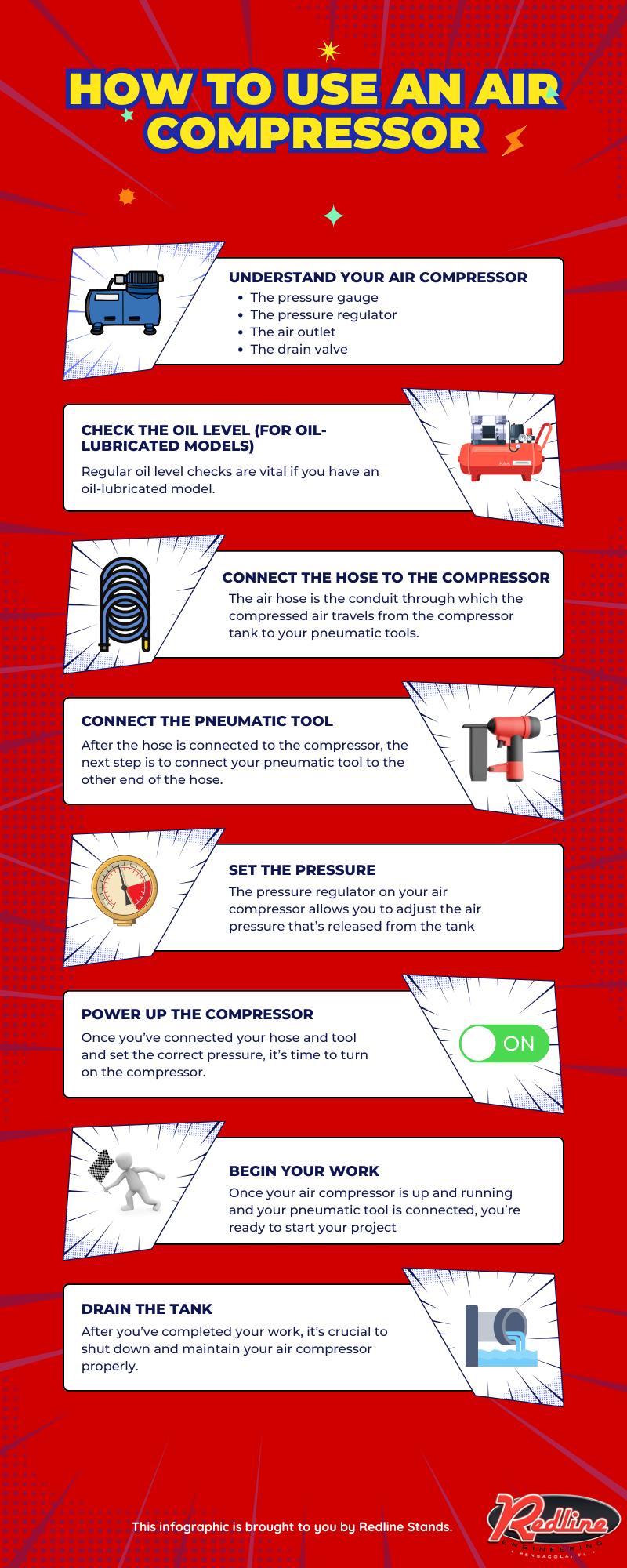
Credit: www.redlinestands.com
Connecting The Air Compressor
Connecting the air compressor correctly is a key step to start it safely and efficiently. This process involves attaching the air hose, linking the compressor to a power source, and securing all connections. Each step ensures the compressor works well without leaks or power issues.
Attaching The Air Hose
Begin by selecting the right air hose for your compressor. Firmly push the hose end onto the compressor’s outlet valve. Twist or clip it until it fits snugly. Check that the connection feels tight. A loose hose can cause air leaks and reduce performance.
Connecting To Power Source
Locate a suitable power outlet near your compressor. Use the correct voltage and amperage as stated in the compressor manual. Plug the power cord securely into the outlet. Avoid using extension cords if possible. Make sure the power source is switched off before plugging in.
Securing All Connections
Inspect all fittings and joints. Tighten any loose connectors with a wrench or by hand. Look for signs of wear or damage. Ensure no parts move freely after securing. Properly secured connections prevent accidents and keep air pressure steady.
Starting The Air Compressor
Starting an air compressor is a simple process that requires careful steps. Proper startup helps the machine work efficiently. It also extends the life of the compressor. Follow these steps to get your air compressor running safely and smoothly.
Turning On The Power
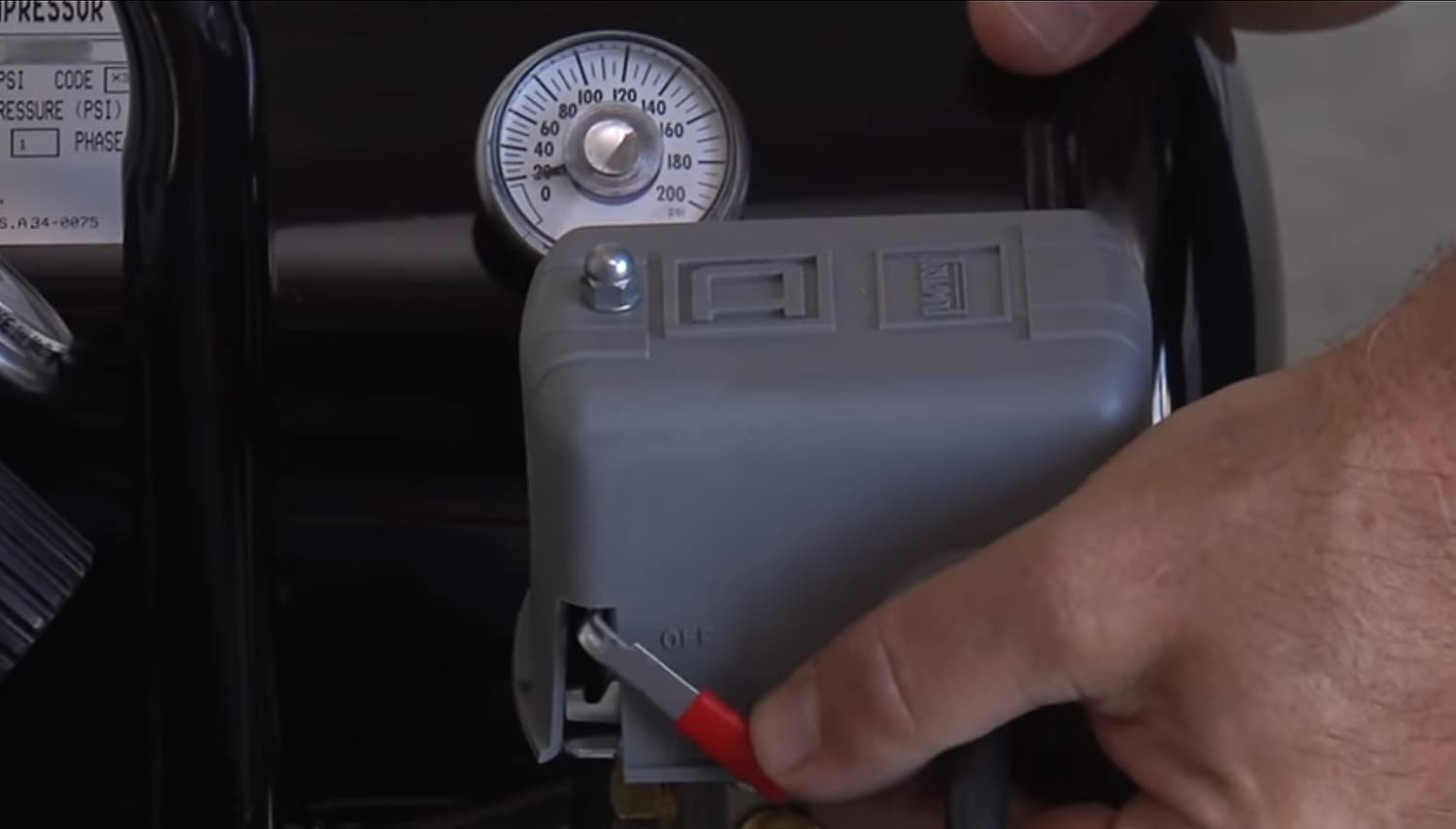
First, make sure the compressor is plugged into a power source. Check the power switch and turn it on. Some models have a reset button; press it if needed. Listen for the motor to start running. If it does not start, check the circuit breaker.
Adjusting Pressure Settings
Set the pressure regulator to the desired level. Use the gauge to monitor the pressure. Avoid setting the pressure too high or too low. Proper pressure keeps tools working correctly. Turn the adjustment knob slowly to reach the right setting.
Monitoring Initial Operation
Watch the compressor as it runs for the first few minutes. Check for unusual noises or vibrations. Look for air leaks around fittings and hoses. Ensure the pressure builds up steadily on the gauge. Stop the machine immediately if you notice any problems.
Credit: www.mitm.com
Troubleshooting Common Issues
Starting an air compressor can sometimes bring small problems. These issues might stop the machine from working well. Knowing how to fix common problems helps keep the compressor running smoothly. This section covers easy ways to solve usual troubles.
Dealing With Air Leaks
Air leaks reduce the compressor’s power. Listen for hissing sounds near hoses and fittings. Tighten loose connections using a wrench. Replace damaged hoses or seals quickly. Use soapy water on joints to find tiny leaks. Bubbles show where air escapes. Fix leaks to save energy and improve performance.
Handling Overheating
Overheating can damage the compressor motor. Check if the cooling vents are blocked. Clear dust and debris from vents and fans. Make sure the compressor runs in a cool, dry place. Avoid long continuous use without breaks. Turn off the compressor if it feels too hot. Let it cool before restarting.
Addressing Unusual Noises
Strange noises may signal mechanical issues. Listen for knocking, rattling, or squealing sounds. Tighten loose parts and screws. Oil moving parts if the compressor needs lubrication. Check the belt for wear and replace if broken. Strange sounds often warn of bigger problems ahead. Act fast to avoid damage.
Maintenance Tips For Longevity
Proper maintenance keeps your air compressor working well for years. It prevents breakdowns and saves money on repairs. Simple daily care makes a big difference in performance.
Follow these easy steps to maintain your machine. Consistent habits protect the compressor’s parts. This helps avoid costly downtime and ensures safety.
Regular Cleaning
Clean the air compressor outside and inside often. Dust and dirt can block vents and damage parts. Use a dry cloth to wipe the surface. Remove dust from air filters carefully. Check for oil or water buildup and clean it out. A clean compressor runs cooler and lasts longer.
Lubrication Schedule
Check the oil level before each use. Add oil as the manual suggests to keep parts smooth. Change the oil after the first 20 hours of use. After that, change it every 100 hours or monthly. Use the right type of oil for your compressor model. Proper lubrication prevents wear and tear on moving parts.
Storage Best Practices
Store the compressor in a dry, cool place. Avoid areas with moisture or direct sunlight. Drain the tank of any water after use to stop rust. Disconnect the power and cover the compressor to keep dust away. Proper storage stops damage and keeps the compressor ready for the next job.

Credit: www.youtube.com
Frequently Asked Questions
How Do I Safely Start An Air Compressor?
To start an air compressor safely, first check oil and air filter levels. Ensure the power source is off. Open the drain valve to release moisture. Turn on the power and then start the compressor. Follow the manufacturer’s instructions for best results.
What Is The Best Way To Maintain An Air Compressor?
Regularly check oil levels and change oil every 500 hours. Clean or replace air filters monthly. Drain moisture from the tank daily. Inspect hoses and fittings for leaks. Proper maintenance extends the compressor’s life and ensures efficient operation.
Why Won’t My Air Compressor Start?
Common reasons include a tripped circuit breaker, low oil level, or a clogged air filter. Check power supply and reset breakers. Ensure oil is sufficient and filters are clean. Address these issues to restart the compressor quickly.
How Long Should I Run An Air Compressor Initially?
Run the compressor for about 5-10 minutes during the first use. This allows the oil to circulate properly and the system to stabilize. Follow the manufacturer’s guidelines for initial run time to ensure optimal performance.
Conclusion
Starting an air compressor is simple when you follow the right steps. Always check the oil and air filter before use. Make sure the power source is safe and connected. Turn the switch on and listen for any unusual sounds.
Keep the area clean to avoid accidents. Regular care helps your compressor work longer and better. With practice, starting your air compressor will feel easy and natural. Stay safe and enjoy your work with confidence.