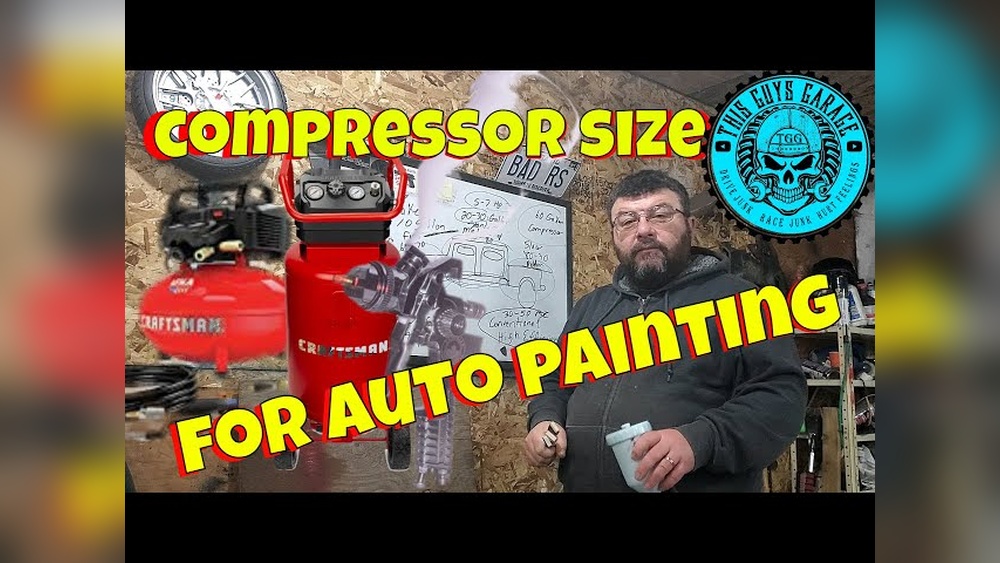
Painting a car at home or in a small workshop can be a rewarding project. But before you start, there’s one question that often comes up: what size air compressor do you need to paint a car? Using the right air compressor is crucial for smooth, even paint, and to avoid technical problems during the job. Many beginners make mistakes with compressor size, causing poor results or even ruining their equipment. Let’s explore everything you need to know to make the best choice.
Why Air Compressor Size Matters For Car Painting
When painting a car, the air compressor provides the power for your spray gun. If the compressor is too small, it cannot keep up. The spray pattern becomes uneven, and the finish can look patchy or textured. If it’s too large, you may spend more money and space than you really need.
The main job of the air compressor in car painting is to deliver a steady airflow at the right pressure. Modern paint guns, especially HVLP (High Volume Low Pressure) guns, need a lot of air volume, not just pressure. If your compressor can’t provide this, the gun will sputter, and your paint will not atomize correctly.
Key Specifications: What To Look For
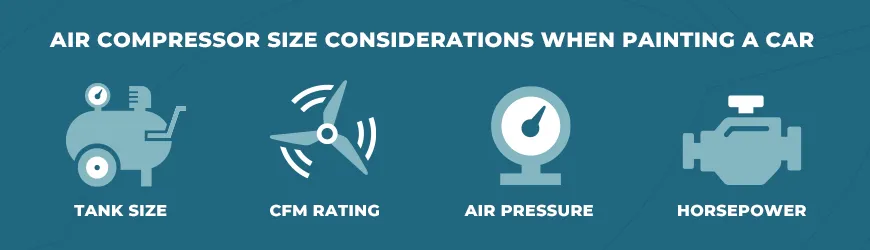
Before shopping, get familiar with the most important specifications:
- CFM (Cubic Feet per Minute): This is the amount of air the compressor delivers. For car painting, the CFM rating is much more important than just the horsepower or tank size.
- PSI (Pounds per Square Inch): This is the pressure. Most spray guns work well at 10-25 PSI, but the compressor must be able to keep that steady.
- Tank Size: This affects how long you can spray before the compressor needs to refill with air.
Let’s look at each of these in more detail.
Cfm Requirements For Car Painting
Most car paint guns require 6 to 12 CFM at 40 PSI. Some HVLP guns even need up to 15 CFM. Always check the spray gun’s manual for its specific needs. If your compressor delivers less than what your gun requires, you’ll have to stop often and wait for the tank to refill, which can lead to uneven paint.
Psi: How Much Pressure Do You Need?
Car painting is usually done at 10-25 PSI at the gun, but compressors are rated at 40 or 90 PSI. The key is that the compressor must hold this pressure without dropping as you spray. Too little pressure and the paint won’t atomize; too much and you’ll get overspray.
Tank Size: Does Bigger Mean Better?
Tank size doesn’t directly affect spray quality, but it determines how long you can spray before the compressor must catch up. For car painting, a 30-gallon tank is the minimum for small jobs or touch-ups. For painting an entire car, 60 gallons or more is recommended for uninterrupted work.
Ideal Air Compressor Sizes For Different Car Painting Jobs
Not every painting job is the same. The size of your compressor should match what you’re planning to paint.
Touch-ups And Small Panels
If you’re just painting a door, bumper, or small part, you can use a compressor with 4-6 CFM at 40 PSI and a 20-30 gallon tank. However, you’ll need to pause often and let the compressor catch up. This setup is best for small repairs, not full cars.
Painting An Entire Car
For a full car respray, you need a compressor that can deliver at least 10 CFM at 40 PSI, with a 60-gallon tank or larger. This lets you paint most of the car in one go, reducing the risk of visible lines or mismatched paint.
Professional-quality Finishes
If you want a finish like a professional shop, consider a 2-stage compressor that delivers 15-20 CFM at 40 PSI, with an 80-gallon tank. This ensures constant pressure, even if you use multiple guns or spray large panels.
Here’s a simple comparison of typical setups:
| Job Type | Recommended CFM | Recommended Tank Size |
|---|---|---|
| Touch-Ups | 4-6 CFM | 20-30 gallons |
| Full Car | 10-15 CFM | 60-80 gallons |
| Professional Shop | 15-20+ CFM | 80+ gallons |
Matching Compressor To Your Spray Gun
Not all spray guns are equal. There are two main types:
- HVLP (High Volume Low Pressure): Needs more CFM but lower PSI. These guns are efficient and meet most environmental rules.
- Conventional (High Pressure): Needs less CFM but higher PSI. These are older and less common for car painting today.
Always check your gun’s manual for its CFM and PSI needs. Here’s a quick guide to popular spray guns and their air requirements:
| Spray Gun Model | CFM Requirement | Recommended Compressor Size |
|---|---|---|
| DeVilbiss HVLP | 12 CFM at 23 PSI | 60+ gallons, 13+ CFM |
| Iwata LPH400 | 9.5 CFM at 16 PSI | 60+ gallons, 10+ CFM |
| 3M Accuspray | 6-8 CFM at 20 PSI | 30+ gallons, 8+ CFM |
Non-obvious insight: Many beginners forget to match their compressor to the *actual* gun they use, leading to poor results even with a large tank.

Credit: www.youtube.com
Single-stage Vs Two-stage Compressors
You’ll See These Terms Often. What’s The Difference?
- Single-stage compressors compress air in one step. They tend to be cheaper, but often cannot deliver the high CFM needed for full car painting.
- Two-stage compressors compress air twice, giving higher pressure and more CFM. These are best for big jobs and professional results.
If you plan to spray cars often, a two-stage compressor is usually worth the extra cost.
Other Compressor Features That Matter
Besides size and power, a few other features make a big difference:
- Oil-lubricated vs Oil-free: Oil-lubricated compressors last longer and run more quietly, but need maintenance. Oil-free are easier for beginners, but wear out faster.
- Moisture traps and filters: Paint jobs hate water or oil in the air line. Always use a moisture trap to avoid fish eyes or bubbles in your paint.
- Portability: Large compressors are heavy. If you plan to move the compressor, consider a wheeled model.
The Real Cost Of Underpowered Compressors
Trying to save money with a small compressor can backfire. Here’s why:
- Frequent Pauses: You’ll spend more time waiting for the tank to refill than actually painting.
- Inconsistent Finish: Pressure drops cause uneven spray, runs, or dry spots.
- Compressor Damage: Overworking a small unit can overheat the motor and shorten its life.
- Frustration: Interruptions and poor results can turn a fun project into a headache.
Non-obvious insight: Paint quality depends not just on your skill, but also on the *stability* of air pressure throughout the job.
Example Setups For Different Budgets
Let’s look at three sample setups:
Budget Setup (touch-up Jobs)
- Compressor: 6 CFM at 40 PSI, 20-gallon tank
- Spray gun: Low CFM HVLP model (like 3M Accuspray)
- Best for: Small repairs, not full cars
Mid-range Setup (whole Car, Occasional Use)
- Compressor: 10-12 CFM at 40 PSI, 60-gallon tank
- Spray gun: Standard HVLP
- Best for: DIYers painting a full car once or twice a year
Pro Setup (frequent Or Multi-car Work)
- Compressor: 15-20 CFM at 40 PSI, 80-gallon two-stage
- Spray gun: Top-tier HVLP
- Best for: Shops, serious hobbyists, or frequent projects
Credit: kaishanusa.com
Common Mistakes To Avoid
- Ignoring CFM: Don’t buy just by horsepower or tank size. CFM is key.
- Not Checking Gun Specs: Always match your compressor to your gun’s needs.
- Skipping Moisture Filters: Water in the lines ruins paint.
- Overestimating Tank Size: A big tank helps, but can’t fix low CFM.
- Using Long Hoses: Longer hoses drop pressure. Keep hoses as short as practical.
- Ignoring Duty Cycle: Many compressors are not made to run non-stop. Overuse can overheat small units.
Practical Tips For Best Results
- Test first: Always do a test spray on scrap to check air and paint flow.
- Spray with steady motion: Don’t stop and start too often—this causes uneven paint.
- Allow cool-downs: If your compressor gets hot, let it rest to avoid damage.
- Keep filters clean: Dirty filters reduce pressure and add moisture.
- Plan your work: Paint large panels in one go to avoid visible lines.
If you want to compare more compressor models and specifications, the Wikipedia page on air compressors is a helpful resource.

Credit: issuu.com
Frequently Asked Questions
What Is The Minimum Air Compressor Size To Paint A Car?
For a full car, you need at least 10 CFM at 40 PSI and a 60-gallon tank. For small touch-ups, you can use a smaller compressor, but you’ll need to pause often.
Can I Use A Pancake Or Portable Compressor To Paint A Car?
Most pancake compressors are too small for full car painting. They often deliver only 2-4 CFM, which is not enough for a consistent spray. They may work for tiny parts or touch-ups.
Is Tank Size Or Cfm More Important?
CFM is more important because it shows how much air the compressor delivers. A big tank helps you spray longer, but without enough CFM, pressure will drop quickly.
How Do I Prevent Water In My Paint Lines?
Use a moisture trap or filter between the compressor and your spray gun. Drain your compressor tank before starting. Moisture in the lines can ruin your paint job.
Can I Paint A Car With A 30-gallon Compressor?
A 30-gallon compressor may work for small panels or touch-ups, but for a full car, you’ll need to stop often. For best results, use a 60-gallon or larger tank with the correct CFM.
Choosing the right air compressor for car painting is not just about buying the biggest or most expensive model. It’s about matching the CFM, PSI, and tank size to your spray gun and the job you want to do. Take your time, check your equipment specs, and use the tips above for a great result. The right setup saves you time, money, and frustration, and helps you get that smooth, professional-looking finish you want.