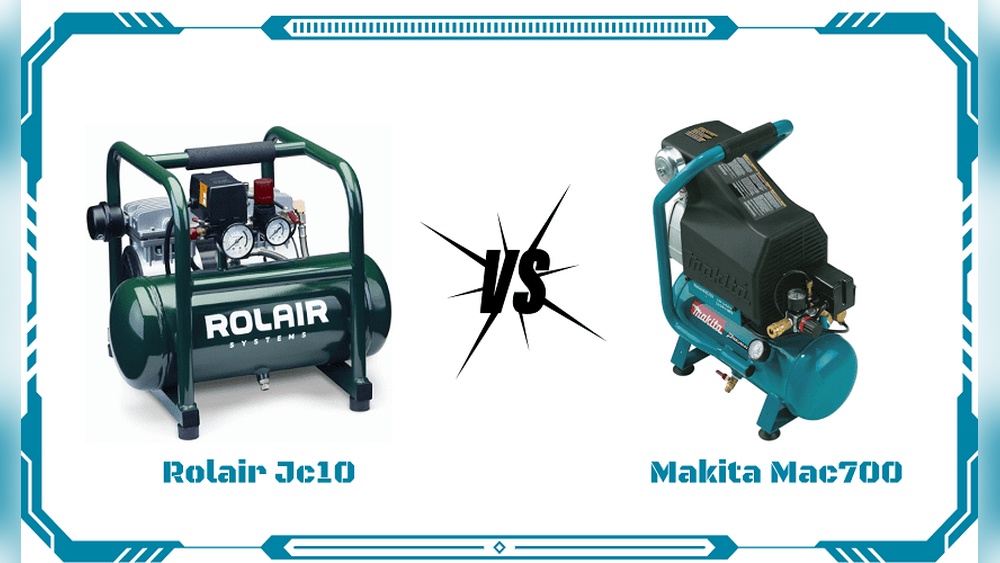
Are you struggling to choose the right air compressor for your projects? When it comes to reliable power and performance, Rolair and Makita are two big names you’ve probably come across.
But which one truly fits your needs? You’ll discover the key differences between Rolair and Makita air compressors. By the end, you’ll know exactly which model suits your work style, budget, and expectations. Keep reading to make a confident choice that will save you time and money.
Brand Profiles
Choosing the right air compressor starts with understanding the brands behind them. Each brand has its own history, strengths, and focus. Knowing these details helps pick the best tool for your needs. Below, we explore the backgrounds of Rolair and Makita.
Rolair Background
Rolair is a brand known for durable air compressors. It started in the United States and focuses on industrial and commercial use. The company builds compressors that last long and work hard. Many users trust Rolair for heavy-duty tasks. Their products often feature quiet operation and strong performance. Rolair aims to provide reliable tools for professionals.
Makita Background
Makita is a Japanese brand with a global reputation. It began as a power tool maker and later added air compressors. Makita products focus on innovation and ease of use. The brand offers compact, portable compressors for various tasks. Makita is popular among both professionals and hobbyists. They emphasize quality and user-friendly design in every product.

Credit: www.superiorelectric.us
Design And Build
The design and build of an air compressor affect how easy it is to use and how long it lasts. Both Rolair and Makita focus on strong, practical designs. Their compressors are made to handle tough tasks but also fit well in different workspaces.
Examining size, materials, and noise helps decide which is better for your needs. These factors matter for comfort and efficiency during work.
Size And Portability
Rolair compressors tend to be compact but a bit heavier. They offer stability but may not be the easiest to carry around.
Makita models are usually lighter and smaller. This makes them good for jobs that need moving from place to place. Both brands design for transport, but Makita focuses more on portability.
Material Quality
Rolair uses solid metals and durable parts. This helps the compressor last longer under heavy use.
Makita also uses quality materials but adds more plastic parts. These reduce weight but might not be as tough as Rolair’s metal-heavy build.
Noise Levels
Rolair compressors produce moderate noise. Not too loud, but noticeable in quiet spaces.
Makita air compressors are quieter. They suit indoor work or areas with noise limits better.
Performance Metrics
Performance metrics help us compare air compressors clearly. These numbers show how well each model works. We will check airflow, pressure, tank size, and duty cycle. These details matter for choosing the right compressor for your tasks.
Airflow And Pressure
Airflow measures how much air the compressor can push. It is usually given in cubic feet per minute (CFM). Higher airflow means the compressor can run bigger tools. Pressure shows the force of the air, measured in pounds per square inch (PSI). Both Rolair and Makita offer good airflow and pressure. Rolair often has slightly higher CFM, helping with large jobs. Makita keeps steady pressure for consistent tool performance.
Tank Capacity
Tank size tells how much air the compressor can hold. A bigger tank means longer work without refilling. Rolair models often have larger tanks, good for long projects. Makita tanks tend to be smaller but lighter. This helps with easy moving and storage. Choose a tank size that fits your work style and space.
Duty Cycle
Duty cycle shows how long the compressor can run before resting. It is a percentage of time running in a 10-minute span. A higher duty cycle means the compressor can work longer without stopping. Rolair usually offers a higher duty cycle, ideal for heavy use. Makita compressors have moderate duty cycles, suitable for light to medium jobs. Consider your work needs to pick the right duty cycle.
Power And Efficiency
Power and efficiency are key factors for choosing the right air compressor. They affect how well the tool performs and how long it lasts. Both Rolair and Makita offer strong options, but their designs focus on different strengths. Understanding their motor power, energy use, and run time helps pick the best fit for your needs.
Motor Power
Rolair compressors often feature powerful motors suited for heavy tasks. They deliver steady air pressure for longer jobs. Makita models have motors designed for quick startup and smooth operation. They provide reliable power in a compact size. Both brands offer motors built to handle tough conditions.
Energy Consumption
Rolair units tend to use more energy due to their larger motors. This suits projects needing continuous, high-volume air supply. Makita compressors are more energy-efficient. They conserve power during lower pressure use. This makes Makita better for casual or light tasks.
Run Time
Rolair compressors can run longer without overheating. They are ideal for extended work periods. Makita compressors have shorter run times but cool down faster. This helps in jobs requiring frequent breaks. Each brand balances run time with cooling differently.
User Experience
User experience plays a big role in choosing between Rolair and Makita air compressors. It affects how easy the tools are to handle and how satisfied users feel. This section covers ease of use, maintenance needs, and real customer feedback. These points help you understand daily use and long-term performance.
Ease Of Use
Both Rolair and Makita offer air compressors designed for simple operation. Rolair models often feature intuitive controls and clear pressure gauges. They are lightweight, making them easy to carry around. Makita compressors have a compact design that fits in small spaces. Their quick-connect fittings help speed up tool changes. Users find both brands straightforward, but Rolair is slightly easier for beginners.
Maintenance Needs
Maintenance affects how long an air compressor lasts. Rolair compressors require routine oil checks and filter cleaning. These tasks keep the machine running smoothly. Makita models are mostly oil-free, which cuts down on maintenance time. Users report fewer breakdowns with Makita’s low-maintenance design. Regular upkeep is still important for both brands to ensure peak performance.
Customer Feedback
Reviews reveal real user opinions about each brand. Rolair users praise the strong build and quiet operation. Some mention the need for regular oil changes. Makita buyers appreciate the portability and low noise levels. They like the easy start-up process. Both brands have loyal fans, but Makita often scores higher for convenience. Complaints are rare but focus on battery life for cordless options.

Credit: www.amazon.com
Pricing And Warranty
Pricing and warranty are key factors when choosing an air compressor. They help you decide which model fits your budget and needs. This section compares the costs and warranty options of Rolair and Makita air compressors.
Cost Comparison
Rolair air compressors usually cost more than Makita models. Rolair offers powerful machines designed for heavy use. Makita provides affordable options that suit light to medium tasks. Prices vary based on size and features. Buyers should consider their project needs before choosing.
Warranty Coverage
Both brands offer solid warranty coverage. Rolair typically gives a 1-year warranty on parts and labor. Makita often extends warranty up to 3 years for some models. Check warranty details carefully before purchase. Warranty helps protect your investment over time.
Value For Money
Makita air compressors offer good value for light tasks. They balance price and performance well. Rolair is better for those needing durability and power. The higher price reflects stronger build quality. Choose the brand that matches your work demands and budget.
Best Use Cases
Choosing the right air compressor depends on the tasks you need to complete. Both Rolair and Makita offer strong options, but each fits different uses best. Understanding their strengths helps match the tool to your project needs.
Professional Applications
Rolair air compressors excel in heavy-duty jobs. They provide high pressure and steady airflow. This makes them perfect for workshops and construction sites. Tasks like framing, roofing, and automotive repair benefit from Rolair’s power. Their durability supports long hours of use without overheating.
Makita compressors work well in professional settings too. They offer good portability and quieter operation. Ideal for electricians and HVAC technicians. Their compact size allows easy movement around the job site. Makita’s air compressors handle moderate tasks efficiently.
Diy And Home Use
Makita air compressors suit DIYers and home users. They are lightweight and easy to store. Great for inflating tires, airbrushing, and light nailing jobs. Their quiet motor keeps noise low in residential areas.
Rolair units can also fit home workshops. Their strong output helps with larger projects. People building furniture or working on cars will find Rolair useful. The trade-off is usually size and weight, which may be harder to move.

Credit: lancaster.craigslist.org
Frequently Asked Questions
What Are The Key Differences Between Rolair And Makita Compressors?
Rolair compressors focus on high durability and heavy-duty use. Makita models prioritize portability and quieter operation. Both brands offer reliable performance but target different user needs and preferences.
Which Brand Offers Better Air Pressure And Flow Rate?
Rolair compressors generally provide higher PSI and CFM ratings suitable for industrial tasks. Makita compressors offer moderate pressure, ideal for home and light professional use.
Are Rolair Or Makita Compressors More Portable?
Makita compressors are designed to be compact and lightweight, enhancing portability. Rolair units are bulkier but built to withstand tougher environments, making them less portable.
How Do Rolair And Makita Compare In Noise Levels?
Makita compressors are known for quieter operation, suitable for noise-sensitive areas. Rolair compressors tend to be louder due to their powerful motors but offer superior performance.
Conclusion
Both Rolair and Makita air compressors offer solid performance. Rolair suits users who want quiet and steady power. Makita works well for those needing portability and quick use. Consider your job type and budget before deciding. Each brand has strengths for different tasks.
Choose what fits your needs best. Quality and reliability come from both options. Your projects will benefit either way.