
If you own an air compressor, you know how useful it can be. From powering tools to inflating tires, it’s a must-have for many workshops and garages. But there’s one maintenance step many people forget: draining the air compressor. This simple task can make a big difference. If you skip it, water can build up inside the tank. Over time, this leads to rust, weaker performance, and even dangerous tank failures. So how often should you drain your air compressor? What happens if you don’t? This guide answers all your questions, with practical advice and real examples. You’ll learn the best schedule for draining, how to do it, and tips to keep your compressor working for years.
Why Water Builds Up In Air Compressors
When you use an air compressor, it pulls in air from the environment. That air always has some moisture. As the compressor works, it pushes the air into a tank and squeezes it under pressure. When air is compressed, the water vapor inside the air cools and turns into liquid water. This water collects at the bottom of the tank.
If you live in a humid area, your air compressor will collect more water. Even in dry places, water will still build up over time. Most people are surprised at how much collects—sometimes several tablespoons after just a few hours of use.
Leaving this water inside the tank is not a good idea. It causes:
- Rust and corrosion inside the tank
- Weaker compressed air (water can mix with the air)
- Damage to air tools or paint jobs
- Reduced tank lifespan
- In rare cases, dangerous tank bursts
That’s why draining is so important.
How Often Should You Drain Your Air Compressor?
How often you need to drain your air compressor depends on several factors. There is no single answer for everyone, but some general rules apply.
Daily Use (light To Moderate)
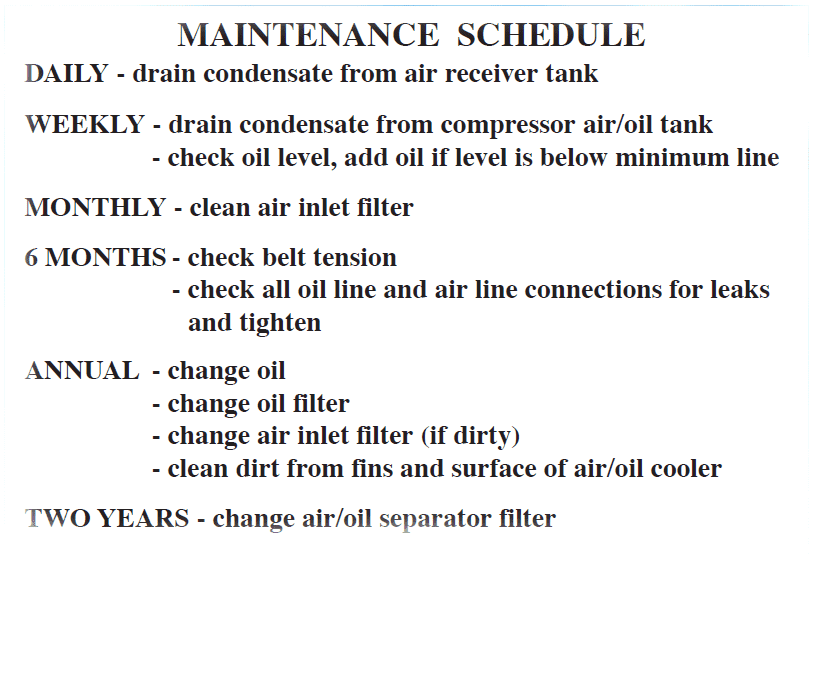
If you use your compressor almost every day for small jobs (like inflating tires or using nail guns), draining once a day is usually enough. Make it a habit to drain the tank at the end of your workday. Even if you only use the compressor for 10–15 minutes, water can collect quickly.
Heavy Or Continuous Use
If your compressor runs for hours at a time (like in a busy workshop or for spray painting), you should drain it several times a day. Some professionals drain every 2–4 hours of use. If you hear water sloshing inside, it’s definitely time!
Occasional Or Seasonal Use
For compressors used only a few times a month, drain the tank after every use. Do not leave water sitting in the tank until your next project.
Storage Periods
If you plan to store your air compressor for a week or more, always drain it completely before storage. This prevents rust during the time it is not used.
Table: Recommended Draining Frequency
Here is a comparison of typical draining schedules based on use:
| Usage Type | Draining Frequency | Reason |
|---|---|---|
| Daily (Light) | Once per day | Prevents daily water buildup |
| Heavy/Industrial | Every 2–4 hours | High moisture from long operation |
| Occasional | After each use | Stops long-term rust |
| Storage | Before storage | Protects during downtime |
Step-by-step: How To Drain An Air Compressor
Draining your air compressor tank is simple, but doing it the right way keeps you safe and protects your equipment.
- Turn off and unplug the compressor. Always shut off power before any maintenance.
- Release the air pressure. Open the air outlet valve or trigger your tool to release air from the tank. This lowers pressure inside.
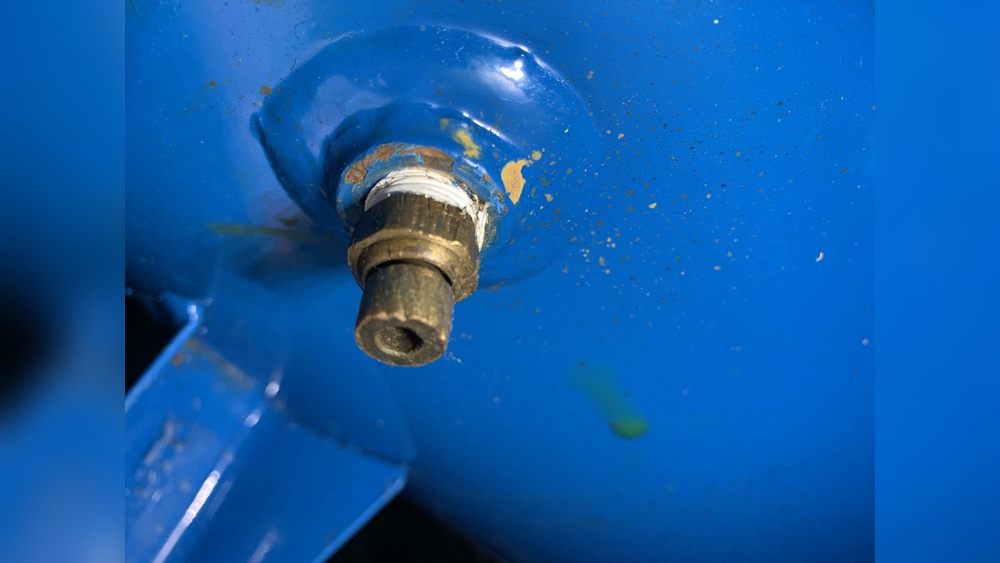
- Find the drain valve. Usually, it’s a small valve at the bottom of the tank.
- Open the drain valve slowly. Water and leftover air will come out. Be careful—sometimes water sprays out quickly.
- Tilt the compressor (if safe). For portable models, gently tilt to direct water toward the drain. For large stationary units, don’t lift.
- Wait until all water is out. Close the valve tightly.
- Wipe away any leftover moisture. Dry the area to prevent rust on the outside.
Table: Draining Steps And Safety Notes
| Step | Action | Safety Tip |
|---|---|---|
| 1 | Turn off and unplug | Prevents electric shock |
| 2 | Release pressure | Avoids sudden bursts |
| 3 | Find drain valve | Check manual if unsure |
| 4 | Open drain slowly | Stay clear of spray |
| 5 | Tilt if possible | Don’t tip large models |
| 6 | Wait for water to drain | Use a container if indoors |
| 7 | Close valve and wipe dry | Prevents outside rust |
Automatic Drain Valves: Are They Worth It?
Some newer compressors, or aftermarket kits, offer automatic drain valves. These small devices open the drain valve for you at set times or when water is detected. If you use your compressor heavily, an automatic drain can save time and make sure you never forget this step.
However, they add a bit of cost and must be installed correctly. For most home users, manual draining is enough. In high-humidity workshops or for commercial use, automatics are a smart upgrade.
What Happens If You Don’t Drain Your Compressor?
Letting water build up inside the tank is risky. Here’s what can happen if you skip draining:
- Rust and corrosion: Water eats away at the tank from the inside. Over months or years, this can cause leaks or weak spots.
- Reduced air quality: Water vapor gets into your air tools, causing them to rust or malfunction. For painting, it can ruin the finish.
- Shorter tank life: Tanks that are never drained may only last a few years, compared to 10+ years with good care.
- Danger of explosion: In rare cases, severe rust leads to tank rupture. Pressurized air can cause a dangerous blast.
Some users think “my compressor is new, so it doesn’t matter yet.” This is a mistake. Even a few weeks of water sitting in the tank can start rust.
Factors That Affect How Much Water You’ll Get
Not every compressor collects water at the same rate. Here are some factors to consider:
- Humidity: High-humidity areas (like coastal cities) mean more water in the tank.
- Compressor size: Larger tanks have more surface area for moisture to collect.
- Duty cycle: The longer and harder your compressor works, the more water builds up.
- Temperature: Cold tanks cause more condensation as air cools quickly.
- Air intake location: If your compressor pulls air from a damp place (like a basement), water buildup increases.
Non-obvious tip: Even if your compressor sits unused for weeks, water left inside will not evaporate. Rust can start even when the compressor is off.

Credit: fluidairedynamics.com
Common Myths About Draining Air Compressors
There are a few myths you might hear from other users or online forums:
- “If I use a water trap on my hose, I don’t need to drain the tank.”
Water traps help protect your tools, but water still sits in the tank and causes rust.
- “A little water is okay, I’ll drain it next month.”
Even a small amount starts corrosion.
- “Stainless steel tanks don’t need draining.”
Most tanks are not full stainless steel, and even those can collect dirt and moisture.
Tips To Reduce Water Buildup
While you can’t stop water from forming, you can reduce the amount:
- Install an air dryer: These filter out water vapor before air enters the tank.
- Use in a dry environment: Avoid running your compressor in damp basements or outdoors on humid days.
- Check for leaks: Air leaks draw in more air (and moisture) as the compressor works harder.
- Regular maintenance: Change filters, and check valves for blockages.
Non-obvious tip: Some users add a short period of running the compressor with the drain valve open (no pressure in the tank) to “flush” out leftover drops.
How To Tell If You’re Draining Enough
Sometimes, you might wonder if your draining schedule is working. Here are signs you need to drain more often:
- You see rusty water coming from the drain.
- You hear water sloshing when you move the tank.
- Air tools spit water or make odd noises.
- The tank feels unusually heavy for its size.
If you notice any of these, increase your draining frequency right away.
Comparing Manual And Automatic Draining
Choosing between manual and automatic draining depends on your needs. Here’s a quick comparison:
| Feature | Manual Draining | Automatic Draining |
|---|---|---|
| Cost | Free (just your time) | Extra cost for valve |
| Maintenance | Must remember to do it | Works on schedule/trigger |
| Best For | Light/moderate use | Heavy/commercial use |
| Risk of Forgetting | High | Low |
| Installation | None | Some setup needed |
Practical Example: Draining Schedule For A Home Garage
Let’s say you have a 20-gallon air compressor in your home garage. You use it for woodworking on weekends and to top up car tires once a week.
Best schedule:
- Drain after every weekend project.
- Drain after inflating tires (if there is visible water).
- Always drain before long periods of no use.
Most users find that once a week works, but check the drain after heavy sessions. If you live in a humid area, try twice a week.
Safety Reminders
Draining your compressor is simple, but always:
- Turn off and unplug before draining.
- Release all air pressure first.
- Don’t overtighten the drain valve when closing.
- Wipe up spills to prevent slipping or rust.
If your drain valve is stuck or blocked, never force it open with tools. Consult your manual or a technician.

Credit: www.airsupply.co.uk
Where To Find More Information
If you want more details on air compressor maintenance, check the manufacturer’s website or trusted sources like OSHA’s official guidance. These sites offer in-depth safety tips and troubleshooting.
Frequently Asked Questions
How Do I Know If My Air Compressor Tank Has Too Much Water?
If you hear a sloshing sound when moving the tank, see water coming from the air hose, or notice rusty water during draining, you likely have too much water inside.
Can I Leave My Air Compressor Pressurized Overnight?
It’s not recommended. Always release pressure and drain the tank after use. This prevents rust and reduces stress on seals and valves.
What Happens If The Drain Valve Is Blocked?
If the valve is blocked by rust or debris, try gently tapping it. Never use sharp tools. If it won’t open, call a technician to avoid damaging the tank.
Is It Safe To Use An Air Compressor That Hasn’t Been Drained In Months?
No. The tank may have rust or weakened spots, making it unsafe. Drain it fully and inspect for rust before use. If in doubt, have it checked by a professional.
How Long Does It Take To Drain An Air Compressor?
Most small compressors drain in 1–2 minutes. Larger tanks may take up to 5 minutes. Always wait until all water has stopped flowing before closing the valve.
Taking a few minutes to drain your air compressor may not seem important, but it’s one of the best ways to protect your investment and stay safe. With the right schedule and a little attention, your compressor will deliver reliable service for years.
Don’t wait until problems appear—make draining a regular habit, and your tools (and wallet) will thank you.
Credit: www.ashair.co.nz