Deciding between CO2 and air compressors can be confusing, especially if you are new to power tools, paintball, tire inflation, or even home brewing. Both systems deliver pressurized gas, but they work differently and have unique pros and cons. Picking the right one makes a big difference in cost, safety, and performance. This article will guide you through all the important details about CO2 and air compressors, including how they work, where they’re used, their benefits and drawbacks, and key differences you should know. Let’s dig in and make your choice simple.
What Is A Co2 Compressor?
A CO2 compressor uses compressed carbon dioxide (CO2) gas, stored in tanks or cartridges. CO2 is a colorless, odorless gas that’s heavier than air. In many cases, the compressor is not a machine but a tank filled with liquid CO2 under high pressure. When released, the liquid turns to gas and delivers a strong burst of energy.
CO2 systems are popular for:
- Paintball guns: Small tanks attach to the marker, giving consistent firing power.
- Aquariums and home brewing: CO2 helps plants grow or carbonates drinks.
- Tire inflation: Portable CO2 inflators fill tires quickly, often used by cyclists.
CO2 is easy to transport in small tanks and offers a lot of power in a compact size.
What Is An Air Compressor?
An air compressor is a device that takes in air from the environment and squeezes it into a smaller space, increasing its pressure. The compressed air is stored in a tank and released through hoses or tools as needed.
Common uses for air compressors include:
- Powering pneumatic tools (nail guns, impact wrenches, paint sprayers)
- Filling car and bicycle tires
- Cleaning dust and debris
- Industrial and workshop tasks
Air compressors run on electricity, gasoline, or batteries. They come in many sizes, from small portable models to large industrial units.
How Co2 And Air Compressors Work
Co2 System Operation
CO2 systems rely on pre-filled tanks. When the valve opens, CO2 escapes quickly because it wants to expand. For most uses, there’s no moving part—just the tank and valve. The gas is stored at high pressure (typically 800-900 psi), and when released, it instantly delivers power.
Air Compressor Operation
Air compressors use a pump (piston or rotary) to take in outside air and squeeze it into a storage tank. When you use a tool, the air flows out under high pressure (usually 90-150 psi for most home units). The compressor turns on automatically when the pressure drops and fills the tank again.
Comparing Co2 And Air Compressors: Key Differences
To help you see the main differences at a glance, look at this comparison.
| Feature | CO2 | Air Compressor |
|---|---|---|
| Gas Type | Carbon Dioxide (CO2) | Atmospheric Air |
| Source | Pre-filled tanks | Electric or gas-powered machine |
| Portability | Very portable (small tanks) | Portable to stationary (depends on size) |
| Refill Method | Exchange or refill tank | Plug in and refill on demand |
| Pressure Range | 600–1,000 psi (varies) | 90–150 psi (common) |
| Operating Cost | Ongoing tank cost | Low after initial purchase |

Credit: dhhcompressors.com
Pros And Cons Of Co2 Systems
Understanding CO2 advantages and disadvantages helps you decide when to use it.
Pros
- Lightweight and portable: Small tanks are easy to carry.
- Instant power: Delivers high pressure quickly.
- No electricity needed: Works anywhere, no outlets required.
- Consistent performance in short bursts: Ideal for short, high-power tasks.
Cons
- Limited supply: When the tank is empty, you need a refill or replacement.
- Ongoing cost: Buying or refilling tanks adds up over time.
- Temperature sensitivity: Pressure drops in cold weather.
- Not suitable for continuous use: Runs out fast if used for long tasks.
Pros And Cons Of Air Compressors
Air compressors offer their own strengths and weaknesses.
Pros
- Unlimited supply: As long as you have power, you can keep refilling.
- Versatile: Powers many different tools and tasks.
- Cost-effective: After buying the machine, air is free.
- Better for long jobs: Ideal for workshops or continuous use.
Cons
- Less portable: Even small models are heavier than CO2 tanks.
- Needs power: Requires electricity or fuel to run.
- Noisy operation: Many compressors are loud.
- Maintenance required: Needs oil changes, filter cleaning, and regular checks.
When To Use Co2 Vs Air Compressor
Choosing between CO2 and an air compressor depends on your needs. Here are some typical use cases:
Best Situations For Co2
- Paintball and airsoft games: Players need light, portable power.
- Emergency tire inflation: Cyclists or drivers use CO2 cartridges for quick roadside help.
- Remote locations: No electricity? CO2 still works.
Best Situations For Air Compressors
- Workshops and garages: Powering tools, inflating many tires, or spray painting.
- Long or repeated tasks: Where stopping to refill tanks is impractical.
- Home improvement: Nail guns, staplers, and other pneumatic tools need steady air.
Cost Comparison: Co2 Vs Air Compressor
Let’s break down typical costs.
| Expense | CO2 | Air Compressor |
|---|---|---|
| Initial Purchase | $30–$80 (tank & regulator) | $100–$400 (compressor unit) |
| Refills/Ongoing Cost | $3–$8 per fill (20oz tank) | Negligible (just electricity/fuel) |
| Maintenance | Almost none | Oil, filters, repairs |
Air compressors cost more upfront but are cheaper long-term if you use them often. CO2 is cheaper to start, but refills add up with regular use.
Safety Concerns And Precautions
Both CO2 and air compressors are generally safe if you follow instructions, but there are some unique risks.
- CO2 tanks must be kept upright and away from heat. If the tank bursts or is damaged, it can shoot out with huge force.
- Compressed air is less risky in small amounts, but large tanks can still explode if over-pressurized.
- Never use CO2 in enclosed spaces without ventilation; high levels can be dangerous if leaked.
- Always check hoses, valves, and seals for wear. Replace any damaged parts right away.
A surprising fact: CO2 expands rapidly when released, making tanks cold enough to cause frostbite on skin. Always handle emptying tanks with gloves.
Environmental Impact
CO2 and air compressors have different effects on the environment.
- CO2 used in tanks is often a byproduct from other industries, so it doesn’t directly add much to greenhouse gases. However, leaking or wasting CO2 can still impact the environment.
- Air compressors don’t use greenhouse gases, but they do require electricity or gasoline. The impact depends on your power source.
If you care about your carbon footprint, using a small, energy-efficient air compressor may be better for the planet in the long run.
Maintenance Requirements
A common beginner mistake is ignoring maintenance. Here’s what to watch for:
- CO2 tanks need regular visual checks for dents, rust, or leaks. They should be pressure-tested every few years (often called “hydro-testing”).
- Air compressors require oil changes (for lubricated types), cleaning or changing air filters, draining water from the tank, and checking for air leaks.
A neglected compressor can wear out early or even become dangerous.
Performance In Different Weather
You might not realize that CO2 tanks lose pressure in cold weather. For example, a CO2 paintball gun might shoot weaker shots on a chilly day. Air compressors are less affected by temperature but can collect water inside the tank in humid weather. Draining the tank regularly prevents rust and water damage.
Real-life Examples
- Cyclists: Many carry a tiny CO2 inflator for flat tires during a race, because it’s fast and fits in a pocket.
- DIYers: Someone building furniture at home uses an air compressor for a nail gun, enjoying unlimited air as long as the machine runs.
- Paintball players: Some switch from CO2 to high-pressure air (HPA) tanks for more consistent shooting, especially in tournaments.
Factors To Consider When Choosing
Before deciding, think about these points:
- How often will you use it? Occasional users may find CO2 more convenient.
- Is portability important? For fieldwork or emergencies, CO2 wins.
- Do you need lots of power, often? Air compressors are better for heavy or repeated tasks.
- Budget: CO2 is cheaper at first, air compressors save money over time.
- Space and noise: Air compressors can be loud and large.
Don’t forget: For some sports like paintball, rules may require certain tank types.
Technical Differences: Gas Properties
CO2 is stored as a liquid under pressure. When released, it rapidly expands into a gas. This phase change gives CO2 a lot of energy in a small package. Air is simply squeezed into a tank—no phase change—so the pressure is lower and the supply is limited by tank size.
Another key point: Standard CO2 tanks store gas at much higher pressure than most home air compressors. This explains why CO2 tanks can deliver a lot of power in a few small bursts, but also why they empty quickly.
Common Misconceptions
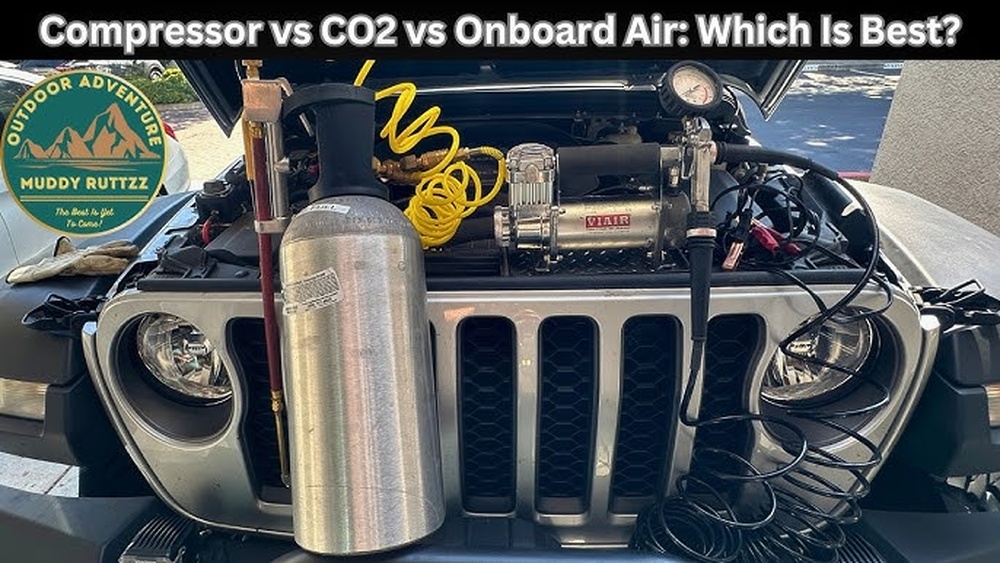
Many beginners believe CO2 and air compressors are interchangeable. In reality, using the wrong type for your tool can damage equipment or cause poor performance. For example, some paintball markers designed for CO2 can freeze up if you try using compressed air, and vice versa.
Another common mistake: Thinking all air compressors can fill CO2 tanks. This is not true—CO2 tanks need special refilling equipment, and regular air compressors are not safe for this job.

Credit: www.metaltech4x4.com
Long-term Use And Reliability
If you plan to use your system every week, an air compressor is more reliable. You won’t run out of gas mid-job, and with regular maintenance, compressors can last 10–15 years. CO2 tanks are more prone to running empty at the wrong time, and the cost of refills can add up.
Frequently Asked Questions
What Is The Main Difference Between Co2 And Air Compressors?
The main difference is the type of gas used and the way it’s stored. CO2 systems use pre-filled tanks with liquid CO2 under high pressure, while air compressors squeeze atmospheric air into a tank and release it when needed.
Can I Use Co2 And Compressed Air Interchangeably?
No, not always. Some devices are made for one type only. Using the wrong gas can lead to damage or safety issues. Always check your equipment’s requirements.
Which Is Cheaper To Use: Co2 Or Air Compressor?
For occasional use, CO2 can be cheaper. For frequent or heavy use, an air compressor saves more money over time because air is free after the initial purchase.
Are Co2 Tanks Safe To Transport?
Yes, if handled carefully. Keep them upright, away from heat, and never drop or puncture them. Always use certified tanks and follow local laws for transport.
Do Air Compressors Need A Lot Of Maintenance?
Basic air compressors need regular maintenance like oil changes, filter cleaning, and draining the tank. Skipping this can reduce the machine’s life and may be unsafe.
For a deeper look into compressed gas safety and applications, check the Compressed Gas Wikipedia page.
Choosing between CO2 and air compressors depends on your needs, budget, and how you plan to use them. By understanding the real differences and considering your own situation, you can pick the right tool for the job and avoid frustration or extra costs down the road.

Credit: www.youtube.com