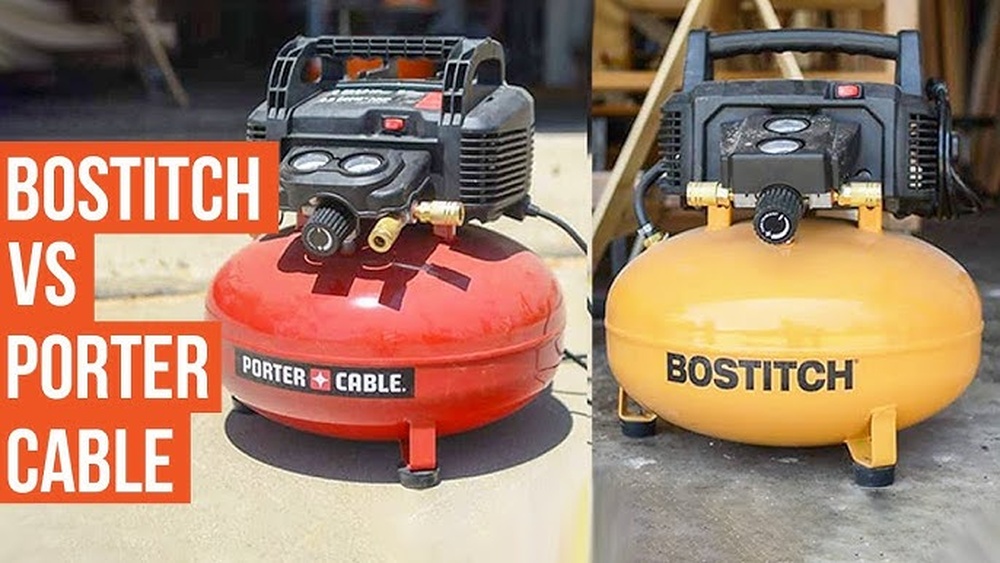
Choosing an air compressor is a big decision for both new and experienced users. Among the top brands, Bostitch and Porter Cable often stand out. These two names are popular in home workshops, construction sites, and garages. But which one should you trust for your next project? The answer depends on your needs, budget, and expectations. In this guide, you’ll get a clear, side-by-side look at Bostitch vs Porter Cable air compressor options, including their features, strengths, weaknesses, and what to consider before making a purchase.
Brand Backgrounds: Bostitch And Porter Cable
Both Bostitch and Porter Cable are respected American tool brands with long histories. Bostitch started in 1896, mainly making staplers and nailers. Over time, they expanded to include air compressors and other power tools. Porter Cable, founded in 1906, also built a reputation for making strong, practical tools for both professionals and hobbyists.
While both brands are now owned by Stanley Black & Decker, they keep their own designs and features. Understanding their backgrounds can help you trust the quality behind each air compressor.
Core Features Compared
When choosing between Bostitch and Porter Cable air compressors, several key features matter most: tank size, maximum pressure, airflow (CFM), weight, noise level, and price. Here’s a side-by-side look at their most popular pancake models, which are well-loved for small jobs and easy transport.
| Feature | Bostitch BTFP02012 | Porter Cable C2002 |
|---|---|---|
| Tank Size | 6 gallons | 6 gallons |
| Max PSI | 150 PSI | 150 PSI |
| Airflow (SCFM at 90 PSI) | 2.6 SCFM | 2.6 SCFM |
| Weight | 29 lbs | 31 lbs |
| Noise Level | 78.5 dBA | 82 dBA |
| Price Range | $$ | $$ |
As you can see, these two compressors are very close in specs. However, the Bostitch model is a bit lighter and quieter, which can be important for home use.
Performance In Real-life Use
Both brands offer reliable performance for common tasks like inflating tires, powering nail guns, and cleaning tools. But subtle differences can make one better for your needs.
Bostitch: Reliable, Quiet Power
Bostitch air compressors are known for:
- Lower noise levels: At under 79 dBA, they are less disruptive.
- Fast recovery time: They refill quickly, keeping you working longer.
- Oil-free pump: Little maintenance is needed, and there’s no risk of oil leaks.
Many users find the Bostitch model easier to move, especially if you need to carry it up stairs or between rooms. The solid handle and balanced weight help too.
Porter Cable: Rugged And Trusted
Porter Cable compressors stand out for:
- Strong build quality: The tank and components feel solid.
- Consistent pressure: Great for running finish nailers or staplers.
- Wide availability: Easy to find parts and service.
Porter Cable’s unit can be a bit louder, but for many, the rugged feel and steady power make it a favorite for job sites.
Comparing Key Features In Depth
Choosing between Bostitch and Porter Cable isn’t just about numbers. Let’s look closer at the features that matter most.
Tank Size And Portability
Both brands’ most popular models have a 6-gallon tank, perfect for small to medium jobs. This size lets you run tools without stopping too often to refill. However, the Bostitch’s lower weight means it’s easier to transport—helpful if you need to move it often.
Maximum Pressure And Airflow
Both the Bostitch and Porter Cable pancake models offer 150 PSI maximum pressure and 2.6 SCFM at 90 PSI. This is enough for brad nailers, staplers, airbrushes, and inflating car or bike tires. Neither is meant for heavy-duty impact wrenches or sanders—those need more airflow.
Noise Level
Noise is often overlooked, but it matters a lot in small spaces or residential areas. The Bostitch is quieter by about 3.5 dBA. This might not sound like much, but it means less stress over time, especially indoors.
Pump Design And Maintenance
Both brands use oil-free pumps, so you don’t need to check or change oil. This reduces mess and keeps maintenance simple. However, always check the user manual for basic care, like draining the tank to avoid rust.
Price And Value
Pricing is very similar for both models. You’ll often find them between $120 and $180, depending on the store, sales, and whether accessories like hoses are included. Bostitch sometimes includes a starter kit, which adds value.
Durability And Build Quality
Both brands have solid reputations, but there are some small differences.
- Bostitch: The fit and finish feel smooth. Handles are comfortable, and the controls are easy to read. The shroud protects key parts from bumps.
- Porter Cable: Tanks have a strong, rugged feel. Knobs and gauges are large and easy to adjust, even with gloves.
Neither brand has major problems with leaks or faulty parts. However, some users report that Porter Cable’s plastic housing can crack if dropped, while Bostitch’s regulator knob sometimes feels loose.
Common Uses: Who Should Choose Each Brand?
Not everyone uses an air compressor the same way. Here’s a quick guide:
- DIYers and Homeowners: Both brands work well for home repairs, woodworking, and crafts. Bostitch’s lower noise makes it better for indoor use.
- Contractors and Job Sites: Porter Cable’s rugged build and reliable performance fit well on busy job sites.
- Automotive Users: For inflating tires or cleaning engines, both are strong choices. Neither is ideal for high-demand air tools.
- Hobbyists: If you use airbrushes or do small projects, the quietness and easy carry of Bostitch are helpful.
Accessories And Kits
Both Bostitch and Porter Cable offer kits with hoses, couplers, and nailers. These bundles can save money, but check what’s included:
- Bostitch Kit: Often includes a 15-foot hose and three nailers (brad, finish, crown stapler).
- Porter Cable Kit: May include a 13-piece accessory set, like a tire chuck, blow gun, and inflation needles.
If you already own some tools, buying just the compressor may be cheaper.
Customer Support And Warranty
Both brands offer a 1-year limited warranty on their compressors. Customer service is generally good, with repair centers in most major cities. Online support, including parts and manuals, is easy to access.
One insight many buyers miss: always register your product with the manufacturer after buying. This makes warranty claims faster and ensures you get recall updates if needed.

Credit: www.youtube.com
Real User Reviews And Reliability
Looking at user reviews across major retailers, both brands score well—usually 4.5 stars or higher. Here are some common themes:
- Bostitch: Praised for quietness, reliability, and value. Some say the regulator knob could be stronger.
- Porter Cable: Liked for solid build, steady pressure, and easy operation. Some users mention it’s a bit heavy and louder than expected.
One detail beginners often miss: both brands need you to drain the tank after every use. This simple step prevents rust and keeps your compressor running for years.
How To Decide: Which Is Right For You?
If you’re stuck choosing between Bostitch vs Porter Cable air compressor, ask yourself:
- Do you need to move the compressor often? If yes, Bostitch’s lighter weight wins.
- Is noise a concern? Bostitch is quieter.
- Do you want a rugged, job-site-ready unit? Porter Cable may feel tougher.
- Are you looking for the best kit value? Compare included accessories closely.
For most home users, the differences are small. Bostitch’s lower noise and weight give it a slight edge for indoor or portable work. Porter Cable’s rugged feel and simple controls appeal to those on job sites or in busy garages.

Credit: www.ebay.com
Other Models Worth Considering
While the pancake models are most popular, both brands offer other types:
- Bostitch 1.2-Gallon Trim Compressor: Ultra-light, for trim work and crafts.
- Porter Cable 4-Gallon Stack Tank: More airflow for bigger tools.
If you need more power or a bigger tank, check these options. But for most users, the 6-gallon pancake models hit the sweet spot for price and performance.
Practical Tips When Using An Air Compressor
- Drain the tank after use: This prevents moisture buildup and rust.
- Check the pressure ratings: Only use tools that match your compressor’s PSI and SCFM.
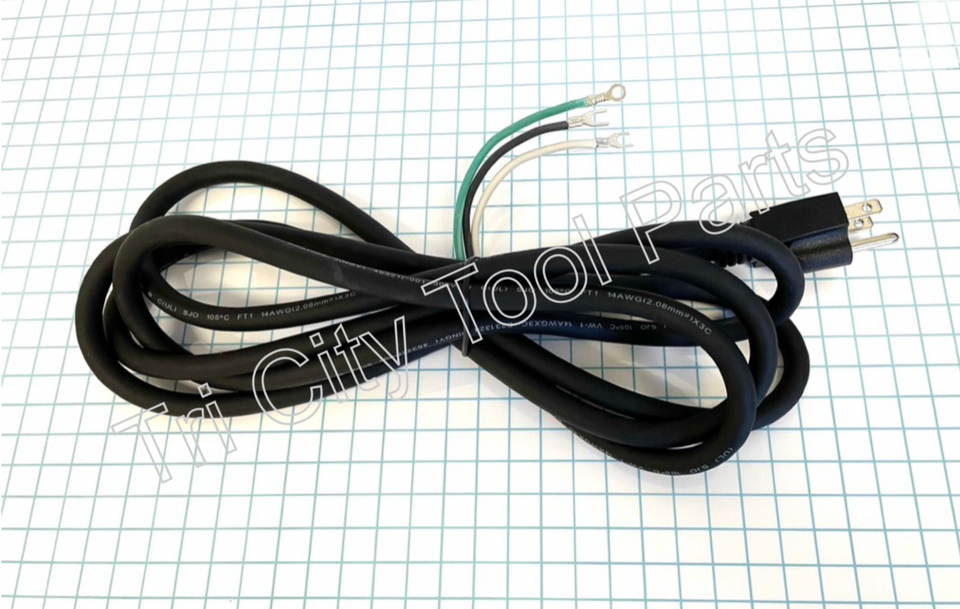
- Use proper extension cords: A heavy-duty cord (12-gauge or thicker) helps prevent power loss.
- Store indoors: Cold or wet places can damage seals and tanks.
- Regularly check fittings: Loose couplers can cause leaks and reduce power.
Beginners sometimes forget that improper storage and skipped maintenance are the main reasons compressors fail early.
Bostitch Vs Porter Cable: Quick Reference Table
Here’s a side-by-side look at what you get with each brand’s top-selling pancake compressor:
| Bostitch BTFP02012 | Porter Cable C2002 | |
|---|---|---|
| Noise Level | 78.5 dBA | 82 dBA |
| Weight | 29 lbs | 31 lbs |
| Starter Kit | Often included | Varies |
| Warranty | 1 year | 1 year |
| Common Uses | Indoor, DIY, crafts | Job sites, garages |
Where To Buy And Further Resources
Both brands are widely available at hardware stores and online. Check for package deals and seasonal sales. For more technical specs and user manuals, visit the Stanley Black & Decker official site.
Credit: tricitytoolparts.com
Frequently Asked Questions
What Are The Main Differences Between Bostitch And Porter Cable Air Compressors?
Bostitch compressors are usually lighter and quieter, making them better for indoor or portable use. Porter Cable units feel more rugged and are slightly heavier, which some users prefer for job sites.
Which Brand Is Better For Beginners?
Both are good, but Bostitch might be easier for beginners because of its lighter weight, quieter operation, and often included starter kits.
Can I Use Either Compressor For Car Tires And Nail Guns?
Yes, both brands’ 6-gallon pancake compressors are perfect for inflating car tires and running most nail guns. Just make sure your tool’s PSI and SCFM needs match the compressor’s output.
How Important Is Noise Level In Choosing A Compressor?
If you’ll use the compressor indoors or in a quiet area, lower noise matters a lot. Bostitch is quieter by about 3. 5 dBA, making a noticeable difference over long periods.
What Maintenance Do These Compressors Need?
Both use oil-free pumps, so maintenance is low. The most important step is to drain the tank after every use to prevent rust. Check fittings regularly, and store indoors for the longest life.
Choosing between Bostitch vs Porter Cable air compressor comes down to your work style, space, and need for portability or ruggedness. Both brands offer excellent value, and with proper care, your compressor will last for years.