
If you’ve just got your hands on a Kobalt air compressor, you’re probably eager to put it to work. But before you start, it’s important to know how to use it safely and effectively.
Whether you’re inflating tires, powering tools, or tackling DIY projects, mastering your Kobalt air compressor will save you time and frustration. In this guide, you’ll discover simple steps and expert tips that make using your compressor easy—even if you’re a beginner.
Ready to get the most out of your Kobalt air compressor? Let’s dive in.
Credit: www.lowes.com
Kobalt Air Compressor Features
The Kobalt air compressor offers several useful features. These features make it reliable for various tasks. Understanding its components, specs, and safety can help you use it well.
Key Components
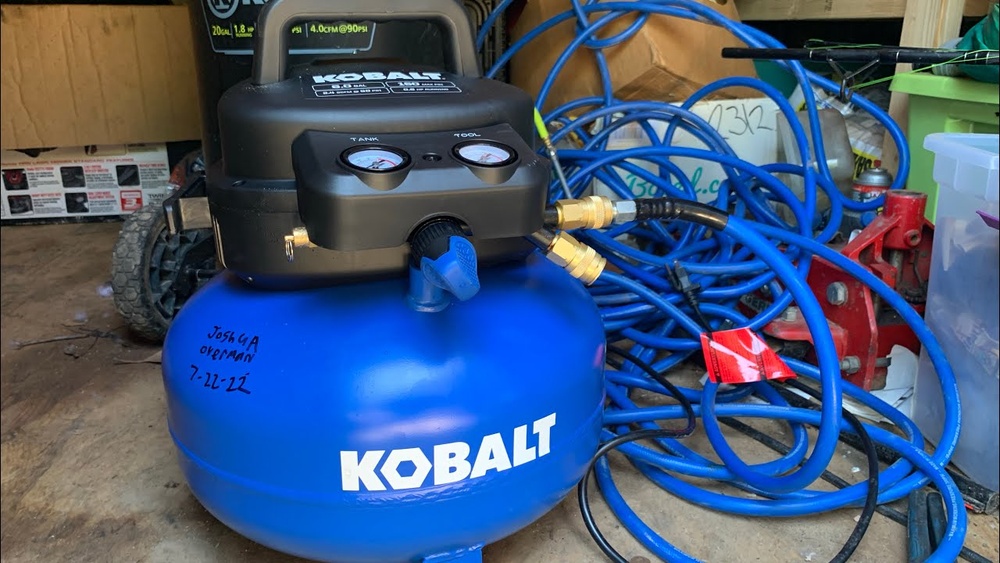
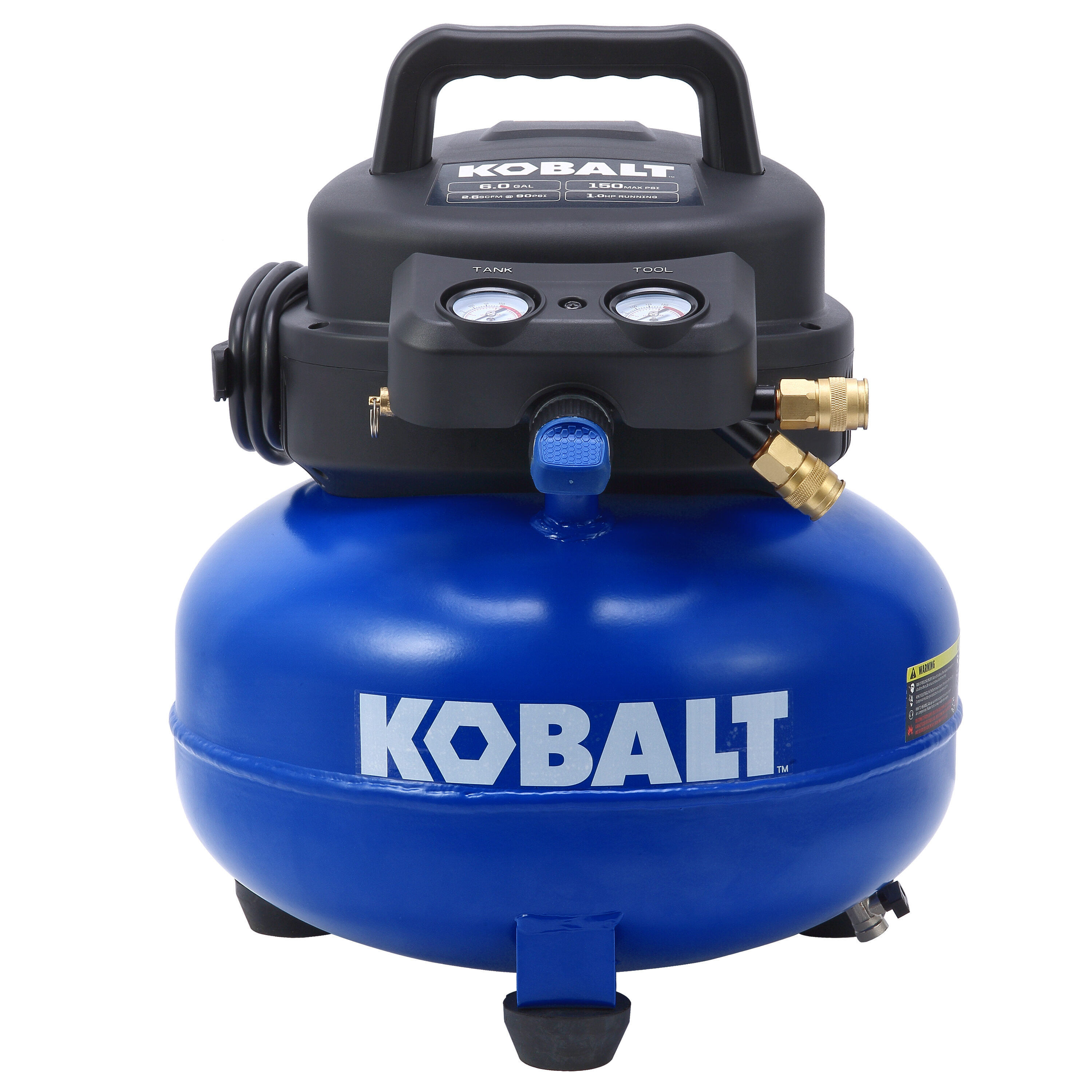
The Kobalt air compressor has a strong motor for steady power. It includes a pressure gauge to monitor air pressure. An easy-to-use regulator controls the output pressure. The tank stores compressed air efficiently. Quick-connect fittings allow fast tool changes. The handle and wheels make it easy to move.
Technical Specifications
This model has a tank size of 6 gallons, ideal for small jobs. It delivers 2.6 SCFM at 90 PSI for steady airflow. The motor runs at 120 volts and 15 amps. The maximum pressure reaches 150 PSI. It weighs about 30 pounds, balancing power and portability. Noise level stays under 80 decibels, suitable for home use.
Safety Features
The air compressor includes a thermal overload protector to prevent overheating. A pressure relief valve helps avoid excess pressure buildup. The tank has a drain valve to release moisture safely. Non-slip feet keep the compressor stable during operation. These features reduce risks and ensure safe use.

Credit: toolguyd.com
Preparing The Compressor
Preparing your Kobalt air compressor correctly ensures it runs smoothly and lasts longer. This step helps avoid damage and keeps the machine safe to use. Follow these easy steps to get your compressor ready for work.
Choosing The Location
Pick a dry, flat surface for the compressor. Avoid damp or uneven areas. Make sure there is enough space around the unit. Good airflow helps the compressor cool down. Keep it away from direct sunlight and dust.
Assembling Parts
Check the package for all parts before assembly. Attach the handle and wheels if needed. Secure all bolts tightly but do not overtighten. Connect the air hose to the compressor outlet. Follow the instruction manual for proper setup.
Checking Oil And Air Filters
Look at the oil level through the sight glass. Add oil if the level is low, using the recommended type. Clean or replace the air filter before starting. A clean filter prevents dust from entering the motor. This protects the compressor and improves performance.
Operating The Compressor
Operating the Kobalt air compressor is simple and straightforward. Understanding the key steps helps you use the machine safely and efficiently. This section explains how to power on, adjust pressure, and connect tools.
Powering On
First, check the power source. Plug the compressor into a grounded outlet. Turn the main power switch to the “On” position. Wait a few seconds for the motor to start. Listen for a steady sound. This means the compressor is ready.
Adjusting Pressure Settings
Locate the pressure regulator knob. Turn it clockwise to increase pressure. Turn it counterclockwise to decrease pressure. Watch the pressure gauge closely. Set the pressure according to your tool’s requirement. Do not exceed the recommended pressure for safety.
Connecting Tools
Find the air hose connection port. Attach the hose securely to the compressor. Connect the other end to your air tool. Make sure all connections are tight to avoid leaks. Test the tool to confirm air flow. Adjust pressure if needed for best performance.
Maintenance Tips
Proper maintenance keeps your Kobalt air compressor working well. Regular care helps avoid breakdowns and extends the tool’s life. Follow these simple steps to keep your compressor in good shape.
Regular Cleaning
Dust and dirt can block air flow. Clean the compressor’s exterior with a dry cloth often. Clear any debris from vents to stop overheating. Wipe off oil spots to keep parts safe.
Replacing Filters
Filters catch dust and dirt before they enter the machine. Check filters every few months. Change them if they look dirty or clogged. Clean filters improve air quality and machine performance.
Checking For Leaks
Leaks waste air and reduce power. Listen for hissing sounds near hoses and connections. Use soapy water on joints to spot bubbles. Fix leaks quickly to keep pressure steady and save energy.
Troubleshooting Common Issues
Troubleshooting common issues with your Kobalt air compressor helps keep it running smoothly. Understanding simple fixes saves time and avoids frustration. Many problems have easy solutions you can try yourself.
Check these common problems and how to fix them quickly. Regular care keeps your compressor working well.
Compressor Won’t Start
First, check if the compressor is plugged in properly. Look at the power source and make sure it works. Inspect the fuse or circuit breaker; reset or replace if needed. Examine the pressure switch to see if it is stuck or damaged. Sometimes the motor overheats and needs time to cool down before restarting.
Inconsistent Pressure
Check for leaks in hoses and fittings. Even small leaks cause pressure drops. Make sure the air filter is clean and not clogged. A dirty filter reduces airflow and affects pressure. Verify the regulator settings match your task. Adjust the pressure dial for steady output. Inspect the tank drain valve and close it tightly if open.
Excessive Noise
Noise often comes from loose parts or worn components. Tighten bolts and nuts on the compressor and motor. Lubricate moving parts following the user manual instructions. Replace damaged or worn belts and pulleys. Check the compressor’s mounting surface; it should be stable and level. Using a noise-reducing mat under the compressor can help too.

Credit: www.youtube.com
Safety Precautions
Using a Kobalt air compressor safely is important to avoid accidents. This machine works with high pressure and power. Small mistakes can cause injuries or damage. Follow safety rules every time you use it.
Proper Handling
Always place the air compressor on a flat, stable surface. Keep it away from wet areas to prevent electric shock. Check hoses and connections for damage before use. Never point the air hose at yourself or others. Turn off and unplug the compressor after use. Store it in a dry, cool place.
Protective Gear
Wear safety glasses to protect your eyes from flying debris. Use ear protection to reduce noise exposure. Gloves help protect your hands from sharp objects and hot parts. Wear closed-toe shoes to protect your feet. Avoid loose clothing that can get caught in moving parts.
Emergency Procedures
Know the location of the nearest fire extinguisher. Keep a first aid kit nearby for minor injuries. If the compressor overheats, turn it off and let it cool. In case of an air leak, shut off the machine immediately. Call for help if someone is injured or if you cannot fix a problem.
Frequently Asked Questions
How Do I Start A Kobalt Air Compressor Safely?
To start your Kobalt air compressor, ensure it is on a flat surface. Check oil levels if applicable. Plug it in and switch on the power. Allow it to build pressure before use. Always follow the user manual for specific safety instructions.
What Maintenance Does A Kobalt Air Compressor Need?
Regularly check and change the oil if your model requires it. Clean or replace air filters monthly. Drain moisture from the tank after each use. Inspect hoses and fittings for leaks. Proper maintenance extends the compressor’s lifespan and improves performance.
Can I Use A Kobalt Compressor For Tire Inflation?
Yes, a Kobalt air compressor is suitable for tire inflation. Attach the correct nozzle and set the pressure. Monitor the pressure gauge to avoid over-inflating. It works well for car, bike, and other vehicle tires.
How To Troubleshoot Common Kobalt Air Compressor Issues?
If your compressor won’t start, check power supply and reset the breaker. For low pressure, inspect for leaks or clogged filters. Strange noises may indicate loose parts or worn components. Refer to the manual for detailed troubleshooting tips.
Conclusion
Using the Kobalt air compressor is simple and safe with practice. Always check the compressor before each use. Keep it clean and store it properly after work. Follow the steps to avoid damage and ensure long life. This tool helps with many tasks around the home or workshop.
Take your time and enjoy how it makes jobs easier. Safety first, and the compressor will serve you well.