
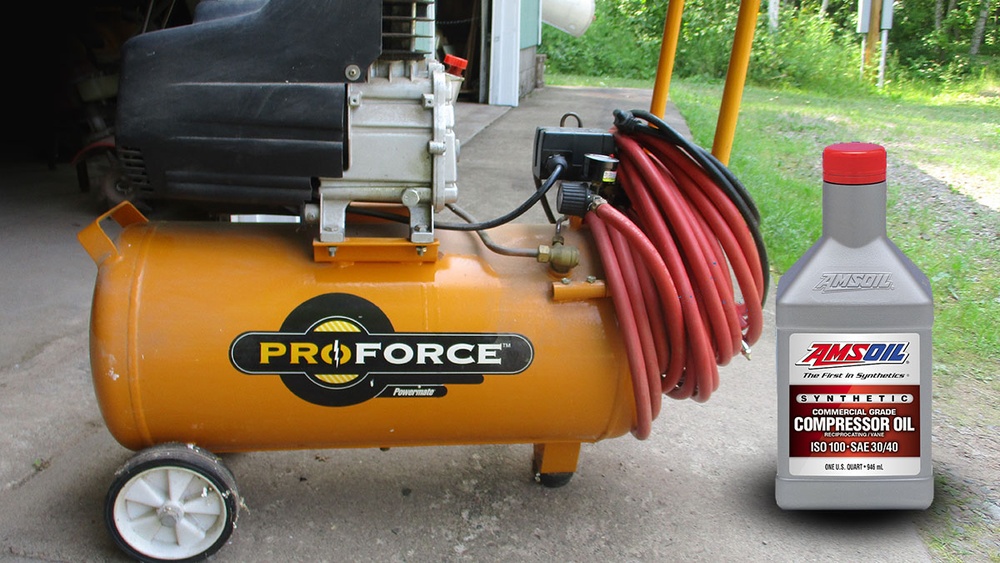
Changing the oil in your air compressor might not sound exciting, but it’s one of the most important things you can do to keep your machine working well for years. Just like cars, air compressors need fresh oil to reduce friction, cool the moving parts, and prevent rust inside the pump.
If you ignore oil changes, your compressor can get noisy, overheat, or even break down completely. For many beginners, the process seems complicated, but with the right steps and a little patience, anyone can do it. This guide will walk you through everything you need to know about how to change oil in an air compressor, including helpful tips, common mistakes, and answers to questions people often have.
Why Changing Air Compressor Oil Matters
Air compressors use oil lubrication to keep their internal parts moving smoothly. Over time, this oil collects dust, metal particles, and water from the air. Dirty oil loses its ability to lubricate, which leads to higher temperatures, more wear, and possible pump failure. Manufacturers recommend changing the oil every 3 to 12 months, depending on how much you use your compressor and the type of oil.
A well-maintained compressor runs quieter, uses less energy, and lasts longer. Neglecting oil changes can shorten the machine’s life by 50% or more. Some studies show that regular oil changes can cut repair costs by up to 60%. If you want your investment to last, don’t skip this simple maintenance.
Tools And Materials You’ll Need
Before you start, gather everything you’ll need. Having the right tools will save time and avoid frustration. Here’s a typical list:
- New compressor oil (check your manual for type; usually non-detergent 20W/30W)
- Wrench or socket set
- Oil pan or drain container
- Funnel
- Clean rags or paper towels
- Gloves
- Safety glasses (if you want extra protection)
Some compressors may need a screwdriver to remove panels. Always check your owner’s manual for any special tools or oil requirements.
Step-by-step: How To Change Oil In An Air Compressor
Changing the oil isn’t hard, but doing it right makes a big difference. Below is a practical, detailed process you can follow.
1. Turn Off And Unplug The Compressor
Safety comes first. Make sure the compressor is off and unplugged from the wall. Wait until the unit cools down completely—hot oil can burn your skin.
2. Drain The Air Tank
Before working on the oil, open the drain valve at the bottom of the air tank to release any built-up air and moisture. This prevents accidents and keeps water from mixing with new oil.
3. Locate The Oil Fill And Drain Plugs
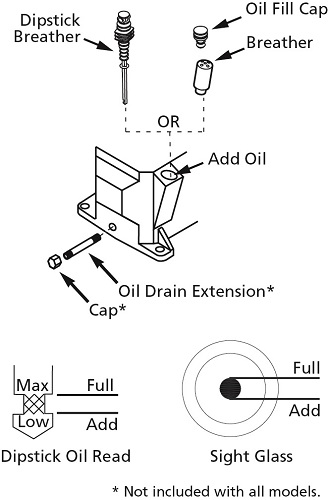
Find the oil fill cap (usually on top or side of the pump) and the drain plug (often at the bottom of the crankcase). Some compressors have a small sight glass to check oil level and condition.
4. Position The Oil Pan
Slide your oil pan or container under the drain plug to catch old oil. Place some rags around the area to catch drips.
5. Remove The Oil Drain Plug
Use your wrench or socket to carefully unscrew the drain plug. Oil will flow out quickly, so keep your hands clear. Let all the oil drain into the pan. This usually takes 2–5 minutes.
6. Inspect The Old Oil
Take a quick look at the drained oil. Is it dark, thick, or has metal particles? This can tell you about the health of your compressor. Milky oil means water contamination, which is a sign you may need to check your air filters or operating environment.
7. Replace The Drain Plug
Once the oil has stopped dripping, wipe the area clean and screw the drain plug back in securely. Don’t over-tighten; you can strip the threads or crack the casing.
8. Add New Oil
Remove the oil fill cap. Using a funnel, slowly pour in new oil. Most small compressors need 6–16 ounces (180–475 ml), but always check your manual for the exact amount. Fill until the oil reaches the “full” line or the middle of the sight glass.
9. Wipe Up Spills
Clean any drips or spills with a rag. Oil on the outside can collect dust and cause problems later.
10. Reassemble And Run The Compressor
Replace any panels you removed. Plug in the compressor and run it for 1–2 minutes. This helps the oil circulate through the pump. Check for leaks around the drain and fill plugs.
11. Check Oil Level One More Time
After running the compressor, turn it off and let it sit for a minute. Then check the oil level again. Add a little more oil if necessary.
When To Change Air Compressor Oil
Knowing how often to change oil depends on your compressor and how much you use it. Here’s a general guide:
| Usage Type | Change Oil Every |
|---|---|
| Light (hobby use, 1-2 times/week) | 12 months |
| Moderate (small workshop, frequent use) | 6 months |
| Heavy (daily or industrial use) | 3 months or 500 hours |
Always check your owner’s manual for the recommended interval. Some oil-lubricated compressors have an hour meter to help you track usage.
Credit: www.campbellhausfeld.com
Choosing The Right Air Compressor Oil
Not all oils are the same. Using the wrong oil can cause damage or poor performance. Most air compressors need non-detergent oil, which doesn’t contain cleaning additives that can cause foam or sludge. Common types include 20W or 30W non-detergent oil. Synthetic oils last longer and handle higher temperatures, but cost more.
Compare these oil types:
| Oil Type | Best For | Main Benefit | Drawback |
|---|---|---|---|
| Non-detergent 30W | Most standard compressors | Widely available, affordable | Needs more frequent changes |
| Synthetic compressor oil | High-performance, hot climates | Lasts longer, better protection | Higher price |
| Automotive motor oil | Not recommended | Easy to find | Additives can harm compressor |
Always use the oil type recommended by your manufacturer. If you can’t find the exact brand, look for the same viscosity and type.
Common Mistakes To Avoid
Many beginners make simple errors that can damage their compressor. Here are a few to watch out for:
- Using the wrong oil: Motor oil with detergents can foam up and cause poor lubrication.
- Overfilling: Too much oil can cause leaks or damage seals.
- Underfilling: Not enough oil leads to overheating and fast wear.
- Forgetting to drain the air tank: Water in the tank can mix with oil and cause rust.
- Not replacing the drain plug tightly: This can lead to slow leaks.
- Touching hot surfaces: Always let the compressor cool before starting.
One insight many people miss: the color of the old oil tells you a lot. If your oil looks milky, your compressor is pulling in water from the air. This often happens in humid climates or if you don’t drain your tank regularly.
Another tip: always dispose of old compressor oil at a recycling center. Don’t pour it down the drain; it can pollute water supplies.
Extra Tips For Long Compressor Life
A little extra care goes a long way. Try these tips:
- Check oil level every month, even if you don’t change it.
- Keep your compressor clean to avoid dust getting in the oil.
- Use your compressor in a dry, well-ventilated area to limit water contamination.
- Replace air filters regularly. Dirty filters let more dust into the pump oil.
- Label the date of last oil change on your compressor for easy tracking.
If you use your compressor for painting or sensitive work, clean oil will help keep your air lines free of oil vapor and debris.
Signs Your Compressor Needs An Oil Change
Don’t just trust the calendar. Watch for these signs:
- Louder than normal operation
- Oil looks dark, thick, or milky
- Increased vibration or heat
- Oil leaks around seals
- Shorter run cycles or loss of pressure
If you notice any of these, change the oil even if it’s ahead of schedule. Neglecting these warnings can lead to expensive repairs.

Credit: www.youtube.com
Air Compressor Oil Change: Recap Checklist
Changing your compressor oil is much easier if you follow a routine. Here’s a simple recap:
- Unplug and cool down
- Drain air tank
- Locate oil plugs
- Drain old oil
- Inspect oil
- Replace drain plug
- Add new oil
- Wipe up spills
- Run and check for leaks
- Re-check oil level
If you follow these steps every time, your compressor will reward you with years of reliable service.
Frequently Asked Questions
How Do I Know Which Oil To Use In My Air Compressor?
Always check your owner’s manual first. Most compressors need non-detergent 20W or 30W oil. Never use regular car engine oil unless the manual says it’s safe. If you can’t find the manual, look for the model number and search online or check with the manufacturer.
Can I Use Synthetic Oil In My Air Compressor?
Yes, synthetic compressor oil is safe for most modern compressors and can handle higher heat, last longer, and reduce wear. However, always confirm with your manual before switching from standard oil.
What Happens If I Forget To Change The Oil?
Dirty oil can cause overheating, more noise, poor air quality, and pump damage. Over time, this can lead to total compressor failure. Regular oil changes are much cheaper than replacing or repairing the pump.
How Should I Dispose Of Old Air Compressor Oil?
Used compressor oil is considered hazardous waste. Take it to a local recycling center or auto shop that accepts oil. Never pour it down the drain or on the ground. For more on safe disposal, see this EPA guide.
Do All Air Compressors Require Oil Changes?
No. Only oil-lubricated compressors need oil changes. Oil-free compressors are sealed and do not require oil maintenance. Check your manual or the label on your machine to know which type you have.
Changing your air compressor oil is simple, but often ignored. By following these steps, you protect your investment, avoid downtime, and keep your compressor running smoothly. With a little attention and the right oil, your machine will work like new for many years.

Credit: www.youtube.com