Looking for the right air compressor can feel overwhelming. With so many options and features, how do you know which one fits your needs?
Whether you’re tackling home projects or running a busy workshop, choosing the right air compressor can save you time, money, and frustration. In this guide, you’ll discover simple steps to pick the perfect air compressor for your tasks. By the end, you’ll feel confident making a choice that works best for you.
Keep reading, and let’s get started!

Credit: www.youtube.com
Types Of Air Compressors
Choosing the right air compressor starts with knowing the types available. Air compressors come in different styles for different needs. Understanding these types helps you pick the best one for your tasks. Each type has unique features and uses. Below are the main categories to consider.
Portable Vs Stationary
Portable air compressors are small and easy to move. They work well for light jobs and outdoor use. You can carry them to different places without trouble. Stationary compressors stay in one spot. They are larger and more powerful. Best for heavy work or long hours in one place.
Oil-lubricated Vs Oil-free
Oil-lubricated compressors use oil to keep parts running smoothly. They last longer and handle tough jobs. Require regular oil changes to stay healthy. Oil-free compressors do not need oil inside. They need less care and are cleaner. Good for occasional use or indoor work.
Single-stage Vs Two-stage
Single-stage compressors compress air in one step. They fit small tasks and home projects. Two-stage compressors compress air twice. This gives more power and higher pressure. Ideal for industrial use or heavy-duty jobs.
Credit: www.bigrentz.com
Key Features To Consider
Choosing the right air compressor means knowing which features matter most. These features affect how well the compressor works for your tasks. Focus on the key points below to make a smart choice.
Cfm And Psi Ratings
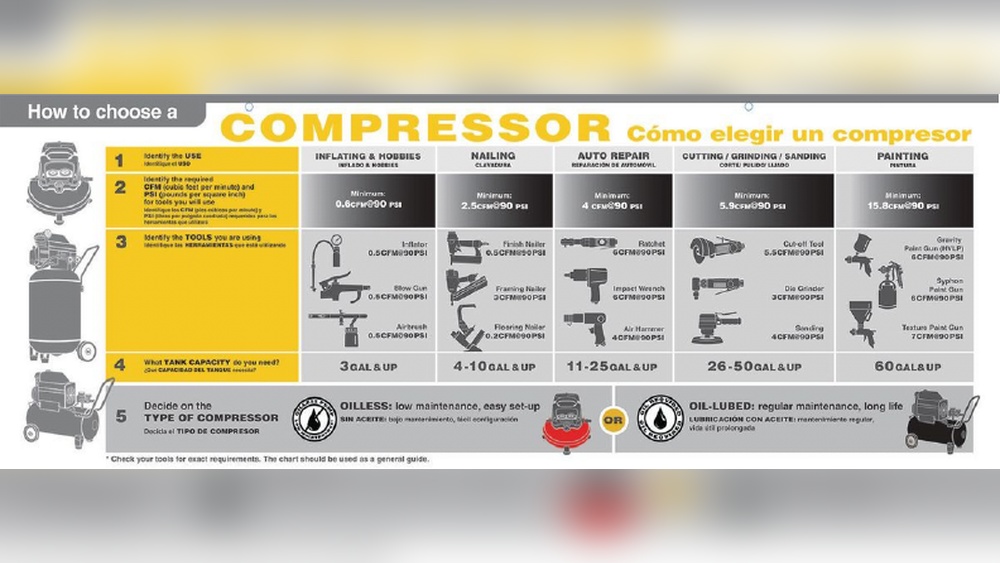
CFM stands for Cubic Feet per Minute. It tells how much air the compressor can deliver. PSI means Pounds per Square Inch. It shows the pressure the compressor can produce. High CFM helps with tools that need a lot of air. High PSI suits tools that require strong pressure. Check the tool’s needs to pick the right CFM and PSI.
Tank Size Importance
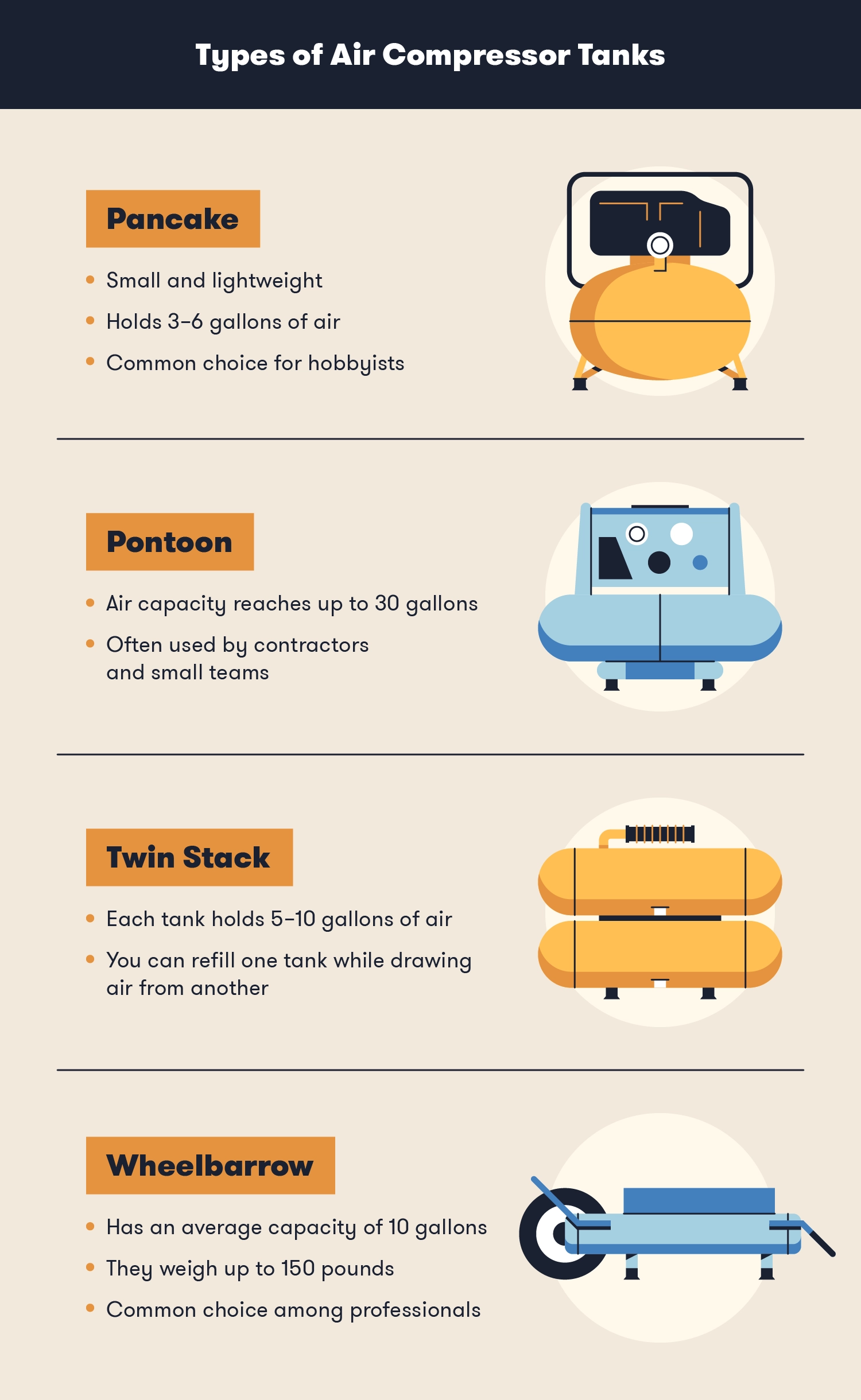
The tank holds the compressed air. A bigger tank stores more air for longer use. Small tanks fill up quickly but run out faster. Large tanks keep air ready for heavy or long jobs. Choose the tank size based on how often and how long you use the compressor.
Power Source Options
Air compressors can run on electricity or gas. Electric models are quiet and good for indoor use. Gas compressors are strong and work well outdoors. Pick the power source that fits your work location and power availability. Each type has benefits for different situations.
Matching Compressor To Your Needs
Choosing the right air compressor depends on what you need it for. Different tasks require different sizes and power. Matching your compressor to your needs saves money and increases efficiency. Knowing your purpose helps pick the best fit. Consider the type of tools and how often you will use the compressor.
For Home Use
Home use usually needs small and quiet compressors. These are easy to carry and store. They work well for inflating tires, blowing dust, and light painting. Look for models with low noise levels and simple controls. A small tank size is enough for occasional tasks.
For Workshop And Garage
Workshops need more power and capacity. Choose a compressor with a larger tank and higher air pressure. This keeps tools running without stopping often. Oil-lubricated compressors last longer in heavy use. Consider the types of tools, like nail guns or spray guns, to match the pressure and flow rate.
For Industrial Applications
Industrial work demands the strongest compressors. They need to handle long hours and heavy tools. Large tanks and high CFM (cubic feet per minute) ratings are important. Look for durable models with good cooling systems. These compressors can power multiple tools at once and keep production steady.
Energy Efficiency And Maintenance
Choosing an air compressor involves more than power and size. Energy efficiency and maintenance play key roles in long-term use. Efficient machines save money and reduce electricity use. Proper upkeep keeps the compressor working well. It also stops breakdowns that waste time and money.
Understanding energy use and simple maintenance will help pick the right compressor. It also ensures the machine lasts longer and runs smoothly.
Energy Consumption Tips
Pick a compressor with the correct size for your tasks. Too big means wasted energy; too small means strain. Use models with energy-saving features like variable speed drives. Turn off the compressor when not in use. Check for leaks in hoses and fittings regularly. Leaks cause the compressor to work harder and use more power.
Routine Maintenance Tasks
Change the oil as the manual says. Clean or replace air filters often. Dirty filters reduce airflow and increase energy use. Drain moisture from the tank daily to stop rust. Tighten bolts and check belts for wear. Regular checks catch small problems early.
Troubleshooting Common Issues
Listen for unusual noises that could mean trouble. Check pressure levels if the compressor runs constantly. Inspect for air leaks if performance drops. If the compressor overheats, clean the cooling fins. Reset the motor if it trips frequently. Early fixes prevent big repairs later.
Budgeting And Brand Selection
Choosing an air compressor needs careful budgeting and brand choice. Both affect how well the tool works and lasts. Balancing cost and quality is key. Knowing top brands helps pick a reliable machine. Warranties and support add value. These points guide you to smart buying decisions.
Price Vs Performance
Cheap models save money but may lack power or durability. High-priced compressors often have better parts and longer life. Choose a compressor that fits your needs and budget. Avoid paying for features you don’t need. Focus on performance that matches your tasks.
Top Brands Comparison
Popular brands include DeWalt, Makita, and Porter-Cable. They offer solid quality and good customer reviews. Some brands focus on home use, others on industrial tools. Research brand reputation for reliability and ease of use. Pick a brand with a strong track record.
Warranty And Support
Good warranty protects against defects and repairs. Check how long the warranty lasts and what it covers. Reliable customer support helps solve problems fast. Brands with service centers nearby make repairs easier. Choose a brand that stands behind its product.

Credit: fluidairedynamics.com
Safety And Noise Considerations
Choosing the right air compressor involves more than power and size. Safety and noise matter a lot. An unsafe or noisy machine can cause harm and discomfort. Paying attention to these factors keeps your workspace safe and calm.
Safe Operating Practices
Always read the user manual before using the compressor. Wear safety glasses and gloves to protect yourself. Check hoses and fittings for leaks or damage. Avoid pointing the air nozzle at people or animals. Turn off and unplug the machine before maintenance. Keep the area clean and free of clutter. Store the compressor in a dry, ventilated space.
Noise Levels And Reduction
Air compressors can be loud, causing hearing damage. Look for models with low decibel ratings. Use soundproof enclosures or barriers to reduce noise. Place the compressor on rubber mats to cut vibrations. Wear ear protection when working near the machine. Position the compressor away from workstations if possible.
Proper Installation Tips
Install the compressor on a flat, stable surface. Ensure good ventilation to prevent overheating. Connect the compressor to the correct power source. Use appropriate hoses that fit tightly. Avoid placing it near flammable materials. Check for proper grounding to avoid electric shocks. Follow local codes and regulations for installation.
Frequently Asked Questions
What Size Air Compressor Do I Need For Home Use?
Choose a size based on your tools’ air consumption and duty cycle. Small compressors (1-6 gallons) suit light tasks. Larger tanks provide longer tool use without frequent refills. Match compressor power to your specific job requirements for efficiency.
How To Determine The Right Air Pressure For Tools?
Check your tool’s recommended PSI (pounds per square inch). Most tools operate between 90-120 PSI. Ensure your compressor can deliver consistent pressure within that range for optimal tool performance and safety.
What Is The Difference Between Oil And Oil-free Compressors?
Oil compressors last longer and run quieter but need maintenance. Oil-free compressors require less upkeep and are lighter but may be noisier. Choose based on your usage frequency, maintenance willingness, and noise tolerance.
How Important Is Cfm Rating In Choosing An Air Compressor?
CFM (cubic feet per minute) measures airflow volume. Ensure your compressor’s CFM matches or exceeds your tool’s requirements. Insufficient CFM can cause poor tool performance or damage.
Conclusion
Choosing the right air compressor takes some thought and care. Consider what tasks you need it for and how often you will use it. Check the size, power, and type that fit your needs best. Don’t forget to read reviews and compare prices before buying.
A good air compressor saves time and makes work easier. Keep these tips in mind to pick the best one for you. Simple steps lead to smart choices.