When it comes to choosing an air compressor, you might find yourself stuck between electric and gas models. Which one fits your needs better?
Which option saves you money and hassle in the long run? If you want to avoid costly mistakes and pick the right compressor for your projects, this article is for you. Keep reading to discover the key differences, benefits, and drawbacks of electric vs gas air compressors—so you can make a smart, confident choice for your work.

Credit: www.tmgindustrial.com
Electric Air Compressors
Electric air compressors are popular tools for home and light commercial use. They rely on electricity to run, making them easy to use indoors. Many people choose electric models for their convenience and quiet operation. These compressors work well for small projects and regular maintenance tasks.
Power Source And Operation
Electric air compressors use electricity from a wall outlet. This power source makes them easy to start with just a switch. They do not need gasoline or oil to run. This means less hassle and no fuel storage. Electric compressors deliver steady power for consistent work.
Noise Levels
Electric models are quieter than gas compressors. They produce low noise, making them suitable for indoor use. This helps avoid disturbing neighbors or family. Quiet operation means you can work longer without noise fatigue. Ideal for workshops and home garages.
Maintenance Requirements
Electric air compressors need little maintenance. No oil changes or fuel filters are necessary. You only need to check the air filter and clean it regularly. This reduces downtime and keeps the compressor running smoothly. Easy upkeep suits beginners and casual users.
Portability And Size
Electric compressors are usually smaller and lighter. This makes them easy to carry around. Some models are compact enough for small storage spaces. Portability helps when moving between job sites. Perfect for quick repairs and DIY projects.
Cost And Efficiency
Electric air compressors cost less upfront than gas models. They use electricity efficiently, lowering energy bills. No fuel costs add to long-term savings. These compressors offer good value for light to medium tasks. A budget-friendly choice for many users.
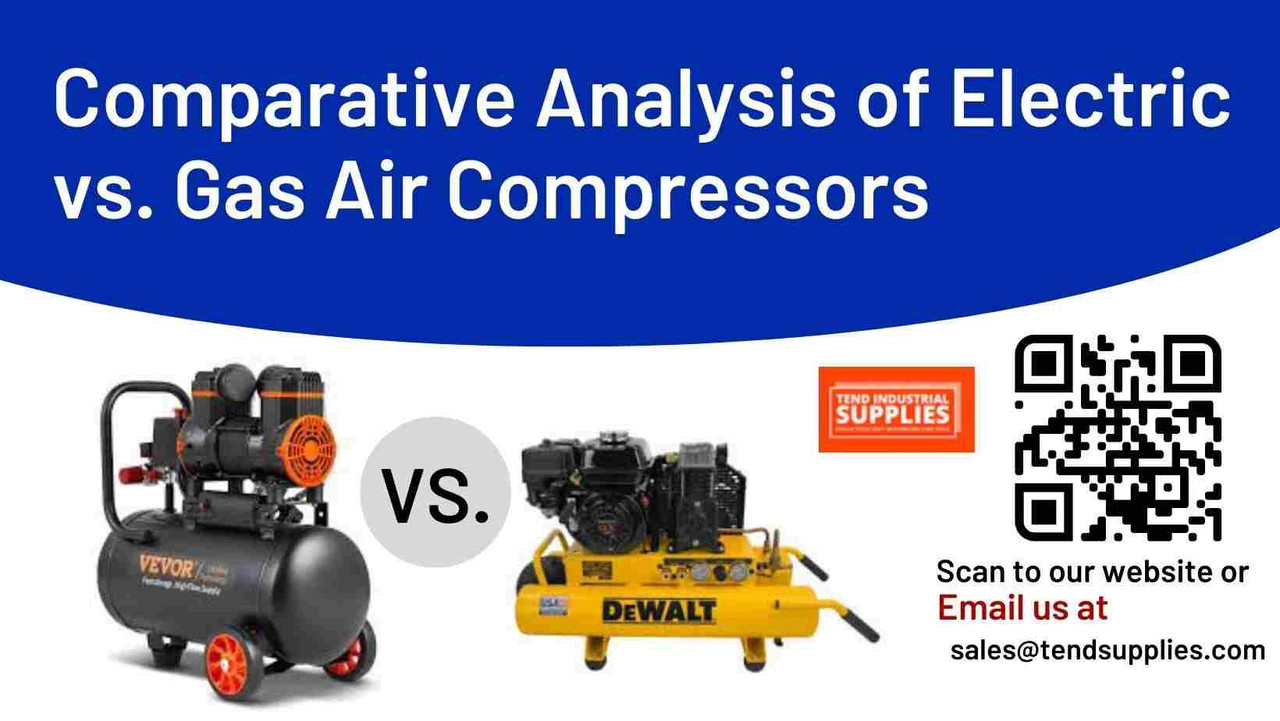
Credit: tendsupplies.com
Gas Air Compressors
Gas air compressors use fuel to create compressed air. They are common in many work sites and outdoor jobs. These machines offer strong power and work well where electricity is not available. Understanding their features helps choose the right compressor for your needs.
Fuel Type And Usage
Gas air compressors run mainly on gasoline or diesel. Gasoline models are lighter and easier to move. Diesel compressors are heavier but last longer. These compressors work well in places without electric power. They are ideal for outdoor and remote jobs.
Power Output And Performance
Gas compressors deliver high power output for tough tasks. They provide steady air pressure for continuous use. These machines handle heavy-duty work better than electric models. Their strong performance suits construction and industrial jobs.
Noise And Emissions
Gas air compressors are louder than electric ones. Noise levels can be high on busy job sites. They also produce exhaust emissions from burning fuel. This can affect air quality and may need extra care. Using them in open areas helps reduce impact.
Maintenance And Durability
Gas compressors need regular maintenance to run well. Changing oil and filters keeps engines healthy. They have more parts that can wear out over time. Proper care extends their lifespan. These compressors are built to handle rough use.
Cost Implications
Gas air compressors often cost more upfront than electric models. Fuel expenses add to the running cost. Repair and maintenance can increase long-term costs. Still, their power and mobility offer value for many users.
Performance Comparison
Choosing between electric and gas air compressors depends heavily on their performance. Both types serve different needs and work best in certain conditions. Understanding how they perform helps in making the right choice for your tasks.
This section compares power and airflow, run time and refueling, and their suitability for various jobs.
Power And Airflow
Gas air compressors often deliver higher power. They provide strong airflow for heavy-duty tasks. Electric models usually offer less power but are quieter. They work well for small to medium jobs. Power needs depend on the tools you use.
Run Time And Refueling
Electric compressors run as long as they are plugged in. No need to stop for fuel. Gas compressors run on fuel, so they need refilling. This limits their continuous use time. Refueling takes time and effort. Electric models offer more convenience indoors.
Suitability For Different Tasks
Gas compressors suit outdoor or remote jobs without electricity. They handle large, tough projects well. Electric compressors fit indoor or light tasks. They are good for home garages and workshops. Choosing depends on where and how you work.
Credit: www.campbellhausfeld.com
Environmental Impact
Choosing an air compressor involves thinking about its impact on the environment. This section explores how electric and gas air compressors affect our planet. Understanding these effects helps in making a better, eco-friendly choice.
Emissions And Pollution
Gas air compressors release harmful gases like carbon monoxide and nitrogen oxides. These emissions contribute to air pollution and harm health. Electric compressors produce no direct emissions. They run cleanly, especially if powered by renewable energy. This difference makes electric models better for air quality.
Energy Consumption
Gas compressors use fuel, which burns to create power. This process wastes energy and produces pollution. Electric compressors convert electricity into power more efficiently. Their energy use depends on how the electricity is made. Using green energy with electric compressors lowers overall energy consumption and pollution.
Sustainability Considerations
Electric compressors support long-term sustainability goals. They reduce reliance on fossil fuels and cut greenhouse gas emissions. Gas compressors depend on non-renewable resources and create more waste. Choosing electric helps protect natural resources and reduces environmental damage. It fits better with efforts to create a sustainable future.
Safety Factors
Safety is a top priority when choosing between electric and gas air compressors. Each type has unique risks and care needs. Understanding these safety factors helps prevent accidents and injuries. Proper handling and following rules keep work safe and efficient.
Operational Risks
Electric compressors have fewer fire risks since they do not burn fuel. But they can cause electric shocks if wires are damaged. Gas compressors produce fumes that can be harmful in closed spaces. They also pose fire hazards due to fuel use. Both types need regular checks to avoid leaks or malfunctions.
Handling And Storage
Electric compressors require dry storage to prevent rust and electrical issues. Gas compressors need well-ventilated areas to avoid gas buildup. Fuel must be stored safely away from heat sources. Both types should be secured to prevent tipping or damage during storage.
Regulatory Compliance
Electric compressors usually meet simple safety standards. Gas compressors must follow strict rules about emissions and fuel storage. Operators need training to handle gas machines safely. Compliance reduces legal risks and enhances workplace safety.
Choosing The Right Compressor
Choosing the right air compressor depends on several key factors. Your specific needs will guide your choice. Both electric and gas compressors have strengths. Understanding your priorities helps you pick the best option for your work.
Consider where and how you will use the compressor. Think about cost limits, how easy it is to move, and the value over time. Each factor affects which type suits you best.
Work Environment
Electric compressors suit indoor use best. They run quietly and produce no fumes. Great for workshops and homes. Gas compressors work well outdoors. They offer more power but are noisy and emit gases. Choose based on where you will work most.
Budget Constraints
Electric models usually cost less upfront. They have lower maintenance expenses. Gas compressors need more fuel and upkeep. They cost more at the start and over time. Balance initial price with ongoing costs to fit your budget.
Portability Needs
Gas compressors are easier to carry far from power outlets. They run independently on fuel. Electric compressors need a power source nearby. They are lighter but limited by cable length. Match your choice to how mobile you need to be.
Long-term Investment
Electric compressors last longer with less care. They save money on fuel and repairs. Gas compressors handle heavy jobs better but wear faster. Think about how often and how hard you will use the machine. This helps you plan your investment wisely.
Future Trends In Air Compressors
The air compressor market is evolving fast. New technologies are shaping the future of air compressors. Both electric and gas models are seeing big changes. These changes aim to improve efficiency, reduce emissions, and enhance performance.
Understanding these trends helps users choose the best air compressor for their needs. It also shows how the industry adapts to environmental and technical demands.
Advancements In Electric Models
Electric air compressors are becoming more energy-efficient. Manufacturers focus on reducing power use without losing strength. New motors produce less noise and heat. Battery-powered models improve portability and runtime. Smart controls allow users to monitor performance easily. These advancements suit indoor and residential use well.
Improvements In Gas Compressors
Gas air compressors are getting cleaner and more powerful. Engine designs reduce harmful emissions to meet strict laws. Fuel efficiency improves, cutting operating costs. New materials make compressors lighter and more durable. These upgrades benefit outdoor and heavy-duty applications. Users get longer work hours with less fuel.
Hybrid Technologies
Hybrid air compressors combine electric and gas power. They switch between sources for better efficiency and lower emissions. This flexibility suits various job sites and tasks. Hybrids offer quieter operation with backup power options. They represent a balance between performance and eco-friendliness. Hybrid models may grow popular as technology advances.
Frequently Asked Questions
What Are The Main Differences Between Electric And Gas Air Compressors?
Electric compressors run on electricity, offering quieter and cleaner operation. Gas compressors use fuel, providing more power and portability but are noisier and emit fumes.
Which Air Compressor Is Best For Indoor Use?
Electric air compressors are ideal for indoor use due to their low noise and zero emissions, making them safe and convenient inside enclosed spaces.
Are Gas Air Compressors More Powerful Than Electric Ones?
Yes, gas air compressors generally deliver higher power and pressure, making them suitable for heavy-duty tasks and outdoor projects without electrical access.
How Do Running Costs Compare For Electric Vs Gas Compressors?
Electric compressors have lower running costs since electricity is cheaper and maintenance is minimal. Gas compressors require fuel and more frequent upkeep, increasing expenses.
Conclusion
Choosing between electric and gas air compressors depends on your needs. Electric compressors work well indoors and need less upkeep. Gas compressors offer more power and mobility for outdoor use. Think about where you will work and how often. Also, consider noise levels and fuel costs.
Both types have clear benefits. The right choice makes your tasks easier and faster. Take time to weigh these points before buying. Your work will improve with the best fit.