Choosing the right air compressor for your plasma cutter is more than just matching brands or picking the biggest machine you can afford. The size, power, and air delivery capability of your compressor have a direct effect on how smoothly your plasma cutter will work.
If you get this wrong, you might face poor cutting quality, overheating, or even equipment damage. But with a little guidance, you can select the best air compressor size for your plasma cutter and get clean, fast cuts every time.
Why Air Compressor Size Matters For Plasma Cutting
A plasma cutter uses compressed air to turn electricity into a high-speed jet of plasma that slices through metal. If the air pressure or flow is too low, the plasma arc becomes weak and unstable. This leads to jagged cuts, dross (excess metal), or a torch that keeps shutting off.
On the other hand, if you use an oversized compressor, you waste money and energy.
Two main numbers matter when sizing an air compressor for a plasma cutter:
- CFM (Cubic Feet per Minute): This tells you how much air the compressor can deliver.
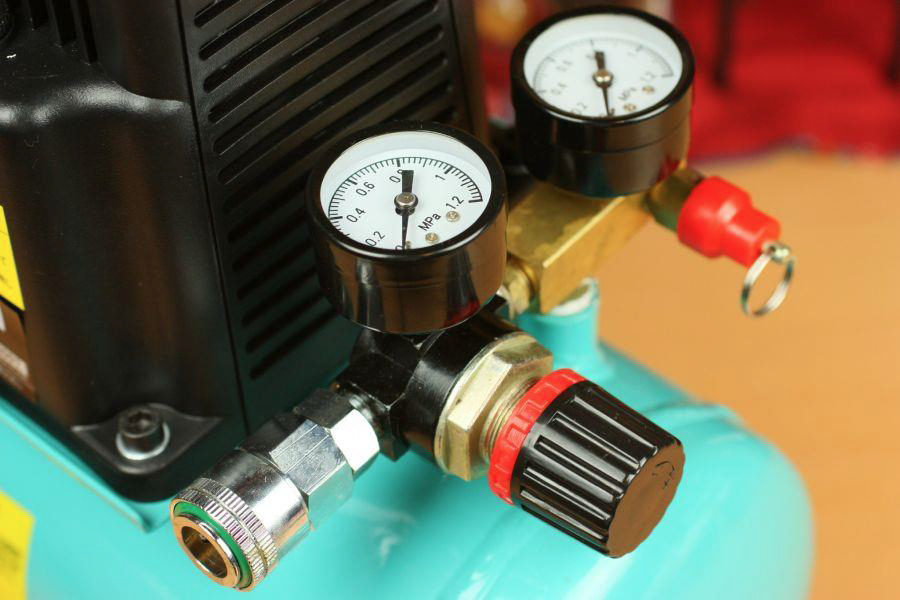
- PSI (Pounds per Square Inch): This shows how much pressure the compressor can maintain.
Both numbers should meet or exceed the requirements listed by your plasma cutter’s manufacturer.
Understanding Plasma Cutter Air Requirements
Every plasma cutter model has its own air requirements. You’ll usually find these in the manual or product specification sheet. For most light-duty plasma cutters (up to 40 amps), the requirements are:
- CFM: 4 to 7 CFM at 90 PSI
- PSI: 60 to 120 PSI
Bigger, industrial plasma cutters may need 8 to 12 CFM or more.
Let’s look at a few examples:
- A 30 amp plasma cutter might need 4.5 CFM at 90 PSI.
- A 50 amp model could need 6.0 to 7.0 CFM at 90 PSI.
- A 100 amp industrial cutter may demand 10+ CFM at 120 PSI.
Never guess. Always check your machine’s manual. If you can’t find it, look up the specs on the manufacturer’s website.
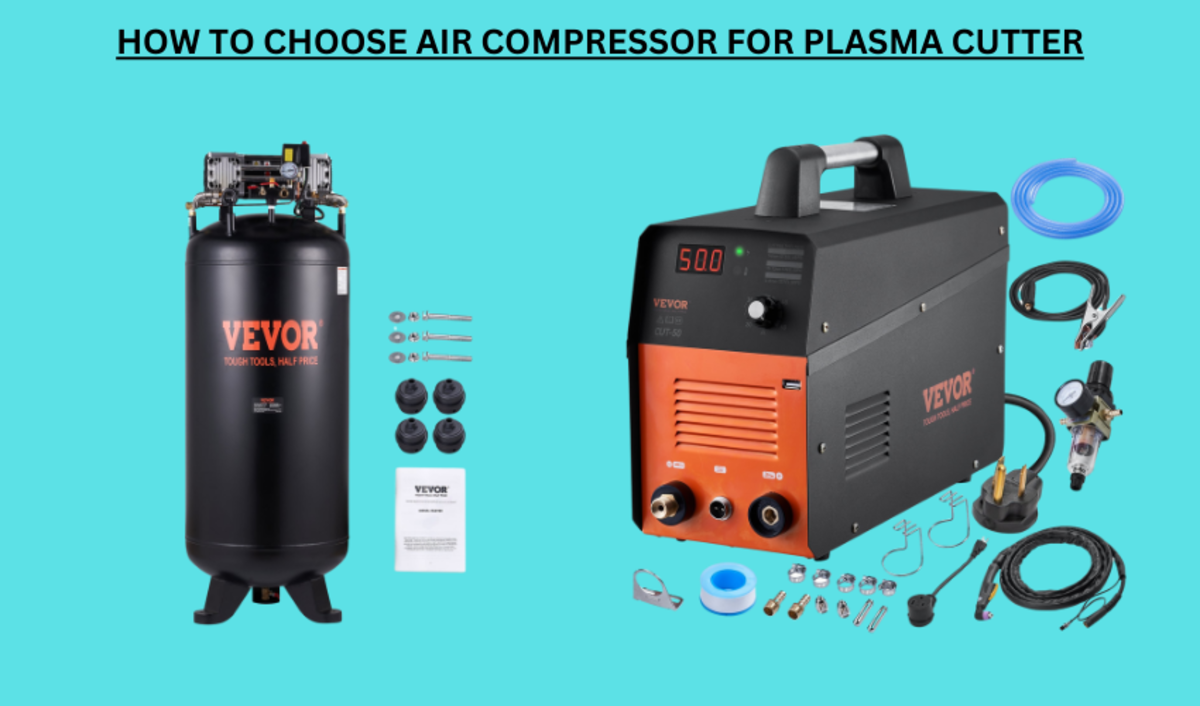
Credit: www.vevor.com
How To Match Air Compressor Size To Your Plasma Cutter
To avoid performance issues, your compressor should deliver at least 1.5 times the CFM your plasma cutter needs. Why? Compressors are usually rated at “displacement CFM,” which is higher than the “delivered CFM” at the working pressure. Plus, real-world conditions (like humidity and hose length) can lower output.
Step-by-step Sizing
- Find your plasma cutter’s CFM and PSI requirements.
- Multiply the required CFM by 1.5 to get a safe minimum.
- Check the compressor’s CFM rating at the required PSI.
- Choose a compressor that meets or exceeds both numbers.
For example, if your cutter needs 5.0 CFM at 90 PSI:
- 5.0 × 1.5 = 7.5 CFM minimum at 90 PSI.
Common Sizes For Hobby And Pro Use
Most home users with plasma cutters under 50 amps do well with a 20-30 gallon compressor rated for 7-9 CFM at 90 PSI. For heavy-duty use, a 60-gallon, 10+ CFM compressor may be necessary.
Here is a practical comparison of typical plasma cutter and air compressor pairings:
| Plasma Cutter Amps | Required CFM (at 90 PSI) | Suggested Tank Size | Compressor CFM (at 90 PSI) |
|---|---|---|---|
| 30 | 4.5 | 20 gallons | 6.5+ |
| 50 | 6.5 | 30 gallons | 8.0+ |
| 100 | 10.0 | 60 gallons | 12.0+ |
Tank Size: Does It Matter?
The air tank size affects how long you can cut before the compressor motor has to run again. A bigger tank means longer cutting time without the compressor cycling on and off. If you make short cuts or work with thin metal, a smaller tank can be fine. But for longer or deeper cuts, a larger tank prevents pressure drops and helps you finish jobs faster.
As a rule:
- 20-gallon tanks are good for short, light-duty work.
- 30-gallon tanks fit most hobbyist and small shop needs.
- 60-gallon tanks are best for professionals and continuous use.
Single-stage Vs. Two-stage Compressors
Air compressors come in two basic types:
- Single-stage: Compress air in one step, usually up to 125 PSI. Suitable for most plasma cutters up to 50 amps.
- Two-stage: Compress air in two steps, reaching 175 PSI or more. Better for high-amperage, industrial plasma cutters.
Two-stage models are more efficient for heavy-duty or commercial work, but they cost more.
Electric Vs. Gas Air Compressors
Most plasma cutting is done indoors, so electric air compressors are preferred. They are quieter, need less maintenance, and are safer. Gas-powered compressors are mainly used outdoors or on construction sites where electricity isn’t available. The choice depends on your work environment.
Oil-free Vs. Oil-lubricated Compressors
- Oil-free compressors are lighter, need less maintenance, and are fine for occasional plasma cutting.
- Oil-lubricated compressors are more durable and quieter, making them better for heavy use or commercial shops.
If you cut metal every day, invest in an oil-lubricated model for a longer lifespan.
Duty Cycle: The Hidden Factor
Duty cycle tells you how long a compressor can run before needing a rest. For plasma cutting, a higher duty cycle means fewer interruptions. For example, a 50% duty cycle means the compressor can run for 5 minutes, then must rest 5 minutes. If you do long cuts, look for compressors with at least a 50% duty cycle.
Air Filtration And Moisture Control
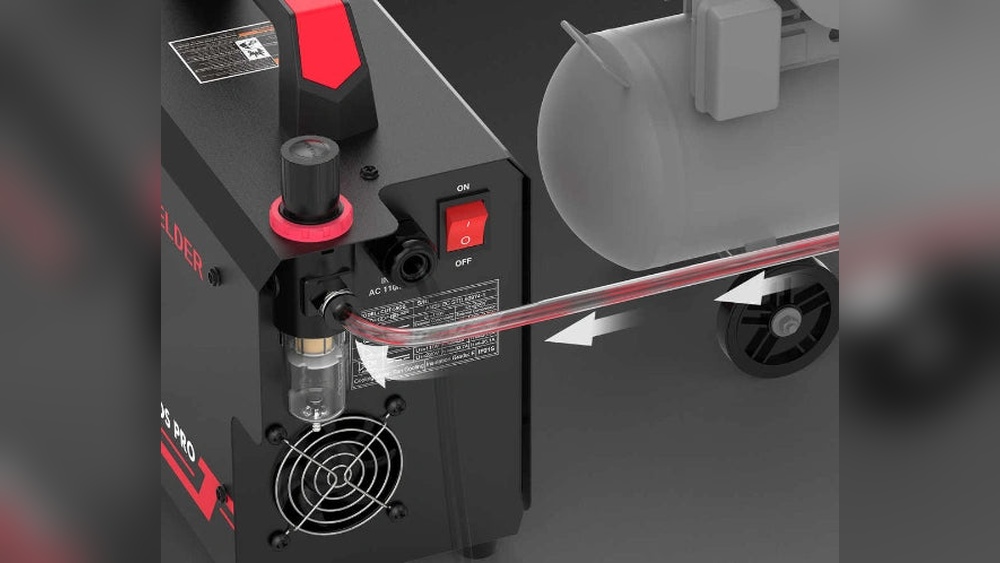
Clean, dry air is essential for plasma cutters. Moisture or oil in the air can ruin your cuts and damage your torch. Always use an air filter and moisture trap between the compressor and plasma cutter. If you live in a humid area, consider an air dryer or desiccant filter.
Common Mistakes When Sizing An Air Compressor
Many beginners make these errors:
- Ignoring CFM ratings: Buying by tank size alone leads to underpowered setups.
- Underestimating air needs: Plasma cutters need more air than you think, especially for thicker metal.
- Skipping air filtration: Moist air leads to torch failure and poor cuts.
- Not checking duty cycle: Cheap compressors may overheat and shut down in the middle of a job.
Always read the specs and ask for advice if you’re unsure.
Credit: americantorchtip.com
Real-world Examples
Let’s look at two scenarios:
Example 1: Hobbyist Cutting Thin Steel
Jane has a 40-amp plasma cutter with a requirement of 4. 7 CFM at 90 PSI. She buys a compressor that delivers 7. 5 CFM at 90 PSI with a 30-gallon tank. She can cut 1/4″ steel plate for several minutes without the compressor cycling too often.
Her air is filtered and dry, so her torch lasts longer.
Example 2: Small Fabrication Shop
Carlos runs a shop with a 60-amp plasma cutter needing 8. 0 CFM at 90 PSI. He chooses a two-stage, 60-gallon compressor rated at 12. 0 CFM. He can cut thick steel all day without worrying about pressure drops or overheating.
What If Your Compressor Is Too Small?
If your compressor can’t keep up, you’ll notice these problems:
- Loss of cutting power: The arc sputters or stops.
- Rough or incomplete cuts: More dross and jagged edges.
- Frequent compressor cycling: The motor runs constantly, shortening its life.
- Torch damage: Moist air and pressure drops wear out parts faster.
You can use a larger air tank as a temporary fix, but the best solution is upgrading to a bigger compressor.
Cost Vs. Performance
Buying a bigger compressor costs more upfront but pays off in the long run:
- Better cut quality
- Fewer equipment breakdowns
- Faster project completion
A high-quality compressor can last 10-20 years with proper care, making it a smart investment.
Quick Reference: Air Compressor Sizing Chart
Here’s a handy chart you can refer to when choosing an air compressor for your plasma cutter:
| Plasma Cutter Amps | Min. Compressor CFM (at 90 PSI) | Recommended Tank Size |
|---|---|---|
| 20-30 | 4.5-6.0 | 20 gallons |
| 40-50 | 6.0-8.0 | 30 gallons |
| 60-100 | 8.0-12.0 | 60 gallons |
Credit: yeswelder.com
Two Common Insights Beginners Miss
First, many assume tank size equals air delivery, but CFM rating is the critical number. You can have a large tank but still lack the airflow for smooth plasma cutting.
Second, air quality is as important as quantity. Even a perfect compressor can’t compensate for dirty or wet air. Investing in good filters and water separators extends your plasma cutter’s life and keeps your cuts clean.
When To Upgrade Your Compressor
If you plan to cut thicker metal, add more tools, or run your plasma cutter for longer periods, it’s smart to size up your compressor now. Upgrading later usually means spending more time and money replacing worn-out equipment. Plan for your future needs, not just your current projects.
External Resource
For deeper technical information about air compressors and plasma cutters, you can visit the Wikipedia page on plasma cutting.
Frequently Asked Questions
What Size Air Compressor Do I Need For A 50-amp Plasma Cutter?
For a 50-amp plasma cutter, look for a compressor with at least 8.0 CFM at 90 PSI and a tank size of 30 gallons or more. Always check your cutter’s exact specs, and remember to add a margin for safety.
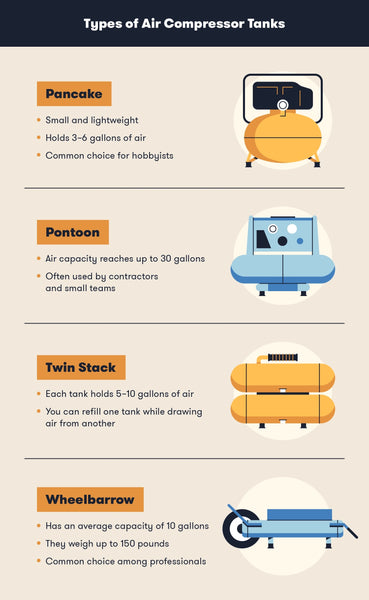
Can I Use A Small Pancake Compressor With A Plasma Cutter?
Pancake compressors usually deliver 2-4 CFM at 90 PSI, which is too low for most plasma cutters. They may work for very short cuts on thin sheet metal, but performance will be poor and you risk damaging your cutter.
Does Tank Size Affect Cut Quality?
Tank size affects how long you can cut before the compressor cycles. A bigger tank helps maintain steady air flow for longer cuts, but CFM rating is more important for cut quality.
Can I Use The Same Air Compressor For Other Tools?
Yes, but add up the total CFM requirements of all tools you plan to use at once. For example, if you want to run a plasma cutter and an air grinder together, your compressor must supply enough CFM for both.
How Do I Keep Air Dry For My Plasma Cutter?
Use an air filter and moisture trap between the compressor and your plasma cutter. In humid areas, an air dryer or desiccant filter is recommended to prevent water from reaching your torch.
Selecting the right air compressor for your plasma cutter is a decision that pays off with every clean, smooth cut. Take time to compare specs, think about your work habits, and invest in quality equipment. It’s the foundation of reliable plasma cutting for years to come.