Are you wondering if copper pipes are a good choice for your air compressor lines? Choosing the right material can make a big difference in how well your system works and how long it lasts.
You want something safe, efficient, and cost-effective. But is copper up to the task? Keep reading to find out the surprising facts about using copper pipes for air compressor lines—and discover what could save you time, money, and hassle down the road.
Your air compressor depends on it.

Credit: www.youtube.com
Copper Pipe In Air Compressor Systems
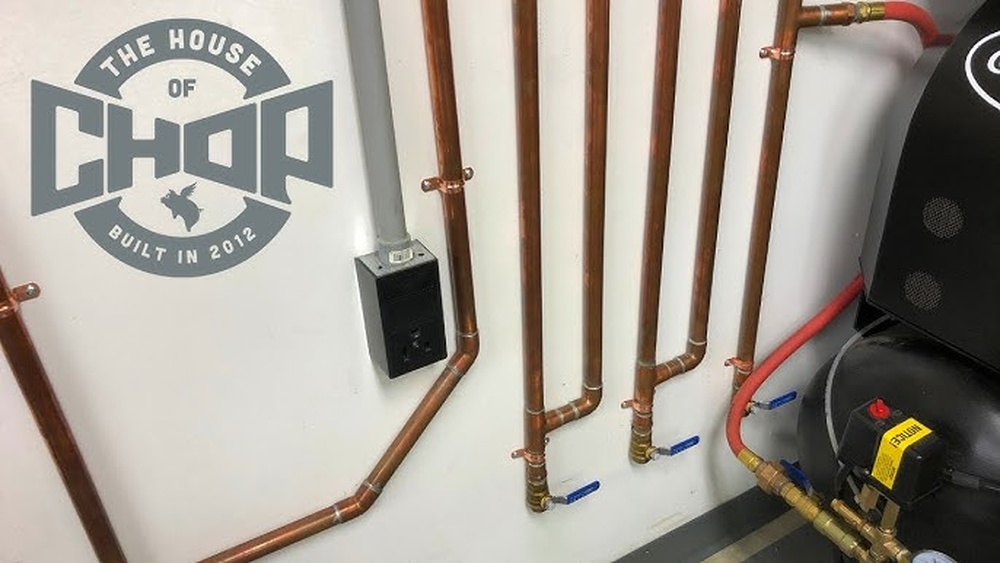
Copper pipe is a popular choice for many plumbing jobs. It also fits well in air compressor systems. Copper offers good strength and resists corrosion. These qualities matter in compressor lines. Pipes carry compressed air at high pressure. They must be strong and leak-free to work safely and well.
Using copper pipes in air compressor setups can improve system reliability. The metal handles pressure without damage. Copper also stays clean inside, which helps keep air pure. Clean air means better tool performance and less wear. Copper pipe is easy to shape and join. This makes installation faster and neater.
Common Materials For Compressor Lines
Steel pipe is the most common choice for compressor lines. It handles high pressure and is very strong. Plastic tubing can work in some low-pressure systems. Aluminum pipe offers a lighter weight option but costs more. Copper pipe fits between these options. It is easier to work with than steel and more durable than plastic.
Why Consider Copper Pipes
Copper resists rust and corrosion better than steel. This keeps air cleaner and pipes longer-lasting. It also handles heat well. Compressor lines can get warm during use. Copper pipes expand less and stay stable under temperature changes. The metal’s smooth inside surface reduces pressure drops. This improves compressor efficiency. Copper pipes also connect easily with standard fittings. This saves time on repairs and upgrades.
Advantages Of Copper Pipes
Copper pipes offer many benefits for air compressor lines. They provide a reliable and efficient way to transport compressed air. Copper is strong and can last a long time without problems. It also handles temperature changes well. These qualities make copper a popular choice for many systems.
Durability And Longevity
Copper pipes are very strong. They resist damage from pressure and physical impact. This toughness helps them last for many years. Copper does not crack or break easily. This makes it a safe choice for air compressor lines.
Corrosion Resistance
Copper resists rust and corrosion better than many metals. It does not degrade when exposed to moisture. This quality keeps the air system clean and free from blockages. Corrosion resistance ensures the pipes maintain good airflow over time.
Thermal Conductivity Benefits
Copper conducts heat well. This helps regulate the temperature inside the pipes. Proper temperature control prevents moisture build-up. It also protects the air compressor system from overheating and damage.
Ease Of Installation
Copper pipes are easy to work with. They can be bent and shaped without breaking. This flexibility allows for quick and neat installation. Copper fittings connect easily, saving time and effort during setup.
Drawbacks Of Copper Pipes
Copper pipes have some clear disadvantages for air compressor lines. These drawbacks affect their overall performance and long-term value. Understanding these issues helps in choosing the right material for air systems.
Cost Compared To Alternatives
Copper pipes usually cost more than other materials like PVC or steel. The higher price can be a problem for large projects. Budget limits often lead to choosing cheaper options.
Potential For Damage And Wear
Copper is soft and can dent or crack under stress. It does not handle rough handling well. Over time, damage can cause leaks and system failure.
Suitability For High Pressure
Copper pipes may not hold up under very high pressure. Air compressors often create strong pressure that can stress copper. Other materials are stronger and safer for this use.
Risk Of Contamination
Copper can corrode and release particles into the air line. This contamination can harm tools and machinery. Clean air is crucial for air compressor systems.
Credit: hmaking.com
Installation Tips For Copper Lines
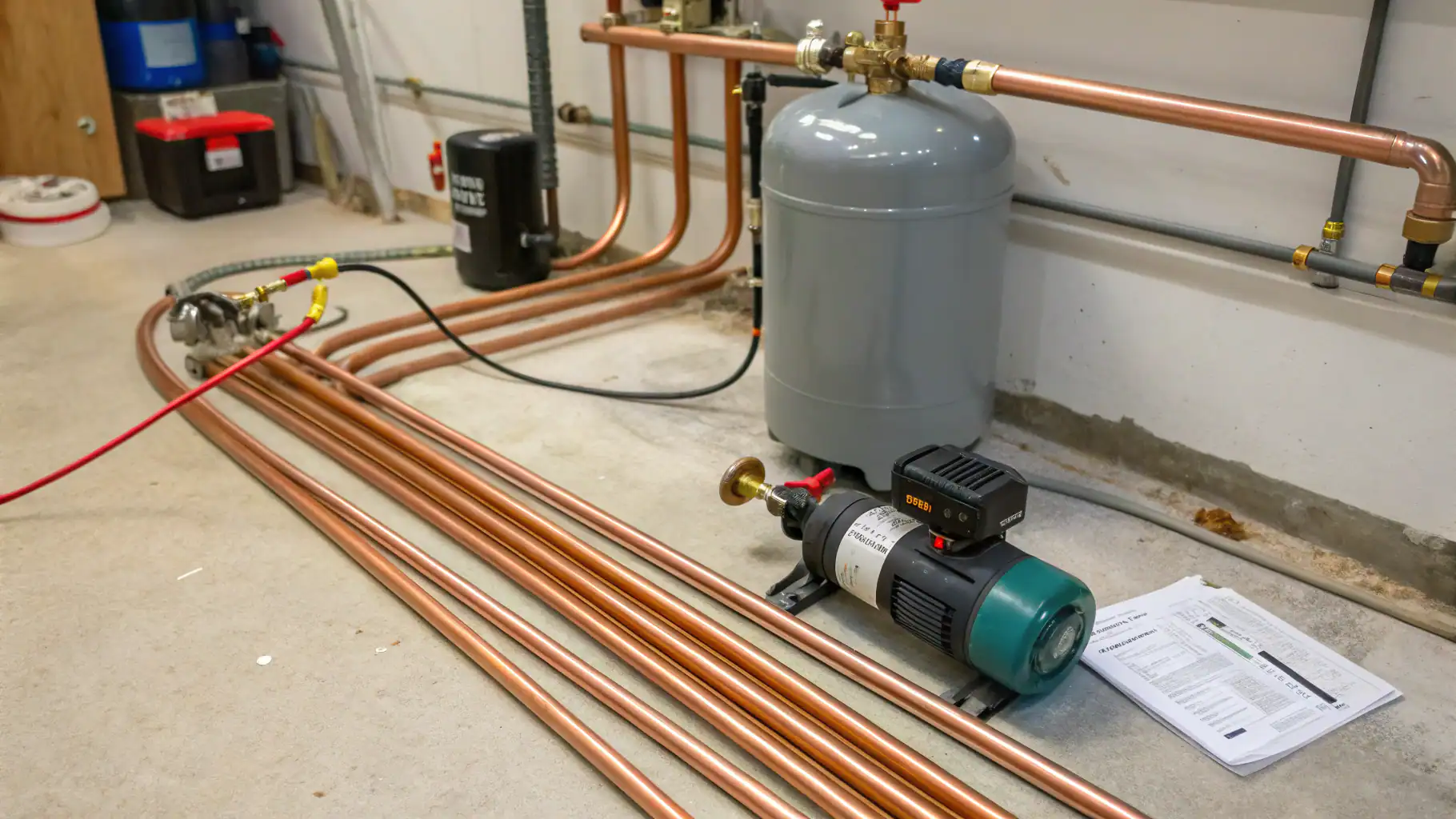
Installing copper pipes for air compressor lines requires careful attention. Proper installation ensures efficiency and safety. It also helps the system last longer. Follow these tips for a smooth setup and reliable performance.
Proper Sizing And Layout
Choose the right pipe size to avoid pressure loss. Larger pipes reduce friction and improve airflow. Plan the layout to minimize bends and joints. Straight runs keep air moving freely. Keep the lines as short as possible to save energy.
Joining Methods
Use proper joining techniques to prevent leaks. Soldering is common but needs careful heating. Compression fittings work well and are easier to install. Avoid threaded connections on copper pipes; they may cause damage. Always clean pipe ends before joining for a strong seal.
Preventing Vibrations And Noise
Secure copper lines with clamps to stop vibrations. Use rubber or plastic inserts in clamps to reduce noise. Avoid tight spots where pipes can rub against surfaces. Place flexible connectors near the compressor to absorb vibrations. This reduces wear and keeps noise low.
Maintenance Practices
Check copper pipes regularly for signs of corrosion or leaks. Clean any dirt or dust buildup to keep pipes clear. Tighten fittings if you notice air leaks. Replace damaged sections promptly to avoid bigger problems. Routine inspections extend the life of your air compressor system.
Comparing Copper To Other Materials
Choosing the right pipe material for air compressor lines affects performance and durability. Copper is popular, but other options exist. Comparing copper with aluminum, steel, and PVC helps find the best fit. Each material has unique strengths and weaknesses.
Copper Vs. Aluminum
Copper resists corrosion better than aluminum. It handles high pressure without bending easily. Aluminum is lighter and cheaper but dents more. Copper also transfers heat better, reducing moisture build-up inside lines. Aluminum pipes can be noisier during air flow.
Copper Vs. Steel
Steel pipes are very strong and handle high pressure well. Copper resists rust better than steel, which can corrode over time. Steel is heavier and harder to install. Copper pipes are easier to shape and connect. Steel may require more maintenance to prevent rust.
Copper Vs. Pvc
PVC pipes are lightweight and cheap. They do not handle high heat or pressure well. Copper works better for hot, high-pressure air systems. PVC can crack or degrade with compressed air. Copper offers better durability and longer life for air compressor lines.
When To Choose Copper Pipes
Choosing the right pipe for air compressor lines matters a lot. Copper pipes offer unique benefits that suit certain needs. Knowing when to pick copper can save money and improve system performance. The following sections explain key points to consider before deciding.
Specific Use Cases
Copper pipes work well for small to medium air compressor systems. They handle moderate pressure and heat without problems. Copper is ideal for indoor setups where corrosion risk is low. It suits clean, dry air lines better than harsh or wet environments.
They fit well in places where space is tight. Copper’s flexibility allows easy bending for complex layouts. This makes installation faster and neater in many situations.
Environmental Considerations
Copper resists rust and corrosion better than steel in dry air. It performs well in non-corrosive environments. Avoid copper pipes in outdoor or humid conditions without protection. Moisture and chemicals can damage copper faster there.
Copper does not contaminate compressed air with rust particles. This keeps tools and machines cleaner and safer. It also reduces maintenance needs and downtime.
Budget And Longevity Balance
Copper pipes cost more upfront than some alternatives like PVC or steel. The price reflects durability and low maintenance. Copper lasts long, often decades, with proper care.
Choosing copper can lower repair and replacement costs over time. It offers a good balance between initial cost and lifespan. For reliable, long-term air compressor lines, copper is a smart choice.

Credit: www.powdercoatguide.com
Frequently Asked Questions
Can Copper Pipes Handle Air Compressor Pressure?
Yes, copper pipes can handle moderate air compressor pressure. However, ensure the pipe thickness suits your compressor’s PSI rating for safety and durability.
Are Copper Pipes Better Than Steel For Air Lines?
Copper pipes resist corrosion and are easier to install. Steel pipes are stronger but heavier and prone to rust, making copper ideal for clean, dry air systems.
Is Copper Piping Cost-effective For Air Compressors?
Copper piping is more expensive upfront than plastic or steel. However, its durability and low maintenance often make it cost-effective long term.
Can Copper Pipes Prevent Air Contamination?
Copper does not rust or corrode easily, reducing contamination risks. It helps maintain cleaner air compared to steel pipes prone to rust buildup.
Conclusion
Copper pipe can work for air compressor lines but with some limits. It handles air well but may not resist heavy pressure or impacts. Make sure to check local rules and pipe ratings before using copper. Other materials like steel or aluminum might suit tough jobs better.
Choose the pipe that fits your needs and budget. Safety and performance matter most. Take time to plan and install properly. This helps your air system work smoothly and last longer.