

If you’ve just got a Craftsman air compressor or are thinking about using one, you might wonder how to get the most out of it safely and efficiently. Understanding how to work your air compressor can save you time, avoid costly mistakes, and make your projects run smoother.
This guide will walk you through the simple steps you need to know, so you feel confident every time you power it up. Ready to unlock the full potential of your Craftsman air compressor? Let’s dive in.

Credit: www.youtube.com
Choosing The Right Compressor
Choosing the right Craftsman air compressor is key to getting the best results. The right compressor fits your needs and helps you complete tasks with ease. Knowing which type and size to pick makes your work faster and safer.
Types Of Craftsman Compressors
Craftsman offers different types of air compressors. Portable compressors are small and easy to move. They work well for light tasks and small projects. Stationary compressors are larger and stay in one place. These are good for heavy-duty work and long hours. Pancake compressors have a flat tank design. They are stable and fit in tight spaces. Hot dog compressors have a horizontal tank and are easy to carry. Choose the type that matches your workspace and tasks.
Matching Compressor Size To Your Needs
Size matters when picking a compressor. The tank size affects how long you can work without stopping. Small tanks are lighter but fill up quickly. Bigger tanks hold more air and run longer. Check the air pressure needed for your tools. Look at the compressor’s PSI (pounds per square inch) rating. Match it with your tool’s requirements. Also, consider the CFM (cubic feet per minute) rating. This tells how much air the compressor can deliver. Pick a size that keeps your tools running smoothly.
Setting Up Your Compressor
Setting up your Craftsman air compressor correctly ensures it works safely and efficiently. Proper setup helps avoid damage and keeps your workspace safe. Follow these steps carefully to prepare your compressor for use.
Safe Placement And Installation
Place the compressor on a flat, stable surface. Avoid damp or dusty areas to protect the machine. Keep the compressor away from heat sources and direct sunlight. Ensure good airflow around the unit to prevent overheating. Use the manufacturer’s instructions for any mounting or securing needs. Check the power source matches the compressor’s voltage requirements. Plug the compressor into a grounded outlet to avoid electrical hazards.
Connecting Air Hoses And Tools
Use hoses that fit your compressor’s air outlet securely. Tighten connections to prevent air leaks. Attach your air tools using the correct fittings. Check the hoses for cracks or damage before use. Avoid bending or kinking the hoses to maintain airflow. Turn off the compressor before connecting or disconnecting tools. This prevents accidents and damage to the equipment.
Operating The Compressor
Operating a Craftsman air compressor is simple and safe when you follow the right steps. Understanding how to start, stop, and adjust the machine will help you get the best results. This section explains the basic procedures to run your compressor smoothly.
Starting And Stopping Procedures
Before starting, check the oil and air filters. Make sure the compressor is on a flat surface. Turn the power switch to the ON position. Let the compressor build pressure until it reaches the preset limit. To stop, turn the power switch off. Release any remaining air pressure from the tank using the drain valve.
Adjusting Pressure Settings
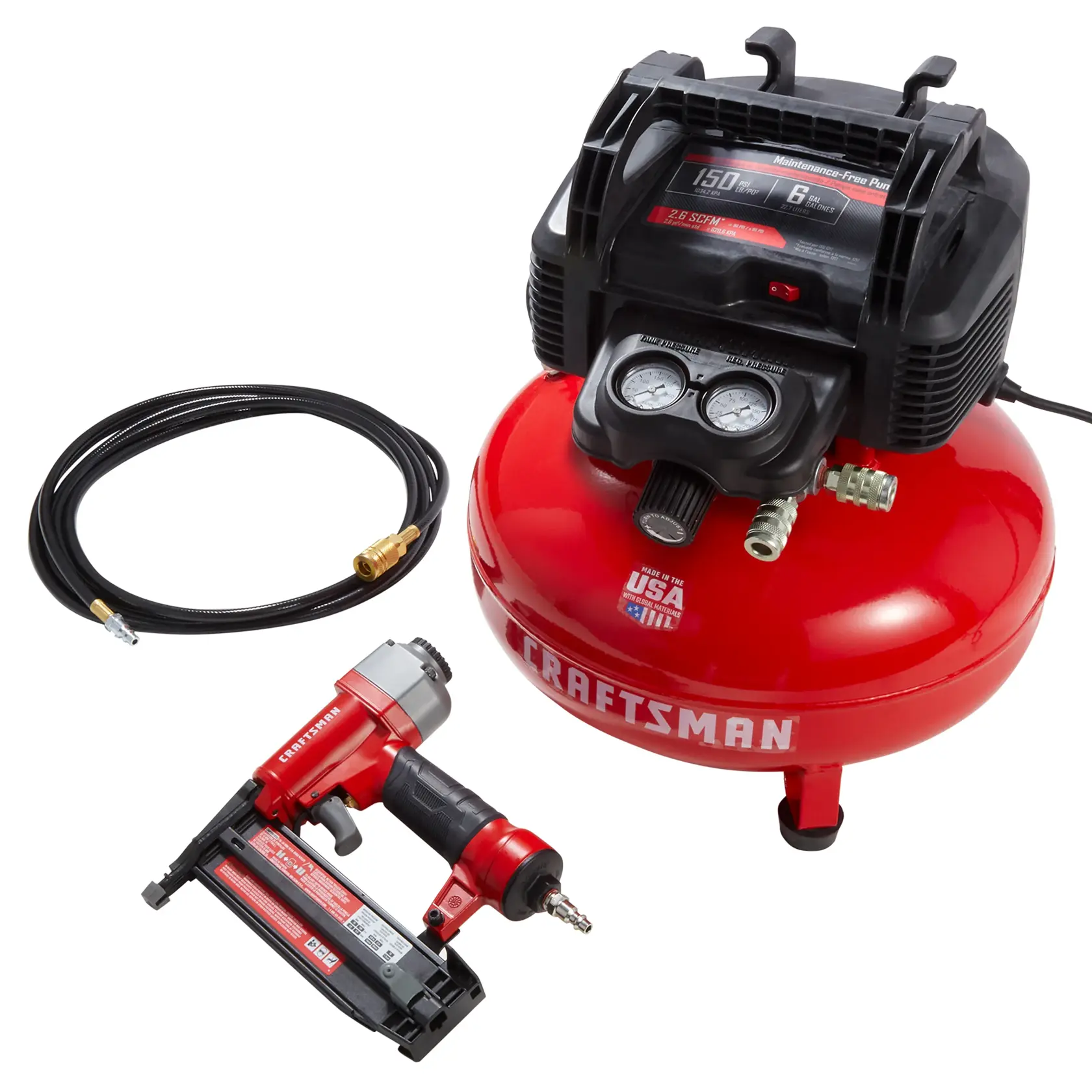
Check the pressure gauge to know the current pressure level. Use the pressure regulator knob to set your desired pressure. Turn the knob clockwise to increase pressure. Turn it counterclockwise to decrease pressure. Make sure the pressure matches the tool’s requirement. Avoid setting pressure too high to prevent damage.
Credit: www.craftsman.com
Maintenance Tips
Proper maintenance keeps your Craftsman air compressor working well. It helps avoid breakdowns and extends its life. Simple regular care makes a big difference.
Draining Moisture And Cleaning
Air compressors collect moisture inside the tank. Draining this moisture stops rust and damage. Open the drain valve after each use. Let all water flow out. Wipe the outside clean to remove dust and dirt. Keep the compressor dry and clean.
Checking Oil And Filters
Check the oil level often. Use the right oil type for your model. Change oil as the manual says. Dirty oil harms the compressor’s parts. Also, clean or replace air filters. Clean filters improve air flow. They keep the compressor running smoothly.
Troubleshooting Common Issues
Troubleshooting your Craftsman air compressor helps keep it running smoothly. Small problems can stop your work quickly. Knowing how to fix common issues saves time and money. Here are two frequent problems and simple ways to solve them.
Fixing Air Leaks
Air leaks reduce compressor power and waste energy. Listen for hissing sounds near hoses and fittings. Use soapy water on connections to spot leaks. Bubbles will form where air escapes. Tighten loose fittings or replace damaged hoses. Check the tank drain valve for leaks. Fixing leaks improves performance and lowers noise.
Dealing With Pressure Problems
Pressure issues cause tools to work poorly or stop. Check the pressure switch and regulator settings. Adjust the regulator to the correct pressure for your tool. Clean or replace the air filter if dirty. A clogged filter lowers pressure. Inspect the pressure relief valve to ensure it opens and closes properly. Regular checks keep pressure steady and reliable.
Safety Precautions
Using a Craftsman air compressor safely protects you and your tools. Understanding safety rules lowers the risk of injury. Always follow these precautions to keep your workspace safe and efficient.
Protective Gear To Use
Wear safety glasses to shield your eyes from flying debris. Use ear protection to block loud compressor noise. Gloves protect your hands from sharp parts and hot surfaces. Wear sturdy shoes to protect feet from heavy objects. Proper gear reduces injury risks during compressor use.
Avoiding Overheating And Damage
Run the compressor in a well-ventilated area to prevent heat buildup. Take breaks during long use to cool down the machine. Check the oil level and add if needed to keep parts lubricated. Clean air filters regularly to avoid dust clogging. Overheating can cause damage and shorten compressor life.
Credit: www.protoolreviews.com
Frequently Asked Questions
How Do I Start A Craftsman Air Compressor Safely?
First, check the oil level and air filter. Plug in the compressor and turn the power switch on. Open the air valve slowly to release pressure before use.
What Maintenance Is Needed For Craftsman Air Compressors?
Regularly check oil levels, clean or replace air filters, and drain moisture from the tank. Inspect hoses and fittings for leaks to ensure efficient operation.
How Do I Adjust Pressure On A Craftsman Air Compressor?
Locate the pressure regulator knob near the output valve. Turn it clockwise to increase pressure and counterclockwise to decrease it. Monitor the pressure gauge for accuracy.
Can I Use A Craftsman Air Compressor Indoors?
Yes, but ensure proper ventilation to avoid carbon monoxide buildup. Avoid using the compressor in damp or wet areas to prevent electrical hazards.
Conclusion
Working a Craftsman air compressor is simple with the right steps. Always check the oil and pressure before starting. Use the correct settings for your task to stay safe. Keep the compressor clean and store it properly after use. Regular care helps the machine last longer.
Follow these tips for smooth and efficient work every time. Enjoy your projects with confidence and ease.