A central air compressor is a powerful machine found in many factories, workshops, and large buildings. It is the heart of a compressed air system, making it possible to run tools, machines, and processes using air power. While many people have heard of air compressors, not everyone knows how a central air compressor works or why it is so important. This article will break down everything you need to know—from the basic idea to how it is used in real life.
Central air compressors are bigger and more complex than the small units you might see in a garage or home shop. They are designed for heavy-duty work, providing steady air to entire buildings. If you work in manufacturing, maintenance, or building management, understanding central air compressors can help you save money, improve safety, and keep your workplace running smoothly.
What Is A Central Air Compressor?
A central air compressor is a large, stationary machine that compresses air and delivers it through pipes to different parts of a building or facility. Unlike small, portable compressors, central air compressors are designed to serve many users at once. They are usually installed in a fixed location, such as a mechanical room or basement, and connected to a network of pipes called an air distribution system.
The main job of a central air compressor is to take in air at normal pressure and squeeze it into a smaller space, raising the pressure. This high-pressure air is then stored in tanks or sent directly to tools and machines that need it.
Common uses include powering pneumatic tools, controlling valves, operating machinery, and even cleaning parts.
Central air compressors are key parts of many industries, including manufacturing, food processing, automotive, and hospitals. They are often called the “fourth utility” after water, electricity, and gas because they are so important for running modern facilities.
How Does A Central Air Compressor Work?
To understand a central air compressor, it helps to know the basic steps:
- Air Intake: The compressor pulls in air from the outside.
- Compression: Inside, the machine squeezes the air, increasing its pressure.
- Cooling: Compression heats the air, so most systems cool it down before storage.
- Storage/Distribution: The high-pressure air is stored in tanks or sent through pipes.
- Use: Tools and machines use the compressed air for different jobs.
Main Parts Of A Central Air Compressor
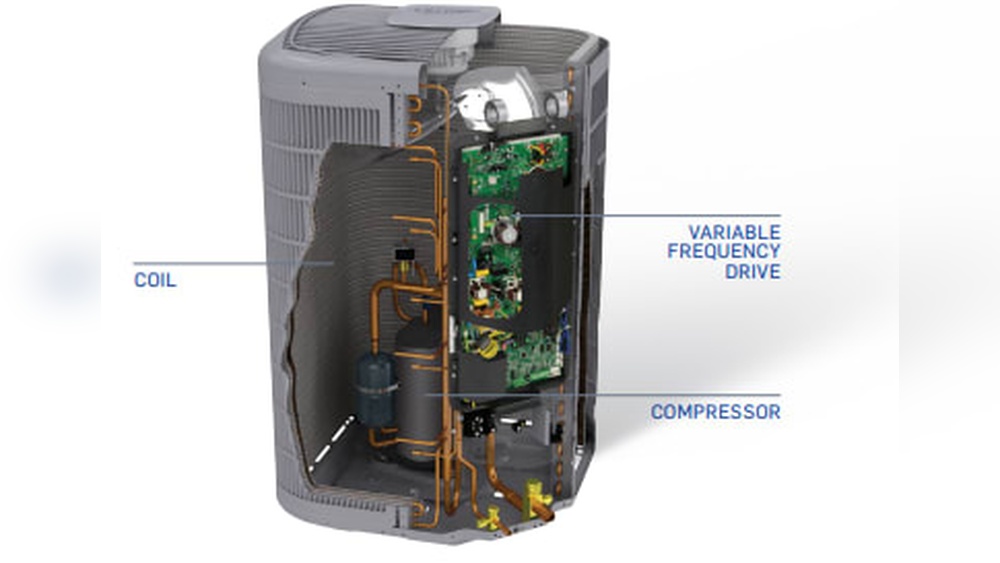
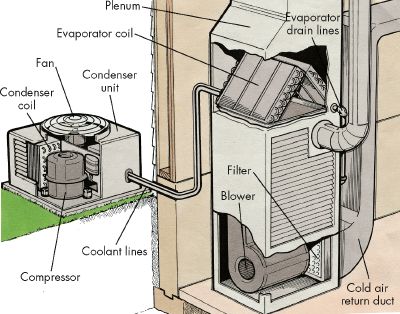
A typical central air compressor system includes several key components:
- Compressor Unit: The main machine that compresses the air.
- Motor/Engine: Powers the compressor, usually electric or diesel.
- Air Receiver (Tank): Stores compressed air for use.
- Dryers and Filters: Remove moisture and dirt from the air.
- Control System: Monitors pressure and operation for safety and efficiency.
- Piping Network: Carries air throughout the building.
Each part must work well together to deliver clean, dry, and steady air at the right pressure.
Credit: home.howstuffworks.com
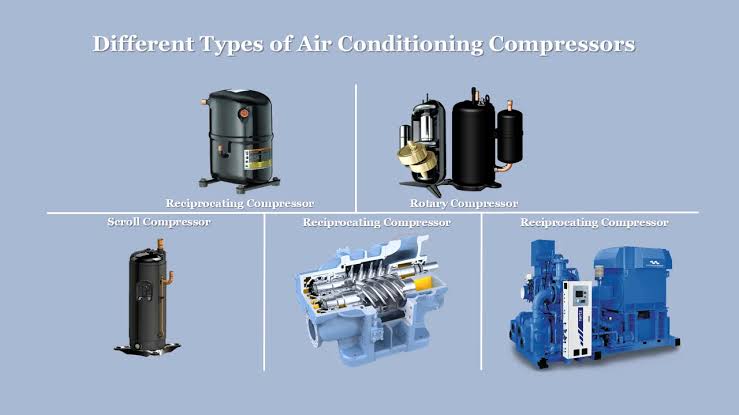
Types Of Central Air Compressors
Central air compressors come in different designs. The best type depends on the job and the needs of the facility. Here are the main types:
1. Reciprocating (piston) Compressors
These use pistons and cylinders, much like a car engine, to compress air. They are good for smaller systems and are robust, but they can be noisy and need more maintenance.
2. Rotary Screw Compressors
This type uses two rotating screws to squeeze air. They are very common in central systems because they are efficient, quiet, and can run for long periods without stopping.
3. Centrifugal Compressors
These use a spinning disk to throw air outward, compressing it. Centrifugal compressors are used for very large jobs, like in oil refineries or huge factories. They are very reliable but cost more and need expert care.
4. Scroll Compressors
Scroll compressors use two spiral-shaped pieces to trap and compress air. They are quieter and have fewer moving parts, but are less common in very large systems.
Here is a simple comparison:
| Type | Best For | Noise Level | Maintenance |
|---|---|---|---|
| Reciprocating | Small shops, light use | High | Frequent |
| Rotary Screw | Medium-large, steady use | Medium-Low | Moderate |
| Centrifugal | Very large plants | Low | Low |
| Scroll | Clean, quiet needs | Very Low | Low |
Key Benefits Of A Central Air Compressor System
Switching from many small compressors to one central air compressor offers several advantages:
- Consistent Air Quality: A central system provides steady pressure and cleaner air, which helps machines last longer.
- Lower Energy Costs: Central systems are more efficient, saving electricity and reducing bills.
- Less Maintenance: One big machine is often easier to maintain than many small ones.
- Quieter Operation: Central compressors can be placed far from work areas, cutting down noise.
- Space Saving: Fewer machines spread around the building means more usable space.
- Safer Work Environment: Fewer hoses and small compressors around the floor mean fewer tripping hazards.
Many beginners overlook the importance of proper air drying and filtration. Moisture in compressed air can cause rust in tools and pipes, leading to expensive damage. Installing good dryers and filters is essential but often missed by new system owners.
Another common mistake is not sizing the system correctly. If the compressor is too small, it cannot keep up with demand, causing pressure drops and slowing down work. If it is too large, it wastes energy and money. Careful planning helps avoid these issues.
Central Air Compressor Vs. Decentralized Systems
You might wonder why not just use several smaller compressors in different locations. Here is a quick comparison:
| System Type | Pros | Cons |
|---|---|---|
| Central | Efficient, less maintenance, better air quality | Higher upfront cost, needs careful design |
| Decentralized | Easy to install, flexible, lower initial cost | More noise, higher long-term cost, uneven air quality |
A central air compressor is usually best for larger facilities, especially if air is needed in many places at once. Decentralized systems can work well in small shops or where air needs are very different in each area.
Important Features To Look For
When choosing a central air compressor, focus on these important features:
- Capacity (CFM or m³/min): How much air the compressor can deliver.
- Pressure Rating (PSI or bar): The maximum pressure it can produce.
- Energy Efficiency: Modern machines have features like variable speed drives to save power.
- Noise Level: Check if the compressor will be placed near workspaces.
- Control Panel: Digital controls make operation easier and help with troubleshooting.
- Aftercoolers and Dryers: Remove moisture to protect tools and pipes.
- Easy Maintenance: Look for machines with good access for cleaning and repair.
A non-obvious tip is to consider the future growth of your facility. It is smart to choose a compressor that can handle some extra demand, but not so large that you waste money running it under capacity.
Common Applications For Central Air Compressors
Central air compressors are used in many fields. Here are some examples:
- Manufacturing Plants: Powering assembly lines, robots, and machine tools.
- Automotive Industry: Running paint sprayers, lifts, and impact wrenches.
- Food and Beverage: Packaging, bottling, and even air knives for drying.
- Hospitals and Labs: Supplying clean, dry air for medical tools and lab equipment.
- Textile Factories: Operating spinning machines and air jets.
- Pharmaceuticals: Automation of production lines and controlling valves.
- Mining: Powering drills and ventilation systems.
In each industry, compressed air is used because it is clean, safe, and powerful. Some systems even use oil-free compressors where the air must be extremely pure, such as in hospitals.
Installation And Maintenance Tips
Installing a central air compressor is a big project that requires planning. Here are some tips:
- Choose the Right Location: The compressor room should be clean, dry, and have good ventilation.
- Proper Piping: Use quality pipes that can handle high pressure. Avoid leaks, as they waste energy.
- Drainage: Set up drains to remove water from air tanks and lines.
- Electrical Supply: Make sure your building’s electricity can handle the compressor’s needs.
- Regular Maintenance: Change filters, check oil levels, and listen for unusual noises.
One detail often missed is to check for air leaks in the piping. Even a small leak can waste a lot of air (and money) over time. Use an ultrasonic leak detector or soapy water to find leaks during regular maintenance.
Another smart move is to keep a spare parts kit on hand. Having extra filters, belts, and oil helps avoid long shutdowns if something breaks.
Credit: www.wmhendersoninc.com
Environmental Impact And Energy Saving
Central air compressors use a lot of power. According to the U.S. Department of Energy, compressed air systems can make up 10% or more of a factory’s total energy use. That is why energy-saving features are so important.
Ways to reduce energy use:
- Install variable speed drives (VSD) to match compressor output to demand.
- Fix leaks quickly.
- Use proper pressure settings—do not run at higher pressure than needed.
- Recover heat from the compressor to warm buildings or water.
Modern systems are getting greener, with better controls and more efficient motors. Some companies even use energy audits to find savings. For more about energy efficiency in compressed air systems, see the U.S. Department of Energy’s guide at energy.gov.
Safety Considerations
Central air compressors are safe when used properly, but they do have risks:
- High Pressure: Never tamper with safety valves or controls.
- Noise: Protect ears with hearing protection in compressor rooms.
- Heat: Compressors can get very hot—keep clear of hot surfaces.
- Moving Parts: Never touch moving belts or fans while the machine is running.
Train all staff on proper use and emergency shutdown. Always follow the manufacturer’s guidelines.
Credit: sprsunheatpump.com
Frequently Asked Questions
What Is The Main Difference Between A Central And A Portable Air Compressor?
A central air compressor is a large, fixed system that supplies air to an entire building through pipes. A portable compressor is a small unit you move from place to place, usually for single tools or small jobs.
How Do I Choose The Right Size Central Air Compressor For My Facility?
Measure your total air demand in cubic feet per minute (CFM) or cubic meters per minute (m³/min). Add up all the tools and machines that will use air at the same time, then add a safety margin (usually 10-20%). Ask a specialist if you are not sure.
How Often Should I Maintain My Central Air Compressor?
Basic checks (oil, filters, leaks) should be done weekly. Full maintenance (changing oil, cleaning coolers, checking belts) is usually needed every 2,000 to 4,000 running hours, but always follow the manufacturer’s guide.
Can I Use A Central Air Compressor For Clean, Oil-free Air?
Yes, but you need an oil-free compressor or special filters and dryers. These are common in hospitals, labs, and food factories where air purity is critical.
What Is The Typical Lifespan Of A Central Air Compressor?
With good maintenance, a central air compressor can last 15 to 20 years or more. Heavy use or poor care can shorten this time, while regular service can extend it.
A central air compressor is a reliable workhorse for many industries. By understanding how it works and what features matter most, you can make better choices for your facility. With the right system, you will enjoy lower costs, higher productivity, and a safer workplace.