Choosing the right air compressor can make your work easier and more efficient. But when you look at smaller options like the 1-gallon and 2-gallon air compressors, it’s easy to get confused. Both are compact and portable, but they offer different features and benefits. If you’re a DIY enthusiast, small workshop owner, or just need a compressor for basic home tasks, understanding these differences is important. This article will help you clearly see the strengths and limits of each size, so you can make a smart decision without regret.
What Is An Air Compressor And Why Size Matters
An air compressor is a tool that turns power into pressurized air. This air is stored in a tank and used for tasks such as inflating tires, using nail guns, or spray painting. The tank size (measured in gallons) affects how long you can use your tools before the compressor needs to refill.
A small tank means the compressor will turn on more often to refill, while a bigger tank gives you longer, uninterrupted work time. However, size also affects weight, portability, and price. For home or light commercial use, 1-gallon and 2-gallon compressors are popular choices. But the differences between them are not always obvious.
1-gallon Air Compressor: Strengths And Weaknesses
A 1-gallon air compressor is the smallest tank size you’ll commonly find. Here’s what you need to know about it:
Advantages
- Ultra-portable: Most models are lightweight, usually under 15 pounds. You can carry them with one hand.
- Takes little space: Fits easily in car trunks, closets, or even under a workbench.
- Great for small tasks: Perfect for inflating bicycle tires, sports balls, air mattresses, or doing quick dusting with an air blower.
- Quieter operation: Many small compressors are designed to be quieter, which is good for indoor use.
Limitations
- Short runtime: The small tank empties quickly. For example, if you use a brad nailer, you might only get a few nails in before the compressor starts refilling.
- Low airflow (CFM): Most 1-gallon compressors provide about 0.5–1.0 CFM at 90 PSI. This is enough for inflating or stapling, but not for tools like spray guns or impact wrenches.
- Not for continuous use: If you need to run an air tool for several minutes, the compressor will cycle on and off often, which can be annoying and slow you down.
Typical Uses
- Inflating car and bike tires
- Blowing dust from electronics
- Small craft airbrushing
- Light-duty stapling or brad nailing
Real Example
A popular 1-gallon model is the California Air Tools CAT-1P1060S. It weighs only 29 pounds, produces 1.2 CFM at 90 PSI, and is known for being very quiet (just 56 decibels). However, you’ll notice it cycles on quickly if you use it for more than a few nails at a time.
2-gallon Air Compressor: Strengths And Weaknesses
A 2-gallon air compressor is still compact but offers a bit more flexibility.
Advantages
- Longer runtime: The extra gallon means you can use tools for about twice as long before the compressor needs to recharge.
- Higher airflow: Many 2-gallon models provide up to 1.2–2.0 CFM at 90 PSI, opening the door to more demanding tasks.
- Still portable: Most 2-gallon units are under 40 pounds. You might need two hands, but they’re easy to move around a garage or job site.
- Better for small air tools: Can handle short bursts with finish nailers, staplers, or small spray guns.
Limitations
- Slightly larger and heavier: Not as easy to hide away or carry as a 1-gallon, but still manageable.
- More expensive: Usually costs 10–30% more than a similar 1-gallon model.
- Still not for heavy-duty tools: Can’t run impact wrenches, sanders, or large spray guns for long periods.
Typical Uses
- All 1-gallon tasks, plus…
- Finish nailing (for trim or small wood projects)
- Touch-up spray painting
- Small pneumatic tools for quick tasks
Real Example
The Makita MAC210Q is a well-known 2-gallon compressor. It produces 2.0 CFM at 90 PSI and weighs 44 pounds. Users find it much better for finish nailers and touch-up painting than a 1-gallon unit.
Key Differences At A Glance
To see the main differences between a 1-gallon and 2-gallon air compressor, compare these points:
| Feature | 1-Gallon | 2-Gallon |
|---|---|---|
| Weight | 10–15 lbs | 20–44 lbs |
| CFM at 90 PSI | 0.5–1.2 | 1.2–2.0 |
| Runtime before refill | Very short | Short |
| Best use | Inflation, dusting | Finish nailing, touch-up painting |
| Price range | $70–$130 | $100–$200 |
Credit: www.reddit.com
How To Choose: Which One Fits Your Needs?
Selecting between a 1-gallon and 2-gallon air compressor depends on your tasks, space, and budget.
When To Choose A 1-gallon Air Compressor
- You need maximum portability: If you often move your compressor or have limited storage, a 1-gallon is ideal.
- You do very light tasks: Inflating, airbrushing, and light stapling are fine.
- You want the quietest option: Smaller compressors can be less noisy, making them perfect for apartments or quiet workspaces.
- Your budget is tight: They cost less and are cheaper to repair.
When To Choose A 2-gallon Air Compressor
- You use air tools more often: If you plan to run finish nailers or need longer bursts, go with 2 gallons.
- You want more flexibility: Can handle a wider range of small tools and tasks.
- You don’t mind a little extra weight: Still portable, but a bit heavier.
- You want less waiting: More air means the compressor runs less often, so you work faster.
Cfm And Psi: What Beginners Often Miss
Many buyers focus only on tank size. But the most important specs are CFM (Cubic Feet per Minute) and PSI (Pounds per Square Inch).
- CFM measures how much air the compressor can deliver at a certain pressure.
- PSI is the pressure level. Most small compressors offer 90–120 PSI, which is enough for basic tools.
Insight #1: A 2-gallon compressor with low CFM will perform worse than a 1-gallon compressor with higher CFM. Don’t assume bigger is always better—check the CFM rating for your main tool.
Insight #2: Many tools need a higher CFM than these compressors can give for continuous use. For example, a paint sprayer may “work” but will pause often as the compressor catches up.

Credit: www.harborfreight.com
Real-world Scenarios: Which Size Works Best?
Let’s look at a few situations and see which size performs best.
Scenario 1: Weekend Woodworker
You build small wood projects at home and use a brad nailer or finish nailer. A 1-gallon compressor will work, but you’ll have to pause every 10–20 nails. A 2-gallon lets you install more nails before waiting.
Best pick: 2-gallon air compressor
Scenario 2: Car And Bike Maintenance
You want to keep your car tires and bike tires filled at the right pressure. Both sizes will work, but a 1-gallon is easier to carry and store.
Best pick: 1-gallon air compressor
Scenario 3: Small Spray Painting Projects
You want to spray paint a small chair or touch up a fence. A 2-gallon compressor will give you more consistent spray time, though you may still need to pause for refills.
Best pick: 2-gallon air compressor
Scenario 4: Apartment Living
You want a compressor for inflating things and doing odd jobs, but noise and space are major concerns. A 1-gallon, oil-free, quiet model is best.
Best pick: 1-gallon air compressor
Cost Comparison
Price is a big factor for many buyers. Here’s a typical price comparison:
| Compressor Size | Average Price (USD) | Popular Brands |
|---|---|---|
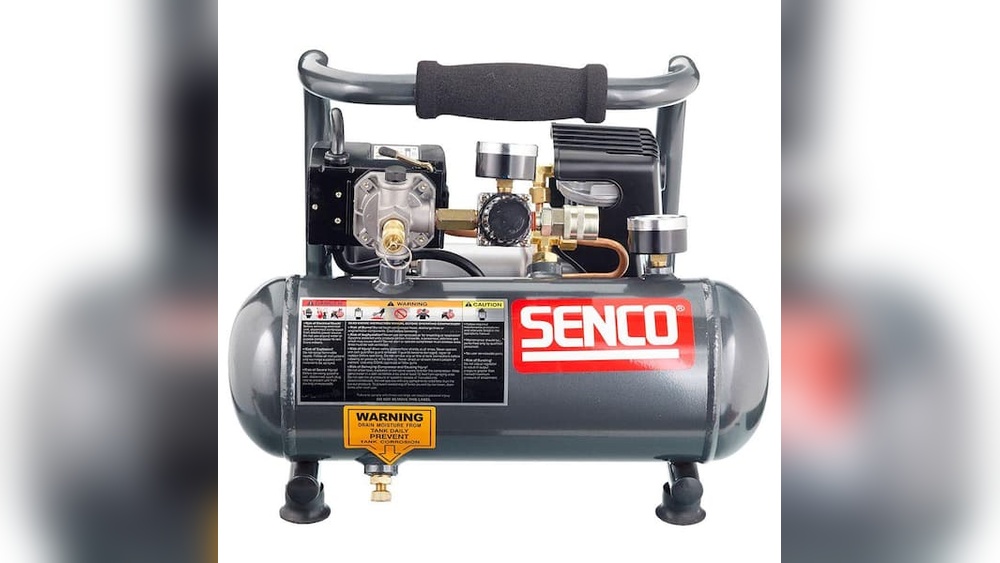
| 1-Gallon | $70–$130 | California Air Tools, Senco |
| 2-Gallon | $100–$200 | Makita, Bostitch, Porter-Cable |
Note: Prices can change based on features like noise level, oil-free pumps, and included accessories.
Portability And Storage
If you need to carry your compressor up stairs, into attics, or fit it in a small car, portability is key.
- 1-gallon compressors are often as small as a toaster. Some models even have a built-in handle.
- 2-gallon compressors may need two hands or a rolling cart but can still fit in most car trunks.
Practical tip: Before buying, check the exact weight and handle design. Some 2-gallon models are just as easy to move as 1-gallon units, thanks to good handles or wheels.
Maintenance Differences
Both sizes are low-maintenance, but a few points stand out:
- Oil-free compressors (common in both 1- and 2-gallon) don’t need oil changes.
- Drain the tank regularly to avoid water build-up, which can rust the tank.
- Check the air filter every few months, especially if you use the compressor in dusty places.
One common mistake is forgetting to release the air after use. Always empty the tank to prevent moisture problems.
Noise Level: What To Expect
Small compressors are often used indoors. Noise can be an issue.
- 1-gallon compressors: Some models are as quiet as 56 decibels (like a normal conversation).
- 2-gallon compressors: Usually 60–70 decibels, which is still reasonable for indoor use.
Tip: Look for “quiet” or “ultra-quiet” in the product name if noise is a concern.
Accessories And Add-ons
Both 1-gallon and 2-gallon compressors often come with useful accessories:
- Tire inflator nozzles
- Blower tips
- Air hoses
- Quick-connect couplers
But the included accessories are usually basic. For better hoses or professional nail guns, plan to buy them separately.
Credit: www.hfhacks.com
Safety Tips For Beginners
Using air compressors safely is simple, but don’t skip these basics:
- Read the manual for your specific model.
- Never exceed the maximum PSI marked on your tank.
- Wear eye protection when using air tools.
- Keep cords tidy to avoid tripping.
- Drain the tank after every use.
Where To Buy
You’ll find 1- and 2-gallon compressors at hardware stores, home improvement chains, and online. Compare brands and read user reviews before buying. For more technical details on air compressors, check the Wikipedia page on air compressors.
Frequently Asked Questions
What Is The Main Difference Between A 1-gallon And 2-gallon Air Compressor?
The main difference is tank size—a 2-gallon compressor holds twice as much air, so you get longer use between refills. It also usually provides more airflow (CFM), making it better for small air tools and projects.
Can I Use A 1-gallon Air Compressor For Nail Guns?
Yes, but only for light-duty nail guns like brad nailers and for short bursts. You’ll need to pause often to let the compressor refill. For finish nailers or longer jobs, a 2-gallon is better.
Is A 2-gallon Air Compressor Good For Car Tires?
Absolutely. Both sizes can fill car tires, but a 2-gallon will do it a bit faster, especially if you’re inflating multiple tires or larger SUV/truck tires.
Are These Compressors Safe To Use Indoors?
Yes, most small compressors are designed for indoor use. Look for “quiet” models if noise is a concern. Always follow safety guidelines and use the compressor in a well-ventilated area.
How Long Do Small Air Compressors Last?
With regular maintenance (draining the tank, checking filters), both 1-gallon and 2-gallon compressors can last several years. Oil-free models often require less care, but always check the manual for your specific brand.
—
Choosing between a 1-gallon and 2-gallon air compressor is about balancing portability, power, and price. If you need something ultra-light for simple tasks, go with 1 gallon. For more tool power and less waiting, 2 gallons is worth the extra size. Consider your most common projects and remember: the right tool saves time and frustration in the long run.