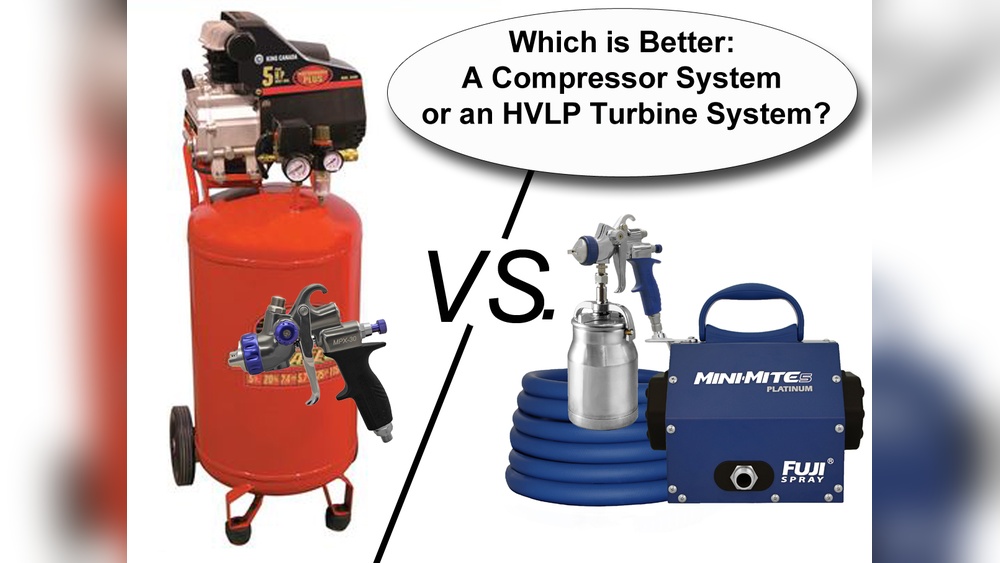
Are you trying to decide between an HVLP turbine and an air compressor for your painting projects? Choosing the right tool can make a huge difference in the quality of your work and how smoothly the job goes.
You might be wondering which one gives you better control, saves you money, or fits your workspace best. This article will break down the key differences, benefits, and drawbacks of each option. By the end, you’ll feel confident about making the choice that suits your needs perfectly.
Keep reading to discover which tool will take your painting to the next level.

Credit: www.youtube.com
Hvlp Turbine Basics
HVLP turbines are popular tools for painting and finishing work. They help spray paint evenly and reduce waste. These turbines use low pressure to move paint smoothly onto surfaces. Understanding how they work and their features helps you choose the right tool for your job.
HVLP turbines are different from air compressors. They offer better control and less overspray. This makes them ideal for detailed and delicate painting tasks. Let’s explore how these turbines operate and what makes them unique.
How Hvlp Turbines Work
HVLP turbines use a turbine motor to create airflow. This airflow moves paint from the cup to the spray gun. The paint sprays out at low pressure. This lowers paint waste and gives a smooth finish. The turbine motor runs quietly and uses less electricity than compressors.
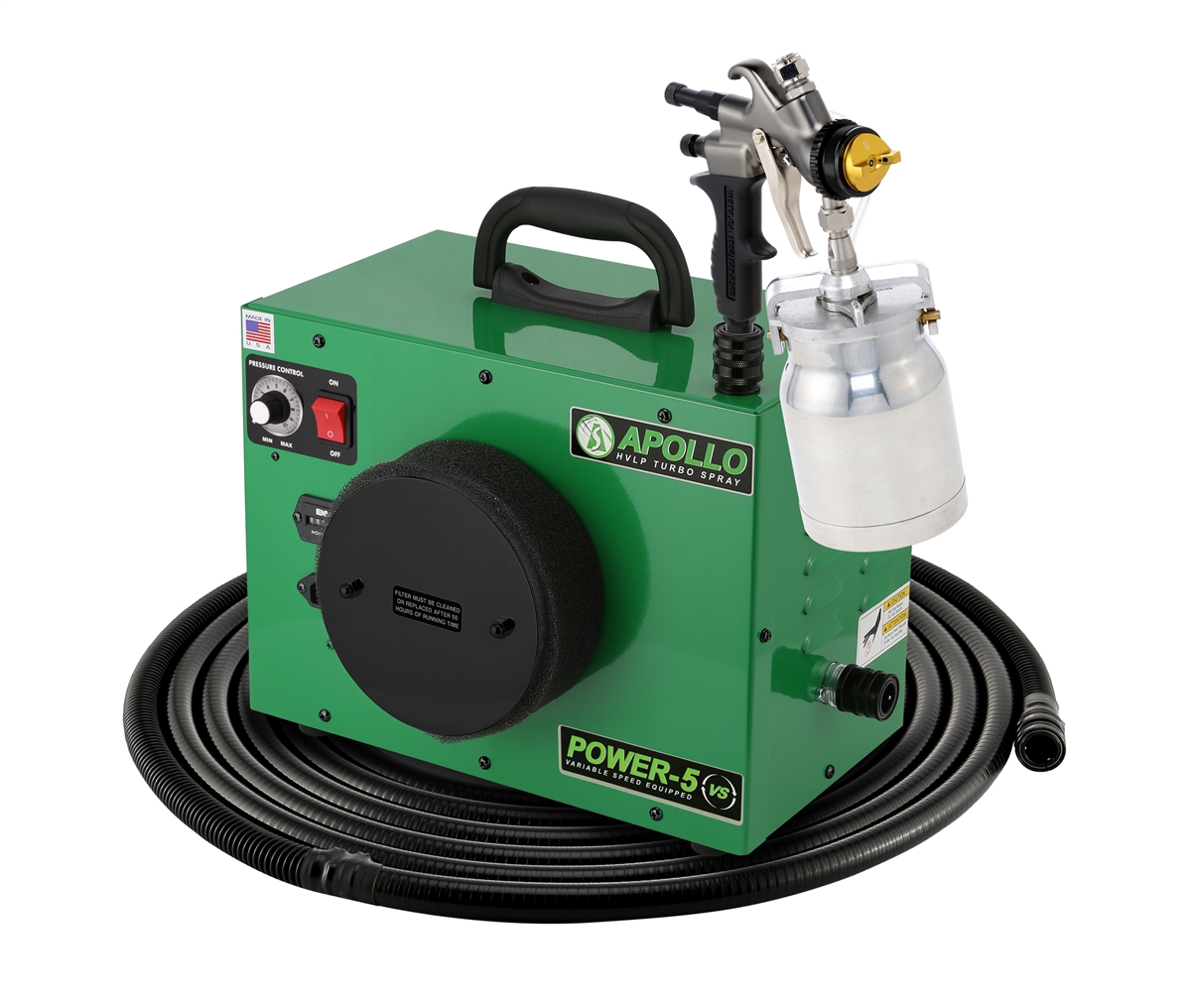
The system includes a turbine unit and a hose connecting to the spray gun. The turbine pulls air through a filter to keep it clean. This clean air helps paint flow evenly. The low pressure spray reduces paint mist in the air, making it safer to use indoors.
Key Features Of Hvlp Turbines
HVLP turbines are lightweight and easy to move. This makes them good for small jobs and detailed work. They have adjustable pressure settings to control spray flow. This control helps avoid paint runs and uneven coats.
These turbines also produce less noise compared to air compressors. They use less air volume, making them energy efficient. Most models come with easy-to-clean filters. This keeps the system running smoothly for a long time.
Credit: www.paintsprayersplus.com
Air Compressor Essentials
Air compressors are common tools in many painting projects. They push air to spray paint evenly. This makes painting faster and smoother. Understanding how air compressors work helps choose the right one.
Different types of air compressors suit different spraying needs. Knowing the basics helps pick the best tool for your job.
Functioning Of Air Compressors
An air compressor pulls in air from the room. It then squeezes the air into a small space. This increases the air pressure inside the tank. The high-pressure air sprays paint from the gun. This pressure controls the paint flow and finish. A steady air stream means a smooth paint coat.
Types Of Air Compressors For Spraying
Two main types exist: piston and turbine compressors. Piston compressors use pistons to compress air. They are strong and good for heavy work. Turbine compressors use a spinning fan to move air. They work quietly and offer smooth airflow. Each type fits different painting tasks and budgets.
Performance Comparison
Performance is key when choosing between an HVLP turbine and an air compressor. Both tools deliver paint, but their results differ. Understanding these differences helps you pick the best for your project.
Each tool uses air differently to spray paint. This affects the finish and how well materials are used. Let’s explore these areas in detail.
Spray Quality And Finish
HVLP turbines produce a softer, more controlled spray. They reduce paint overspray and give a smooth finish. This makes them ideal for fine detail work and furniture.
Air compressors offer a stronger spray with more power. They can cover large surfaces quickly. The finish may be less even but works well for big jobs.
Efficiency And Material Usage
HVLP turbines use air gently, which lowers paint waste. They spray paint at low pressure, saving materials. This makes them more efficient for small to medium projects.
Air compressors use high pressure to force paint out fast. They can waste more paint due to overspray. These machines suit large tasks where speed matters most.
Portability And Setup
Portability and setup are key factors when choosing between an HVLP turbine and an air compressor. These features affect how easily you can move and start using the equipment. They also influence your overall experience during painting projects. Understanding these aspects helps in selecting the right tool for your needs.
Ease Of Transport
HVLP turbines are usually compact and lightweight. Most models have built-in handles or wheels. This makes carrying them from place to place simple. Air compressors tend to be heavier and bulkier. They often require more effort to move, especially larger units. Transporting an air compressor may need extra help or a vehicle.
Setup Time And Convenience
HVLP turbines have quick and easy setup. They come as a single unit with fewer parts to connect. This lets you start painting faster. Air compressors require more steps before use. You must connect hoses, adjust pressure, and check fittings. The setup process can take longer and feel more complex. HVLP turbines offer a more straightforward and hassle-free start.
Maintenance And Durability
Maintenance and durability are key factors when choosing between an HVLP turbine and an air compressor. Both tools need care to work well. Understanding their routine care and lifespan helps you make the right choice.
Routine Care Requirements
HVLP turbines need regular cleaning of filters and air passages. This prevents clogs and keeps airflow smooth. Check the turbine’s fan and motor for dust build-up. Wipe the exterior with a soft cloth after use.
Air compressors require oil changes if they are oil-lubricated. Drain the air tanks often to remove moisture. Inspect hoses and fittings for leaks or cracks. Clean or replace air filters to maintain pressure.
Longevity And Reliability
HVLP turbines last longer with proper filter care and gentle handling. They have fewer parts to wear out compared to compressors. Turbines work well for fine finishes and frequent small jobs.
Air compressors are strong and can last many years. Proper oil and moisture management extends their life. They handle bigger jobs but may need more repairs over time. Choose based on how often and what you spray.
Cost And Value
Cost and value play a big role in choosing between an HVLP turbine and an air compressor. Both tools serve similar purposes but differ in price and long-term expenses. Understanding these differences helps you pick the best option for your needs and budget.
Initial Investment
HVLP turbines usually cost more upfront than air compressors. The turbine system includes a built-in fan and motor, which raises the price. Air compressors are often cheaper to buy, especially smaller models. Yet, the cost depends on the brand and power of the equipment. Investing in a turbine may save money on extra parts later. Air compressors might need more accessories to work well with spray guns.
Operating Costs Over Time
HVLP turbines typically use less electricity than air compressors. They run quietly and need less power to keep steady air pressure. Air compressors consume more energy and may require more maintenance. They can also be louder, which might lead to extra costs in noise reduction. Turbines often have fewer parts that wear out quickly. Air compressors might need regular oil changes and filter replacements. These factors affect the total cost of ownership over time.
Best Use Cases
Choosing between an HVLP turbine and an air compressor depends on the task at hand. Both tools serve different painting needs. Understanding their best use cases helps pick the right one for your projects. This section explains where each tool performs best.
Ideal Projects For Hvlp Turbines
HVLP turbines work well for detailed and delicate painting jobs. They provide a smooth finish with less overspray. Small to medium woodworking projects, furniture, and cabinets benefit from HVLP turbines. These turbines control paint flow precisely, making them ideal for fine finishes. They suit indoor use where ventilation is limited. HVLP turbines also use less paint, reducing waste and mess.
When To Choose Air Compressors
Air compressors suit larger projects requiring more power and volume. They handle heavy-duty tasks like painting cars, fences, or large walls. These compressors support various air tools, adding versatility. Outdoors or well-ventilated spaces are perfect for air compressors. They deliver high pressure, ensuring fast and even coverage. Air compressors work best when speed and volume are priorities.
Common Mistakes To Avoid
Choosing between an HVLP turbine and an air compressor can be tricky. Many beginners make common mistakes that affect their results and equipment life. Avoiding these errors saves time and money. It also ensures better painting or spraying outcomes. Below are key mistakes to watch out for when using these tools.
Using The Wrong Pressure Setting
Each tool needs a specific pressure for best results. Setting too high pressure wastes paint and causes runs. Too low pressure leads to uneven coverage and poor finish. Always check the manufacturer’s recommended pressure for your model.
Ignoring Proper Maintenance
Both turbines and compressors need regular cleaning and care. Skipping maintenance causes clogs and reduces tool life. Clean filters and nozzles after each use. Check hoses for leaks or damage often.
Choosing The Wrong Type Of Paint
Not all paints work well with turbines or compressors. Thick paints may clog the system or spray unevenly. Use paint recommended for your specific tool. Thin the paint if needed but follow instructions carefully.
Using Incorrect Spray Techniques
Holding the spray gun too far or too close affects the finish. Move the gun at a steady speed and distance. Practice on scrap material before starting your project to improve your technique.
Neglecting Safety Precautions
Ignoring safety rules risks injury and damage. Always wear a mask and goggles to protect yourself. Work in a well-ventilated area to avoid inhaling fumes. Follow all safety guidelines provided by the tool maker.

Credit: www.youtube.com
Frequently Asked Questions
What Are The Main Differences Between Hvlp Turbine And Air Compressor?
HVLP turbines use a turbine motor for airflow, offering portability and quieter operation. Air compressors rely on compressed air, providing higher pressure and versatility for various spray guns. Each suits different painting needs based on power, noise, and mobility preferences.
Which Is Better For Automotive Painting, Hvlp Turbine Or Air Compressor?
HVLP turbines are preferred for automotive painting due to their consistent airflow and lower overspray. Air compressors offer more power but may create more overspray and noise. HVLP turbines provide finer control, making them ideal for detailed car painting jobs.
How Does The Cost Compare Between Hvlp Turbine And Air Compressor?
HVLP turbines typically cost more upfront due to their specialized design. Air compressors vary widely in price but can be more affordable initially. Long-term, HVLP turbines may save money through less paint waste and lower energy consumption.
Can Hvlp Turbines Handle Large Painting Projects Effectively?
HVLP turbines excel in precision work but may struggle with very large projects. Air compressors provide continuous, higher pressure airflow, better suited for large-scale painting. For big jobs, air compressors often offer more efficiency and faster coverage.
Conclusion
Choosing between an HVLP turbine and an air compressor depends on your needs. HVLP turbines offer better control and less overspray. Air compressors provide higher power and can handle larger jobs. Both tools have strengths for different painting tasks. Consider your budget, project size, and skill level.
This helps pick the right tool easily. Understanding these basics makes your painting work smoother. Try to match your choice with your specific project goals. This way, you get the best results every time.