
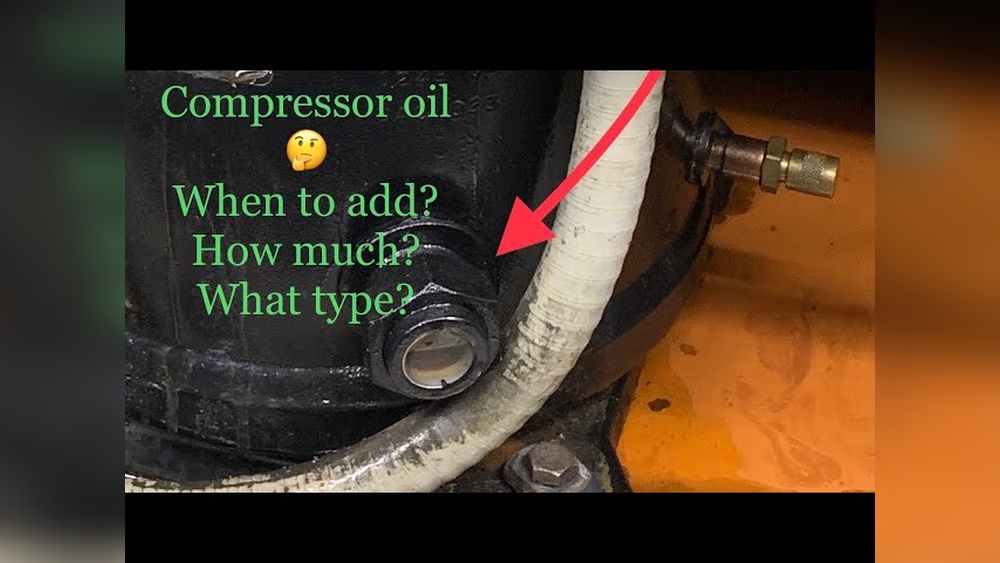
Checking the oil level in your air conditioner compressor may sound like a job for a professional, but with the right steps, anyone can do it safely and accurately. The compressor is the heart of your AC system. It keeps the refrigerant moving and helps your unit cool your home.
If the compressor oil is too low or dirty, your air conditioner can become noisy, inefficient, or even break down. In this guide, you’ll learn why oil levels matter, how to check them properly, and how to avoid common mistakes that could damage your AC.
Why Oil Level Matters In An Ac Compressor
The compressor oil lubricates moving parts inside the AC compressor. This oil keeps the unit running smoothly and prevents metal parts from grinding against each other. If the oil level drops too low, the compressor can overheat or seize up. Too much oil can also be a problem, as it may cause poor cooling and damage other components.
Many people overlook this small but crucial detail. Regularly checking and maintaining the right oil level can extend the life of your air conditioner and save you expensive repairs.
Types Of Air Conditioner Compressors
Before you start, it’s important to know which compressor type you have. Different compressors use different oil types and checking methods.
| Compressor Type | Common Uses | Oil Type |
|---|---|---|
| Reciprocating | Home split AC, window units | Mineral oil |
| Scroll | Central air, commercial AC | Polyolester (POE) oil |
| Rotary | Portable AC, small split units | Alkylbenzene oil |
| Screw | Large commercial/industrial | Synthetic oil |
Knowing your compressor type helps you choose the correct oil and checking method. Check your AC manual or the label on the compressor for this information.
Tools And Safety Precautions
Checking the oil level in an air conditioner compressor isn’t as simple as checking your car’s oil. It often involves working with pressurized systems and electrical parts. You’ll need:
- Protective gloves and eyewear
- Screwdriver set
- Wrench set
- Oil sight glass or dipstick (if your compressor has one)
- Flashlight
- Multimeter (to check for electrical safety)
- AC system manual (for specific instructions)
Always turn off the power to your air conditioner before opening any panels. Wait for the system to cool down to avoid burns or electrical shocks.
Step-by-step Guide: How To Check Oil Level In An Air Conditioner Compressor
1. Switch Off And Isolate The Ac
Before you do anything, turn off the power at the main breaker. This protects you from accidental shocks. Wait at least 10 minutes to let any pressure in the system settle.
2. Locate The Compressor
The compressor is usually found in the outdoor unit of your AC system. Remove the access panel using a screwdriver or wrench. Some systems have a small viewing window (sight glass) or a dipstick to check oil. Others may require more steps.
3. Identify The Oil Checking Method
There are three common ways to check oil level:
- Sight Glass: A small window on the compressor where you can see the oil level.
- Dipstick: Similar to a car’s oil dipstick. Pull it out, clean it, reinsert, and check the level.
- Drain Plug: Some compressors require you to remove a plug and check if oil drips out at a certain level.
If you don’t see any of these, refer to your system manual.
4. Check The Oil Level
Using A Sight Glass
Shine a flashlight on the glass. The oil should be visible and reach the “full” mark. If it’s below, add oil as recommended. If the oil looks milky, dark, or foamy, it may be contaminated and needs changing.
Using A Dipstick
Pull out the dipstick, clean it with a rag, put it back, and pull it out again. The oil should reach the “full” line. If not, you need to add oil.
Using A Drain Plug
Place a container under the drain plug. Loosen the plug slightly. If oil comes out, the level is fine. If not, the oil is low.
5. Add Oil If Needed
If the oil is low:
- Use only the recommended compressor oil.
- Add small amounts and recheck the level.
- Avoid overfilling, as this can also harm your system.
6. Inspect Oil Quality
Oil that looks burnt, gritty, or foamy signals a bigger problem. This may mean refrigerant leaks, water contamination, or compressor damage. In these cases, call a professional for a full inspection.
7. Reassemble And Restore Power
Once you’ve checked and topped up the oil, put the access panel back, tighten screws, and turn the power back on. Run your AC for a few minutes to make sure it works smoothly.

Credit: www.rycompressors.com
Signs Of Low Oil In Air Conditioner Compressor
Knowing what to watch for helps you spot oil issues before they become serious. Signs of low oil include:
- Loud knocking or grinding noises
- Frequent compressor cycling
- Reduced cooling efficiency
- Compressor overheating
- Tripped circuit breakers
If you notice any of these, check your oil level as soon as possible.
How Often Should You Check Compressor Oil?
For home air conditioners, check the oil level every 6 to 12 months. For commercial systems, check every 3 to 6 months. If your AC runs in a dusty or humid environment, check more often.
Common Mistakes To Avoid
Many beginners make errors that can damage their AC compressor. Here are some pitfalls to avoid:
- Using the wrong oil: Always match the oil type to your compressor.
- Overfilling oil: Too much oil can reduce cooling and damage parts.
- Checking oil with power on: This is dangerous and can give false readings.
- Ignoring oil color and smell: Strange colors or odors may show contamination.
- Skipping oil changes: Old oil loses its lubricating power.
Special Considerations For Different Ac Systems
Split Ac Units
Most split air conditioners use sealed compressors. That means you may not have access to check the oil directly. Watch for signs of oil leaks (stains under the outdoor unit), and call a technician if you suspect a problem.
Window And Portable Ac Units
These often use small rotary compressors. They’re usually factory-sealed and not designed for oil checks. If your unit is noisy or not cooling, a professional inspection is best.
Central And Commercial Ac
Larger systems often have a sight glass or service port. Regular oil checks are essential for these units, especially in heavy use or critical environments.

Credit: www.rycompressors.com
Tools Comparison: Professional Vs. Diy
Here’s a look at the difference between DIY and professional oil checking tools.
| Tool | DIY Use | Professional Use | Cost |
|---|---|---|---|
| Dipstick | Yes | Yes | Low |
| Sight Glass | Yes | Yes | Low |
| Oil Analysis Kit | No | Yes | Medium |
| Electronic Oil Level Sensor | No | Yes | High |
For most homeowners, a dipstick or sight glass is enough. Advanced tools are mainly for commercial AC technicians.
What To Do If Oil Level Is Abnormal
If you find too little or too much oil, or the oil is dirty, take these steps:
- Low oil: Add the recommended oil type, but check for leaks.
- High oil: Remove excess oil; too much can cause pressure issues.
- Dirty oil: Change the oil and check for contamination sources.
If you’re unsure, it’s safer to call a qualified technician. Mistakes can harm your compressor and void the warranty.
When To Call A Professional
Some situations are best handled by experts:
- No oil check port: Many sealed compressors can only be serviced by professionals.
- Frequent oil problems: Repeated low oil may signal leaks or bigger issues.
- Oil contaminated with refrigerant or water: This needs special handling and system flushing.
- Unusual noises after oil check: If your AC sounds strange, stop using it and get help.
A trained technician has the right tools, training, and can spot problems you might miss.
How Oil Level Affects Energy Efficiency
Maintaining the right oil level can improve your AC’s efficiency by up to 10-15%. A well-lubricated compressor uses less energy and cools faster. Dirty or low oil forces the compressor to work harder, raising your energy bills.

Credit: www.youtube.com
Environmental And Safety Concerns
Never pour used compressor oil down the drain. Used oil can harm water supplies and the environment. Take old oil to a recycling center or hazardous waste collection site.
Real-world Example
Sarah, a homeowner in Texas, noticed her energy bills rising and her AC making a grinding noise. She checked the oil level and found it was almost empty. After adding the correct oil, the noise stopped and her AC cooled better.
If she hadn’t checked, her compressor could have failed, costing $1,500 or more to replace.
Oil Types For Different Refrigerants
The refrigerant your AC uses also affects the oil type. For example, R-22 systems often use mineral oil, while newer R-410A systems use POE oil. Using the wrong oil can cause chemical reactions that damage your system.
| Refrigerant | Compatible Oil Type | Common Application |
|---|---|---|
| R-22 | Mineral Oil | Older AC units |
| R-410A | POE Oil | Modern split/central AC |
| R-134a | PAG Oil | Automotive AC |
Always check your system’s label or manual before adding oil.
Advanced Tips And Insights
- Oil and refrigerant leaks often happen together. If you see oil stains near connections, check for refrigerant leaks too.
- Compressor oil doesn’t evaporate easily. If oil is low, it usually means there’s a leak or the system was undercharged during installation.
- Sight glass bubbles: If you see bubbles in the sight glass, this usually signals a low refrigerant charge, not oil. Don’t confuse the two.
Frequently Asked Questions
How Do I Know If My Air Conditioner Compressor Is Low On Oil?
Look for signs like unusual noises, overheating, or reduced cooling. The most accurate way is to use the sight glass, dipstick, or drain plug on your compressor.
Can I Use Car Oil In My Ac Compressor?
No. Compressor oil is different from car engine oil. Always use the oil type recommended for your AC compressor and refrigerant.
What Happens If I Overfill The Compressor With Oil?
Too much oil can cause high pressure, poor cooling, and possible damage to other AC parts. Only fill to the recommended level.
How Often Should I Change Compressor Oil?
For home AC, change oil every 2 to 3 years, or if you see contamination. Commercial units may need more frequent changes, depending on use.
Where Can I Learn More About Ac Compressor Maintenance?
You can find detailed guides at Wikipedia – Air Conditioning or consult your AC manufacturer’s website for model-specific advice.
Maintaining the right oil level in your air conditioner compressor helps your system run efficiently, reduces breakdowns, and saves you money in the long run. With the steps and tips above, you can confidently check and manage your compressor oil like a pro.