
How Often To Change Air Compressor Oil
Many people use air compressors at home and in businesses. These machines help power tools, paint cars, inflate tires, and even run factory equipment. But to keep an air compressor working well, you need to take care of it. One important part of this care is changing the oil.
Many users are not sure how often they should change the oil, or even why it is so important. If you wait too long, you risk damaging the compressor. If you change it too often, you waste time and money.
This article will explain exactly how often you should change air compressor oil, what factors affect the schedule, and how to do it right. You will also learn signs of old oil, mistakes to avoid, and tips to make your air compressor last longer.
Whether you use a small compressor in your garage or a big one for business, these steps will help you get the most from your machine.
Why Air Compressor Oil Matters
Oil in an air compressor is not just for keeping things moving. It has several important jobs:
- Lubrication: Oil reduces friction between moving parts.
- Cooling: Oil helps remove heat from the compressor.
- Sealing: Oil helps create a seal between the piston and cylinder, making compression more efficient.
- Protection: Oil prevents rust and cleans away small bits of dirt and metal.
Without good oil, your air compressor will wear out quickly. Parts can get hot, grind together, or even break. Poor oil also means your compressor will use more energy and may not work as well.
Main Types Of Air Compressor Oil
Not all air compressors use the same oil. There are two main types:
- Mineral oil: This is regular oil made from crude oil. It works well for many small and medium compressors. It is cheaper but does not last as long.
- Synthetic oil: This oil is made in a lab. It can handle higher temperatures and lasts longer. It costs more but gives better protection, especially for heavy use.
Some compressors use special oils designed by the manufacturer. Always check the user manual before buying oil.
Oil-free Compressors
Some small compressors are called “oil-free. ” This means they use special materials or a different design, so you never need to add or change oil. If you have an oil-free compressor, you can skip oil changes—but you still need to do other maintenance.
How Often To Change Air Compressor Oil
The main question is: how often should you change the oil? The answer depends on several factors.
Standard Guidelines
Most experts and manufacturers give these general rules:
- Reciprocating (piston) compressors: Change the oil every 3 months or every 500 running hours, whichever comes first.
- Rotary screw compressors: Change the oil every 1,000 to 2,000 running hours.
- Heavy-duty or continuous-use: Change oil more often, sometimes every month.
Always check your compressor’s manual. Some brands recommend shorter or longer intervals.
Example Oil Change Schedules
Here is a quick comparison for the most common air compressor types:
| Compressor Type | Oil Change Interval |
|---|---|
| Reciprocating (Piston) | Every 3 months or 500 hours |
| Rotary Screw | Every 1,000–2,000 hours |
| Oil-Free | No oil change needed |
What Affects Oil Change Frequency?
Not every compressor or workplace is the same. Here are key factors that can change how often you need to replace oil:
- Usage: Compressors used every day need more oil changes than ones used once a week.
- Duty cycle: If your compressor runs for long periods without stopping, oil breaks down faster.
- Air temperature: Hotter air means the oil gets hot and wears out faster.
- Humidity and dust: Dirty or wet air brings more dirt into the oil, so you need to change it more often.
- Type of oil: Synthetic oil lasts longer than mineral oil.
Real-life Example
A small garage compressor, used twice a week for short jobs, might only need oil changed every 6–12 months. A factory compressor running all day could need new oil every month.
Signs Your Air Compressor Needs Oil Change
Sometimes you need to change oil sooner than the schedule. Watch for these signs:
- Oil looks dark or dirty: Fresh oil is light in color. Dirty oil means it is full of particles and worn out.
- You see metal shavings in the oil: This is a sign parts are wearing down.
- Compressor is louder than usual: Old oil does not lubricate well.
- Compressor runs hotter: This means oil is not cooling the system well.
- Performance drops: Less air output or longer recovery times can mean oil is bad.
If you see any of these, change the oil even if you have not reached the time or hour mark.
How To Change Air Compressor Oil: Step-by-step
Changing oil in an air compressor is not hard, but it must be done correctly. Here’s a simple guide:
- Turn off and unplug the compressor. Safety first.
- Let the compressor cool. Hot oil can burn you.
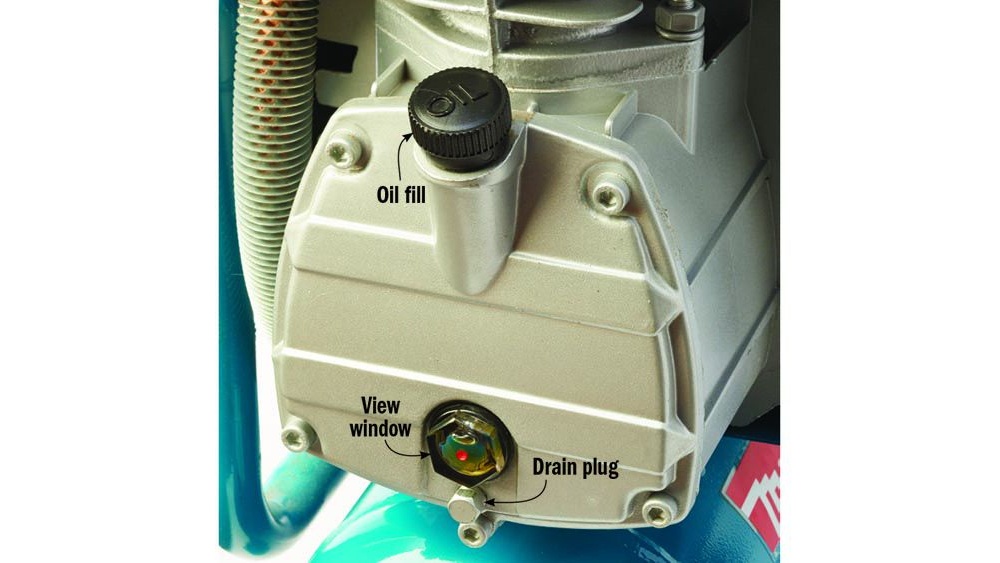
- Find the oil fill and drain plugs. These are usually near the bottom and side of the compressor pump.
- Drain the old oil. Place a container under the drain plug. Remove the plug and let oil flow out completely.
- Check the old oil. Look for metal bits, sludge, or a burnt smell.
- Replace the drain plug. Tighten it securely.
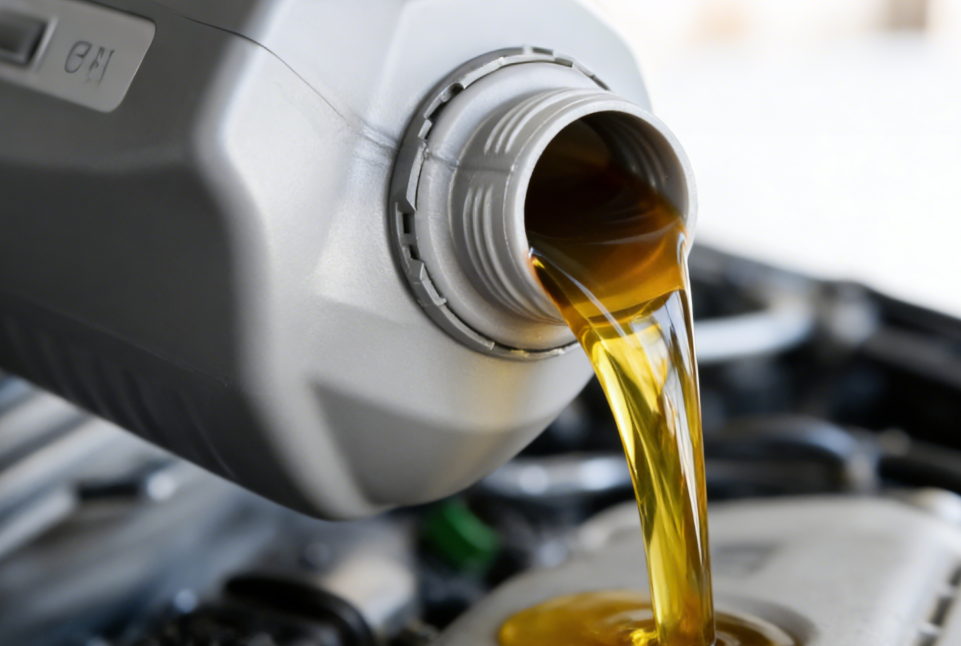
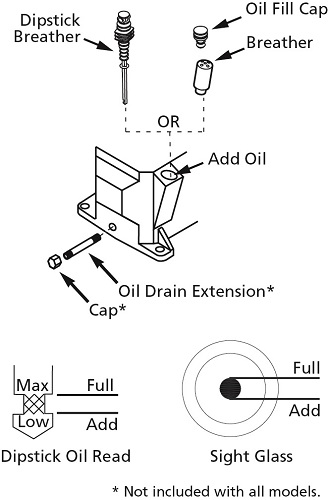
- Add new oil. Use a funnel and add the right type and amount. Do not overfill.
- Check for leaks. Wipe away spills and check for drips.
- Run the compressor for a few minutes. Then check the oil level again and top up if needed.
Quick Safety Tips
- Always use the correct oil type.
- Wear gloves to avoid contact with used oil.
- Dispose of old oil at a recycling center—never pour it down the drain.
Typical Oil Quantities
Most small compressors use about 8 to 16 ounces of oil. Larger industrial compressors may need several quarts. Always check your manual for the exact amount.
What Happens If You Don’t Change The Oil?
Many people ignore oil changes, thinking the compressor will be fine. This is a big mistake. Old oil causes:
- Higher wear and tear: Parts grind together, causing damage.
- Heat buildup: The compressor can overheat and fail.
- Lower efficiency: You get less airflow and higher energy bills.
- Shorter compressor life: You may need expensive repairs or a full replacement.
Some users have learned the hard way: skipping oil changes can destroy a compressor in less than a year under heavy use.
Common Mistakes When Changing Compressor Oil
Even experienced users make errors. Here are mistakes to avoid:
- Wrong oil type: Using motor oil instead of compressor oil can damage seals and parts.
- Overfilling: Too much oil can cause leaks or foam, reducing lubrication.
- Underfilling: Too little oil means poor protection.
- Not cleaning the area: Dirt can fall into the oil fill hole.
- Forgetting to check for leaks: Leaks waste oil and can create a mess.
Credit: mncompressor.com
Comparing Oil Change Intervals: Real-world Brands
Let’s see how top air compressor brands recommend changing oil:
| Brand | Recommended Oil Change Interval | Notes |
|---|---|---|
| Ingersoll Rand | Every 2,000 hours | For synthetic rotary screw oil |
| Campbell Hausfeld | Every 3 months or 300 hours | Piston compressors |
| Quincy | Every 1,000–2,000 hours | Depends on oil type |
| Dewalt | Every 6 months | Light-use models |
Notice that intervals vary a lot. Always check your own model’s guide.
Advanced Tips For Longer Compressor Life
If you want your air compressor to last for years, try these expert strategies:
- Change oil more often in dirty or humid areas. Dust and water shorten oil life.
- Keep a maintenance log. Write down each oil change. This prevents missed changes.
- Use synthetic oil for frequent or heavy use. It costs more but protects much better.
- Replace the oil filter, if your compressor has one, at the same time as oil.
- Check oil level monthly, even if you do not plan to change it. Small leaks can lower the level fast.
Non-obvious Insights
Many beginners do not realize that short run times can also cause oil trouble. If you start your compressor for only a few minutes at a time, water can build up inside. This mixes with the oil and causes rust. Running the compressor longer each time helps boil off water.
Another thing most people miss: using the wrong oil voids the warranty on many compressors. Always save your oil receipts and write down what oil you used.
Credit: www.campbellhausfeld.com
Environmental And Safety Considerations
Used compressor oil is hazardous waste. Never pour it in the trash, on the ground, or down the drain. Collect used oil in a sealed container and take it to a recycling center or auto shop that accepts used oil.
Some cities have special collection days for oil and filters.
If you spill oil, clean it up right away with absorbent pads or kitty litter. Wash your hands after handling used oil.
How To Choose The Right Air Compressor Oil
Picking the right oil is almost as important as changing it often. Here’s what to look for:
- Check your manual first. The manufacturer knows best.
- Look for oils labeled “air compressor oil”. Do not use car engine oil unless the manual says it is okay.
- Synthetic oil is better for extreme heat, cold, or nonstop use.
- Non-detergent oils are usually best—detergent oils can make too much foam in compressors.
- Right viscosity: Most compressors use SAE 20 or 30 weight. Thinner oil for cold, thicker for hot climates.
If you are not sure, ask a professional or your local supplier.
Credit: www.quincycompressor.com
Frequently Asked Questions
How Do I Know If My Air Compressor Needs An Oil Change?
Watch for dirty or dark oil, louder noises, overheating, or lower performance. You can also check the running hours since the last oil change. When in doubt, follow the schedule in your manual.
Can I Use Motor Oil In My Air Compressor?
Most of the time, motor oil is not recommended. It has detergents that can cause foam and damage seals. Always use oil made for air compressors unless your manual says otherwise.
What Happens If I Overfill My Air Compressor With Oil?
Too much oil can cause leaks, foaming, and poor performance. It may even damage internal parts. Always fill only to the line or the amount listed in your manual.
Is Synthetic Oil Worth The Extra Cost For My Air Compressor?
Synthetic oil lasts longer and works better in tough conditions. If you use your compressor a lot or in hot areas, synthetic oil is often worth the money.
Where Can I Dispose Of Used Air Compressor Oil Safely?
Take used oil to a recycling center, auto parts store, or a local hazardous waste collection site. Never pour it down the drain or in the trash. For more information, visit the EPA’s used oil management page.
Taking care of your air compressor’s oil is simple but powerful. Regular oil changes save money, time, and stress. With the right habits, your compressor can work smoothly for many years.