Are you unsure about which air compressor size is right for your needs? Choosing the right gallon capacity can make a big difference in how well your tools work and how smoothly your projects go.
Picking too small a tank means your compressor might run constantly, while a tank that’s too big could waste money and take up extra space. You’ll discover exactly how many gallons your air compressor should have, based on the tasks you want to tackle.
Keep reading to find the perfect match for your work and avoid costly mistakes.

Credit: www.youtube.com
Air Compressor Basics
An air compressor is a tool that stores and releases air. It powers many machines and tools. Knowing the basics helps you choose the right size and type. This section explains how air compressors work and what they do.
Types Of Air Compressors
There are two main types of air compressors: piston and rotary. Piston compressors use a pump with pistons to push air. Rotary compressors use rotating parts to move air. Each type has small and large models. Portable and stationary versions exist for different uses.
How Air Compressors Work
An air compressor pulls in air from the environment. It then squeezes the air to increase pressure. This pressurized air is stored in a tank. The tank holds air until a tool needs it. When you turn on a tool, the air flows out fast.
Common Uses For Air Compressors
Air compressors power many tools and machines. They fill tires, spray paint, and run nail guns. They also clean surfaces with strong air blasts. Many workshops and factories use them for different tasks. Home users find them useful for small repairs and projects.
Credit: www.compressorpros.com
Gallons And Tank Size
Choosing the right air compressor tank size is important for your projects. Gallon capacity affects how long the compressor runs and how much air it stores. A bigger tank holds more air but also takes up more space. Understanding gallons and tank size helps pick the best tool for your needs.
What Does Gallon Capacity Mean?
Gallon capacity shows how much air the tank holds. It does not mean the power of the compressor. A larger tank stores more air, so it runs longer without refilling. Smaller tanks fill up quickly but may stop often. This number guides you on how long you can work continuously.
Impact Of Tank Size On Performance
Tank size affects how the compressor performs during use. A bigger tank gives steady air for tools that need constant power. It reduces the motor’s on and off cycles. A smaller tank suits quick jobs with less air demand. Choose the right size for your tools and work length.
Matching Compressor Size To Tasks
Choosing the right air compressor size depends on the tasks you plan to do. A compressor that is too small will struggle and waste time. A compressor that is too large will cost more and use more power. Matching the compressor size to your needs saves money and boosts efficiency.
Small Jobs And Portable Compressors
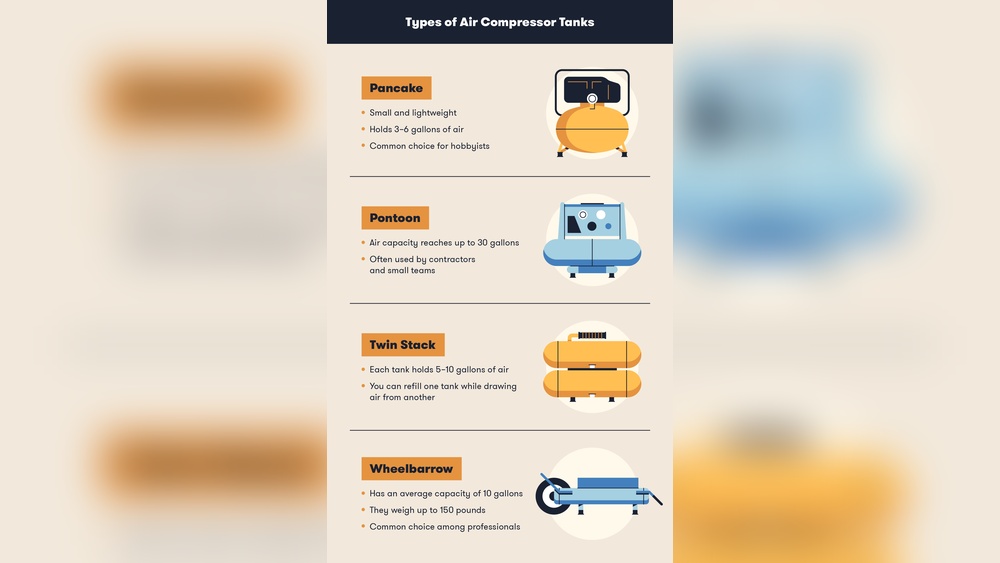
Small jobs need less air and pressure. Tasks like inflating tires, blowing dust, or small nail guns fit here. Portable compressors with tanks under 6 gallons work well. They are light and easy to carry. These compressors start quickly and are great for quick jobs.
Medium-sized Projects
Medium projects require more air and longer running time. Tasks like framing, roofing, or painting use more tools. Compressors with 8 to 20-gallon tanks suit these needs. They provide steady air flow and pressure. These compressors balance power with portability.
Heavy-duty And Industrial Uses
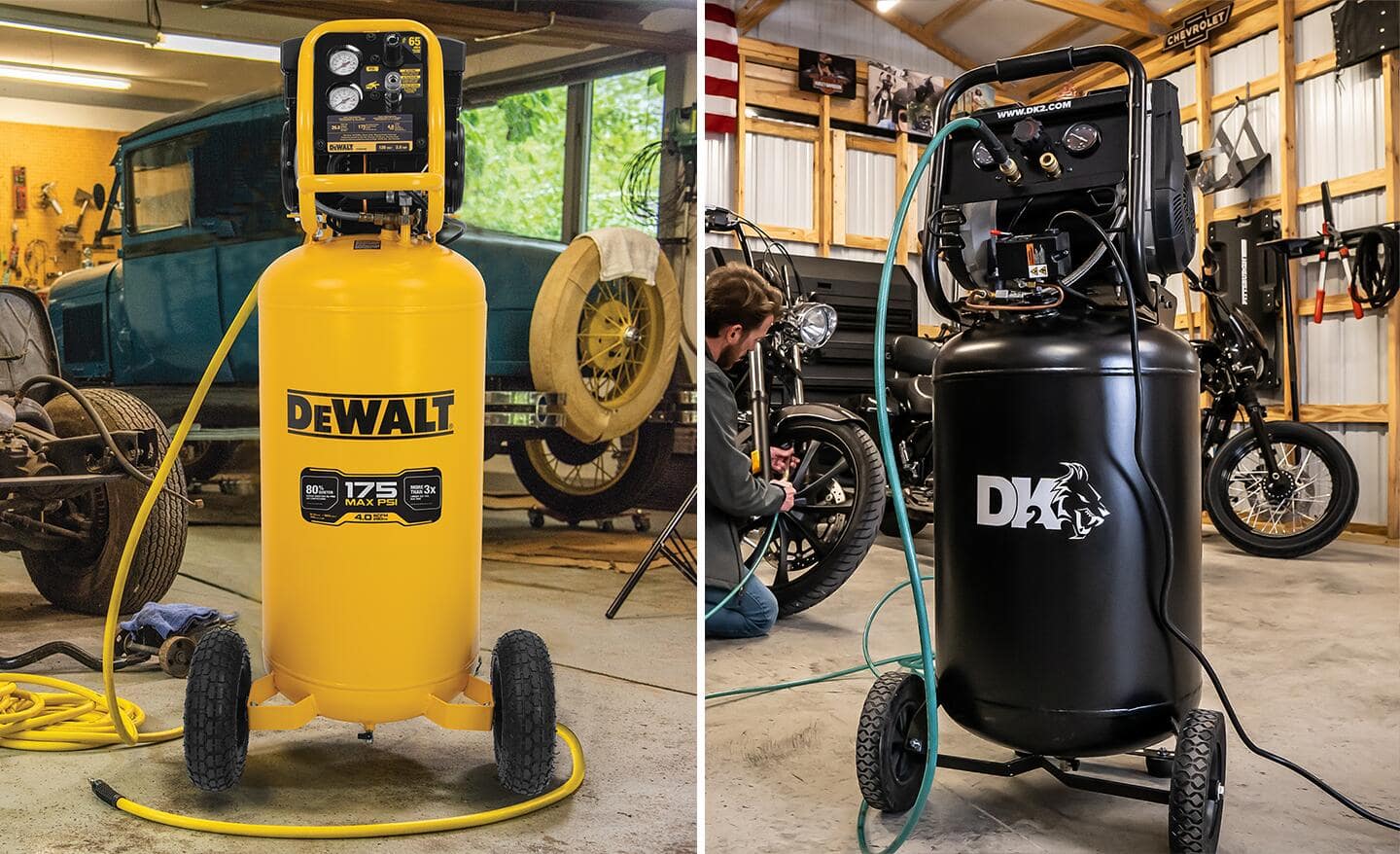
Heavy-duty jobs need powerful compressors with large tanks. Tasks like sandblasting, large spray painting, or running multiple tools fit here. Compressors with tanks over 20 gallons deliver high air volume. They run longer without stopping. These compressors are usually stationary and built for tough work.
Credit: www.homedepot.com
Air Flow And Pressure Requirements
Choosing the right air compressor size depends on understanding air flow and pressure. These two factors decide how well your tools work. Knowing them helps you pick a compressor that fits your needs without wasting money or power.
Cfm And Psi Explained
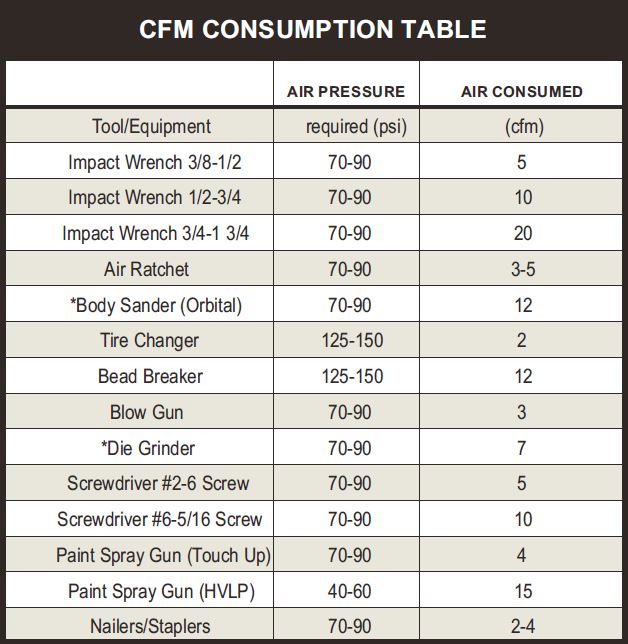
CFM means cubic feet per minute. It shows how much air the compressor delivers. Higher CFM means more air for bigger tools.
PSI stands for pounds per square inch. It measures air pressure. Some tools need high PSI to work well. Others need less.
Both CFM and PSI must match your tool’s needs. Low CFM or PSI can make tools perform poorly.
Calculating Your Air Demand
List all tools you plan to use with the compressor. Check each tool’s CFM and PSI needs.
Add up the CFM of tools you will use at the same time. This total shows your air flow demand.
Pick a compressor with CFM slightly higher than your total demand. It keeps your tools running smoothly.
Make sure the compressor’s PSI matches or exceeds the highest tool requirement. This prevents power loss during use.
Power Source And Portability
Choosing the right air compressor involves more than just tank size. The power source and how easy it is to move the compressor matter a lot. These factors affect where you can use the compressor and how long it will run. Understanding these details helps you pick the best model for your needs.
Electric Vs Gas Compressors
Electric compressors run on electricity. They are quieter and need less maintenance. These compressors work well indoors or near power outlets. They usually have smaller tanks but provide steady power for many tasks.
Gas compressors use gasoline engines. They give more power and work without electricity. These are ideal for outdoor jobs or places without power access. Gas models tend to be louder and require more care. They also have bigger tanks for longer use.
Portability Considerations
Think about where you will use the compressor. If you move it often, choose a lightweight and compact model. Wheels and handles make moving easier. A small tank is easier to carry but fills up quickly.
For jobs in one spot, a larger, heavier compressor works fine. Larger tanks hold more air, so you do not stop often. Balance the size with how often you move it. Portability affects your comfort and work speed.
Budget And Maintenance
Choosing the right air compressor means thinking about your budget and upkeep. These two areas affect how much you spend and how long your compressor lasts. Knowing what costs to expect and how to care for your machine helps avoid surprises. It also keeps your tool running smoothly.
Cost Factors To Consider
Price depends on the size of the tank and power of the motor. Bigger tanks usually cost more but run longer without stopping. Check if the compressor needs extra parts like hoses or fittings. These add to the total cost. Energy use also matters. A compressor that uses less electricity saves money over time.
Maintaining Your Compressor
Regular care keeps your compressor working well. Change the oil if your model uses it. Clean or replace air filters to stop dust buildup. Drain water from the tank often to prevent rust. Check belts and hoses for cracks or wear. Tighten bolts and screws to keep parts secure. Simple steps like these avoid costly repairs later.
Tips For Choosing The Right Compressor
Choosing the right air compressor is important for your projects. Picking the wrong size can cause frustration and extra costs. Use these tips to find the right gallon size for your needs. This helps you avoid buying too small or too large a compressor.
Assessing Your Needs
Start by listing the tools you will use with the compressor. Check the air consumption rate of each tool. This is often shown in cubic feet per minute (CFM). Add up the CFM for all tools you want to run at once.
Look at the pressure needs, measured in pounds per square inch (PSI). Make sure the compressor can provide enough PSI. Also, consider how long you will use the compressor at a stretch. This helps decide tank size.
Future-proofing Your Purchase
Think about future projects and tools you may buy. Choose a compressor with a slightly larger tank to handle bigger jobs. This saves money later by avoiding early upgrades.
Check the compressor’s duty cycle. It shows how long the compressor can run without resting. A higher duty cycle means better performance for longer jobs.
Frequently Asked Questions
What Size Air Compressor Tank Do I Need For Home Use?
For home use, a 6 to 20-gallon tank is usually sufficient. It provides enough air for small tools and moderate tasks. Larger tanks are unnecessary unless you use high-demand equipment regularly. Choose based on your typical project size and tool requirements.
How Does Tank Size Affect Air Compressor Performance?
Tank size affects how long air tools can run continuously. Larger tanks store more air, reducing compressor cycling. This leads to smoother operation and less wear. Smaller tanks fill quickly but may cause frequent compressor starts, which can reduce tool efficiency.
Can I Use A Small Tank For Heavy-duty Air Tools?
Small tanks can power heavy tools briefly but may not sustain long use. Heavy-duty tools need continuous airflow, best supported by tanks 20 gallons or larger. Using a small tank risks tool performance drops and compressor overwork.
What Factors Determine The Right Air Compressor Gallon Size?
Consider tool air consumption, duty cycle, and project duration. High CFM tools need bigger tanks. Frequent or prolonged use requires larger capacity to avoid compressor cycling. Also, consider portability versus stationary use when choosing tank size.
Conclusion
Choosing the right gallon air compressor saves time and effort. Think about your tools and how often you use them. Bigger tanks hold more air but take longer to fill. Smaller tanks work well for quick jobs and light tasks.
Match the compressor size to your needs for best results. This helps your tools run smoothly and last longer. Take your time to decide and make a smart choice. Your projects will go easier with the right compressor size.