Have you ever wondered if your pancake air compressor can blow out your sprinklers? If you’re looking to prepare your irrigation system for winter or clear out clogged sprinkler heads, this question is probably on your mind.
Using the right tool can save you time and prevent costly damage—but using the wrong one might cause more harm than good. You’ll discover exactly how a pancake air compressor works with your sprinklers, what you need to watch out for, and whether it’s the best choice for the job.
Keep reading to make sure you protect your sprinkler system and get the results you want.
Pancake Air Compressor Basics
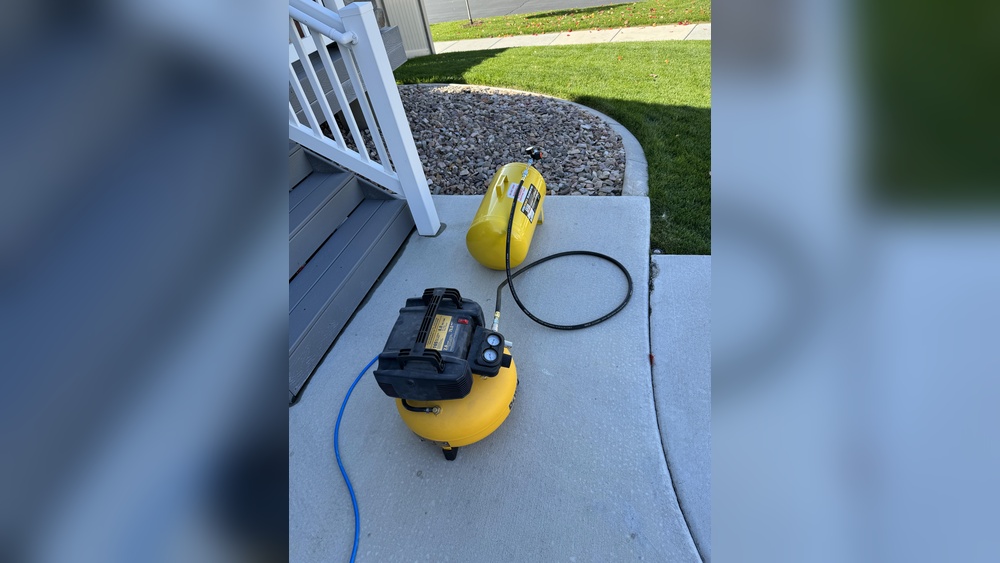
Pancake air compressors are small, portable tools used for many tasks. They store air in a round, flat tank that looks like a pancake. This shape makes them easy to carry and use in tight spaces. They are popular for home projects and light work.
These compressors provide enough air pressure for many jobs. They work quietly and are simple to operate. Understanding their design and common uses helps to see if they can blow out sprinklers effectively.
Design And Features
Pancake air compressors have a round, flat tank. This design keeps the unit stable on floors. Most models have a handle for easy carrying. They run on electricity and have a pressure gauge.
The tank size is usually small, around 6 gallons. This limits how long they can run continuously. They offer moderate air pressure, enough for small tools. The compressor is lightweight and compact.
Common Uses
People use pancake compressors for inflating tires and sports gear. They work well with nail guns and small air tools. They also help clean dust from surfaces by blowing air.
These compressors are useful for quick, light tasks. They are not meant for heavy-duty jobs or long use. Their portability makes them ideal for home and garden work.
Sprinkler System Components
Sprinkler systems keep lawns green and gardens healthy. They have many parts that work together to spread water evenly. Knowing these parts helps understand if a pancake air compressor can blow out sprinklers.
Each part plays a role in how water flows and sprays. Some parts handle water pressure, while others control the direction of water. This section explains the main components of sprinkler systems.
Types Of Sprinklers
Sprinklers come in many types for different needs. Pop-up sprinklers rise from the ground when active. They spray water in a circle or part of a circle.
Rotor sprinklers rotate to cover a large area. They have adjustable spray distances and angles. Drip sprinklers release water slowly to roots. They save water and reduce waste.
How Sprinklers Work
Sprinklers connect to a water source and pipes. Water pressure pushes water through the sprinkler heads. The heads spread water in a spray or stream.
The sprinkler timer controls when and how long sprinklers run. Valves open and close to allow water flow. Proper water pressure is key for sprinklers to work well.
Air Pressure And Sprinklers
Sprinkler systems need the right air pressure to work well. Too little pressure means the water won’t spray far. Too much pressure can damage the pipes and heads. Understanding pressure levels helps protect your sprinkler system from problems.
Using a pancake air compressor may increase the pressure quickly. Knowing how much pressure sprinklers can handle is important. This knowledge prevents costly repairs and keeps your lawn healthy.
Required Pressure Levels
Most sprinkler systems work best between 30 and 50 PSI. PSI stands for pounds per square inch. This range lets water flow evenly through the sprinkler heads. Each sprinkler model may have a different pressure need. Check the system manual to find the exact pressure limit.
Maintaining the right pressure saves water and avoids damage. A pancake air compressor usually delivers pressure higher than needed. Use a pressure gauge to monitor output before connecting to sprinklers.
Effects Of Excessive Pressure
High pressure can cause sprinkler heads to pop off. Pipes may crack or burst under too much force. Water sprays become uneven, harming your plants. Excessive pressure also wastes water and raises bills.
A pancake air compressor can easily exceed safe pressure levels. This may blow out sprinkler heads or damage the system. Always control the compressor’s pressure to match sprinkler requirements.
Can Pancake Compressors Blow Out Sprinklers?
Pancake air compressors are popular for their compact size and portability. Many people wonder if these compressors can blow out sprinklers. Sprinkler blowout is a process to clear water from irrigation pipes using air pressure. This helps prevent pipe damage during winter. Understanding if a pancake compressor can do this task is important before trying.
Pressure Output Comparison
Pancake compressors usually produce between 90 and 150 PSI. Sprinkler blowouts often require around 80 to 100 PSI. In theory, pancake compressors can reach the needed pressure. However, they have small tanks that hold less air. This means they cannot keep the airflow steady for long periods. Larger compressors with bigger tanks deliver more consistent air pressure. Consistency is key to fully clear water from sprinkler lines.
Risks Involved
Using a pancake compressor for sprinkler blowouts carries risks. The compressor might not supply enough air to clear all water. Partial clearing can cause ice buildup and pipe damage. Also, high pressure bursts may damage sprinkler heads or pipes. Pancake compressors often have less control over pressure output. This lack of control increases the chance of breaking parts. Users should be cautious and check pressure limits before use.
Safe Methods To Blow Out Sprinklers
Blowing out sprinklers is important before winter. It stops water from freezing inside pipes. Frozen water can crack pipes and cause big repairs. Using the right methods keeps your system safe and working well. You need to control the air pressure carefully to avoid damage.
Recommended Equipment
Use an air compressor with the right power. A pancake air compressor is small and easy to use. But it may not have enough pressure for all sprinkler systems. Choose a compressor that offers 40 to 80 PSI. Too much pressure can break pipes. Also, use a blowout adapter to connect the compressor to your sprinkler system. Have safety goggles and gloves to protect yourself from debris and cold air.
Step-by-step Procedure
Turn off your sprinkler system and water supply first. Attach the blowout adapter to the main water line or backflow valve. Connect the air compressor to the adapter. Set the compressor to a low pressure, around 40 PSI to start. Turn on the compressor and open the valve slowly. Let air flow through each zone of the sprinkler system one at a time. Watch the sprinkler heads carefully. Stop when only air comes out. Close the valve and turn off the compressor. Repeat for all zones. Finally, disconnect the equipment and store it safely.

Credit: www.reddit.com
Potential Damage And Precautions
Pancake air compressors are handy tools for blowing out sprinklers. They clear water from pipes to prevent freezing in cold weather. But using too much air pressure or blowing air the wrong way can cause damage. Knowing the risks helps protect your sprinkler system and avoid costly repairs.
Taking precautions ensures the job gets done safely. Understanding common problems and following simple tips keeps your system safe. Here is what you need to know about potential damage and how to prevent it.
Common Issues From Improper Blowing Out
Using too much pressure can crack pipes or damage sprinkler heads. Water trapped in pipes can cause bursts if not fully cleared. Loose fittings may come apart with strong air blasts. Sprinkler valves can break or fail to close properly. Dirt and debris might get pushed deeper into the system. These issues often happen when the air compressor is too powerful or used carelessly.
Tips To Avoid Damage
Check your sprinkler system’s maximum pressure rating before starting. Use a pressure regulator to keep air pressure safe and steady. Blow out the system slowly and carefully, section by section. Wear safety glasses to protect your eyes from flying debris. Inspect pipes and heads for damage after blowing out. Follow manufacturer instructions for both your compressor and sprinkler system.
Alternatives To Pancake Air Compressors
Using a pancake air compressor to blow out sprinklers might not always be the best choice. The pressure and airflow may not fit the task perfectly. There are better tools and services designed to do this job safely and effectively. These alternatives help protect your sprinkler system from damage.
Specialized Blowers
Specialized blowers provide strong and steady airflow. They are built for clearing water from pipes and sprinklers. These blowers control pressure better than pancake compressors. This control reduces the risk of breaking sprinkler parts. They come in different sizes and power levels. Choosing the right blower ensures a safer blowout process.
Professional Services
Professional services have experience and the right tools for sprinkler blowouts. Experts know how to set the correct pressure. They prevent damage to pipes and sprinkler heads. Hiring professionals saves time and worry. They offer reliable service and protect your irrigation system. Professionals also handle any repairs if needed after blowout.

Credit: www.youtube.com

Credit: www.youtube.com
Frequently Asked Questions
Can A Pancake Air Compressor Effectively Blow Out Sprinklers?
Yes, a pancake air compressor can blow out sprinklers if it has sufficient PSI and CFM. It must deliver strong airflow to clear water from pipes safely and prevent damage during winter.
What Psi Is Needed To Blow Out Sprinkler Systems?
A minimum of 40-80 PSI is typically required to blow out sprinklers. Pancake compressors usually provide this range, ensuring water is forced out without harming sprinkler components.
Are Pancake Compressors Better Than Gas Compressors For Sprinkler Blowouts?
Pancake compressors are quieter and more portable than gas compressors. However, gas compressors often provide higher PSI and airflow, which may be better for larger sprinkler systems.
Can Using A Pancake Compressor Damage Sprinkler Heads?
Using a pancake compressor at too high PSI can damage sprinkler heads. It’s crucial to regulate pressure and avoid exceeding manufacturer recommendations to prevent leaks or broken parts.
Conclusion
A pancake air compressor can blow out sprinklers if used correctly. It delivers enough air pressure to clear water from pipes. Make sure to set the right pressure level to avoid damage. Always check your sprinkler system’s specifications before starting.
Using the compressor carefully helps keep your system safe. This method saves time and prevents freezing in winter. Remember, proper handling is key for best results. Simple steps keep your sprinklers working well all year.