Compressed Air Vs Air Compressor: Understanding the Difference and Practical Applications
Have you ever heard someone mention “compressed air” and “air compressor” and wondered if they mean the same thing? These terms often get mixed up, especially in workplaces, garages, and even classrooms. But knowing the difference is important, whether you want to power tools, inflate tires, or understand how factories work. This article will guide you through what makes compressed air and an air compressor unique, how they relate, and why this difference matters in everyday and industrial life. Let’s break down both concepts with simple explanations, clear examples, and practical comparisons.
What Is Compressed Air?
Compressed air is simply air that’s been squeezed into a smaller space, raising its pressure above normal atmospheric levels. Imagine blowing up a balloon—when you force air inside, the space gets tight and the pressure rises. Now, think of that air not in a balloon, but stored in a tank or moving through a pipe with force.
Compressed air is often called the fourth utility after electricity, water, and gas. It’s everywhere: in car workshops, factories, dentist offices, and even at gas stations for tire inflation.
How Is Compressed Air Made?
Air is compressed using machines (air compressors) that pull in outside air, squeeze it, and store it under pressure. The process increases energy density, so the air can be released with power—useful for many tasks.
Where Is Compressed Air Used?
Some common uses include:
- Pneumatic tools like drills, hammers, and wrenches
- Spray painting for cars or furniture
- Cleaning machinery or electronics
- Conveying materials in factories
- Breathing systems for divers or firefighters
What makes compressed air so useful is its ability to deliver energy in places where electricity or batteries are not practical.
What Is An Air Compressor?
An air compressor is a machine that creates compressed air. It works by drawing in natural air, then mechanically reducing its volume, which increases the pressure. Air compressors come in many shapes and sizes, from small portable units to massive industrial systems.
Key Types Of Air Compressors
- Reciprocating (Piston) Compressors: Use pistons to squeeze air.
- Rotary Screw Compressors: Use two rotating screws to compress air.
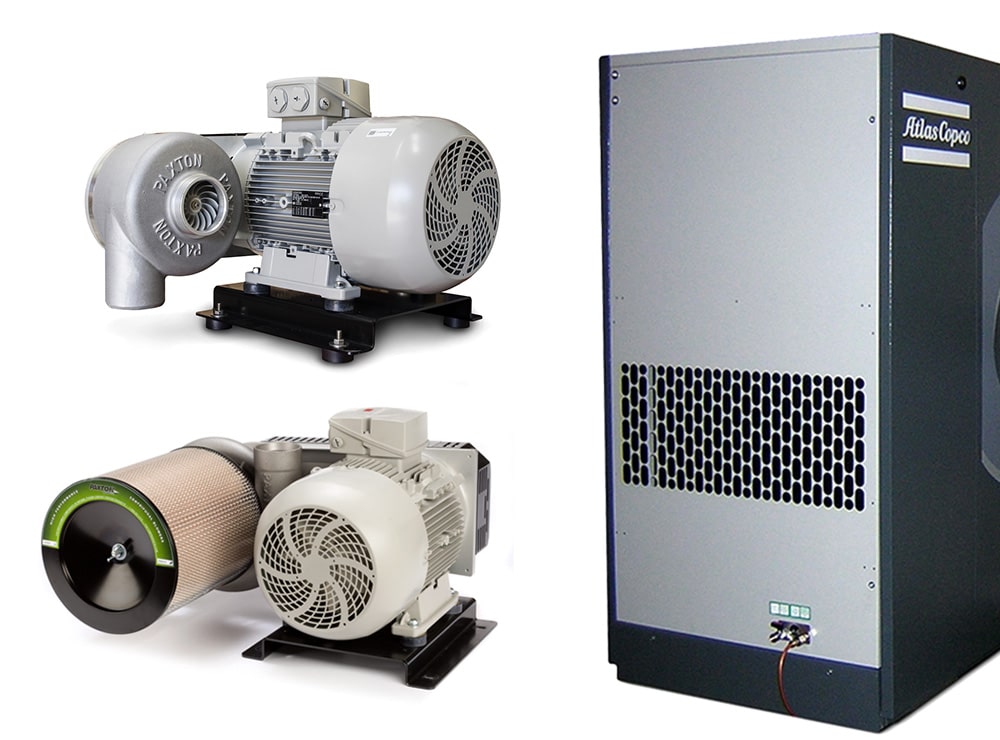
- Centrifugal Compressors: Use a spinning impeller for very large air volumes.
- Scroll Compressors: Use spiral elements for quieter, efficient compression.
Each type serves different needs. For example, a home garage might use a small piston compressor, while a car factory uses a huge rotary screw compressor.
Main Functions
The main job of an air compressor is to:
- Generate compressed air at a set pressure
- Store compressed air in a tank until needed
- Deliver compressed air through pipes or hoses to tools or machinery
Without the air compressor, you wouldn’t have compressed air to use.

Credit: fluidairedynamics.com
Compressed Air Vs Air Compressor: Core Differences
People often confuse these terms, but they are not the same thing. Here’s a simple way to remember:
- Compressed air is the product (the pressurized air itself).
- Air compressor is the machine (the tool that makes compressed air).
Let’s compare their main aspects:
| Aspect | Compressed Air | Air Compressor |
|---|---|---|
| Definition | Pressurized air | Machine that creates pressurized air |
| Function | Used to power tools, clean, move items | Produces and stores compressed air |
| Physical Form | Gas at high pressure | Mechanical device |
| Examples | Air in a tire, in a paint sprayer | Portable compressor, industrial compressor |
How Do They Work Together?
You can think of the air compressor as a kitchen blender and compressed air as the smoothie it makes. The machine (compressor) does the work, and the result (compressed air) is what you use.
- The air compressor pulls in outside air, compresses it, and stores it.
- The compressed air is then used for tasks—blowing dust, powering drills, or inflating tires.
Most systems have a tank to store compressed air, so it’s always available when you need it.
Why Understanding The Difference Matters
Knowing the difference helps in:
- Choosing the right equipment: You need a compressor to create compressed air, but you may only need the air for certain jobs.
- Maintenance and safety: Compressors require regular checks, oil changes, and safety valves, while compressed air systems need leak checks and proper pressure control.
- Cost control: Compressed air is expensive to make. Up to 10% of industrial electricity is used to produce it. Wasting compressed air means wasting money.
A common beginner mistake is to buy a powerful air tool, but not check if their compressor can supply enough compressed air at the right pressure.
Practical Examples In Daily Life
To make things clearer, here are a few situations:
- Inflating a car tire: The air inside is compressed air. The machine at the gas station is the air compressor.
- Dentist’s drill: Runs on compressed air made by a small, quiet compressor in the clinic.
- Factory assembly line: Uses compressed air for robotic arms and tools, all powered by large, central air compressors.

Credit: fluidairedynamics.com
Choosing An Air Compressor: What Really Matters
If you need an air compressor, here’s what to consider:
1. Required Air Volume And Pressure
- Measured in CFM (Cubic Feet per Minute) for volume and PSI (Pounds per Square Inch) for pressure.
- Tools like spray guns need high CFM, while impact wrenches need high PSI.
2. Duty Cycle
- Duty cycle is how long the compressor can run before needing a rest.
- For heavy use (factory), choose a compressor with a 100% duty cycle.
3. Power Source
- Electric compressors are common for home or indoor use.
- Gasoline or diesel compressors are used where electricity is not available.
4. Tank Size
- Larger tanks store more compressed air, allowing for longer use without the compressor running all the time.
5. Portability
- Portable compressors are small and easy to move, good for home and small jobs.
- Stationary compressors are bigger, used in workshops or factories.
6. Maintenance Needs
- Oil-lubricated compressors last longer but need regular oil checks.
- Oil-free compressors are simpler to maintain but may wear out faster.
7. Noise Level
- Some compressors are very loud. For indoor or sensitive areas, look for “quiet” models.
Common Mistakes When Choosing
- Ignoring CFM/PSI needs of your tools
- Buying too small a compressor for big jobs
- Not planning for future needs or tool upgrades
Compressed Air: How To Use It Safely And Efficiently
Compressed air is powerful, but it can be dangerous if not handled correctly. Here are key safety and efficiency tips:
Safety Tips
- Never point compressed air at your body. It can cause serious injury.
- Check hoses and connections for leaks or cracks.
- Use the right pressure. Too much pressure can damage tools and cause accidents.
- Wear eye protection when blowing off dust or debris.
- Release pressure before maintenance to avoid sudden bursts.
Efficiency Tips
- Fix leaks quickly. Even a small leak can waste a lot of air (and money).
- Use the right nozzle to control air flow.
- Turn off compressors when not in use.
- Regularly service your compressor to keep it efficient.
Non-obvious Insights
- Moisture control is vital: Compressed air naturally contains water vapor, which can damage tools and cause rust. Good systems have dryers or filters to remove moisture.
- Pressure drop hurts performance: Long hoses or pipes can cause pressure loss. Always check your system for drops between the compressor and the tool.
Credit: solvair.co.uk
Industrial And Home Uses: Different Needs
The way compressed air and air compressors are used in industry is very different from home use.
Industrial Applications
- Factories use central compressors to power many tools at once.
- Systems are built for reliability, with backup compressors and large air tanks.
- Compressed air is used for automation, moving materials, and even mixing chemicals.
Home And Garage Applications
- Compressors are smaller, often portable.
- Used for tire inflation, hobby tools, painting, or cleaning.
- Maintenance is simpler, but safety is still important.
Here’s a quick comparison:
| Feature | Home Use | Industrial Use |
|---|---|---|
| Compressor Size | Small, portable | Large, stationary |
| Air Demand | Low to medium | High, continuous |
| Maintenance | Simple, user-level | Professional, scheduled |
| Backup Systems | Rarely needed | Often required |
Environmental Impact And Costs
Compressed air is useful but not always the most energy-efficient choice. Here are facts to consider:
- Costly to produce: Compressed air can be 7-8 times more expensive than electricity for the same job.
- Energy losses: Up to 50% of the energy used to make compressed air can be lost as heat.
- Noise and vibration: Large compressors can be loud and require proper installation to reduce disruption.
- Moisture and oil contamination: Can affect air quality and the environment if not managed.
Many factories are now upgrading to more efficient compressors or using compressed air only where necessary.
When To Use Compressed Air (and When Not To)
Compressed air is best for jobs where:
- Electricity is risky (wet, explosive environments)
- Speed and power are needed for short bursts (impact tools)
- Mobility is important (portable tools, remote sites)
But for tasks like simple cleaning or long, steady power needs, other methods (electric tools, vacuum systems) may be more efficient and cheaper.
Frequently Asked Questions
What Is The Main Difference Between Compressed Air And An Air Compressor?
Compressed air is the pressurized air used for tasks, while an air compressor is the machine that produces it. You need the compressor to create compressed air, but they are not the same thing.
Can I Store Compressed Air Without A Compressor?
No. You need an air compressor to create compressed air. Once compressed, the air can be stored in tanks or cylinders, but it will eventually leak out or lose pressure over time.
Is Compressed Air Dangerous?
Compressed air can be dangerous if misused. High-pressure air can cause injuries, especially if pointed at skin or eyes. Always use safety gear and follow safety rules.
How Much Electricity Does An Air Compressor Use?
Air compressors can use a lot of power. In industry, up to 10% of electricity is for producing compressed air. Choosing the right size and fixing leaks can reduce energy use.
Where Can I Learn More About Compressed Air Systems?
For more detailed technical information and safety tips, visit the Wikipedia page on compressed air.
Knowing the difference between compressed air and an air compressor helps you make smarter choices, stay safe, and save money—whether you’re in a factory or working in your garage. With this knowledge, you’re ready to get the most from these powerful tools and systems.