Air compressors are one of those tools you often see in garages, workshops, and even in hospitals, but many people are not sure what they really do. The truth is, air compressors are incredibly useful and play a big part in daily life, industry, and even hobbies.
If you have ever wondered, “What do you use an air compressor for? ” you are not alone. This article will give you clear, practical answers and help you understand the many ways you can use this powerful tool.
How Air Compressors Work
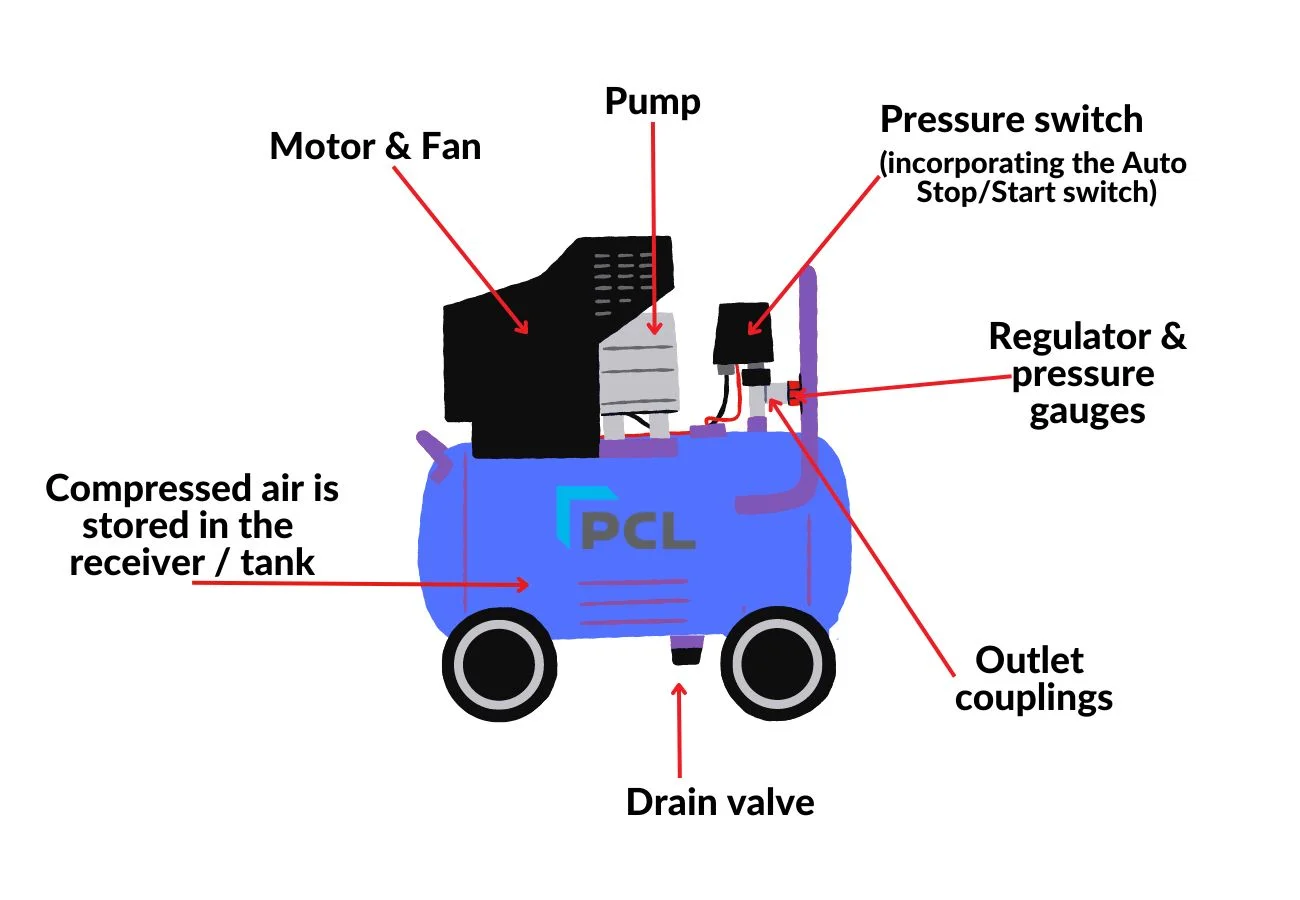
An air compressor takes in air from the environment and squeezes it into a smaller space. This creates high-pressure air that you can use for many different tasks. There are several types of air compressors, such as piston (reciprocating), rotary screw, and centrifugal. Most home users work with piston types, while factories often use rotary screw or centrifugal compressors for bigger jobs.
The main advantage of using compressed air is that it can be stored and used for many jobs that need power, speed, or pressure. You can even use air compressors with tools that would not work well with electricity, like spray guns or nail guns.
Main Uses Of Air Compressors
Air compressors are not just for professionals. They are used in homes, cars, construction, and even art. Here are the main ways people use air compressors:
1. Powering Pneumatic Tools
One of the most popular uses is running pneumatic tools. These are tools powered by compressed air instead of electricity or batteries. Examples include:
- Impact wrenches
- Air ratchets
- Nail guns
- Paint sprayers
- Air hammers
- Die grinders
- Sanders
Pneumatic tools are often lighter and more powerful than electric versions. For example, a mechanic can quickly remove car tires with an air-powered impact wrench, saving time and energy.
2. Inflating Tires And Sports Equipment
Air compressors are perfect for inflating car, bike, and motorcycle tires. They are also handy for blowing up sports balls, air mattresses, pool floats, and even balloons. Many small, portable air compressors are designed for just this use. Keeping your tires at the right pressure improves gas mileage and safety.
3. Painting And Finishing
If you want a smooth, even paint finish, a paint sprayer powered by an air compressor is the way to go. This is popular for:
- Painting cars
- Spraying furniture
- House exteriors and fences
- Art projects (airbrushing)
Airbrush artists use tiny compressors for detailed work. You can cover large areas quickly and get professional-looking results.
4. Cleaning And Dusting
Compressed air is excellent for cleaning hard-to-reach places. Mechanics use air nozzles to blow dust out of engines or machinery. Homeowners can use it to clean computer keyboards, electronics, or workshop benches. It is much more powerful than using your breath or a can of store-bought air.
5. Construction And Woodworking
Many construction sites rely on air compressors to power framing and finishing nailers, staplers, and other tools. This speeds up work and means less manual effort. Carpenters use compressors for:
- Framing walls
- Installing baseboards
- Building furniture
- Roofing
Nail guns connected to an air compressor are faster and more precise than hammering by hand.
6. Sandblasting
Sandblasting uses high-pressure air to shoot sand or other grit at a surface. This removes paint, rust, or grime. It is commonly used for:
- Restoring old cars
- Cleaning metal parts
- Etching glass or stone
The process is fast, but you need a strong compressor and safety gear.
7. Hvac And Refrigeration
Air compressors are found inside refrigerators, air conditioners, and freezers. They help move refrigerant gas through the system so your food stays cold and your home stays cool. HVAC technicians also use portable compressors to test and repair these systems.
8. Medical And Dental Use
Hospitals and dental offices use special, very clean air compressors for:
- Dental drills
- Respirators
- Surgical tools
Clean, dry air is critical for patient safety and equipment performance.
9. Agriculture
Farmers use compressors for many tasks, such as:
- Milking machines
- Spraying crops
- Operating grain conveyors
- Cleaning equipment
Compressed air helps make farm work more efficient and less physically demanding.
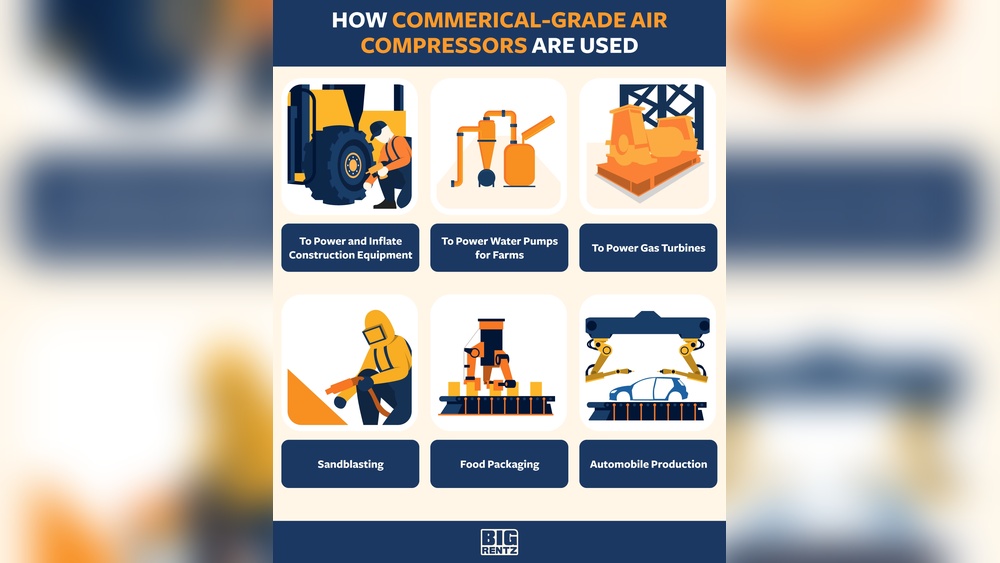
10. Manufacturing And Industry
Factories use large air compressors for assembly lines, packaging, and automation. Many machines, robots, and conveyor belts are powered by compressed air. It is often safer in explosive environments than electric motors.
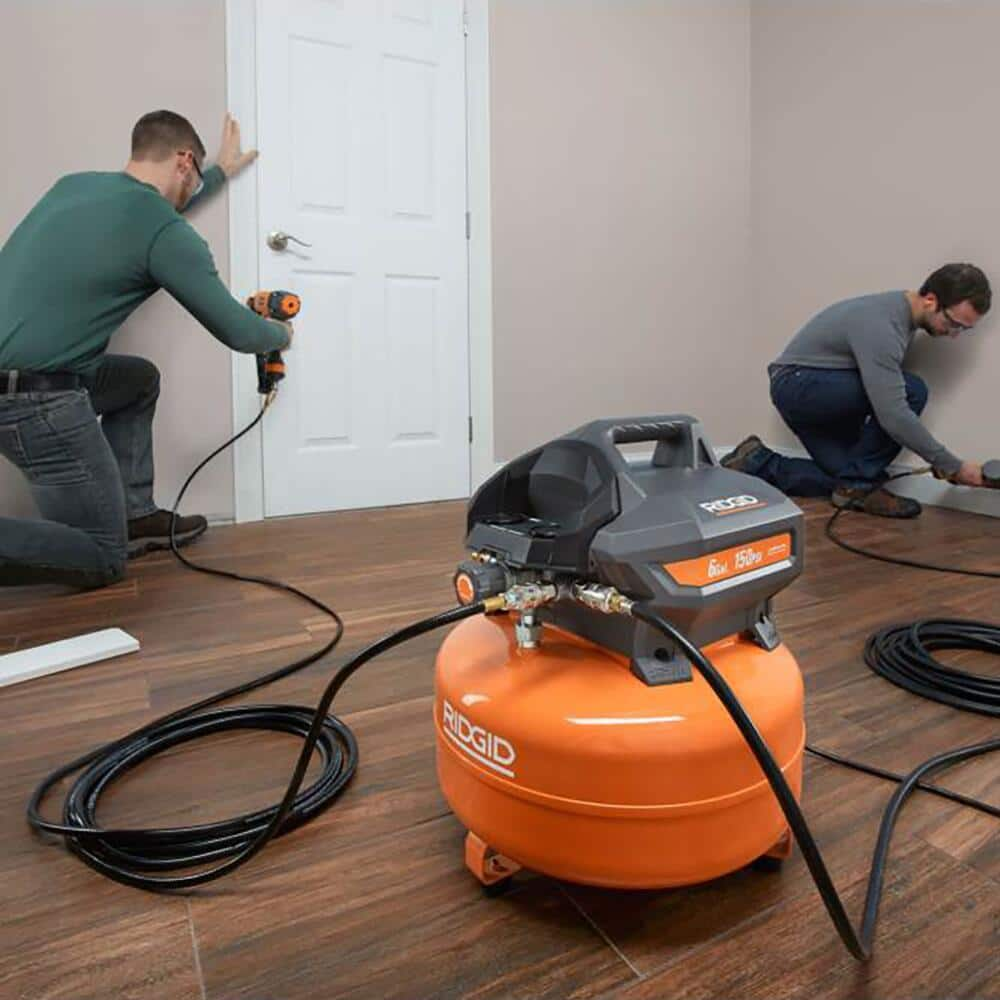
11. Home Improvement And Diy
DIY lovers use air compressors for:
- Building decks
- Renovating rooms
- Installing trim
- Painting projects
You can even use small compressors to power hobby tools, like airbrushes and engravers.
12. Aquarium And Fish Ponds
Air compressors help keep water oxygenated for fish tanks and ponds. Air stones powered by compressors create bubbles that help fish breathe and keep water clean.
13. Tire Shops And Garages
Professional garages rely on powerful compressors for:
- Tire changing machines
- Balancing wheels
- Running air tools all day
Compressors save time and make heavy work much easier.
14. Roadside Assistance
Portable air compressors are a must for roadside emergency kits. They help you:
- Inflate a flat tire
- Pump up a spare
Some even plug into your car’s power outlet, so you are never stuck.
15. Food And Beverage Industry
The food industry uses air compressors for:
- Bottling drinks
- Packaging food
- Cleaning equipment
Compressed air must be very clean to avoid contamination.
Credit: www.homedepot.com
Comparing Types Of Air Compressors
Choosing the right compressor depends on your needs. Here’s a quick comparison:
| Type | Best For | Common Size | Noise Level |
|---|---|---|---|
| Piston (Reciprocating) | Home, Garage, Small Shops | 1–20 gallons | Moderate–Loud |
| Rotary Screw | Factories, Workshops | 20–200+ gallons | Quieter |
| Centrifugal | Large Industry | Very Large | Moderate |
If you only need to fill tires or use a nail gun, a small piston compressor is enough. For constant use in a workshop, a rotary screw model is better.
Key Features To Consider Before Buying
Not all air compressors are the same. Consider these features:
| Feature | Why It Matters |
|---|---|
| Tank Size | Larger tanks provide longer work time without stopping to refill air. |
| CFM (Cubic Feet/Minute) | Measures air flow. Higher CFM means you can use bigger tools. |
| PSI (Pounds/Square Inch) | Shows air pressure. Most tools need at least 90 PSI. |
| Portability | Wheels and handles are important if you need to move it around. |
| Noise Level | Quieter models are better for indoor use. |
| Oil-Free vs. Oil-Lubricated | Oil-free needs less maintenance, but oil-lubricated lasts longer. |
Pro tip: Always check your tool’s CFM and PSI requirements before buying an air compressor.
Credit: www.metrosales.co.uk
Surprising Uses You May Not Know
Some creative uses for air compressors include:
- Making snow for winter sports or parties using special machines.
- Operating amusement park rides that need quick, powerful movements.
- Launching T-shirts or confetti at concerts and sports events.
These are not everyday uses, but they show how flexible compressed air can be.
Mistakes Beginners Make With Air Compressors
Many first-time users make simple mistakes that can cause problems or even accidents. Here are two common ones:
- Ignoring Safety Precautions: Compressed air is powerful. Never point an air nozzle at yourself or others. Always wear safety glasses and ear protection, especially with loud or high-pressure compressors.
- Using the Wrong Hose or Fittings: Air tools need the right size hose and fittings. If you use a hose that is too small, your tools will lose power. Always match the size to your compressor and tools.
Another common mistake is not draining the water from the tank. Compressed air creates moisture, which can cause the tank to rust from the inside. Most compressors have a valve at the bottom—open it after each use to remove water.
Air Compressor Maintenance Tips
To keep your air compressor working well:
- Check oil levels (for oil-lubricated types)
- Clean or change air filters
- Drain the tank after each use
- Inspect hoses and fittings for leaks
- Follow the manufacturer’s instructions
Proper maintenance means your compressor will last longer and be safer.
Real-world Examples
Here are some situations where air compressors make a big difference:
- A carpenter uses a nail gun to install hundreds of nails in a day, finishing work much faster.
- A mechanic quickly removes and replaces car tires with an impact wrench.
- An artist creates detailed murals using an airbrush powered by a small compressor.
- A farmer saves hours cleaning tractors and equipment with a high-powered air nozzle.
When Not To Use An Air Compressor
Air compressors are not for every job. For example, using compressed air to clean skin or wounds is dangerous. Also, some tasks are better done with electric or manual tools, especially if you only need them once in a while.
Where To Learn More
If you want to learn more about the science and technology behind air compressors, check out this article on Wikipedia.

Credit: www.bigrentz.com
Frequently Asked Questions
What Size Air Compressor Do I Need For Home Use?
For most home tasks like inflating tires, running a nail gun, or light painting, a 3–6 gallon compressor with at least 2.0 CFM at 90 PSI is enough. If you plan to use larger tools, look for higher CFM and a bigger tank.
Can I Use An Air Compressor To Clean Electronics?
Yes, but use low pressure to avoid damaging parts. Hold the air nozzle at a safe distance and avoid blowing dust deeper into the device. Never use compressed air on sensitive parts like fans or circuit boards without caution.
How Often Should I Drain My Air Compressor Tank?
Drain the tank after every use. Water builds up inside and can cause rust. Use the drain valve at the bottom to release moisture.
Is It Safe To Leave An Air Compressor Full Of Air?
It is better to release the pressure after use, especially for long-term storage. This reduces wear on seals and lowers the risk of leaks or accidents.
What Is The Difference Between Oil-free And Oil-lubricated Compressors?
Oil-free compressors need less maintenance and are lighter, but may wear out faster. Oil-lubricated compressors last longer and are better for heavy use, but need regular oil checks and changes.
Air compressors are truly versatile tools, helping with everything from fixing cars to creating art. With the right knowledge and care, you can get years of reliable service from your compressor and tackle many projects with confidence.