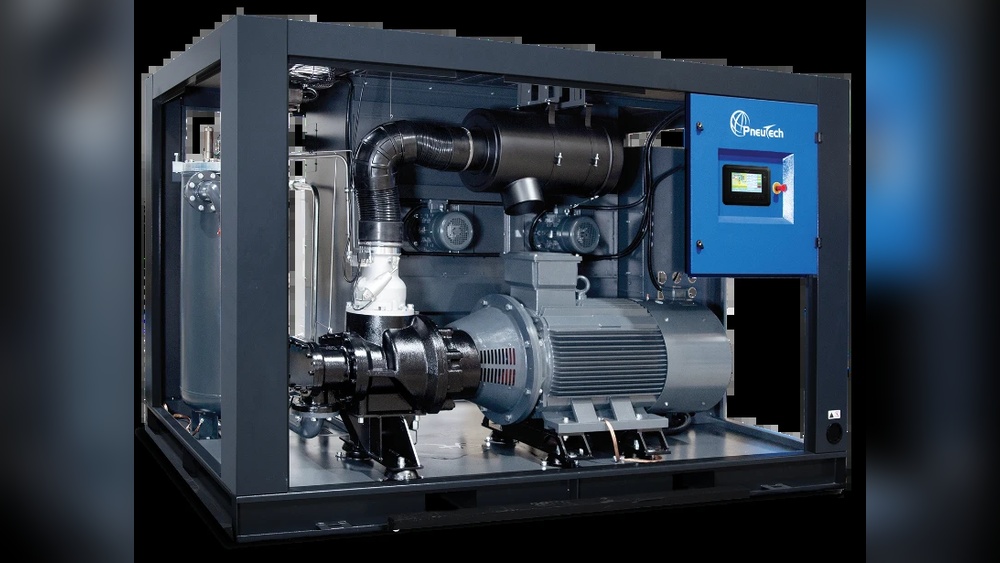
A rotary screw air compressor is a machine that quietly powers many industries and everyday products. From car workshops to massive factories, these compressors help run tools, machines, and systems we rely on. But what exactly is a rotary screw air compressor?
Why do so many professionals trust this technology over other types of compressors? In this article, you’ll learn how rotary screw air compressors work, what makes them unique, and how to choose the right one for your needs. Even if you are new to this topic, you’ll find practical answers and tips to guide your decisions.
Understanding Rotary Screw Air Compressors
At its core, a rotary screw air compressor is a device that takes in air and increases its pressure using two spinning screws. These screws, called rotors, trap air between them and force it into a smaller space. This type of compressor is popular because it produces a steady flow of compressed air, works quietly, and is efficient for both small and large jobs.
Rotary screw compressors are used in manufacturing, food processing, car repair shops, hospitals, and even in large construction projects. Their ability to work for long hours without overheating makes them a favorite for businesses that need reliable air power.
How Does A Rotary Screw Air Compressor Work?
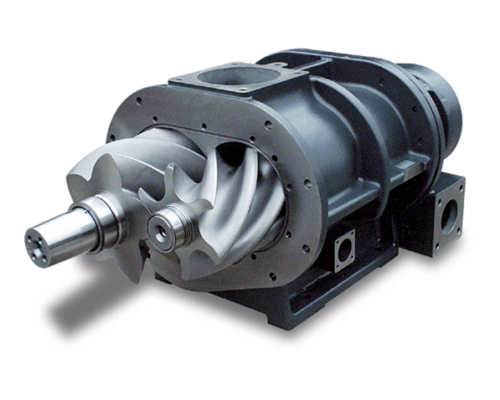
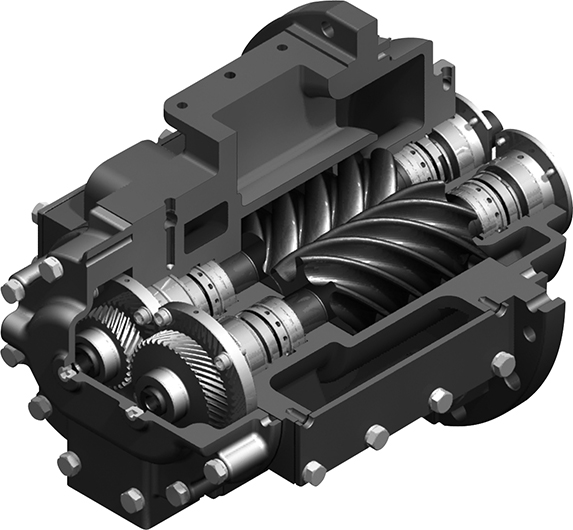
The operation of a rotary screw air compressor is based on a simple but clever idea. Two matching rotors spin in opposite directions inside a tight chamber. As the rotors turn, air enters through an opening, gets trapped between the rotor grooves, and is squeezed as the space between the rotors gets smaller.
This compression pushes air out at high pressure through an outlet.
Unlike piston compressors, which use up-and-down movement, rotary screw compressors use smooth rotary motion. This design reduces vibration, noise, and wear. The whole process is automatic and continuous, so you get a steady stream of compressed air with no pulsing.
Key Parts Of A Rotary Screw Air Compressor
- Air End: The main section where the compression happens.
- Rotors (Screws): Two helical screws, usually made from strong steel.
- Inlet Valve: Controls how much air enters the compressor.
- Oil Separator: Removes oil from the air before it leaves the machine.
- Coolers: Keep both the air and oil at safe temperatures.
- Control Panel: Lets the user adjust pressure and see warnings.
Credit: www.compressedairsystems.com
Types Of Rotary Screw Air Compressors
There are two main types of rotary screw air compressors. Both use the same basic idea, but they handle the air and oil in different ways.
1. Oil-injected Rotary Screw Compressors
In this type, oil is injected into the compression chamber. The oil cools the rotors, seals gaps, and helps with lubrication. After compression, a separator removes most of the oil from the air. These compressors are tough, reliable, and used in many industries.
Best for: Factories, workshops, car garages, and most industrial uses.
2. Oil-free Rotary Screw Compressors
These compressors do not add oil into the air stream. Instead, they use special coatings or materials to keep the rotors moving smoothly. The air that comes out is clean and dry, making them perfect for jobs where even a tiny bit of oil could be a problem.
Best for: Food and drink production, medicine, electronics, and clean-room environments.
Rotary Screw Vs Piston Compressors: What’s The Difference?
Rotary screw air compressors are often compared with piston (reciprocating) compressors. Both types make compressed air, but they do it in very different ways.
| Feature | Rotary Screw Compressor | Piston Compressor |
|---|---|---|
| Operation | Continuous | Intermittent |
| Noise Level | Low | High |
| Maintenance | Less frequent | More frequent |
| Air Flow | Steady, no pulses | Pulses with each stroke |
| Size/Weight | Larger, heavier | Smaller, lighter |
Non-obvious insight: Many beginners think piston compressors are always cheaper, but for large or nonstop jobs, rotary screw compressors actually save money over time due to lower maintenance and higher efficiency.
Key Benefits Of Rotary Screw Air Compressors
- Continuous Operation: Can run all day without stopping or overheating.
- Low Noise and Vibration: Quiet enough for indoor use.
- Energy Efficiency: Uses less energy per unit of air compared to other types.
- Long Life Span: Parts last longer because there is less wear.
- Consistent Air Flow: Perfect for tools or machines that need a steady supply.
Rotary screw compressors also handle dirty or humid air better, thanks to their strong design. Many are built for tough work, making them a smart choice for demanding businesses.
Where Are Rotary Screw Air Compressors Used?
You might be surprised at how many places use rotary screw compressors. Here are some examples:
- Car repair shops: Powering air tools and lifts.
- Manufacturing: Running machines, robots, and conveyors.
- Food processing: Keeping air clean for packaging or mixing.
- Medical and dental clinics: Supplying clean air for tools and patients.
- Construction: Operating drills, nail guns, and spray systems.
- Textiles: Spinning and weaving machines.
- Electronics: Producing sensitive devices in dust-free rooms.
Insider tip: In large factories, one rotary screw compressor can replace several smaller piston units, reducing both noise and maintenance headaches.
Factors To Consider When Choosing A Rotary Screw Air Compressor
Not all rotary screw compressors are equal. Here’s what really matters when picking one:
1. Air Flow Rate (cfm)
CFM stands for cubic feet per minute—the amount of air the compressor can deliver. Add up the air needs of all your tools or machines, then pick a compressor that meets or slightly exceeds this total.
2. Pressure (psi)
PSI means pounds per square inch, or how strong the compressed air is. Most industrial tools need 90–150 PSI, but check your equipment to be sure.
3. Duty Cycle
This shows how long the compressor can run without stopping. Rotary screw compressors often have a 100% duty cycle, meaning they can run non-stop.
4. Power Source
Most large compressors use electricity, but some can run on diesel or gas for work sites without power. Make sure your location supports the type you choose.
5. Size And Space
Rotary screw compressors are bigger than piston types. Check your workspace for enough room, including ventilation.
6. Noise Level
If you work indoors or near people, look for compressors with soundproofing or low dB ratings.
7. Maintenance Needs
Choose a model with easy access for oil changes, filter swaps, and cleaning. Some brands offer maintenance kits or reminders.
8. Air Quality
If you need very clean air (for food, medicine, or electronics), consider an oil-free model or add extra filters and dryers.
9. Cost Of Ownership
Don’t just look at the price tag. Consider:
- Energy use
- Maintenance parts
- Expected lifespan
- Warranty and support
Common mistake: Some buyers pick a compressor that is too small to save money. This leads to overwork, breakdowns, and higher costs in the long run.
How To Maintain A Rotary Screw Air Compressor
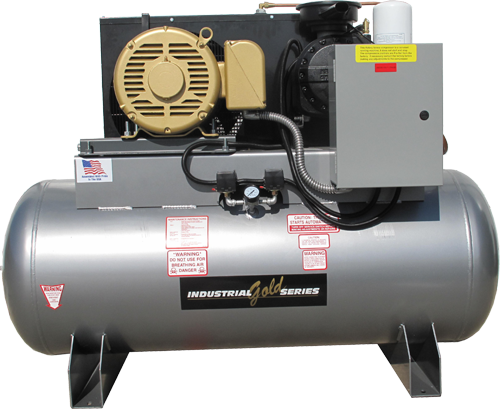
Regular care keeps your compressor running smoothly and avoids expensive repairs. Here’s a simple maintenance routine:
- Check oil levels weekly (for oil-injected models).
- Replace air and oil filters as recommended by the manufacturer.
- Inspect hoses and connections for leaks.
- Clean coolers and vents to prevent overheating.
- Drain moisture from the air tank or system.
- Listen for strange noises which may signal worn parts.
Pro tip: Schedule annual checks with a qualified technician. A small investment in maintenance can add years to your compressor’s life.
Credit: www.toolsusa.com
Energy Efficiency And Environmental Impact
Rotary screw compressors are often more energy-efficient than other types. They use less power for the same amount of air, which lowers your energy bills. Many new models have variable speed drives (VSDs) that match motor speed to air demand, saving even more energy.
For businesses concerned about the environment, oil-free compressors avoid oil contamination of air or products. Using proper disposal methods for old oil and filters is also important for keeping the workplace eco-friendly.
Real-world Example: Comparing Models
To see how features and costs vary, compare two common rotary screw air compressor models:
| Model | Air Flow (CFM) | Max Pressure (PSI) | Noise Level (dB) | Price (USD) |
|---|---|---|---|---|
| Atlas Copco GA7 | 29 | 145 | 68 | 7,500 |
| Ingersoll Rand R5.5i | 23 | 125 | 65 | 6,900 |
The Atlas Copco model delivers more air but costs more. The Ingersoll Rand is quieter and cheaper but may not meet all needs. Always match your choice to your real requirements, not just the lowest price.
Common Problems And Solutions
Even the best rotary screw compressors can run into problems. Knowing the signs helps you fix issues early:
- Low air pressure: Check for leaks, dirty filters, or worn rotors.
- Overheating: Clean coolers, check oil level, and ensure good ventilation.
- Excessive noise: Could be loose parts, failing bearings, or lack of lubrication.
- Oil in air: Replace the separator or check for worn seals.
If problems keep coming back, get help from a certified technician. DIY fixes can sometimes make things worse.
Rotary Screw Air Compressor Safety Tips
- Always follow the manufacturer’s safety instructions.
- Never remove guards or covers while the compressor is running.
- Make sure all air connections are tight before starting.
- Release pressure before cleaning or working on the machine.
- Wear hearing protection if working near large or noisy units.
Credit: www.airbestpractices.com
The Future Of Rotary Screw Air Compressors
Technology is making rotary screw compressors even smarter and greener. Some new models connect to the internet for remote monitoring, warn you before problems happen, and adjust output automatically to save power. Research into new materials and designs is making compressors quieter and even more reliable.
If you want to learn more about compressor technology and energy efficiency, you can visit this Wikipedia article for additional details.
Frequently Asked Questions
What Is The Main Advantage Of A Rotary Screw Air Compressor?
The main advantage is its ability to run continuously for long periods, delivering a steady and reliable stream of compressed air with minimal noise and vibration.
How Long Does A Rotary Screw Air Compressor Last?
With proper maintenance, a rotary screw compressor can last from 10 to 15 years or more. Some heavy-duty models run for over 100,000 hours before needing major repairs.
Can Rotary Screw Compressors Be Used Outdoors?
Yes, many models are designed for outdoor use and have weatherproof covers. However, they should be protected from rain, dust, and direct sunlight for best results.
How Often Should Oil And Filters Be Changed?
For oil-injected compressors, oil and filters should be changed according to the manufacturer’s schedule—usually every 2,000 to 4,000 hours of use. Check the manual for your specific model.
Are Rotary Screw Compressors Suitable For Home Use?
They are usually too large and expensive for home use. However, small rotary screw units are available for workshops or garages where a steady air supply is needed.
Rotary screw air compressors are a powerful and flexible tool for many industries. They combine efficiency, quiet operation, and long life. By understanding how they work and what features matter, you can choose the best compressor for your needs and keep it running smoothly for years.