
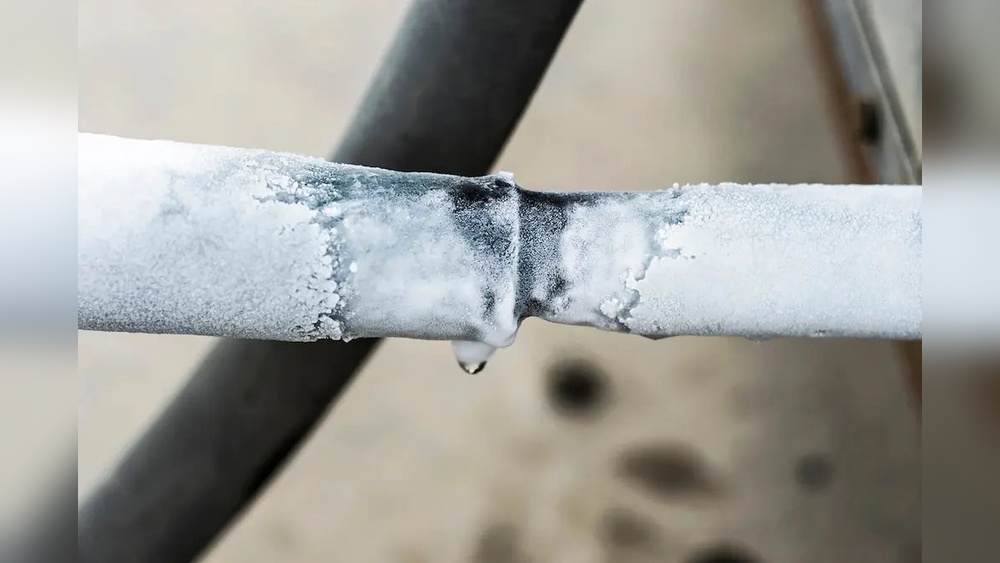
Have you ever wondered if your air compressor can actually freeze? It’s a question many people don’t think about until it’s too late.
When cold weather hits, your equipment faces challenges you might not expect. If your compressor freezes, it could stop working right when you need it most. You’ll discover why freezing happens, how it affects your air compressor, and what simple steps you can take to protect your investment.
Keep reading to make sure your compressor stays in top shape, no matter the temperature outside.

Credit: www.amazon.com
How Air Compressors Freeze
Air compressors can freeze in cold weather. This stops them from working well. Understanding how freezing happens helps protect your compressor. It keeps your tools ready to use all winter long.
Causes Of Freezing In Air Compressors
Air compressors pull in air that contains moisture. This moisture turns into water inside the compressor. When temperatures drop, this water can freeze. Ice blocks air flow and parts inside the machine.
Cold air and wet conditions cause freezing. Poor drainage in the compressor trap water. If the compressor runs a lot, it creates heat but cools down fast after stopping. This quick change can cause ice to form.
Common Signs Of Freezing
The compressor may make strange noises or stop working. Air pressure can drop or become uneven. Hoses might feel stiff or hard. Moisture may appear near the compressor outlet. These signs show ice may be inside.
Watch for slow or weak air flow. The compressor may also take longer to start. These are clues that freezing is affecting performance. Early detection helps avoid damage and costly repairs.
Effects Of Freezing On Performance
Freezing temperatures can seriously affect how an air compressor works. Cold weather causes parts to contract and fluids to thicken. These changes slow down the compressor and make it work harder. The effects of freezing on performance can lead to less power and more wear on the machine.
Ice buildup inside the compressor can block airflow. This blockage lowers the compressor’s ability to deliver air at the right pressure. Over time, freezing can reduce efficiency and increase energy use. The compressor may take longer to complete tasks and use more power to run.
Impact On Compressor Efficiency
Freezing reduces the compressor’s efficiency by slowing down moving parts. Thickened oil and moisture turn into ice, which hinders smooth operation. The compressor must work harder to pump air, wasting energy. It also delivers less air than usual, causing delays in work. Efficiency loss leads to higher electricity costs and more frequent breakdowns.
Damage Risks To Internal Components
Ice inside the compressor can crack or break internal parts. Water trapped in the system freezes and expands, causing damage. Valves, seals, and pistons are especially vulnerable to freezing. Damage to these parts leads to leaks and poor performance. Repairing or replacing components can be costly and time-consuming.
Preventing Freezing In Air Compressors
Air compressors can freeze in cold weather. This causes damage and stops them from working well. Preventing freezing keeps your air compressor safe and working longer. Simple steps can protect your machine.
Proper Storage Techniques
Store the air compressor in a warm place. Avoid areas with cold air or moisture. Use an insulated cover if you keep it outside. Keep the unit off the ground to stop dampness. Proper storage lowers the risk of freezing parts.
Using Anti-freeze Additives
Add anti-freeze to the compressor’s system. These additives stop water from freezing inside. Use only products made for air compressors. Follow the instructions carefully to avoid damage. Anti-freeze keeps the machine working in cold weather.
Maintaining Adequate Drainage
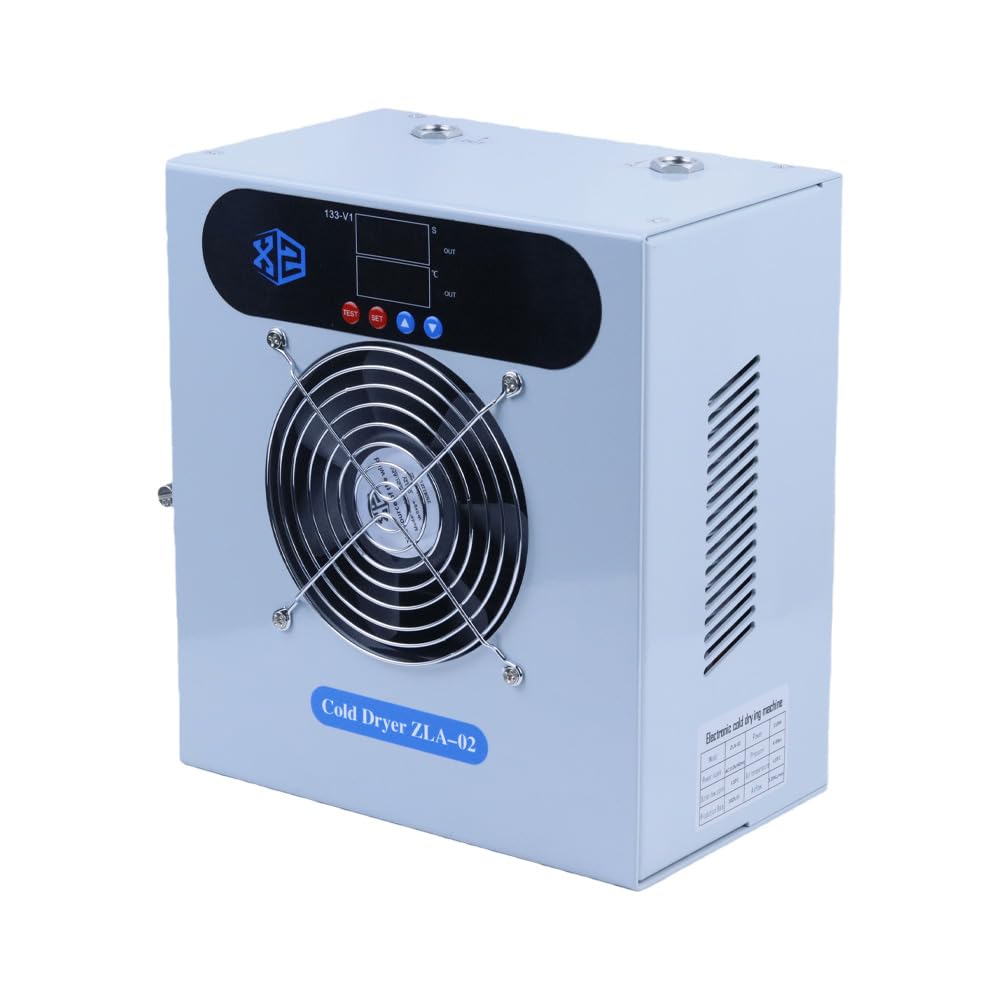
Drain water from the air tank regularly. Water inside the tank can freeze and cause rust. Open the drain valve after each use. Keep the valve clean and working well. Good drainage prevents ice build-up and protects the compressor.
Credit: www.amazon.com
Tips For Winter Operation
Winter can be tough on air compressors. Cold weather may cause freezing and damage. Taking steps to protect your compressor helps keep it working well. These tips focus on how to operate your compressor safely in winter.
Insulating The Compressor
Wrap your air compressor with insulation to keep it warm. Use foam or special covers made for compressors. This stops cold air from reaching sensitive parts. Insulation helps prevent moisture from freezing inside the machine.
Temperature Monitoring Tools
Use a thermometer or temperature sensor near the compressor. It alerts you if the temperature drops too low. Monitoring helps you act before freezing causes harm. Some tools can send alerts to your phone or computer.
Scheduling Regular Maintenance
Check and service your compressor often during winter. Look for ice buildup, leaks, and worn parts. Clean or replace filters to avoid blockages. Regular care keeps the compressor running smoothly and avoids costly repairs.
Troubleshooting Frozen Compressors
Frozen air compressors can stop your work and cause frustration. Knowing how to fix them quickly saves time and money. Troubleshooting a frozen compressor needs careful steps. This helps avoid damage and gets the unit working again fast.
Steps To Thaw A Frozen Unit
First, turn off the compressor and unplug it. Never try to force moving parts. Use warm air or a heating pad to melt the ice slowly. Avoid using open flames or direct heat. Check all air lines and valves for ice buildup. Let the compressor sit in a warm room if possible. Keep an eye on the thawing process to prevent overheating. Once thawed, dry the unit completely before restarting.
When To Call A Professional
Call a professional if the compressor stays frozen after thawing attempts. Strange noises or leaks mean expert help is needed. If you see frost inside the tank, do not use the unit. Professionals can check for hidden damage and fix it safely. Regular service checks also prevent freezing problems. Trust experts to keep your compressor in good shape.

Credit: www.walmart.com
Frequently Asked Questions
Can Air Compressors Freeze In Cold Weather?
Yes, air compressors can freeze if moisture inside the tank freezes. This happens when temperatures drop below freezing and moisture isn’t drained regularly.
How To Prevent Air Compressors From Freezing?
To prevent freezing, drain moisture daily, store compressors indoors, and use antifreeze additives or heaters during cold months.
What Are Signs Of A Frozen Air Compressor?
Signs include reduced air pressure, unusual noises, and difficulty starting. Inspect for ice buildup inside the tank or lines.
Does Freezing Damage Air Compressor Components?
Yes, freezing can cause rust, cracks, and damage seals. Regular maintenance and moisture removal protect your compressor from freeze damage.
Conclusion
Air compressors can freeze in cold weather. This happens when moisture inside turns to ice. Ice blocks the air flow and stops the machine. To prevent freezing, keep the compressor dry and warm. Use a moisture trap or drain water regularly.
Store the compressor indoors during winter months. Taking these steps helps your compressor work well year-round. Avoid costly repairs and downtime caused by freezing. Simple care keeps your air compressor safe and ready to use.