Choosing the right air compressor for your home can feel confusing. You might wonder, “What size air compressor do I really need?” Picking the wrong size can lead to frustration—either your tools won’t work properly, or you’ll waste money on a machine that’s too big.
But don’t worry. This guide will help you understand exactly what to look for so you get the perfect compressor for your projects. By the end, you’ll feel confident making the best choice for your needs and budget. Keep reading to find out how to match your air compressor to your home tasks easily.
Types Of Air Compressors
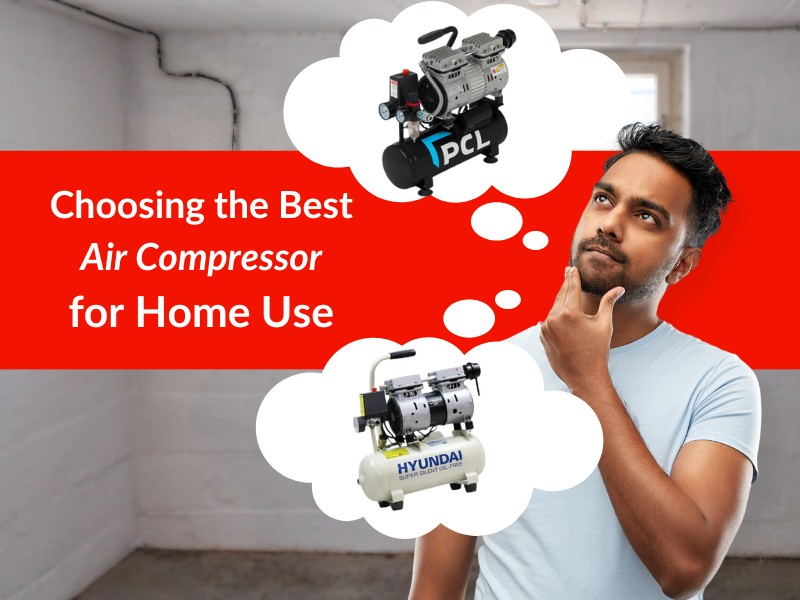
Choosing the right air compressor starts with understanding the types available. Air compressors come in various designs to suit different needs. Knowing these types helps you pick the best one for home use. Each type has unique features and uses.
Portable Vs Stationary
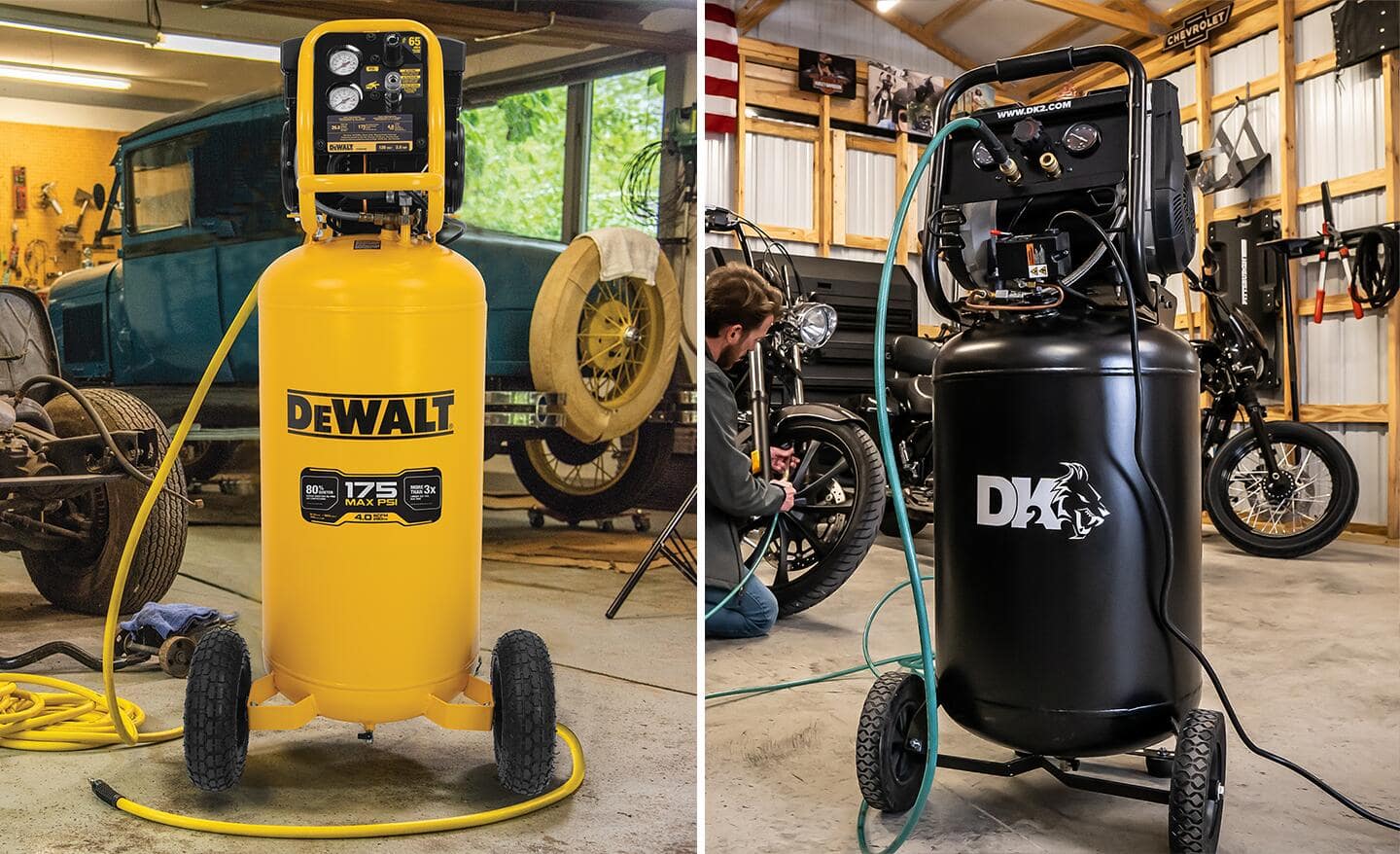
Portable air compressors are small and easy to carry. They work well for light tasks like inflating tires or small tools. Stationary compressors are larger and fixed in one place. They deliver more power and air volume. These are best for heavy-duty jobs or frequent use.
Oil-lubricated Vs Oil-free
Oil-lubricated compressors use oil to keep parts running smoothly. They last longer and are quieter. Oil-free compressors do not use oil, so they need less maintenance. These are lighter and better for occasional use. Clean air output is another benefit of oil-free models.
Single-stage Vs Two-stage
Single-stage compressors compress air in one step. They are simpler and good for home tasks. Two-stage compressors compress air twice for higher pressure. They are more powerful and suited for heavy work. These compressors are common in professional settings.
Credit: www.metrosales.co.uk
Key Specifications To Consider
Choosing the right air compressor for home use means knowing key details. These details help pick a model that fits your needs. Focus on performance, size, and power to avoid problems later.
Understanding these specs makes buying easier. It saves money and prevents frustration with tools that do not work well.
Cfm And Psi Explained
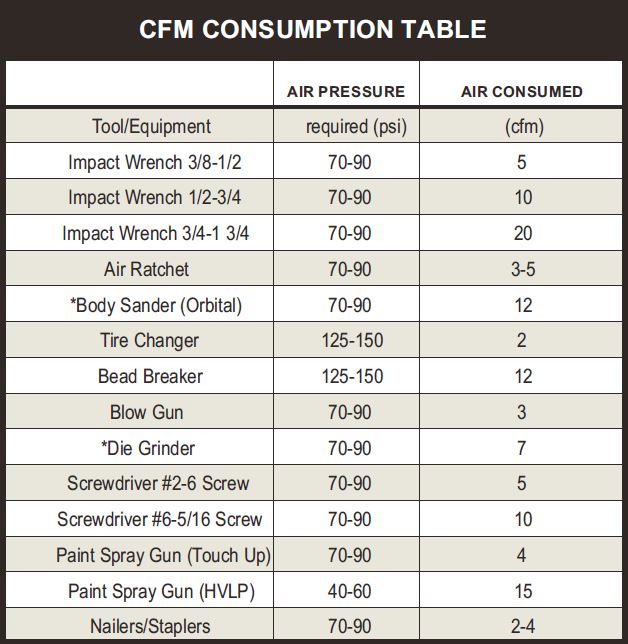
CFM means Cubic Feet per Minute. It tells how much air the compressor moves. Higher CFM means more air supply. PSI means Pounds per Square Inch. It shows air pressure strength. Different tools need different PSI and CFM levels.
Check your tools to know required PSI and CFM. Match the compressor to those numbers. Too low pressure or air flow harms tool performance.
Tank Size Importance
The tank stores compressed air. Bigger tanks hold more air. This means longer work time without stopping. Small tanks fill faster but need breaks often.
Choose a tank size based on your job length. For quick tasks, a small tank works. For long projects, pick a larger tank.
Power Source Options
Air compressors use electricity or gas. Electric models are quiet and good indoors. Gas compressors work outside and move freely. Think about where you will use the compressor most.
Electric compressors need a power outlet. Gas compressors need fuel and more care. Choose what fits your home and work style.
Common Home Use Applications
Home air compressors serve many tasks. They power tools and inflate items quickly. Knowing common uses helps pick the right size. Each task needs different air pressure and volume. This guides choosing an air compressor that fits your needs.
Inflating Tires And Sports Equipment
Many people use air compressors to fill tires. Car, bike, and motorcycle tires need air regularly. Sports balls also need inflation before games. A small compressor works fine for these tasks. It fills items fast without wasting power.
Nail Guns And Staplers
Nail guns use compressed air to drive nails. Staplers for heavy materials also need air power. These tools need steady air pressure for smooth work. Choose a compressor that delivers enough pressure and volume. It helps complete projects without stopping.
Painting And Spraying
Painting with an air compressor gives a smooth finish. Spray guns use air to spread paint evenly. This needs more air volume than inflating or nailing. A medium-sized compressor often works best here. It keeps a constant air flow for better results.
Cleaning And Dust Removal
Compressed air cleans tight spaces and removes dust. It blows dirt out of keyboards, tools, and corners. This task uses short bursts of air, not constant flow. A small compressor with quick air release works well. It makes cleaning easy and fast.
Credit: www.homedepot.com
Matching Compressor Size To Tasks
Choosing the right air compressor size depends on the tasks you plan to do. Each job needs a different power level and air volume. Picking the right compressor saves money and effort. It also helps your tools work well and last longer.
Small Tasks And Basic Tools
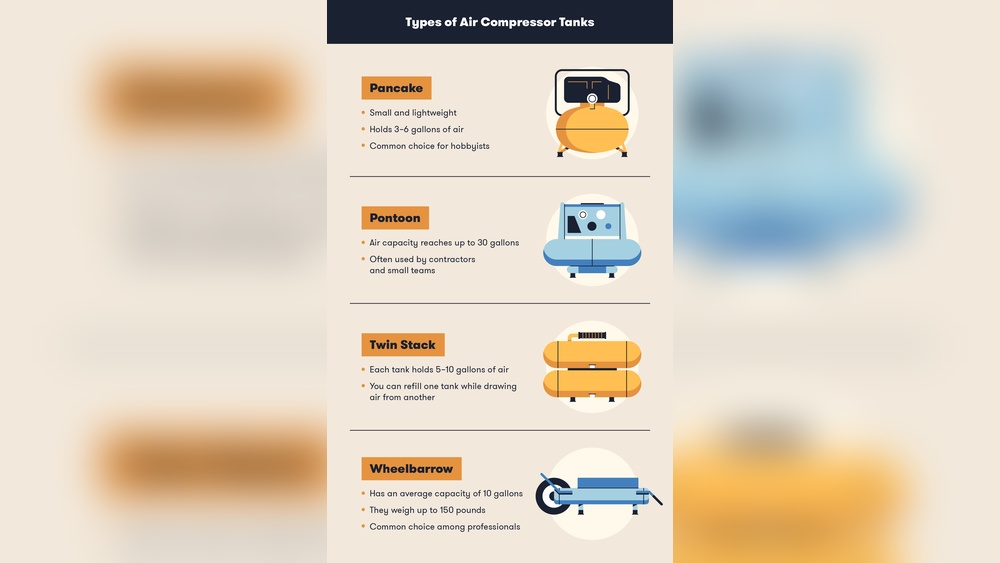
Small jobs like inflating tires or blowing dust need less air. A compact compressor with 1 to 3 gallons tank works best. Basic tools like nail guns or airbrushes need low air pressure. Small compressors are easy to move and store. They suit light tasks and occasional use.
Medium Tasks With Multiple Tools
For medium jobs, use a compressor with 5 to 8 gallons tank. Tasks like powering impact wrenches or spray guns need more air. This size supports running two tools one after another. It handles longer work periods without overheating. Medium compressors balance power and portability well.
Heavy-duty And Continuous Use
Heavy work requires big compressors with 10 gallons or more tank. These handle tools like sanders or grinders continuously. Large compressors provide steady air for long hours. They suit home workshops or serious DIY projects. Heavy-duty compressors offer durability and strong performance.
Energy Efficiency And Noise Levels
Choosing the right air compressor for home use means thinking about energy and noise. A machine that uses too much power can raise your bills. Loud compressors can disturb your peace and annoy neighbors. Both factors affect your comfort and savings at home.
Power Consumption Tips
Look for air compressors with efficient motors. These use less electricity and work well. Check the compressor’s power rating before buying. Smaller tanks often use less power but may run more often. Using the compressor only when needed cuts energy waste. Keep the compressor well maintained to save power. Clean filters and check for leaks regularly.
Reducing Noise In Home Settings
Choose compressors with noise ratings under 70 decibels. Place the compressor on soft surfaces to reduce vibration noise. Use soundproof boxes or enclosures to block noise. Run the compressor in a garage or basement if possible. Avoid running it at night to keep quiet hours. Regular maintenance keeps the compressor running smoothly and quietly.
Credit: www.compressorpros.com
Maintenance Tips For Longevity
Taking care of your air compressor helps it last longer and work better. Regular maintenance prevents breakdowns and costly repairs. Simple habits keep your machine running smoothly.
Follow these tips to protect your investment and ensure safe operation. Small efforts now save big headaches later.
Routine Checks And Cleaning
Check oil levels and change oil regularly for smooth motor function. Clean or replace air filters to stop dust from damaging parts. Drain water from the tank often to avoid rust buildup. Tighten all bolts and fittings to prevent leaks and noise. Look for any unusual sounds or vibrations during use.
Proper Storage Practices
Store your air compressor in a dry, cool place away from direct sunlight. Avoid damp areas to stop rust and electrical issues. Keep it covered to protect from dust and dirt. Disconnect power and release pressure before storing. Store tools and accessories nearby for quick access.
Budgeting And Buying Tips
Choosing the right air compressor for home use requires careful budgeting and smart buying choices. Understanding the balance between cost, quality, and features helps make the best decision. This section shares useful tips to guide your purchase. These tips focus on price, performance, warranty, and support.
Price Vs Performance
Price is important, but performance matters more. A cheap air compressor might save money now. Yet, it may lack power or last a short time. Spending a bit more can bring better durability and efficiency. Look for compressors that offer good air delivery for the price. Check the cubic feet per minute (CFM) and pressure (PSI) ratings. These numbers show how well the compressor can handle your tasks. Avoid buying the biggest or most expensive model without need. Choose a size that matches your home projects.
Warranty And Support
A solid warranty protects your investment. Most quality air compressors come with at least a one-year warranty. Some brands offer longer coverage on parts or motors. Read the warranty terms carefully. Check what is covered and for how long. Good customer support matters too. Easy access to help can save frustration. Pick brands known for quick and helpful service. Keep warranty and support details in mind before finalizing your purchase.
Frequently Asked Questions
What Is The Ideal Air Compressor Size For Home Use?
For home use, a 1 to 6-gallon air compressor is ideal. Smaller tanks work well for light tasks. Larger tanks suit frequent or heavy-duty use. Consider your specific tools to choose the right size.
How Do Cfm And Psi Affect Air Compressor Choice?
CFM (cubic feet per minute) indicates airflow, while PSI (pounds per square inch) shows pressure. Choose a compressor with CFM and PSI ratings that match your tools for efficient performance and longer lifespan.
Can A Small Air Compressor Handle Power Tools?
Small compressors (1-3 gallons) can power light tools like nailers and inflators. For heavy tools like impact wrenches, use a larger compressor to ensure consistent air supply and avoid interruptions.
How Often Should I Use My Air Compressor At Home?
For occasional tasks, a small compressor is sufficient. Frequent or prolonged use requires a larger tank and motor for continuous air supply and reduced wear on the compressor.
Conclusion
Choosing the right air compressor size makes your home projects easier. Small tasks need less power; big jobs need more. Think about the tools you use most often. Check the compressor’s pressure and air flow to match those tools. A good fit saves energy and money.
Avoid buying a machine that is too big or too small. The right size helps your work go smoothly and fast. Take time to compare options before deciding. Your perfect air compressor is out there waiting.