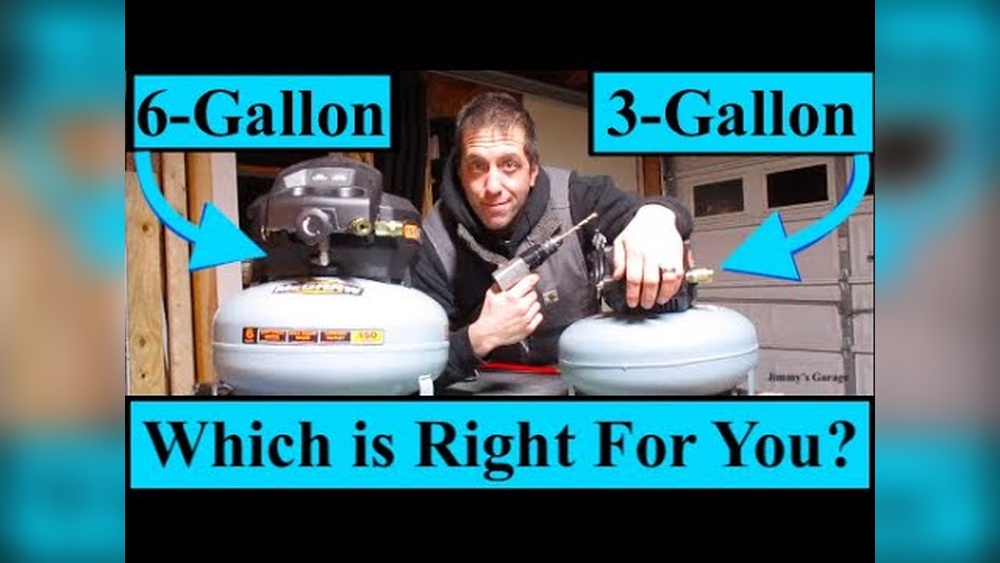
Choosing the right air compressor can feel confusing, especially when you see so many sizes and shapes at your local hardware store. The 3 gallon and 6 gallon air compressors are two of the most popular choices for home users, hobbyists, and even small workshops. But which one is best for you? The answer depends on what you plan to do, your workspace, and your budget. This guide breaks down the details and differences so you can make a smart decision, even if you’re new to air tools.
Understanding Air Compressor Basics
An air compressor works by taking air from the environment, squeezing it into a small tank, and then releasing it with force to power tools or inflate objects. The size of the tank, measured in gallons, affects how long you can use your tools before the compressor needs to refill. But tank size is not the only thing you need to think about. You also need to look at CFM (cubic feet per minute), which measures how much air the machine can deliver, and PSI (pounds per square inch), which is the air pressure.
A small air compressor might look easy to carry and store, but it may not give enough power for bigger jobs. On the other hand, a bigger tank could be more than you need, especially if you only use it for simple tasks.
Let’s see how the 3 gallon and 6 gallon models compare.
3 Gallon Air Compressor: Compact Power
Key Features
A 3 gallon air compressor is designed for small tasks. You’ll find these models are lightweight, often around 20 to 25 pounds, and small enough to fit in a closet or the trunk of your car. Most come with a handle for easy carrying.
- CFM: Usually between 0.5 and 1.0 at 90 PSI
- PSI: Often around 90 to 125 PSI max
- Noise Level: Typically between 68 and 80 decibels (about as loud as a vacuum cleaner)
- Price Range: $50 to $120 depending on brand and features
Common Uses
People often choose a 3 gallon model for:
- Inflating car and bike tires
- Blowing dust and cleaning tools
- Airbrushing and craft work
- Stapling and brad nailing small pieces of wood
A 3 gallon air compressor is not made for running larger tools like impact wrenches, sanders, or paint sprayers for long periods. The small tank empties quickly, so the motor will need to run often to refill the air.
Advantages
- Easy to move: Great for working in different places or taking to job sites
- Takes up little space: Fits on a shelf or under a workbench
- Lower cost: Good for beginners and occasional use
Limitations
- Short run time: You may need to pause often for the tank to refill
- Not for heavy-duty tools: Can’t keep up with high-demand air tools
Non-obvious Insight
Many beginners forget to check if their air tools match the compressor’s CFM. Even for small jobs, if your tool needs more air than the compressor can provide, it will stop and start all the time. Always check your tool’s requirements before buying.
6 Gallon Air Compressor: Double The Capacity
Key Features
A 6 gallon air compressor is a step up in both size and ability. These models are often called “pancake compressors” because of their wide, flat shape. Most weigh between 28 and 35 pounds, making them portable but a bit heavier than 3 gallon units.
- CFM: Usually 2.0 to 2.6 at 90 PSI
- PSI: Most reach up to 150 PSI max
- Noise Level: Typically 75 to 85 decibels
- Price Range: $120 to $250 depending on brand and features
Common Uses
A 6 gallon air compressor can handle:
- Inflating tires, sports balls, and pool toys
- Running nailers and staplers for longer periods
- Light spray painting and blowing out dust from computers or machinery
- Small impact wrenches or ratchets (for short bursts)
This size is popular with carpenters, DIYers, and people who want to do more than just inflate tires.
Advantages
- Longer run time: The larger tank means you can use tools longer before waiting for a refill
- More tool options: Can power a wider range of air tools, including some that need more air
- Still portable: Most people can carry it without much trouble
Limitations
- Heavier and bulkier: Takes more space in your garage or car
- Higher cost: Not always the best choice for simple tasks
Non-obvious Insight
The 6 gallon air compressor is often seen as “more powerful,” but the real benefit is the bigger air reserve. This means you get a smoother, more consistent flow of air, which is especially important for finish work like painting or trim nailing. The difference may not be obvious until you try to do a job that needs steady air pressure.
Comparing 3 Gallon Vs 6 Gallon Air Compressors
To help you see the differences clearly, here’s a side-by-side look at the key features:
| Feature | 3 Gallon | 6 Gallon |
|---|---|---|
| Tank Size | 3 gallons | 6 gallons |
| Weight | 20–25 lbs | 28–35 lbs |
| CFM @ 90 PSI | 0.5–1.0 | 2.0–2.6 |
| Max PSI | 90–125 PSI | 135–150 PSI |
| Noise Level | 68–80 dB | 75–85 dB |
| Price Range | $50–$120 | $120–$250 |

Credit: www.youtube.com
Which One Is Right For You?
Choosing between a 3 gallon and a 6 gallon air compressor depends on how you plan to use it. Here’s how to decide:
- Simple tasks (inflating, cleaning): Choose the 3 gallon. It’s lighter, cheaper, and perfect for quick jobs.
- Home improvement projects (nailing, light painting): The 6 gallon is better. You’ll spend less time waiting for the tank to refill.
- Using multiple tools: Go with the 6 gallon. It can handle two nail guns at once for short periods.
- Limited space or need for portability: The 3 gallon is easier to carry and store.
A Practical Example
If you want to build a deck and use a nail gun, a 3 gallon compressor will force you to stop often while the tank refills. This can slow you down and lead to uneven nails. A 6 gallon model keeps up with your work, making the job smoother.
Real-world Performance: User Experiences
Many homeowners start with a 3 gallon air compressor because it’s affordable. For example, Sarah, a DIY crafter, uses her 3 gallon model to inflate pool toys and blow dust from her sewing machines. She loves how easy it is to carry, but when she tried to use a stapler for a large reupholstery project, she had to stop and wait every few minutes.
By comparison, Mike, a hobby woodworker, switched to a 6 gallon compressor. He found he could run his brad nailer longer without interruption and even used a small spray gun for painting furniture.
The lesson: Think about your future needs, not just today’s tasks.
Durability And Maintenance
Both 3 gallon and 6 gallon compressors usually require basic care:
- Drain the tank after each use to prevent rust.
- Check the air filter regularly.
- Keep the compressor clean and dry.
6 gallon compressors sometimes have more robust motors, which can last longer if maintained well. However, the simpler design of many 3 gallon models means fewer parts that can break.
Cost Over Time
You might think a smaller compressor will always save you money. But if you end up buying a 3 gallon model and then realize you need more power, you could end up buying a 6 gallon later. Investing a bit more at the start often pays off if you plan to do more than just inflate things.
Here’s a look at potential costs over a few years:
| Compressor | Initial Cost | Maintenance/Parts | Upgrade Cost (if needed) | Approx. Total (3 Years) |
|---|---|---|---|---|
| 3 Gallon | $90 | $20 | $140 (if upgrading to 6 gal later) | $250 |
| 6 Gallon | $170 | $30 | $0 | $200 |
This shows that planning ahead can sometimes save you money and hassle.

Credit: www.reddit.com
Common Mistakes To Avoid
- Ignoring CFM requirements: Always match your tools to the compressor’s air output.
- Using a small tank for heavy tools: This can cause the motor to overwork and wear out faster.
- Not draining the tank: Moisture inside will cause rust and shorten the life of your compressor.
- Choosing only by price: The cheapest option isn’t always the best if it can’t do the jobs you need.
Features That Matter
When shopping for a compressor, look for:
- Oil-free pump: Less maintenance and cleaner air output.
- Quick-connect fittings: Makes switching tools faster.
- Built-in pressure regulator: Lets you control air pressure for different tools.
- Thermal overload protection: Keeps the motor from overheating.
Not all models have these features, so check before you buy.
When To Upgrade
If you started with a 3 gallon compressor and find yourself doing more projects, it’s a good idea to upgrade to a 6 gallon model. You’ll save time, get better results, and reduce wear on your tools and compressor.
Where To Learn More
To dig deeper into air compressor specs and how they work, check the detailed guide at Wikipedia: Air Compressor.

Credit: www.reddit.com
Frequently Asked Questions
What Can I Do With A 3 Gallon Air Compressor?
A 3 gallon air compressor is best for light tasks like inflating tires, small cleaning jobs, and running tiny air tools for crafts. It’s not suitable for heavy-duty or long-running tools.
Is A 6 Gallon Air Compressor Good For Impact Wrenches?
A 6 gallon compressor can run small impact wrenches for short periods, but it may not keep up for long jobs. For continuous use, a larger compressor with higher CFM is better.
How Noisy Are These Compressors?
Most air compressors are about as loud as a vacuum cleaner or blender. The 3 gallon models are a little quieter (68–80 dB) compared to 6 gallon models (75–85 dB).
Can I Paint A Car With A 6 Gallon Compressor?
A 6 gallon compressor can handle small paint jobs, touch-ups, or furniture painting. For painting a whole car, you’ll need a bigger compressor with a larger tank and higher CFM.
What Is The Best Choice For Home Use?
If you mostly need to inflate things or do very small jobs, the 3 gallon model works well. If you plan to use air tools for DIY projects, a 6 gallon compressor is more versatile and saves time.
Choosing between a 3 gallon and 6 gallon air compressor is not just about size. It’s about matching the tool to your tasks, budget, and space. Think ahead, and you’ll enjoy years of reliable work with your air compressor.